
×

Japan🇯🇵 | citiesKurashikicanal district, folk art, white-walled warehouses | things to do and best time to go

Explore HiroshimaExplore Kyoto

Backpacking in Kurashiki
👍 Recommendedcity ranked #20
By Johan Kruseman 🇳🇱 | Updated September 4, 2026

Most people sell Kurashiki as a sleepy day-trip from Okayama, but if you stay a night you realize it’s one of the easiest places in Japan to feel “inside” a historic district instead of just walking through it. Sitting between Okayama and Hiroshima on the Sanyō line, it’s compact, safe, and cheap by Japan standards, with a gorgeous canal quarter, solid museums, and calm backstreets—but nightlife is thin and meeting other backpackers is harder than in Osaka or Hiroshima, so it suits slow, reflective travelers more than hostel-party hunters.

Discover everything you want to know in the 📖 Japan Travel Guide.


Get your Japan guide
140 ranked highlights, routes & tips, works offline (482 pages)
Loading the map 🌍
CLICK TO FILTER
cities
towns
villages
landmarks
national parks
hikes
beaches
attractions
festivals
regions
SHOW COUNTRY’S BESTSHOW ALL

✨ Why go?
Ranked #20 city in Japan
What sets this place apart

Kurashiki is a strategic stop for backpackers weaving through Japan. Its walkability makes exploring the charming canals and historic buildings a breeze, while a range of hostels offers budget-friendly stays. The food scene is diverse, from street stalls to cozy izakayas, ensuring you fuel up without breaking the bank. As a basecamp for day trips to Okayama and the Seto Inland Sea, it’s perfect for those wanting to explore more. Plus, the nightlife is laid-back yet lively, providing a nice balance after a day of adventure. If you’re after a blend of culture and convenience, Kurashiki is worth your time.
Want to include Kurashiki in your Japan route?
Create a personalized Japan itinerary that includes Kurashiki and the places that fit your trip — based on your travel style, budget, and available time. Get your route in seconds.

Generate my trip

💡 HighlightsMust-see experiences and standout moments

  1. Kurashiki Bikan Historical Quarter — The heart of the city: willow-lined canals, white-walled kura (storehouses), narrow lanes and preserved Edo-Meiji architecture. Walk it slowly, take photos, and you’ll feel exactly why Kurashiki has that old-town vibe.
  2. Ohara Museum of Art — Japan’s first museum dedicated to Western art, tucked into the Bikan area. The mix of El Greco, Monet and notable Japanese pieces makes it a short but surprisingly rich stop for art lovers.
  3. Bikan Canal boat rides — Simple, low-key canal boat trips that give you a different angle on the historic quarter. Good for golden-hour photos and for seeing the warehouses and bridges from the water.
  4. Ivy Square (former Kurashiki cotton mill) — Red-brick buildings smothered in ivy that now house shops, cafés and a hotel. It’s
read more 👉
  1. Kurashiki Bikan Historical Quarter — The heart of the city: willow-lined canals, white-walled kura (storehouses), narrow lanes and preserved Edo-Meiji architecture. Walk it slowly, take photos, and you’ll feel exactly why Kurashiki has that old-town vibe.
  2. Ohara Museum of Art — Japan’s first museum dedicated to Western art, tucked into the Bikan area. The mix of El Greco, Monet and notable Japanese pieces makes it a short but surprisingly rich stop for art lovers.
  3. Bikan Canal boat rides — Simple, low-key canal boat trips that give you a different angle on the historic quarter. Good for golden-hour photos and for seeing the warehouses and bridges from the water.
  4. Ivy Square (former Kurashiki cotton mill) — Red-brick buildings smothered in ivy that now house shops, cafés and a hotel. It’s industrial-chic and pleasant to wander, especially for a lazy coffee or a craft-shop browse.
  5. Kojima Jeans Street (Kojima Denim District) — Kurashiki’s denim capital: factory outlets, specialty stores and brands like Momotaro. Even if you’re not buying, it’s a fascinating look at Japan’s denim subculture and local manufacturing pride.
  6. Kurashiki Archaeological Museum — Small but focused museum documenting the region’s archaeology and ancient life. Great if you want context on the area’s long human story beyond the pretty canal photos.
  7. Kurashiki Folkcraft Museum (Mingeikan) — A calm, readable collection of Japanese folk crafts and ceramics that fits neatly with the city’s layered history; good for anyone who likes objects with a story.
  8. Former Ohara Family Residence & Gardens — The Ohara family shaped much of Kurashiki’s cultural life; visiting their residence and its garden shows the domestic side of the city’s elite history and ties into the Ohara Museum next door.
  9. Kurashiki Local History Museum (City Museum) — Compact, well-curated displays on the city’s commercial past, textiles and river trade. If you want to understand why Kurashiki developed the way it did, this is where to start.
  10. Uno Port & the Seto Inland Sea waterfront (Kurashiki-Uno area) — Not far from central Kurashiki: ferry terminal, seafood stalls and access to island art routes. It’s a working port with a pleasant seaside walk and useful if you’re island-hopping.
A few excellent day-trip highlights outside Kurashiki but close by: Okayama’s Korakuen Garden and Okayama Castle, the island art scene on Naoshima (my personal favorite), and the smaller art islands like Inujima — all easily reached from Kurashiki/Uno.
Spotted a mistake or missing something? Contact us.

Things to do in Kurashiki

Ratings based on Tripadvisor reviews. When you book through this link, you support our work at no extra cost to you.

🏘️ NeighborhoodsNeighborhood guide to Kurashiki

Kurashiki offers a unique blend of history and modernity, making it a captivating stop for backpackers.

Kurashiki Bikan Historical Quarter: This area is the heart of Kurashiki, featuring traditional Edo-period buildings and picturesque canals. It’s walkable and perfect for short stays. Costs are moderate, with plenty of affordable eateries. The vibe is relaxed, ideal for daytime exploration, but quiet at night.

Shinkawa Area: A bit more modern, this neighborhood has a lively atmosphere with bars and cafes. It’s great for nightlife and socializing, but can be pricier. Transport access is solid, making it easy to explore further afield. Suitable for longer stays if you enjoy a bustling environment.

Kurashiki Station Area: This is the transport hub, making it convenient for day trips. While … read more 👉
Kurashiki offers a unique blend of history and modernity, making it a captivating stop for backpackers.

Kurashiki Bikan Historical Quarter: This area is the heart of Kurashiki, featuring traditional Edo-period buildings and picturesque canals. It’s walkable and perfect for short stays. Costs are moderate, with plenty of affordable eateries. The vibe is relaxed, ideal for daytime exploration, but quiet at night.

Shinkawa Area: A bit more modern, this neighborhood has a lively atmosphere with bars and cafes. It’s great for nightlife and socializing, but can be pricier. Transport access is solid, making it easy to explore further afield. Suitable for longer stays if you enjoy a bustling environment.

Kurashiki Station Area: This is the transport hub, making it convenient for day trips. While it lacks charm, it offers budget accommodations and quick access to other cities. Ideal for those prioritizing convenience over ambiance.

⌛️ 1 daySeeing the highlights in 24 hours

Kurashiki, Japan, is a charming blend of history and modernity, known for its well-preserved Edo-period architecture and picturesque canals. Start your day in the Bikan Historical Quarter, where you can stroll along the serene waterways lined with traditional white-walled buildings. Grab a coffee at a local café, soaking in the peaceful atmosphere.

In the afternoon, head to the Ohara Museum of Art, Japan’s first museum of Western art. It’s a bit of a treasure trove, showcasing works from Monet to Picasso. Afterward, wander over to the less-traveled area of Kurashiki’s textile district. Here, you’ll find small shops selling unique, handcrafted textiles—perfect for a memorable souvenir.

As evening falls, make your way to the Kurashiki Ivy Square, a former cotton mill turned cultural complex. … read more 👉
Kurashiki, Japan, is a charming blend of history and modernity, known for its well-preserved Edo-period architecture and picturesque canals. Start your day in the Bikan Historical Quarter, where you can stroll along the serene waterways lined with traditional white-walled buildings. Grab a coffee at a local café, soaking in the peaceful atmosphere.

In the afternoon, head to the Ohara Museum of Art, Japan’s first museum of Western art. It’s a bit of a treasure trove, showcasing works from Monet to Picasso. Afterward, wander over to the less-traveled area of Kurashiki’s textile district. Here, you’ll find small shops selling unique, handcrafted textiles—perfect for a memorable souvenir.

As evening falls, make your way to the Kurashiki Ivy Square, a former cotton mill turned cultural complex. Enjoy dinner at one of the cozy restaurants, perhaps trying local specialties like Kurashiki beef. The ambiance is warm, and the brick buildings glow softly in the twilight, wrapping up your day with a sense of connection to this beautiful city.
Turn your Kurashiki visit into an Japan adventure
Build a complete Japan route with Kurashiki, hidden gems, must-see destinations, and realistic travel times included.

Generate my trip

🌤️ When to go?Choosing the right time of year


  • Weather: Spring (March to May) and autumn (September to November) offer mild, dry conditions ideal for walking Kurashiki’s historic streets without sweating buckets or getting drenched.

  • Temperature: Spring averages 12-20°C (54-68°F), autumn 15-22°C (59-72°F), perfect for layering and comfortable days outdoors.

  • Daylight Hours: Around 11-13 hours in spring and autumn, giving you ample time to explore without rushing.

  • Crowds: Peak tourist influx hits in cherry blossom season (late March-April) and autumn foliage (mid-November), so expect busier streets and higher prices then.

  • Seasonal Activities: Spring brings sakura festivals; autumn showcases vibrant maple leaves and local harvest events, both enriching your cultural experience.

  • Price Fluctuations: Accommodation and transport costs
read more 👉

  • Weather: Spring (March to May) and autumn (September to November) offer mild, dry conditions ideal for walking Kurashiki’s historic streets without sweating buckets or getting drenched.

  • Temperature: Spring averages 12-20°C (54-68°F), autumn 15-22°C (59-72°F), perfect for layering and comfortable days outdoors.

  • Daylight Hours: Around 11-13 hours in spring and autumn, giving you ample time to explore without rushing.

  • Crowds: Peak tourist influx hits in cherry blossom season (late March-April) and autumn foliage (mid-November), so expect busier streets and higher prices then.

  • Seasonal Activities: Spring brings sakura festivals; autumn showcases vibrant maple leaves and local harvest events, both enriching your cultural experience.

  • Price Fluctuations: Accommodation and transport costs spike during peak seasons; visiting just before or after these windows can save you a tidy sum.


Pro-tip: Aim for early May or late October—weather’s sweet, crowds thin, and prices dip, letting you savor Kurashiki’s charm without the usual hassle.


source: climatestotravel.comJANJanuary: fair for travelingFEBFebruary: fair for travelingMARMarch: highly recommended for travelingAPRApril: good for travelingMAYMay: highly recommended for travelingJUNJune: fair for travelingJULJuly: below average for travelingAUGAugust: below average for travelingSEPSeptember: good for travelingOCTOctober: highly recommended for travelingNOVNovember: good for travelingDECDecember: fair for traveling
when-to-go

✈️ The backpacker research shortcutJapan Travel Guide

An offline-friendly backpacking guide with optimized travel routes, ranked highlights, transport advice, and the best areas to stay.
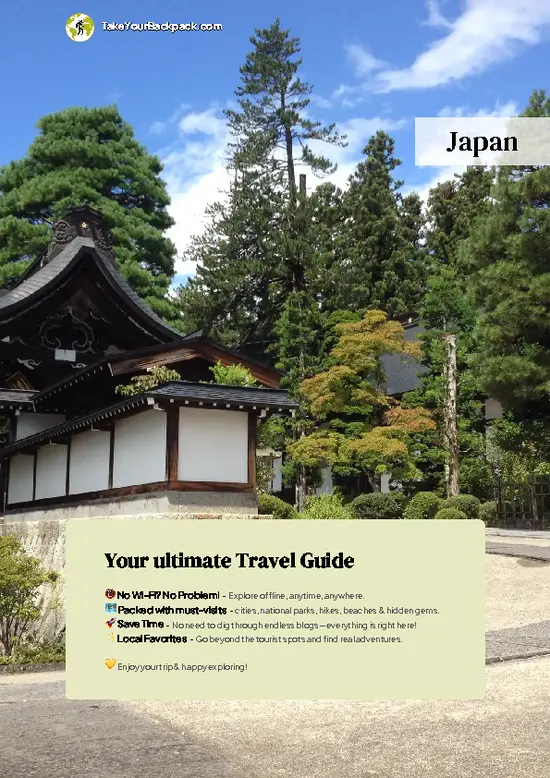
example page 0 from our offline Travel Guide for Japan
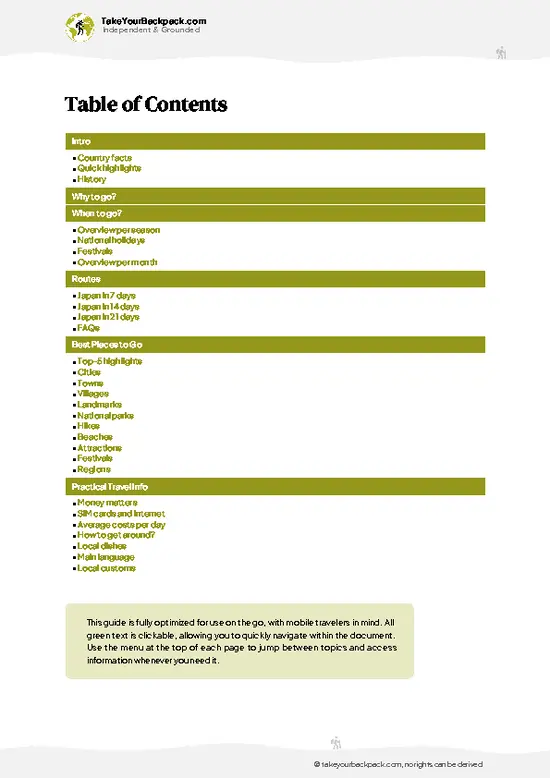
example page 1 from our offline Travel Guide for Japan
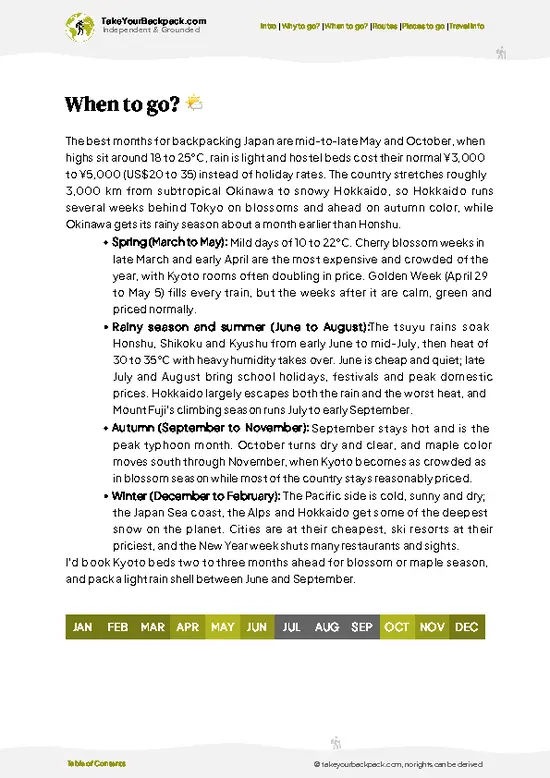
example page 2 from our offline Travel Guide for Japan
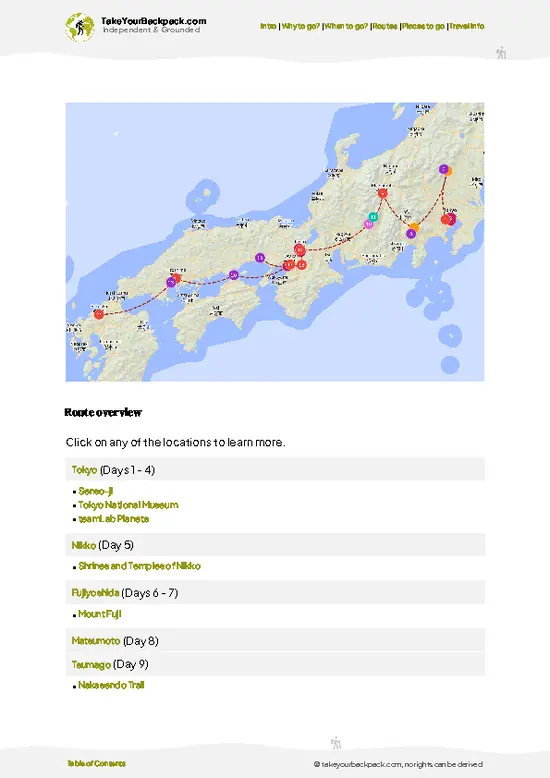
example page 3 from our offline Travel Guide for Japan
example page 4 from our offline Travel Guide for Japan
example page 5 from our offline Travel Guide for Japan
example page 6 from our offline Travel Guide for Japan
example page 7 from our offline Travel Guide for Japan
The digital guide (482 pages) contains:
140 highlights, ranked by travel appeal
Optimized 7, 14 & 21-day travel routes
Cities, national parks, landmarks, beaches
How to get around
Offline-friendly for travel without Wi-Fi
👉 Click to see all 30+ guide features

📅 Plan smarter in minutes, not weeks
Month by month travel advice
Festivals & national holidays
Budget expectations

🗺️ Go to the right places, skip the overrated ones
Honest pros & cons of destinations
Top hikes, parks & viewpoints
Lesser-known places most travelers miss
Clear “worth it vs skip it” guidance

🛏️ Travel smoothly without rookie mistakes
Best areas to stay
Transport systems explained simply
Common scams & safety advice
SIM cards, money & practical tips

🌍 Understand the country, not just visit it
Culture & traditions
52 Essential phrases & customs
Festivals worth planning around
Traveler-friendly historical context
Insights that make places more meaningful

📱 Built for real travel conditions
Fully downloadable PDF
Works completely offline
Optimized for phone use
Useful in remote areas & buses
Everything in one place
Save weeks of stressful planning
Get instant access to your full guide. 30‑day money-back guarantee.
+ Add another guide for just US$7.80

By proceeding you agree to our terms.
Sent to your inbox immediately after payment • 100% Secure Checkout
Best Backpacking Travel Advisor 2025 tourism awardBest Backpacking
Travel Advisor
2025
What others say about Take Your Backpack Guides:
⭐⭐⭐⭐⭐
Fantastic, amazing amount of information!
⭐⭐⭐⭐⭐
My goodness this is amazing, it's what I've been looking for hats off too you!
⭐⭐⭐⭐⭐
I think this is absolutely BRILLIANT
⭐⭐⭐⭐
Very complete and informative. It's still missing places, but I gotta to commend you
⭐⭐⭐⭐⭐
This is truly amazing, thank you, can't wait to explore it with my kids!
⭐⭐⭐⭐⭐
Awesome resource, thank you!
⭐⭐⭐⭐⭐
This is amazing! Can't wait to explore the ones I haven't seen
⭐⭐⭐⭐
I love this! Well done, great idea.
⭐⭐⭐⭐⭐
Thanks for taking the time to make this gem!
⭐⭐⭐⭐⭐
This might be the best website I've ever seen.
⭐⭐⭐⭐⭐
Congratulations, and thank you so much for your work; it's incredibly valuable.
⭐⭐⭐⭐
In all seriousness I think you did a great job pointing out the important spots
⭐⭐⭐⭐⭐
10/10 very good
⭐⭐⭐⭐⭐
As someone who's only just starting to visit regularly this is awesome, thank you.
⭐⭐⭐⭐
Thank you very much! I'm going to visit my dad, it's going to be very useful!
⭐⭐⭐⭐⭐
This is really cool! We'll be travelling for the first time and this definitely come in handy.
⭐⭐⭐⭐⭐
You are now our minister of culture, congratulations 👨‍💼
⭐⭐⭐⭐⭐
Just wanted to tell you that this is a pearl! Going to follow your recommendations.
⭐⭐⭐⭐⭐
This is so cool. I'll definitely be using the resource for my travels soon.
⭐⭐⭐⭐⭐
This is very impressive! Good work.
⭐⭐⭐⭐⭐
This is an amazing and informative site. Very well done!

🛏️ Where to stay?Best areas and accommodation options

Kurashiki’s prime backpacker zone centers around the Bikan Historical Quarter. It’s a compact, walkable area where safety is a given, and the streets hum with a mix of tourists and locals. Hostels here cater to budget travelers and solo adventurers, offering a social vibe without the chaos of a big city. You’re trading a bit of modern nightlife for charming canals, traditional architecture, and easy access to cafes and galleries. Compared to the quieter suburbs or business districts, Bikan delivers a perfect balance: enough buzz to meet people, but calm enough to recharge. It’s the sweet spot … read more 👉
Kurashiki’s prime backpacker zone centers around the Bikan Historical Quarter. It’s a compact, walkable area where safety is a given, and the streets hum with a mix of tourists and locals. Hostels here cater to budget travelers and solo adventurers, offering a social vibe without the chaos of a big city. You’re trading a bit of modern nightlife for charming canals, traditional architecture, and easy access to cafes and galleries. Compared to the quieter suburbs or business districts, Bikan delivers a perfect balance: enough buzz to meet people, but calm enough to recharge. It’s the sweet spot for those who want culture and connection without overspending or sacrificing comfort.

🚌 Getting aroundGetting around like a local

Kurashiki moves at a pace that balances old-world charm with modern rhythm. It’s not a city where you’ll find frantic rush or rigid timetables demanding your obedience. Instead, the flow here is more like a gentle current—steady, reliable, but flexible enough to let you slip in and out of moments without stress. This means your transit choices aren’t just about getting from A to B; they’re about tuning into the city’s pulse and deciding how much time, money, and comfort you want to trade for the experience itself.


  • Walking: The heart of Kurashiki’s charm is best explored on foot. It’s free, immersive, and lets you soak in the historic canal district at your own pace. Expect to spend hours wandering, but save money and gain authentic street-level detail.

  • JR Sanyo Line: Connects Kurashiki
read more 👉
Kurashiki moves at a pace that balances old-world charm with modern rhythm. It’s not a city where you’ll find frantic rush or rigid timetables demanding your obedience. Instead, the flow here is more like a gentle current—steady, reliable, but flexible enough to let you slip in and out of moments without stress. This means your transit choices aren’t just about getting from A to B; they’re about tuning into the city’s pulse and deciding how much time, money, and comfort you want to trade for the experience itself.


  • Walking: The heart of Kurashiki’s charm is best explored on foot. It’s free, immersive, and lets you soak in the historic canal district at your own pace. Expect to spend hours wandering, but save money and gain authentic street-level detail.

  • JR Sanyo Line: Connects Kurashiki to Okayama and beyond. Trains run roughly from 5:30 AM to midnight, fares start around 200 yen for short hops. Fast and efficient, but less scenic—ideal if you’re prioritizing speed over atmosphere.

  • Local Bus: Covers areas beyond walking distance, including suburbs and nearby attractions. Runs from early morning until about 9 PM, fares typically under 300 yen. Slower than trains but cheaper and more flexible for off-the-beaten-path spots.

  • Bicycle Rental: A sweet middle ground between walking and public transit. Costs about 500-700 yen per day, giving you speed and freedom without the noise or expense of motorized options. Perfect for a budget traveler who values comfort and control.

👛 Costs (as of 4 September 2026)What things cost and how to budget

Backpacking in Kurashiki, Japan, offers a fascinating blend of history and culture, but knowing the daily costs helps you play the game smart. Here’s the breakdown of what you’re really paying for:
  • Dorm Accommodation (High Season): Expect to pay around $30 to $40 per night in a shared dorm during peak travel months. These spots are basic but clean, often in guesthouses or budget hostels close to the Bikan Historical Quarter.
  • Dorm Accommodation (Off-Season): Prices drop to about $20 to $30 per night when the crowds thin out. Off-season travel here means quieter streets and better deals, perfect if you want to stretch your budget without sacrificing location.
  • Meals: Budget roughly $10 to $15 daily if you stick to convenience stores, street food stalls, or small local eateries. Kurashiki’s
read more 👉
Backpacking in Kurashiki, Japan, offers a fascinating blend of history and culture, but knowing the daily costs helps you play the game smart. Here’s the breakdown of what you’re really paying for:
  • Dorm Accommodation (High Season): Expect to pay around $30 to $40 per night in a shared dorm during peak travel months. These spots are basic but clean, often in guesthouses or budget hostels close to the Bikan Historical Quarter.
  • Dorm Accommodation (Off-Season): Prices drop to about $20 to $30 per night when the crowds thin out. Off-season travel here means quieter streets and better deals, perfect if you want to stretch your budget without sacrificing location.
  • Meals: Budget roughly $10 to $15 daily if you stick to convenience stores, street food stalls, or small local eateries. Kurashiki’s food scene is modest but satisfying—think hearty bowls of udon or simple bento boxes.
  • Local Transport: Single bus rides within Kurashiki typically cost around $1.50 to $2.50. Walking is often the best way to soak in the city’s charm, but buses cover the spread-out spots efficiently.
  • City Transport Pass: If you plan multiple bus trips, a day pass for about $5 can save you money and hassle. It’s a smart move if you want to explore beyond the central district without counting every ride.
  • Basic Activities/Entry Fees: Museums and historical sites usually charge between $3 and $7. The Ohara Museum of Art, a highlight, is around $7. These fees are modest but add up if you’re hitting several spots.
  • Miscellaneous Expenses: Factor in about $5 to $10 for things like bottled water, snacks, or occasional treats. Small costs that keep you fueled and comfortable without breaking the bank.

All told, your daily budget in Kurashiki ranges roughly from $50 on a tight plan to about $80 if you lean into a bit more comfort and activity. This balance lets you decide what matters most: saving time with transport passes, splurging on a museum or two, or keeping meals simple and local. Knowing these trade-offs means you’re not just spending money—you’re investing in the experience you want.


source: okayama-japan.jp
⚠️ Prices can change and everyone travels differently, so take this as a rough guide. Hope it helps you plan your adventure!

🚌 Day tripsShort trips worth adding

Kurashiki is a fantastic launchpad for day trips that blend culture, nature, and history. Here are some standout options:

Okayama Castle
Just a 15-minute train ride away, Okayama Castle offers a peek into Japan’s feudal past. The black exterior is striking, and the surrounding Korakuen Garden is a serene escape. Budget around ¥600 for entry and a few hundred more for snacks. Spring is ideal for cherry blossoms, but fall colors are equally stunning. A common mistake? Rushing through without taking time to stroll the gardens.


Naoshima Island
A 50-minute ferry ride from Uno Port, Naoshima is a contemporary art haven. The island is dotted with installations and museums, including the famous Yayoi Kusama pumpkin. Expect to spend around ¥2,000 for ferry and entry fees. Late spring or early … read more 👉
Kurashiki is a fantastic launchpad for day trips that blend culture, nature, and history. Here are some standout options:

Okayama Castle
Just a 15-minute train ride away, Okayama Castle offers a peek into Japan’s feudal past. The black exterior is striking, and the surrounding Korakuen Garden is a serene escape. Budget around ¥600 for entry and a few hundred more for snacks. Spring is ideal for cherry blossoms, but fall colors are equally stunning. A common mistake? Rushing through without taking time to stroll the gardens.


Naoshima Island
A 50-minute ferry ride from Uno Port, Naoshima is a contemporary art haven. The island is dotted with installations and museums, including the famous Yayoi Kusama pumpkin. Expect to spend around ¥2,000 for ferry and entry fees. Late spring or early fall is perfect for mild weather and fewer crowds. Many first-timers overlook the small, charming cafes that serve local delicacies.


Kurashiki Bikan Historical Quarter
You don’t have to travel far to explore the picturesque canals and traditional buildings of Kurashiki itself. Spend a leisurely day wandering the streets, sampling local sweets, and visiting the Ohara Museum of Art. Costs are minimal—entry fees are around ¥1,200, and you can easily grab lunch for under ¥1,000. Anytime is great, but early mornings offer a quieter experience.
Want to know what more Japan offers?
The Japan Travel Guide describes 140 highlights, from cities to national parks, from beaches to hikes

Get the Travel Guide -

🍲 FoodLocal Cuisine & Drinks

In Kurashiki, the local cuisine is a delightful blend of tradition and flavor. Don’t miss the Kibidango, a sweet rice dumpling that’s chewy and subtly sweet, perfect for a quick snack while wandering the charming streets. Pair it with a cup of Kurashiki tea, known for its earthy notes.

Street food stalls buzz with energy, serving up yakitori—grilled chicken skewers seasoned to perfection. Casual eateries offer soba and udon, where slurping is not just accepted; it’s encouraged.

When it comes to drinks, try the local sake; it’s often served warm, enhancing its rich flavors. Remember, sharing a drink is a sign of camaraderie, so raise your glass and enjoy the moment!

🛡️ SafetyTraveler Safety Guide

Kurashiki is generally safe, but staying aware enhances your experience. Stick to well-lit areas at night, especially around the historic Bikan district, where cobblestone streets can feel isolated after dark. Solo travelers should trust their instincts; if something feels off, it probably is.

Scams are rare, but be cautious of overly friendly locals offering unsolicited help. They might lead you to shops with inflated prices. Keep your belongings secure, especially in crowded spots like the Kurashiki Canal area. A confident demeanor goes a long way in navigating this charming city.

FAQTraveler FAQ

2 days are sufficient to explore Kurashiki, allowing time to visit the Bikan Historical Quarter, Ohara Museum of Art, and local shops. One full day can be spent wandering the canals and traditional streets, with another day for museums and nearby attractions.
Yes, Kurashiki is safe for solo backpackers. The city has low crime rates, friendly locals, and well-maintained public areas, making it comfortable for solo travelers to explore both day and night.
Kurashiki is known for its well-preserved Edo-period canal area called the Bikan Historical Quarter. It is also famous for the Ohara Museum of Art, Japan's first museum to exhibit Western art, and its traditional crafts and textiles.
⚠️ Things can change over time, so always validate details locally before you go.

Other Japanese cities near Kurashiki

Explore more nearby:

  • Okayama—Korakuen garden, castle, cycling routes| 16 km away
  • Takamatsu—island ferries, udon shops, Ritsurin garden| 37 km away
  • Tokushima—Awa Odori dance, river whirlpools, indigo dyeing| 92 km away

💡 Not sure where to go next?
Create a personalized itinerary for Japan including Kurashiki and the places that fit your trip.

Generate my itinerary

👉 Discover all cities

Or checkout all Japan has to offer (think cities, towns, villages, national parks, hikes, beaches, festivals)
Country photo of Japan

We 💚 feedbackIs it worth it?

Kurashiki’s charm lies in its well-preserved Edo-period architecture and the serene canals that whisper stories of the past. But be ready for a slower pace; it’s not a bustling metropolis. Embrace the quiet, and you’ll find a unique slice of Japan worth savoring.

✈️ When did I visit Japan?
As part of my 1.5 year travel around the world trip, I visited Japan in August 2015.

✍️ Help improve this page!
The information on this page is based on my own backpacking experience in Japan, supplemented with up-to-date research and feedback from other travelers. Travel details can change, so if you notice anything outdated or incomplete, feel free to let me know.


🙋‍♂️ Give feedback

👋 Meet the founderWho’s Behind Take Your Backpack?

Johan, backpacker and founder of TakeYourBackpackHi, I’m Johan (Netherlands 🇳🇱), the creator of TakeYourBackpack. Over the past decade, I’ve backpacked through 80+ countries across six continents, gaining extensive experience with independent travel, long-term trips, and overland routes.

This site is built on a combination of firsthand travel experience and carefully curated insights from other backpackers. Many guides are based on places I’ve personally visited, while others bring together tips, observations, and practical advice shared by trusted travelers I’ve met along the way.

The goal is to provide realistic, experience-driven guidance — not generic itineraries — so you can explore destinations with better context, clearer expectations, and more confidence.

Get full Japan guide •
Instant download • 140 highlights • Full Offline guide