v2.webp)
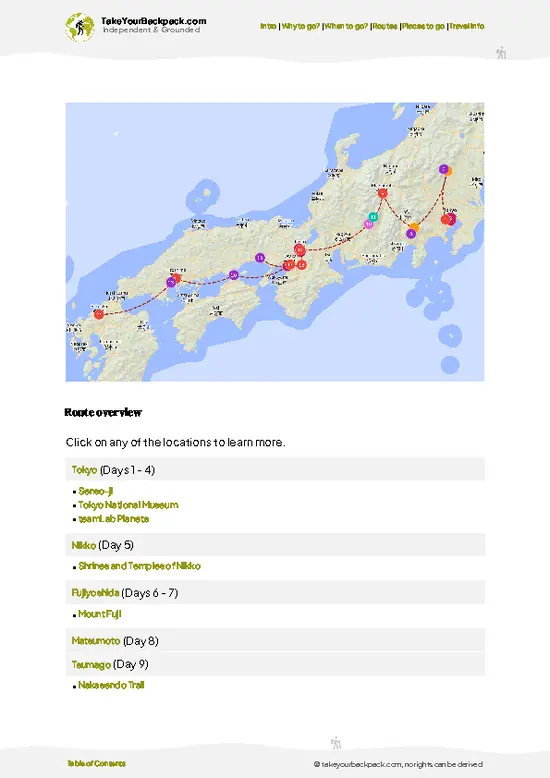
- Matsumoto Castle — One of Japan’s few remaining original wooden castles (the ”Crow Castle” with black exterior). Climb the keep, walk the moat, and feel the history underfoot—great for photos, seasonal cherry blossoms, and a real sense of feudal Japan without a theme-park vibe.
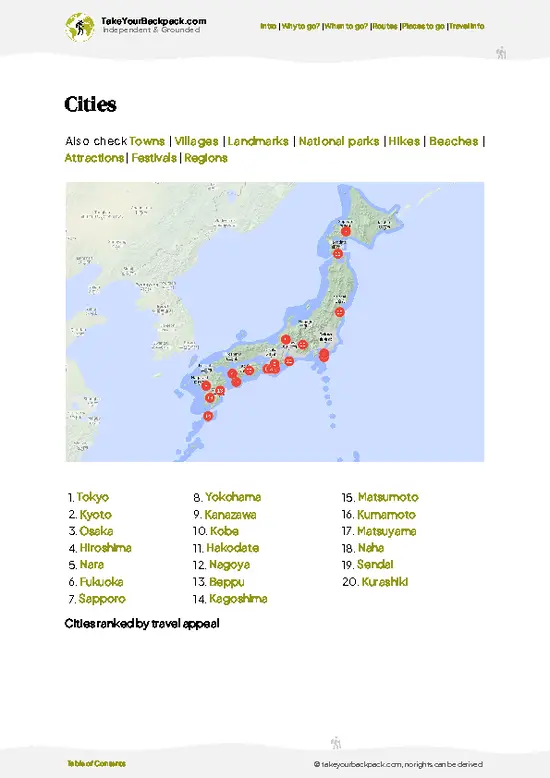
- Nakamachi Street (Kurazukuri warehouses) — A row of restored kura (storehouses) turned into craft shops, cafés and galleries. The white-lacquered façades are photogenic and the shops sell local crafts and soba goods—perfect for a slow afternoon of browsing and people-watching.
- Nawate-dori (Frog Street) — A charming, narrow riverside lane full of small eateries, souvenir stalls and frog motifs everywhere (a local mascot thing). It’s tiny, local, and excellent for sampling street snacks and picking up kitschy-but-genuine
- Matsumoto Castle — One of Japan’s few remaining original wooden castles (the ”Crow Castle” with black exterior). Climb the keep, walk the moat, and feel the history underfoot—great for photos, seasonal cherry blossoms, and a real sense of feudal Japan without a theme-park vibe.
- Nakamachi Street (Kurazukuri warehouses) — A row of restored kura (storehouses) turned into craft shops, cafés and galleries. The white-lacquered façades are photogenic and the shops sell local crafts and soba goods—perfect for a slow afternoon of browsing and people-watching.
- Nawate-dori (Frog Street) — A charming, narrow riverside lane full of small eateries, souvenir stalls and frog motifs everywhere (a local mascot thing). It’s tiny, local, and excellent for sampling street snacks and picking up kitschy-but-genuine souvenirs.
- Matsumoto City Museum of Art — Compact, modern, and surprisingly powerful: home to works by artists connected to the region (including Yayoi Kusama ties) and rotating contemporary shows. Clean, walkable, and nicer than you’d expect for a city this size.
- Kaichi School Museum — An ornately decorated Meiji-era school building that looks like a gingerbread house from the outside. Inside are the original classrooms, old textbooks and exhibits about modern education in Japan—great for history nerds and photographers.
- Matsumoto Timepiece Museum (Tokei-kan) — A small, lovingly curated private museum stuffed with clocks from around the world. It’s oddly intimate; expect ticking galleries, mechanical curios, and a proprietorial charm you won’t get at a big institution.
- Japan Ukiyo-e Museum — A focused collection of woodblock prints (ukiyo-e) that includes works by major masters. If you like Hokusai, Hiroshige or the aesthetics of Edo-period prints, this quiet museum is a goldmine and way more relaxed than the big-city museums.
- Matsumoto Mingei Museum (Folkcraft) — Shows traditional crafts—pottery, textiles, lacquerware—and how ordinary objects were made and used. It’s a practical window into regional taste and everyday artistry, not just display cases.
- Asama Onsen — A historic onsen district a short ride from the centre, with public baths and family-run ryokan. Perfect for washing off a day of sightseeing, cheap and authentic compared with touristy hot-spring resorts.
- Agata Shrine & Agatanomori Park — A calm Shinto site and surrounding park area near the castle. It’s where locals go to relax, take shrine photos, and catch small seasonal festivals—an easy, low-key cultural stop that feels genuinely local.
Spotted a mistake or missing something? Contact us.

Izakaya Food Tour in Nagano
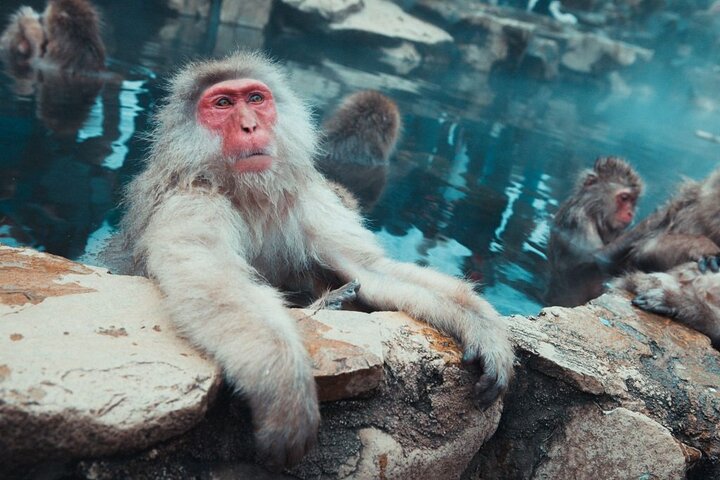
Private Snow Monkey Tour - Conveniently Resort Hop and Sightsee

Snow Monkey Park, Soba Lunch and Shibu Onsen Tour

Snow Monkeys, Obuse & Sake: A Perfect Day in Nagano

Nakasendo Magome & Tsumago in 1 Day with Licensed Guide

1-Day Togakushi Tour: Soba making, Ninjas, and Hidden Shrines

Nagano Snowshoe Hiking Tour

Togakushi: A Serene Walk Through Sacred Forests & Soba Traditions

Togakushi Shrine Private Tour with English Local Guide


 Best Backpacking
.jpg) Hi, I’m Johan (Netherlands 🇳🇱), the creator of TakeYourBackpack. Over the past 3 decades, I’ve backpacked through 90+ countries across six continents, gaining extensive experience with independent travel, long-term trips, and overland routes.
Hi, I’m Johan (Netherlands 🇳🇱), the creator of TakeYourBackpack. Over the past 3 decades, I’ve backpacked through 90+ countries across six continents, gaining extensive experience with independent travel, long-term trips, and overland routes.