×

Japan🇯🇵 | citiesKanazawasamurai district, gold leaf crafts, Kenrokuen garden | things to do and best time to go

Explore FukuokaExplore Matsumoto

Backpacking in Kanazawa
🏆 Top pickcity ranked #9
By Johan Kruseman 🇳🇱 | Updated September 4, 2026

Most people only realize after leaving that Kanazawa is the easiest place in Japan to get “Kyoto-level” culture without Kyoto-level crowds or prices. It sits on the Sea of Japan side of Honshu, roughly halfway up the main island’s west coast, a few hours by train from Tokyo, Kyoto, or Nagano. For backpackers, it’s a compact, walkable city where you can bounce from samurai district to geisha teahouses to Kenrokuen Garden in a single lazy day. Hostels are fewer than in Osaka, so the scene is smaller but friendlier; you actually remember people’s names. It’s safe, calm at night, and cheaper than Tokyo, but nightlife is modest and things shut early. Think: slow-burn, culture-first base, not an all-night party hub.

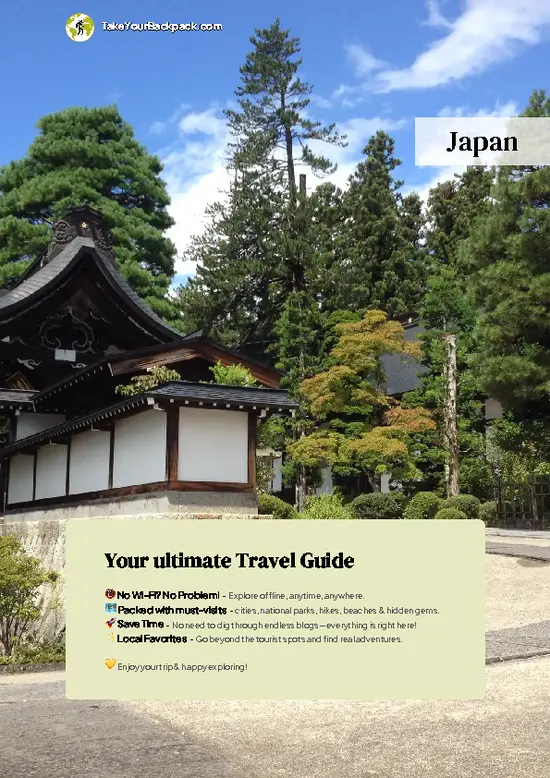
Discover everything you want to know in the 📖 Japan Travel Guide.


Get your Japan guide
140 ranked highlights, routes & tips, works offline (482 pages)
Loading the map 🌍
CLICK TO FILTER
cities
towns
villages
landmarks
national parks
hikes
beaches
attractions
festivals
regions
SHOW COUNTRY’S BESTSHOW ALL

✨ Why go?
Ranked #9 city in Japan
What makes this city worth visiting

Kanazawa is a strategic stop for backpackers weaving through Japan. It offers a rich blend of culture and convenience, making it a perfect basecamp for day trips. The city’s walkability means you can explore its historic districts without breaking a sweat. Affordable hostels provide a social atmosphere, ideal for meeting fellow travelers. When it comes to food, Kanazawa shines with local delicacies that won’t drain your wallet. The nightlife is vibrant yet laid-back, allowing for easy mingling after a day of exploration. Plus, its transport links make onward travel a breeze, whether you’re heading to the mountains or the coast. If you’re after a city that balances highlights with a relaxed vibe, Kanazawa is worth more than just a quick stop.
Want to include Kanazawa in your Japan route?
Create a personalized Japan itinerary that includes Kanazawa and the places that fit your trip — based on your travel style, budget, and available time. Get your route in seconds.

Generate my trip

💡 HighlightsPlaces and moments you shouldn't skip

  • Kenrokuen Garden — One of Japan’s three great gardens: sprawling ponds, teahouses, seasonal displays (cherry blossoms, autumn color, and winter yukitsuri). It’s peaceful, photogenic, and a perfect intro to Kanazawa’s aesthetic.
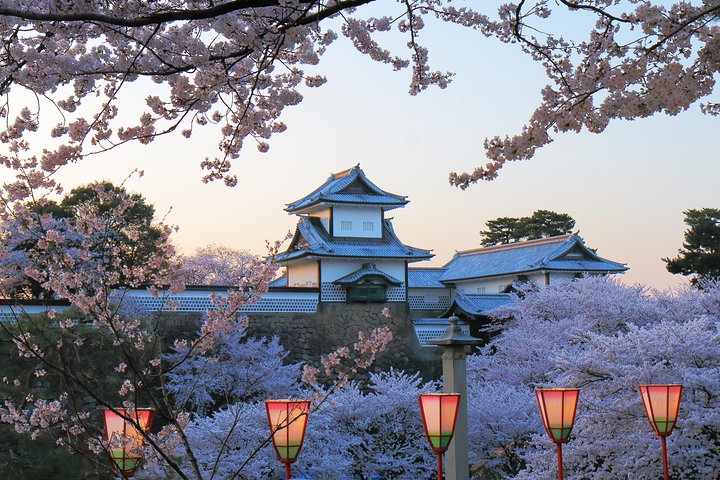
  • Kanazawa Castle Park — Restored turrets, massive stone walls and broad moats sit beside Kenrokuen; great for wandering, history signs, and imagining samurai logistics without hordes of tourists.
  • Higashi Chaya District — Historic geisha/tea-house quarter with wooden facades, atmospheric alleys and a handful of preserved ochaya you can step into (and often a teahouse museum). Evening light along the lantern-lined lanes is quietly magical.
  • Nagamachi Samurai District (Nomura-ke) — Narrow lanes, earthen walls and the Nomura-ke samurai residence museum give a tactile
read more 👉
  • Kenrokuen Garden — One of Japan’s three great gardens: sprawling ponds, teahouses, seasonal displays (cherry blossoms, autumn color, and winter yukitsuri). It’s peaceful, photogenic, and a perfect intro to Kanazawa’s aesthetic.
  • Kanazawa Castle Park — Restored turrets, massive stone walls and broad moats sit beside Kenrokuen; great for wandering, history signs, and imagining samurai logistics without hordes of tourists.
  • Higashi Chaya District — Historic geisha/tea-house quarter with wooden facades, atmospheric alleys and a handful of preserved ochaya you can step into (and often a teahouse museum). Evening light along the lantern-lined lanes is quietly magical.
  • Nagamachi Samurai District (Nomura-ke) — Narrow lanes, earthen walls and the Nomura-ke samurai residence museum give a tactile sense of samurai family life and urban defensive layout from the Edo period.
  • Omicho Market — Lively seafood and produce market that’s ideal for cheap, incredible sashimi bowls, street snacks, and people-watching; a real local pulse point rather than a staged tourist market.
  • 21st Century Museum of Contemporary Art — Circular, approachable museum with playful installations (yes, the famous “Swimming Pool” room) and rotating shows that contrast nicely with Kanazawa’s traditional side.
  • Myoryu-ji (the “Ninja” Temple) — Not actually ninja, but full of clever defensive traps, hidden rooms and deceptive stairways; guided visits reveal how architecture became a form of security in tumultuous times.
  • D.T. Suzuki Museum — Minimalist architecture and contemplative water features honor the Zen philosopher Daisetz Teitaro Suzuki; calming, short, and surprisingly moving if you want a quiet break from sightseeing.
  • Seisonkaku Villa — An exquisitely preserved 19th-century villa with ornate interiors, painted screens and a lovely garden; gives a direct window into elite domestic taste in the late Edo/Meiji era.
  • Yasue Gold Leaf Museum (and nearby gold-leaf workshops) — Kanazawa produces most of Japan’s gold leaf; this small museum plus hands-on workshops and shops (Hakuza/Yasue area) show the craft up close and let you try gilding souvenirs.
Nearby day trips worth planning: Shirakawa-go’s gassho-zukuri village, the Noto Peninsula (Wajima market and rugged coast), and the hot-spring towns of Kaga (Yamanaka/Yamashiro); my personal favorite for a day trip is Shirakawa-go.
Spotted a mistake or missing something? Contact us.

Things to do in Kanazawa

Ratings based on Tripadvisor reviews. When you book through this link, you support our work at no extra cost to you.

🏘️ NeighborhoodsWhere things are and how it's laid out

Kanazawa is a treasure trove of culture and history, perfect for backpackers seeking a blend of tradition and modernity. Here’s how the neighborhoods stack up:

Higashi Chaya District: This historic geisha district is a must-see. The vibe is enchanting, with traditional wooden buildings lining the streets. Costs can be higher here, especially for food and souvenirs, but the experience is worth it. It’s walkable, making it easy to explore. Perfect for short stays focused on culture.

Kanazawa Castle Area: A blend of history and green space, this area is ideal for leisurely strolls. The castle grounds are free to enter, and you can soak in the serene atmosphere. It’s budget-friendly and great for longer stays, with easy access to public transport. Nightlife is low-key, perfect for those who … read more 👉
Kanazawa is a treasure trove of culture and history, perfect for backpackers seeking a blend of tradition and modernity. Here’s how the neighborhoods stack up:

Higashi Chaya District: This historic geisha district is a must-see. The vibe is enchanting, with traditional wooden buildings lining the streets. Costs can be higher here, especially for food and souvenirs, but the experience is worth it. It’s walkable, making it easy to explore. Perfect for short stays focused on culture.

Kanazawa Castle Area: A blend of history and green space, this area is ideal for leisurely strolls. The castle grounds are free to enter, and you can soak in the serene atmosphere. It’s budget-friendly and great for longer stays, with easy access to public transport. Nightlife is low-key, perfect for those who prefer quiet evenings.

Nagamachi Samurai District: Step back in time in this well-preserved samurai neighborhood. The vibe is peaceful, with narrow lanes and traditional houses. Costs are moderate, and it’s very walkable. This area suits both short visits and longer explorations, especially if you’re keen on history.

Katamachi: The nightlife hub of Kanazawa, packed with bars and restaurants. It’s lively and energetic, catering to a younger crowd. Costs can vary, but you’ll find options for every budget. It’s less walkable than other areas, so be prepared for some transport. Ideal for short stays focused on nightlife.

⌛️ 1 dayHow to make the most of one day

Kanazawa, Japan, is a treasure trove of culture and history, often overshadowed by its flashier neighbors. With its well-preserved samurai districts, stunning gardens, and a vibrant arts scene, it’s a city that invites exploration at a leisurely pace.

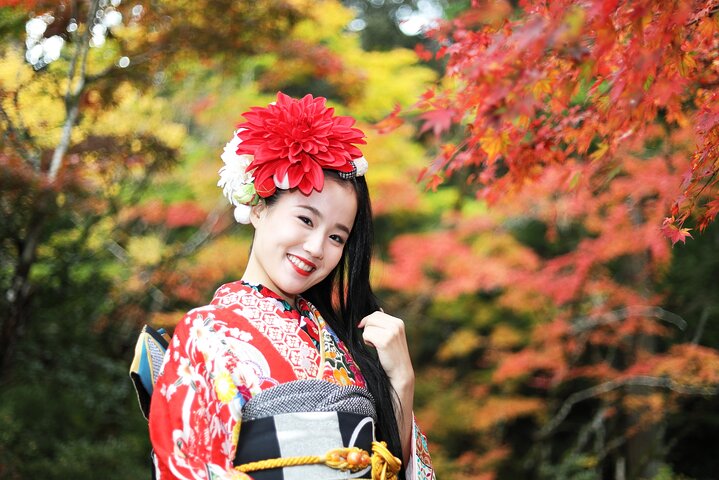
Start your morning in the Higashi Chaya District, where traditional wooden teahouses line the streets. Grab a matcha latte at a local café, then wander through the narrow lanes, soaking in the atmosphere. Don’t miss the chance to peek into a teahouse; the craftsmanship is mesmerizing.

In the afternoon, head to Kenrokuen Garden, one of Japan’s most celebrated gardens. The meticulously curated landscapes are a feast for the senses. Stroll along the paths, and if you’re lucky, you might catch a glimpse of a wedding ceremony taking place in the … read more 👉
Kanazawa, Japan, is a treasure trove of culture and history, often overshadowed by its flashier neighbors. With its well-preserved samurai districts, stunning gardens, and a vibrant arts scene, it’s a city that invites exploration at a leisurely pace.

Start your morning in the Higashi Chaya District, where traditional wooden teahouses line the streets. Grab a matcha latte at a local café, then wander through the narrow lanes, soaking in the atmosphere. Don’t miss the chance to peek into a teahouse; the craftsmanship is mesmerizing.

In the afternoon, head to Kenrokuen Garden, one of Japan’s most celebrated gardens. The meticulously curated landscapes are a feast for the senses. Stroll along the paths, and if you’re lucky, you might catch a glimpse of a wedding ceremony taking place in the serene surroundings. Afterward, visit the Kanazawa Castle nearby. The stone walls and reconstructed buildings tell stories of the past.

As evening approaches, make your way to the Nagamachi Samurai District. Here, you can visit the Nomura Samurai House, which offers a glimpse into the life of a samurai family. For dinner, seek out a local izakaya in the area. Try the fresh seafood; Kanazawa is known for its sushi.

For a unique experience, consider visiting the 21st Century Museum of Contemporary Art. It’s not on every tourist’s radar, but the innovative exhibits are worth your time. Kanazawa is a city that rewards those who take the time to explore its layers.
Turn your Kanazawa visit into an Japan adventure
Build a complete Japan route with Kanazawa, hidden gems, must-see destinations, and realistic travel times included.

Generate my trip

🌤️ When to go?Weather, crowds, and seasonal trade-offs


  • Weather: Kanazawa experiences a humid climate with wet summers and cold winters. Spring and autumn offer the most stable, pleasant weather, avoiding the heavy rains of June and the snow-heavy winters.

  • Temperature: Spring averages 10-20°C (50-68°F), comfortable for hiking and city strolls. Autumn cools down to 8-15°C (46-59°F), crisp but not freezing, perfect for layered packing.

  • Daylight Hours: Spring and autumn provide balanced daylight, roughly 11-13 hours, enough time to explore without rushing but not so long that you burn out.

  • Crowds: Peak tourist seasons hit during cherry blossom in April and autumn foliage in November. Visiting just before or after these windows means fewer tourists and more breathing room.

  • Seasonal Activities: Spring brings cherry blossoms and tea ceremonies;
read more 👉

  • Weather: Kanazawa experiences a humid climate with wet summers and cold winters. Spring and autumn offer the most stable, pleasant weather, avoiding the heavy rains of June and the snow-heavy winters.

  • Temperature: Spring averages 10-20°C (50-68°F), comfortable for hiking and city strolls. Autumn cools down to 8-15°C (46-59°F), crisp but not freezing, perfect for layered packing.

  • Daylight Hours: Spring and autumn provide balanced daylight, roughly 11-13 hours, enough time to explore without rushing but not so long that you burn out.

  • Crowds: Peak tourist seasons hit during cherry blossom in April and autumn foliage in November. Visiting just before or after these windows means fewer tourists and more breathing room.

  • Seasonal Activities: Spring brings cherry blossoms and tea ceremonies; autumn showcases vibrant foliage and harvest festivals. Both seasons offer cultural depth without the summer humidity or winter chill.

  • Price Fluctuations: Accommodation and transport costs spike during peak bloom and foliage periods. Shoulder seasons in late March or early December offer better deals without sacrificing much in experience.


Pro-tip: Aim for late March or mid-October to balance weather, crowds, and costs—this is when Kanazawa feels like it’s just for you, not the tour buses.


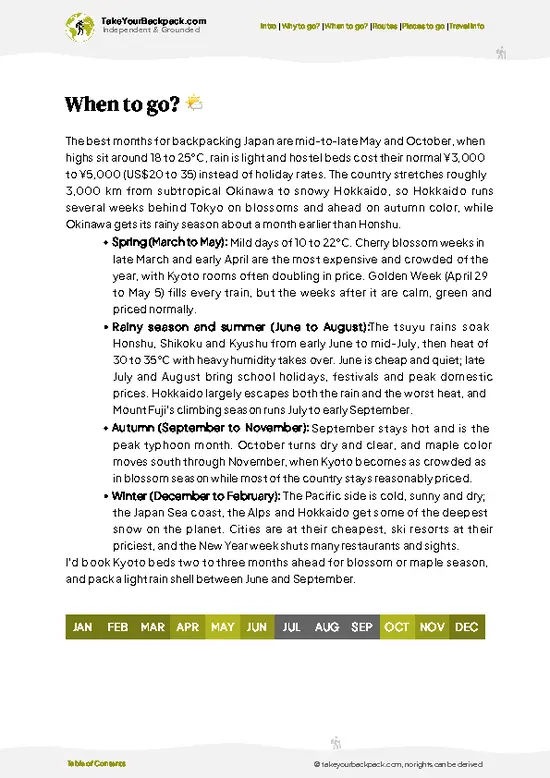
source: climatestotravel.comJANJanuary: fair for travelingFEBFebruary: fair for travelingMARMarch: highly recommended for travelingAPRApril: excellent for travelingMAYMay: highly recommended for travelingJUNJune: fair for travelingJULJuly: fair for travelingAUGAugust: fair for travelingSEPSeptember: good for travelingOCTOctober: highly recommended for travelingNOVNovember: excellent for travelingDECDecember: highly recommended for traveling
when-to-go

✈️ The backpacker research shortcutJapan Travel Guide

An offline-friendly backpacking guide with optimized travel routes, ranked highlights, transport advice, and the best areas to stay.
example page 0 from our offline Travel Guide for Japan
example page 1 from our offline Travel Guide for Japan
example page 2 from our offline Travel Guide for Japan
example page 3 from our offline Travel Guide for Japan
example page 4 from our offline Travel Guide for Japan
example page 5 from our offline Travel Guide for Japan
example page 6 from our offline Travel Guide for Japan
example page 7 from our offline Travel Guide for Japan
The digital guide (482 pages) contains:
140 highlights, ranked by travel appeal
Optimized 7, 14 & 21-day travel routes
Cities, national parks, landmarks, beaches
How to get around
Offline-friendly for travel without Wi-Fi
👉 Click to see all 30+ guide features

📅 Plan smarter in minutes, not weeks
Month by month travel advice
Festivals & national holidays
Budget expectations

🗺️ Go to the right places, skip the overrated ones
Honest pros & cons of destinations
Top hikes, parks & viewpoints
Lesser-known places most travelers miss
Clear “worth it vs skip it” guidance

🛏️ Travel smoothly without rookie mistakes
Best areas to stay
Transport systems explained simply
Common scams & safety advice
SIM cards, money & practical tips

🌍 Understand the country, not just visit it
Culture & traditions
52 Essential phrases & customs
Festivals worth planning around
Traveler-friendly historical context
Insights that make places more meaningful

📱 Built for real travel conditions
Fully downloadable PDF
Works completely offline
Optimized for phone use
Useful in remote areas & buses
Everything in one place
Save weeks of stressful planning
Get instant access to your full guide. 30‑day money-back guarantee.
+ Add another guide for just US$7.80

By proceeding you agree to our terms.
Sent to your inbox immediately after payment • 100% Secure Checkout
Best Backpacking Travel Advisor 2025 tourism awardBest Backpacking
Travel Advisor
2025
What others say about Take Your Backpack Guides:
⭐⭐⭐⭐⭐
Fantastic, amazing amount of information!
⭐⭐⭐⭐⭐
My goodness this is amazing, it's what I've been looking for hats off too you!
⭐⭐⭐⭐⭐
I think this is absolutely BRILLIANT
⭐⭐⭐⭐
Very complete and informative. It's still missing places, but I gotta to commend you
⭐⭐⭐⭐⭐
This is truly amazing, thank you, can't wait to explore it with my kids!
⭐⭐⭐⭐⭐
Awesome resource, thank you!
⭐⭐⭐⭐⭐
This is amazing! Can't wait to explore the ones I haven't seen
⭐⭐⭐⭐
I love this! Well done, great idea.
⭐⭐⭐⭐⭐
Thanks for taking the time to make this gem!
⭐⭐⭐⭐⭐
This might be the best website I've ever seen.
⭐⭐⭐⭐⭐
Congratulations, and thank you so much for your work; it's incredibly valuable.
⭐⭐⭐⭐
In all seriousness I think you did a great job pointing out the important spots
⭐⭐⭐⭐⭐
10/10 very good
⭐⭐⭐⭐⭐
As someone who's only just starting to visit regularly this is awesome, thank you.
⭐⭐⭐⭐
Thank you very much! I'm going to visit my dad, it's going to be very useful!
⭐⭐⭐⭐⭐
This is really cool! We'll be travelling for the first time and this definitely come in handy.
⭐⭐⭐⭐⭐
You are now our minister of culture, congratulations 👨‍💼
⭐⭐⭐⭐⭐
Just wanted to tell you that this is a pearl! Going to follow your recommendations.
⭐⭐⭐⭐⭐
This is so cool. I'll definitely be using the resource for my travels soon.
⭐⭐⭐⭐⭐
This is very impressive! Good work.
⭐⭐⭐⭐⭐
This is an amazing and informative site. Very well done!

🛏️ Where to stay?How to pick the right area

Kanazawa’s best backpacker zone is the area around Kanazawa Station and the nearby Katamachi district. Staying near the station nails the convenience factor—you’re a quick walk from buses, trains, and the airport limousine. This spot is safe, well-lit, and buzzing enough to meet fellow travelers without the chaos of a big city. Hostels here tend to be affordable and social, making it easy to swap stories or plan day trips.

Katamachi, just a short stroll from the station, offers a livelier vibe with bars, cafes, and eateries that cater to younger crowds and solo adventurers. It’s where you’ll … read more 👉
Kanazawa’s best backpacker zone is the area around Kanazawa Station and the nearby Katamachi district. Staying near the station nails the convenience factor—you’re a quick walk from buses, trains, and the airport limousine. This spot is safe, well-lit, and buzzing enough to meet fellow travelers without the chaos of a big city. Hostels here tend to be affordable and social, making it easy to swap stories or plan day trips.

Katamachi, just a short stroll from the station, offers a livelier vibe with bars, cafes, and eateries that cater to younger crowds and solo adventurers. It’s where you’ll find a mix of budget guesthouses and hostels that encourage mingling. Compared to the quieter Higashi Chaya district, which is more about traditional tea houses and less about social energy, Katamachi hits the sweet spot for backpackers wanting both comfort and connection.

If you stray too far into residential neighborhoods, you’ll gain calm but lose the pulse of the city’s social scene and easy access to transport. For backpackers, that trade-off rarely pays off.

🚌 Getting aroundGetting around like a local

Kanazawa moves at a pace that feels like a well-rehearsed haiku—precise, deliberate, and quietly efficient. It’s not a city where you’ll find the frantic rush of Tokyo or the laid-back drift of a beach town. Instead, Kanazawa’s rhythm is a blend of punctual public transport and pedestrian-friendly streets, where timing matters but there’s room for a moment to savor the surroundings. The flow here rewards those who understand the trade-offs between time, money, and comfort, turning transit choices into a strategic game rather than a chore.


  • Walking: Kanazawa’s compact city center is a walker’s dream. Most major sights like Kenrokuen Garden, the 21st Century Museum, and the Higashi Chaya District are within a 20-30 minute stroll of each other. Zero cost, full control over your pace, and the
read more 👉
Kanazawa moves at a pace that feels like a well-rehearsed haiku—precise, deliberate, and quietly efficient. It’s not a city where you’ll find the frantic rush of Tokyo or the laid-back drift of a beach town. Instead, Kanazawa’s rhythm is a blend of punctual public transport and pedestrian-friendly streets, where timing matters but there’s room for a moment to savor the surroundings. The flow here rewards those who understand the trade-offs between time, money, and comfort, turning transit choices into a strategic game rather than a chore.


  • Walking: Kanazawa’s compact city center is a walker’s dream. Most major sights like Kenrokuen Garden, the 21st Century Museum, and the Higashi Chaya District are within a 20-30 minute stroll of each other. Zero cost, full control over your pace, and the chance to soak in street-level details make walking the highest-value option for budget travelers who want to maximize experience over speed.


  • Kanazawa Loop Bus: This circular bus route connects key tourist spots with a flat fare of around 200 yen per ride or 500 yen for a day pass. Runs roughly from 7:30 AM to 6:30 PM. It’s slower than walking in some cases but saves energy and time when hopping between farther points like Kanazawa Castle and the Nagamachi Samurai District. Comfort is basic but reliable, with frequent stops.


  • Local City Bus: For destinations beyond the loop, local buses run from early morning (around 6 AM) until about 10 PM. Single fares hover around 210 yen, with IC card options for convenience. These buses cover a wider area but require attention to schedules and routes, so they reward travelers who plan ahead. Comfort is modest; expect standing room during peak hours.


  • JR West Kanazawa Station Shuttle: If you’re arriving or departing by train, the shuttle buses from Kanazawa Station to nearby suburbs or tourist spots like the Noto Peninsula are a solid choice. Prices vary but generally start around 500 yen. These shuttles run on fixed schedules aligned with train arrivals, offering a balance of comfort and punctuality, though they’re less frequent than city buses.

👛 Costs (as of 4 September 2026)What things cost and how to budget

Backpacking in Kanazawa offers a fascinating blend of tradition and modernity, but knowing the daily costs upfront lets you play the budget game smartly. Here’s the breakdown:
  • Dorm Accommodation (High Season): Expect to pay around $25 to $35 per night. High season, typically spring and autumn, pushes prices up due to tourist demand, especially near the city center or popular guesthouses.
  • Dorm Accommodation (Off-Season): In quieter months, prices drop to about $15 to $25. This is when you can snag a spot in a clean, well-located hostel without breaking the bank.
  • Meals: Budget meals like convenience store bento boxes or small local eateries cost between $6 and $12 per meal. Splurge a bit on a fresh sushi or kaiseki lunch, and you’re looking at $15 to $25, but street food and markets keep
read more 👉
Backpacking in Kanazawa offers a fascinating blend of tradition and modernity, but knowing the daily costs upfront lets you play the budget game smartly. Here’s the breakdown:
  • Dorm Accommodation (High Season): Expect to pay around $25 to $35 per night. High season, typically spring and autumn, pushes prices up due to tourist demand, especially near the city center or popular guesthouses.
  • Dorm Accommodation (Off-Season): In quieter months, prices drop to about $15 to $25. This is when you can snag a spot in a clean, well-located hostel without breaking the bank.
  • Meals: Budget meals like convenience store bento boxes or small local eateries cost between $6 and $12 per meal. Splurge a bit on a fresh sushi or kaiseki lunch, and you’re looking at $15 to $25, but street food and markets keep costs low and authentic.
  • Local Transport: Single bus rides within Kanazawa run about $1.50 to $2.50. Taxis are pricey and rarely necessary unless you’re in a rush or traveling late.
  • City Transport Pass: A one-day bus pass costs roughly $6, which is a smart buy if you plan to hop around museums, gardens, and the castle area extensively.
  • Basic Activities/Entry Fees: Most cultural sites like Kenrokuen Garden or the 21st Century Museum charge between $3 and $8. Some temples and smaller museums might be free or ask for a small donation.
  • Miscellaneous Expenses: Think snacks, bottled drinks, or a coffee break—budget around $5 to $10 daily. Wi-Fi cafes or small souvenirs might push this higher, but it’s easy to keep in check.

All told, you’re looking at a daily budget ranging from about $40 on the lean side during off-season to $70 if you lean into comfort and convenience during peak times. Kanazawa rewards those who balance time and money wisely—skip the taxi, grab a city pass, and savor the local eats to stretch your dollars without missing the essence of the city.
⚠️ Prices can change and everyone travels differently, so take this as a rough guide. Hope it helps you plan your adventure!

🚌 Day tripsEasy escapes and nearby places

Kanazawa is a fantastic launchpad for day trips that blend culture, nature, and local flavor. Here are some standout options that make the most of your time and money.

Noto Peninsula
A scenic drive along the Noto Peninsula reveals rugged coastlines and traditional fishing villages. The journey takes about two hours, and you’ll want to budget around ¥2,000 for transportation. Don’t miss the Wajima Morning Market for fresh seafood and local crafts. Many first-timers underestimate the time needed to explore the area, so plan for a full day to soak it all in.


Shirakawa-go
This UNESCO World Heritage site is famous for its gassho-zukuri farmhouses, some over 250 years old. It’s about a 90-minute bus ride from Kanazawa, costing around ¥2,500 round-trip. The best time to visit is in winter … read more 👉
Kanazawa is a fantastic launchpad for day trips that blend culture, nature, and local flavor. Here are some standout options that make the most of your time and money.

Noto Peninsula
A scenic drive along the Noto Peninsula reveals rugged coastlines and traditional fishing villages. The journey takes about two hours, and you’ll want to budget around ¥2,000 for transportation. Don’t miss the Wajima Morning Market for fresh seafood and local crafts. Many first-timers underestimate the time needed to explore the area, so plan for a full day to soak it all in.


Shirakawa-go
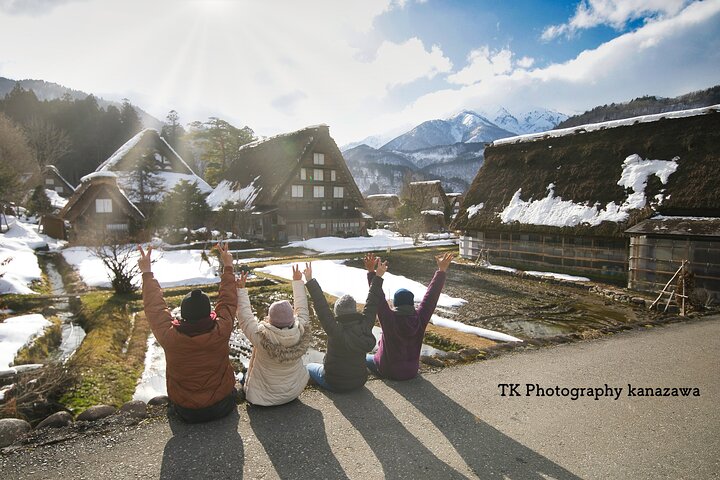
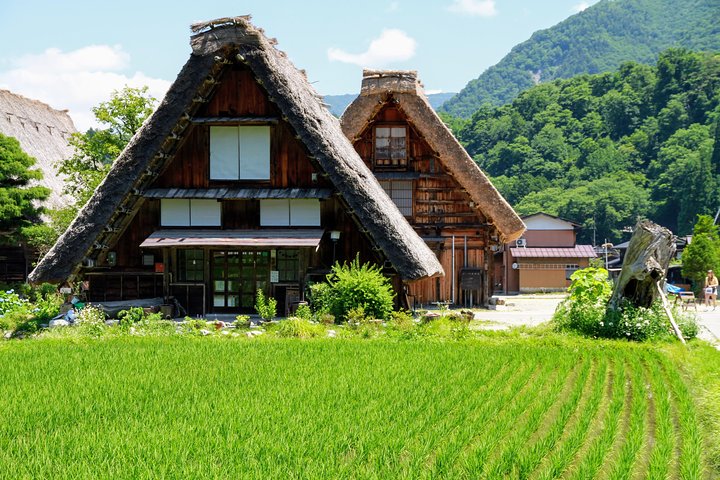
This UNESCO World Heritage site is famous for its gassho-zukuri farmhouses, some over 250 years old. It’s about a 90-minute bus ride from Kanazawa, costing around ¥2,500 round-trip. The best time to visit is in winter when the thatched roofs are blanketed in snow, creating a postcard-perfect scene. A common mistake is to rush through; take your time to wander the village and enjoy the local cuisine.
👉 Explore Shirakawa-go

Kaga Onsen
Just an hour away, Kaga Onsen offers a relaxing retreat with its famous hot springs. Expect to spend around ¥1,500 for the train. Each onsen has its own unique charm, but be sure to try the outdoor baths surrounded by nature. Many backpackers overlook the cultural etiquette of onsen bathing, so familiarize yourself with the rules to fully enjoy the experience.


Takaoka
About 50 minutes from Kanazawa, Takaoka is known for its stunning bronze statues and the historic Zuiryu-ji Temple. The train fare is roughly ¥1,200. The best time to visit is during the spring cherry blossom season, when the temple grounds are particularly picturesque. A common pitfall is not checking the temple’s opening hours, so plan ahead to avoid disappointment.
Want to know what more Japan offers?
The Japan Travel Guide describes 140 highlights, from cities to national parks, from beaches to hikes

Get the Travel Guide -

🍲 FoodWhat to Eat & Drink

In Kanazawa, the food scene is a delightful maze of flavors and textures. Start with Kaiseki, a multi-course meal that showcases seasonal ingredients. Each dish is a work of art, reflecting the region’s rich culinary heritage. Don’t miss Jibuni, a savory stew of duck and vegetables, simmered to perfection.

For a quick bite, head to the Omicho Market. The air is thick with the scent of fresh seafood. Try sushi made from local fish, or grab a bowl of Kaga vegetables tempura. Street food stalls offer yakitori and dango, perfect for munching as you stroll.

When it comes to drinks, Kanazawa is known for its sake. Visit a local brewery for a tasting; the flavors range from fruity to earthy. Remember, it’s customary to pour for others before filling your own glass. This simple act fosters connection … read more 👉
In Kanazawa, the food scene is a delightful maze of flavors and textures. Start with Kaiseki, a multi-course meal that showcases seasonal ingredients. Each dish is a work of art, reflecting the region’s rich culinary heritage. Don’t miss Jibuni, a savory stew of duck and vegetables, simmered to perfection.

For a quick bite, head to the Omicho Market. The air is thick with the scent of fresh seafood. Try sushi made from local fish, or grab a bowl of Kaga vegetables tempura. Street food stalls offer yakitori and dango, perfect for munching as you stroll.

When it comes to drinks, Kanazawa is known for its sake. Visit a local brewery for a tasting; the flavors range from fruity to earthy. Remember, it’s customary to pour for others before filling your own glass. This simple act fosters connection and camaraderie, making every sip a shared experience. Embrace the local customs, and you’ll savor more than just the food.

🛡️ SafetySafety Tips and Common Scams in Kanazawa

Kanazawa is generally safe, but a few nuances can enhance your experience. Stay alert in crowded areas like the Omicho Market, where pickpockets might lurk. If you’re solo, the city feels welcoming, but avoid dimly lit streets at night. Stick to well-trafficked routes, especially around the Kenrokuen Garden area.

Scams are rare, but be cautious of overly friendly locals offering unsolicited help; they might expect a tip. Everyday annoyances include language barriers—download a translation app to ease communication. Carry yourself with confidence; a relaxed demeanor often disarms potential issues. Embrace the local culture, and you’ll find Kanazawa to be a delightful and manageable adventure.

FAQTraveler FAQ

2 to 3 days are sufficient to explore Kanazawa's main attractions, including Kenrokuen Garden, Kanazawa Castle, and the Higashi Chaya District. This allows time to visit museums and enjoy local cuisine without rushing.
Yes, Kanazawa is safe for solo backpackers. The city has low crime rates and a friendly atmosphere, making it easy to navigate on foot or by public transport even at night.
Kanazawa is known for its well-preserved Edo-period districts, traditional crafts like gold leaf production, and Kenrokuen, one of Japan's top three gardens. It also has a rich samurai history and vibrant seafood markets.
⚠️ Things can change over time, so always validate details locally before you go.

Other Japanese cities near Kanazawa

Explore more nearby:

  • Toyama—alpine gateway, glass art, seafood markets| 52 km away
  • Fukui—dinosaur museum, Zen temples, rugged coastline| 67 km away
  • Matsumoto—alpine views, black castle, local art scene| 123 km away

💡 Not sure where to go next?
Create a personalized itinerary for Japan including Kanazawa and the places that fit your trip.

Generate my itinerary

👉 Discover all cities

Or checkout all Japan has to offer (think cities, towns, villages, national parks, hikes, beaches, festivals)
Country photo of Japan

We 💚 feedbackParting advice and final tips

Kanazawa is a treasure trove of culture, with its stunning Kenrokuen Garden and the historic samurai district. You’ll feel the weight of history here. But be prepared: the weather can be unpredictable, especially in winter. You might face chilly rain instead of the picturesque snow you hoped for. Still, the experience is worth the gamble. Embrace the quirks; they add character to your adventure.

✈️ When did I visit Japan?
As part of my 1.5 year travel around the world trip, I visited Japan in August 2015.

✍️ Help improve this page!
The information on this page is based on my own backpacking experience in Japan, supplemented with up-to-date research and feedback from other travelers. Travel details can change, so if you notice anything outdated or incomplete, feel free to let me know.


🙋‍♂️ Give feedback

👋 Meet the founderWho’s Behind Take Your Backpack?

Johan, backpacker and founder of TakeYourBackpackHi, I’m Johan (Netherlands 🇳🇱), the creator of TakeYourBackpack. Over the past decade, I’ve backpacked through 80+ countries across six continents, gaining extensive experience with independent travel, long-term trips, and overland routes.

This site is built on a combination of firsthand travel experience and carefully curated insights from other backpackers. Many guides are based on places I’ve personally visited, while others bring together tips, observations, and practical advice shared by trusted travelers I’ve met along the way.

The goal is to provide realistic, experience-driven guidance — not generic itineraries — so you can explore destinations with better context, clearer expectations, and more confidence.

Get full Japan guide •
Instant download • 140 highlights • Full Offline guide