×

Japan🇯🇵 | festivalsNagasaki KunchiDutch ships, dragon dances, port city fusion | things to do and best time to go

Explore Kishiwada Danjiri MatsuriExplore Hakata Gion Yamakasa

Backpacking in Nagasaki Kunchi
👀 For curious travelersfestival ranked #19
By Johan Kruseman 🇳🇱 | Updated September 4, 2026

Taiko drums slam through your chest as a dragon-shaped float lunges past, wheels screeching on wet stone, lanterns swinging so close you feel the heat on your face and the spray of sweat from the dancers hauling it uphill. This is Nagasaki Kunchi, in the port city of Nagasaki on Japan’s Kyushu island. It’s a three-day autumn festival mixing Shinto ritual, Chinese influence, and rowdy street-theater energy, with flutes, chants, and booming drums driving everything forward. Locals pack the stands; backpackers cluster at the edges, grinning and confused. It’s crowded, ticketed in prime spots, and not cheap—but the raw, physical intensity earns its place in your itinerary.

Discover everything you want to know in the 📖 Japan Travel Guide.


Get your Japan guide
140 ranked highlights, routes & tips, works offline (482 pages)
Loading the map 🌍
CLICK TO FILTER
cities
towns
villages
landmarks
national parks
hikes
beaches
attractions
festivals
regions
SHOW COUNTRY’S BESTSHOW ALL

✨ Why go?
Ranked #19 festival in Japan
Why visitors keep coming back

Backpackers flock to Nagasaki Kunchi for a jolt of social energy and a taste of temporary community. This festival isn’t just a spectacle; it’s a deep dive into cultural immersion. You’ll witness vibrant parades, traditional dances, and the infectious spirit of locals celebrating their heritage.

Planning your route around Kunchi means you’re not just a spectator; you’re part of something alive and pulsating. Plus, it’s more affordable than many other festivals in Japan, allowing you to save cash for those unforgettable street foods and local crafts. Integrating this festival into your travel plans transforms your journey into a rich tapestry of experiences, making every step feel purposeful and exhilarating.
Want to include Nagasaki Kunchi in your Japan route?
Create a personalized Japan itinerary that includes Nagasaki Kunchi and the places that fit your trip — based on your travel style, budget, and available time. Get your route in seconds.

Generate my trip

💡 HighlightsMust-see experiences and standout moments

  1. Dragon dances (Ryū-odori) — Massive, writhing dragon figures carried and manipulated by teams of performers. It’s loud, hypnotic and ridiculously photogenic; the scale and choreography feel more like a living creature than a float.
  2. Neighborhood ”kumi” performances — Each local district puts on its own theater-like piece — a mix of dance, music, masks, and story. These are hand-me-down traditions, so you get styles and characters unique to each neighborhood rather than a one-size-fits-all parade.
  3. Dutch- and Chinese-influenced acts — Nagasaki was an international port, and it shows: you’ll see performances that reference Chinese dragon and lion dances alongside a playful “Dutch ship” number. That East-meets-Japan vibe is the festival’s most unusual cultural fingerprint.
  4. Suwa Shrine ceremonies
read more 👉
  1. Dragon dances (Ryū-odori) — Massive, writhing dragon figures carried and manipulated by teams of performers. It’s loud, hypnotic and ridiculously photogenic; the scale and choreography feel more like a living creature than a float.
  2. Neighborhood ”kumi” performances — Each local district puts on its own theater-like piece — a mix of dance, music, masks, and story. These are hand-me-down traditions, so you get styles and characters unique to each neighborhood rather than a one-size-fits-all parade.
  3. Dutch- and Chinese-influenced acts — Nagasaki was an international port, and it shows: you’ll see performances that reference Chinese dragon and lion dances alongside a playful “Dutch ship” number. That East-meets-Japan vibe is the festival’s most unusual cultural fingerprint.
  4. Suwa Shrine ceremonies and mikoshi — The shrine rituals give the whole thing ritual weight: solemn blessings, taiko drumming, lanterns, and the portable shrine processions weaving through the crowds. It’s the spiritual backbone that contrasts nicely with the louder spectacle.
  5. Street atmosphere, food stalls, and local flavors — One part festival, one part food market. Expect local Nagasaki eats (think hearty noodle dishes and sweets), yakitori and festival snacks, plus shops selling crafts and masks. It’s where the sensory overload becomes warm and friendly.


Personal favorite: the dragon dances — nothing else hits you like a long line of people making a dragon come alive under lantern light.
Spotted a mistake or missing something? Contact us.

Things to do around Nagasaki Kunchi

Ratings based on Tripadvisor reviews. When you book through this link, you support our work at no extra cost to you.

🌤️ When to go?When is the celebration of Nagasaki Kunchi?


  • Topic: Weather and Temperature — Nagasaki Kunchi runs in early October when the heat of summer fades but the chill of late autumn hasn’t set in. Expect mild days around 20-24°C (68-75°F) and cooler nights dipping to 15°C (59°F). Pack layers; mornings and evenings can surprise you.

  • Topic: Daylight Hours — October offers roughly 11-12 hours of daylight, enough to soak in the festival’s vibrant parades and performances without rushing. The sun sets early enough to catch the illuminated floats, a highlight you don’t want to miss.

  • Topic: Crowds — This festival draws locals and tourists alike, so expect busy streets, especially on weekends. Arriving midweek can save you from shoulder-to-shoulder crowds and give you breathing room to explore the intricate floats and street food stalls.

  • Topic:
read more 👉

  • Topic: Weather and Temperature — Nagasaki Kunchi runs in early October when the heat of summer fades but the chill of late autumn hasn’t set in. Expect mild days around 20-24°C (68-75°F) and cooler nights dipping to 15°C (59°F). Pack layers; mornings and evenings can surprise you.

  • Topic: Daylight Hours — October offers roughly 11-12 hours of daylight, enough to soak in the festival’s vibrant parades and performances without rushing. The sun sets early enough to catch the illuminated floats, a highlight you don’t want to miss.

  • Topic: Crowds — This festival draws locals and tourists alike, so expect busy streets, especially on weekends. Arriving midweek can save you from shoulder-to-shoulder crowds and give you breathing room to explore the intricate floats and street food stalls.

  • Topic: Seasonal Activities — October is prime for autumn foliage around Nagasaki, adding a natural backdrop to the festival’s energy. Combine cultural immersion with scenic hikes nearby to balance the urban buzz with nature’s calm.

  • Topic: Price Fluctuations — Accommodation and transport prices spike during the festival’s peak days. Booking early or targeting weekdays can keep your budget intact, letting you spend on experiences rather than last-minute surges.


Pro-tip: Time your visit for early October weekdays to dodge the crush, enjoy crisp weather, and catch the festival’s full pulse without burning out your energy or wallet.


source: climatestotravel.comJANJanuary: not recommended for travelingFEBFebruary: not recommended for travelingMARMarch: not recommended for travelingAPRApril: not recommended for travelingMAYMay: not recommended for travelingJUNJune: not recommended for travelingJULJuly: not recommended for travelingAUGAugust: not recommended for travelingSEPSeptember: not recommended for travelingOCTOctober: excellent for travelingNOVNovember: not recommended for travelingDECDecember: not recommended for traveling

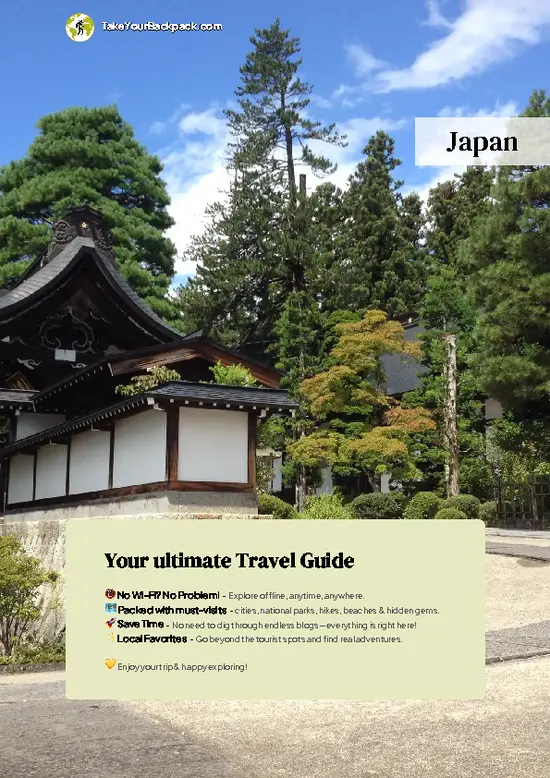
✈️ The backpacker research shortcutJapan Travel Guide

An offline-friendly backpacking guide with optimized travel routes, ranked highlights, transport advice, and the best areas to stay.
example page 0 from our offline Travel Guide for Japan
example page 1 from our offline Travel Guide for Japan
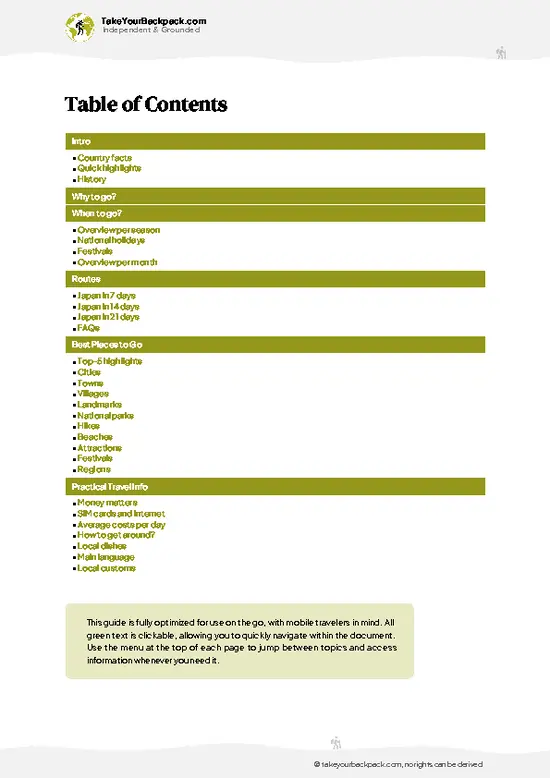
example page 2 from our offline Travel Guide for Japan
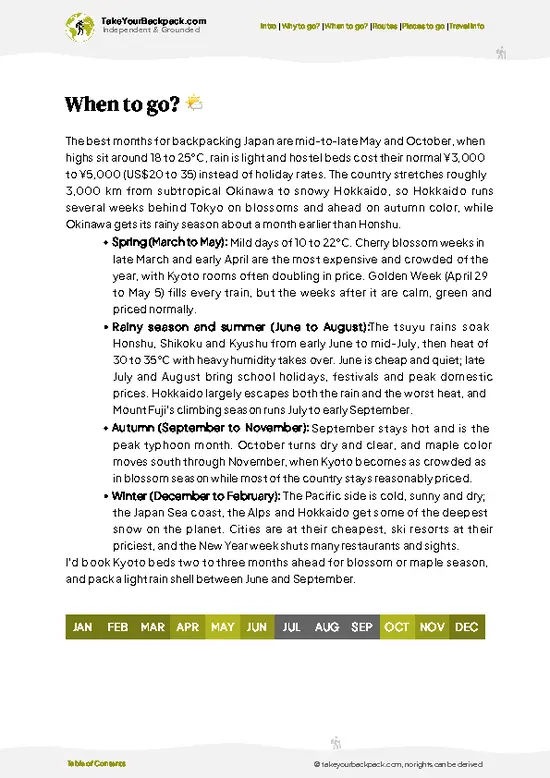
example page 3 from our offline Travel Guide for Japan
example page 4 from our offline Travel Guide for Japan
example page 5 from our offline Travel Guide for Japan
example page 6 from our offline Travel Guide for Japan
example page 7 from our offline Travel Guide for Japan
The digital guide (482 pages) contains:
140 highlights, ranked by travel appeal
Optimized 7, 14 & 21-day travel routes
Cities, national parks, landmarks, beaches
How to get around
Offline-friendly for travel without Wi-Fi
👉 Click to see all 30+ guide features

📅 Plan smarter in minutes, not weeks
Month by month travel advice
Festivals & national holidays
Budget expectations

🗺️ Go to the right places, skip the overrated ones
Honest pros & cons of destinations
Top hikes, parks & viewpoints
Lesser-known places most travelers miss
Clear “worth it vs skip it” guidance

🛏️ Travel smoothly without rookie mistakes
Best areas to stay
Transport systems explained simply
Common scams & safety advice
SIM cards, money & practical tips

🌍 Understand the country, not just visit it
Culture & traditions
52 Essential phrases & customs
Festivals worth planning around
Traveler-friendly historical context
Insights that make places more meaningful

📱 Built for real travel conditions
Fully downloadable PDF
Works completely offline
Optimized for phone use
Useful in remote areas & buses
Everything in one place
Save weeks of stressful planning
Get instant access to your full guide. 30‑day money-back guarantee.
+ Add another guide for just US$7.80

By proceeding you agree to our terms.
Sent to your inbox immediately after payment • 100% Secure Checkout
Best Backpacking Travel Advisor 2025 tourism awardBest Backpacking
Travel Advisor
2025
What others say about Take Your Backpack Guides:
⭐⭐⭐⭐⭐
Fantastic, amazing amount of information!
⭐⭐⭐⭐⭐
My goodness this is amazing, it's what I've been looking for hats off too you!
⭐⭐⭐⭐⭐
I think this is absolutely BRILLIANT
⭐⭐⭐⭐
Very complete and informative. It's still missing places, but I gotta to commend you
⭐⭐⭐⭐⭐
This is truly amazing, thank you, can't wait to explore it with my kids!
⭐⭐⭐⭐⭐
Awesome resource, thank you!
⭐⭐⭐⭐⭐
This is amazing! Can't wait to explore the ones I haven't seen
⭐⭐⭐⭐
I love this! Well done, great idea.
⭐⭐⭐⭐⭐
Thanks for taking the time to make this gem!
⭐⭐⭐⭐⭐
This might be the best website I've ever seen.
⭐⭐⭐⭐⭐
Congratulations, and thank you so much for your work; it's incredibly valuable.
⭐⭐⭐⭐
In all seriousness I think you did a great job pointing out the important spots
⭐⭐⭐⭐⭐
10/10 very good
⭐⭐⭐⭐⭐
As someone who's only just starting to visit regularly this is awesome, thank you.
⭐⭐⭐⭐
Thank you very much! I'm going to visit my dad, it's going to be very useful!
⭐⭐⭐⭐⭐
This is really cool! We'll be travelling for the first time and this definitely come in handy.
⭐⭐⭐⭐⭐
You are now our minister of culture, congratulations 👨‍💼
⭐⭐⭐⭐⭐
Just wanted to tell you that this is a pearl! Going to follow your recommendations.
⭐⭐⭐⭐⭐
This is so cool. I'll definitely be using the resource for my travels soon.
⭐⭐⭐⭐⭐
This is very impressive! Good work.
⭐⭐⭐⭐⭐
This is an amazing and informative site. Very well done!

🛏️ Where to stay?Choosing the right base

When diving into the vibrant chaos of Nagasaki Kunchi, your base matters. Aim for the neighborhoods around Dejima and the Nagasaki Chinatown area. These spots buzz with energy and are packed with fellow travelers. You’ll find plenty of budget-friendly guesthouses and shared spaces where stories flow as freely as the local sake.

Staying near the waterfront gives you easy access to festival events and stunning views. Plus, the close-knit vibe fosters camaraderie among backpackers.

Avoid the tourist traps by steering clear of overly commercialized areas. Instead, seek out local eateries and markets … read more 👉
When diving into the vibrant chaos of Nagasaki Kunchi, your base matters. Aim for the neighborhoods around Dejima and the Nagasaki Chinatown area. These spots buzz with energy and are packed with fellow travelers. You’ll find plenty of budget-friendly guesthouses and shared spaces where stories flow as freely as the local sake.

Staying near the waterfront gives you easy access to festival events and stunning views. Plus, the close-knit vibe fosters camaraderie among backpackers.

Avoid the tourist traps by steering clear of overly commercialized areas. Instead, seek out local eateries and markets where you can savor authentic flavors without breaking the bank. This way, you preserve your energy and budget for the festival’s unforgettable moments.

👛 Costs (as of 4 September 2026)Money, prices, and spending tips

Nagasaki Kunchi is a vibrant celebration that demands your attention, but it’s essential to budget wisely to make the most of your experience. Here’s a breakdown of what you can expect to spend as an independent traveler.
  • Festival Tickets: Entry to the main events is generally free, but some special performances or reserved seating can cost around €10-€30 ($10-$35). Keep an eye out for any workshops or activities that might have a fee, usually in the same range.
  • Accommodation: Prices vary widely. Hostels can start at €20-€40 ($22-$45) per night, while mid-range hotels typically range from €70-€150 ($75-$160). Book early to snag the best deals, as places fill up fast during the festival.
  • Local Transport: Public transport is efficient. A one-way bus or tram ticket costs about €1-€2 ($1-$2.50).
read more 👉
Nagasaki Kunchi is a vibrant celebration that demands your attention, but it’s essential to budget wisely to make the most of your experience. Here’s a breakdown of what you can expect to spend as an independent traveler.
  • Festival Tickets: Entry to the main events is generally free, but some special performances or reserved seating can cost around €10-€30 ($10-$35). Keep an eye out for any workshops or activities that might have a fee, usually in the same range.
  • Accommodation: Prices vary widely. Hostels can start at €20-€40 ($22-$45) per night, while mid-range hotels typically range from €70-€150 ($75-$160). Book early to snag the best deals, as places fill up fast during the festival.
  • Local Transport: Public transport is efficient. A one-way bus or tram ticket costs about €1-€2 ($1-$2.50). If you plan to explore beyond the festival, consider a day pass for around €5-€10 ($5-$11). Taxis are available but can add up quickly, so use them sparingly.
  • Food & Drinks: Street food is a highlight, with prices ranging from €3-€10 ($3.50-$11) for a meal. Restaurants will set you back about €10-€30 ($11-$35) per meal. Don’t forget to budget for drinks; local beers are around €3-€5 ($3.50-$6), while sake can be a bit pricier.
  • Miscellaneous Expenses: This includes souvenirs, snacks, and any unexpected costs. Set aside about €20-€50 ($22-$55) for extras. It’s easy to get caught up in the excitement, so having a buffer can save you from overspending.

Planning ahead will keep your energy focused on the festival’s magic rather than on financial stress. Enjoy the experience!


source: nagasaki-tabinet.com
⚠️ Prices can change and everyone travels differently, so take this as a rough guide. Hope it helps you plan your adventure!

🍲 FoodLocal Flavors for Backpackers

At the Nagasaki Kunchi, food is as vibrant as the festival itself. Dive into local specialties like champon, a hearty noodle dish packed with seafood and vegetables, or savor kakuni, tender braised pork that melts in your mouth. Stalls overflow with yakitori skewers, grilled to perfection, and sweet treats like dango that are perfect for a quick energy boost.

For drinks, don’t miss the chance to sip on local sake or refreshing shochu. Both are staples here and elevate the experience.

When navigating the stalls, be ready to share your finds with friends; it’s part of the fun. Lines can get long, so patience is key. Bring cash—many vendors don’t accept cards. Serving sizes are generous, so pace yourself; you want to enjoy every bite of this culinary adventure!

FAQFrequently asked questions about Nagasaki Kunchi

Nagasaki Kunchi takes place annually from October 7th to October 9th. The festival lasts for three days and is held in Nagasaki City, Japan.
Attending Nagasaki Kunchi is free of charge. There are no entrance fees to watch the main events and parades.
No, you do not need tickets in advance to attend Nagasaki Kunchi. The festival is open to the public and accessible without prior reservations.
⚠️ Things can change over time, so always validate details locally before you go.

Other Japanese festivals near Nagasaki Kunchi

Explore more nearby:


💡 Not sure where to go next?
Create a personalized itinerary for Japan including Nagasaki Kunchi and the places that fit your trip.

Generate my itinerary

👉 Discover all festivals

Or checkout all Japan has to offer (think cities, towns, villages, national parks, hikes, beaches, festivals)
Country photo of Japan

We 💚 feedbackKey takeaways before you go

Nagasaki Kunchi is a vibrant explosion of culture, where ancient traditions collide with the thrill of the festival. You’ll feel the energy pulse through the streets. But brace yourself: accommodation can be a scramble. Book early or risk sleeping in a capsule hotel. Embrace the chaos; it’s all part of the adventure.

✈️ When did I visit Japan?
As part of my 1.5 year travel around the world trip, I visited Japan in August 2015.

✍️ Help improve this page!
The information on this page is based on my own backpacking experience in Japan, supplemented with up-to-date research and feedback from other travelers. Travel details can change, so if you notice anything outdated or incomplete, feel free to let me know.


🙋‍♂️ Give feedback

👋 Meet the founderWho’s Behind Take Your Backpack?

Johan, backpacker and founder of TakeYourBackpackHi, I’m Johan (Netherlands 🇳🇱), the creator of TakeYourBackpack. Over the past decade, I’ve backpacked through 80+ countries across six continents, gaining extensive experience with independent travel, long-term trips, and overland routes.

This site is built on a combination of firsthand travel experience and carefully curated insights from other backpackers. Many guides are based on places I’ve personally visited, while others bring together tips, observations, and practical advice shared by trusted travelers I’ve met along the way.

The goal is to provide realistic, experience-driven guidance — not generic itineraries — so you can explore destinations with better context, clearer expectations, and more confidence.

Get full Japan guide •
Instant download • 140 highlights • Full Offline guide