×

Japan🇯🇵 | festivalsTanabata Matsuricolorful streamers, wish writing, star legend | things to do and best time to go

Explore Summer SonicExplore Kanda Matsuri

Backpacking in Tanabata Matsuri
👌 Worth visitingfestival ranked #16
By Johan Kruseman 🇳🇱 | Updated October 15, 2026

Tanabata Matsuri is not for anyone chasing EDM drops, all-night raves, or perfectly curated Instagram shots on a beach. It’s for backpackers who like wandering real streets with locals, not just other travelers. Held in cities like Sendai in northern Honshu, Tanabata is a star-crossed-lovers festival: paper wishes hanging from bamboo, traditional songs and parade music, food stalls, families, teenagers in yukata, and office workers cutting loose. The vibe is busy but gentle, more strolling than raging, usually over several days. I go for the lantern-lit side streets after the crowds thin; that’s where Japan feels close enough to touch.

Discover everything you want to know in the 📖 Japan Travel Guide.


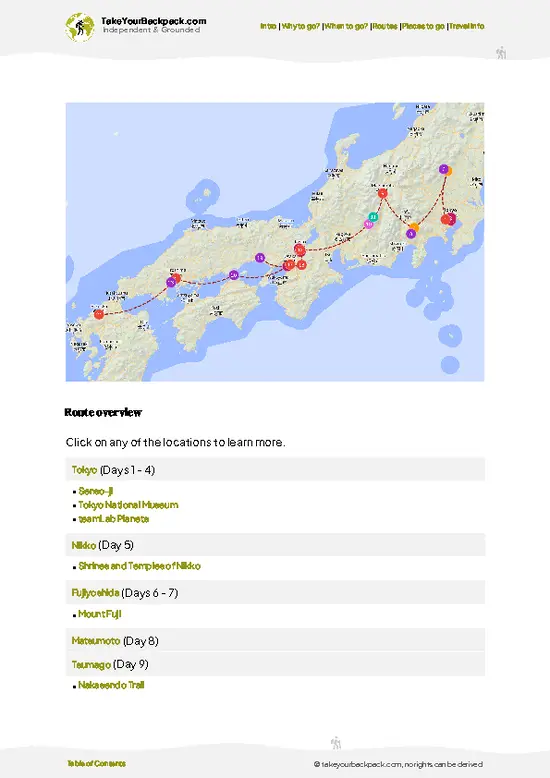
example page 0 from our offline Travel Guide for Japan
example page 1 from our offline Travel Guide for Japan
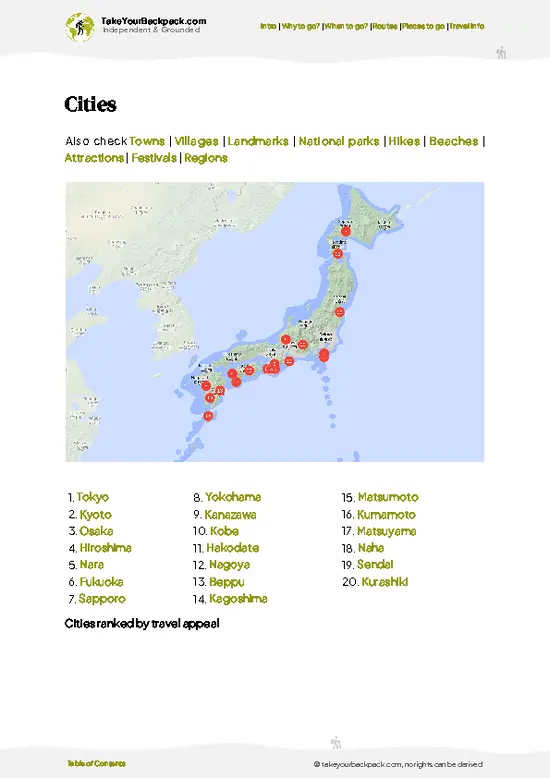
example page 2 from our offline Travel Guide for Japan
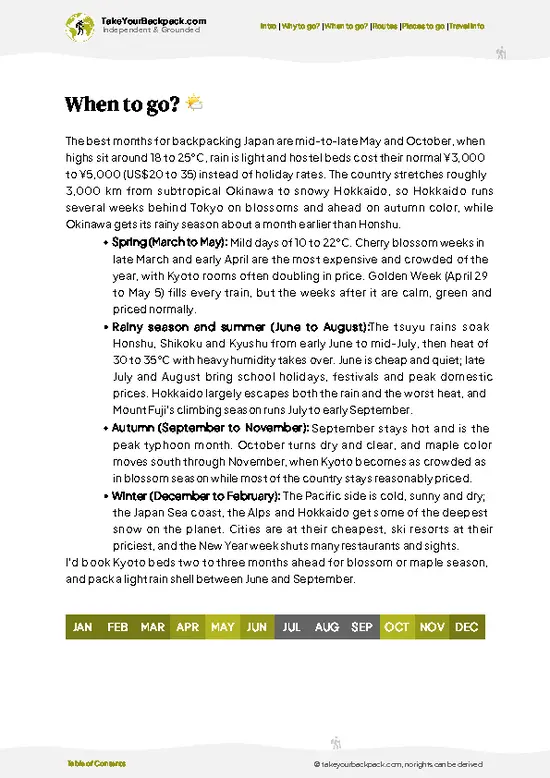
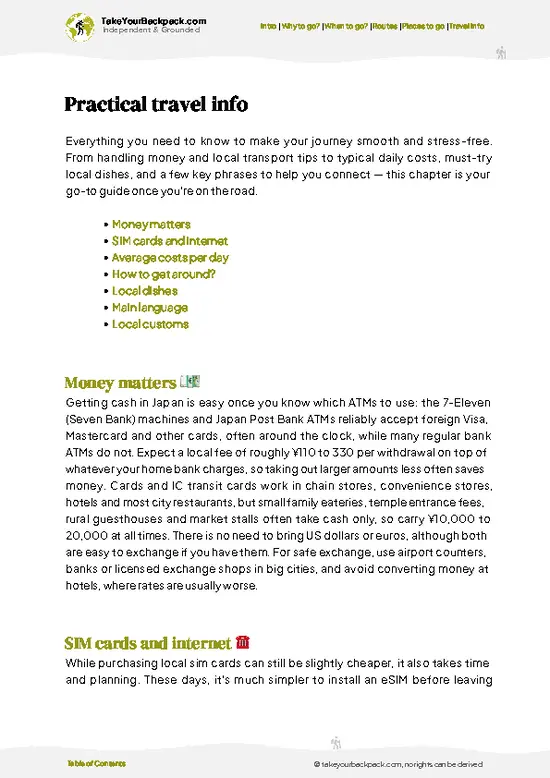
example page 3 from our offline Travel Guide for Japan
example page 4 from our offline Travel Guide for Japan
example page 5 from our offline Travel Guide for Japan
example page 6 from our offline Travel Guide for Japan
example page 7 from our offline Travel Guide for Japan
Loading the map 🌍
CLICK TO FILTER
cities
towns
villages
landmarks
national parks
hikes
beaches
attractions
festivals
regions
SHOW COUNTRY’S BESTSHOW ALL

✨ Why go?
Ranked #16 festival in Japan
What makes this festival worth celebrating

Backpackers flock to Tanabata Matsuri for a burst of social energy and a chance to dive into Japan’s rich culture. This festival transforms towns into vibrant hubs of temporary community, where you can share laughter and stories with locals and fellow travelers alike. The affordability of Tanabata compared to other events makes it a smart choice; you’ll find free activities, food stalls, and colorful decorations without breaking the bank. Plus, it seamlessly fits into longer travel plans, allowing you to explore nearby attractions while soaking in the festival’s spirit. Planning your route around Tanabata isn’t just about the destination; it’s about the immersive experience that fuels your journey and enriches your backpacking adventure.

💡 HighlightsMust-see experiences and standout moments

  1. Giant paper streamers (fukinagashi) — Long, flowing streamers made from washi paper and cloth flood the streets and arcade roofs, turning whole neighborhoods into a sea of color. They’re handcrafted, often enormous, and designed to ripple in the breeze; they’re the single most Instagrammable—and wonderfully old-school—part of Tanabata.
  2. Writing wishes on tanzaku and decorating bamboo — Bring or buy a narrow strip of colored paper, write a wish, and tie it to a bamboo branch. It’s cheap, instantly meaningful, and you actually get to participate in a folk ritual rather than just watch one. (Personal favorite — the quiet little human connection in the middle of a noisy festival.)
  3. Yatai street food and cheap local eats — From takoyaki and yakisoba to kakigōri (shaved ice), the food stalls are
… read more 👉
  1. Giant paper streamers (fukinagashi) — Long, flowing streamers made from washi paper and cloth flood the streets and arcade roofs, turning whole neighborhoods into a sea of color. They’re handcrafted, often enormous, and designed to ripple in the breeze; they’re the single most Instagrammable—and wonderfully old-school—part of Tanabata.
  2. Writing wishes on tanzaku and decorating bamboo — Bring or buy a narrow strip of colored paper, write a wish, and tie it to a bamboo branch. It’s cheap, instantly meaningful, and you actually get to participate in a folk ritual rather than just watch one. (Personal favorite — the quiet little human connection in the middle of a noisy festival.)
  3. Yatai street food and cheap local eats — From takoyaki and yakisoba to kakigōri (shaved ice), the food stalls are where budgets stay happy and your feet get fuel. Try small portions from different vendors—festival food is one of the best ways to taste regional twists without spending much.
  4. Traditional performances and music — Expect taiko drumming, local dance troupes, and sometimes community parades with people in yukata. These performances aren’t polished stadium shows; they’re local, loud, and real—great for seeing tradition performed up close and meeting friendly locals.
  5. Nighttime atmosphere: lanterns, lights, and sometimes river floats — After dark the decorations and lanterns take on a different life—soft glows, reflections in canals, and a calmer, almost mystical vibe. If there are floating lanterns or small lighted floats, that soft river glow is the kind of scene you won’t forget.
Spotted a mistake or missing something? Contact us.

🌤️ When to go?When is the celebration of Tanabata Matsuri?

  • Topic: Weather - Early July is prime for Tanabata Matsuri, with warm, humid conditions averaging 25°C (77°F). Rain can sneak in, so pack a light rain jacket to keep moving without a hitch.
  • Topic: Temperature - Nights cool to around 20°C (68°F), perfect for evening festival strolls without overheating or shivering.
  • Topic: Daylight Hours - Long summer days stretch daylight until about 7:00 PM, giving you ample time to explore before the lanterns light up the night sky.
  • Topic: Crowds - Peak festival days draw locals and tourists alike; expect bustling streets and lively energy, but plan early to avoid accommodation price spikes.
  • Topic: Seasonal Activities - Summer fireworks and street food stalls explode with flavor and color, making the festival more than just decorations—it’s a full sensory
… read more 👉
  • Topic: Weather - Early July is prime for Tanabata Matsuri, with warm, humid conditions averaging 25°C (77°F). Rain can sneak in, so pack a light rain jacket to keep moving without a hitch.
  • Topic: Temperature - Nights cool to around 20°C (68°F), perfect for evening festival strolls without overheating or shivering.
  • Topic: Daylight Hours - Long summer days stretch daylight until about 7:00 PM, giving you ample time to explore before the lanterns light up the night sky.
  • Topic: Crowds - Peak festival days draw locals and tourists alike; expect bustling streets and lively energy, but plan early to avoid accommodation price spikes.
  • Topic: Seasonal Activities - Summer fireworks and street food stalls explode with flavor and color, making the festival more than just decorations—it’s a full sensory dive.
  • Topic: Price Fluctuations - Accommodation and transport costs surge during the festival; booking weeks ahead locks in better rates and spares your budget for street eats and souvenirs.
Pro-tip: Arrive a day early to soak in the calm before the storm—this quiet window lets you recharge and strategize for the festival’s full throttle.


source: climatestotravel.comJANJanuary: not recommended for travelingFEBFebruary: not recommended for travelingMARMarch: not recommended for travelingAPRApril: not recommended for travelingMAYMay: not recommended for travelingJUNJune: not recommended for travelingJULJuly: excellent for travelingAUGAugust: not recommended for travelingSEPSeptember: not recommended for travelingOCTOctober: not recommended for travelingNOVNovember: not recommended for travelingDECDecember: not recommended for traveling

✈️ The backpacker research shortcutJapan Travel Guide

An offline-friendly backpacking guide with optimized travel routes, ranked highlights, transport advice, and the best areas to stay.
example page 0 from our offline Travel Guide for Japan
example page 1 from our offline Travel Guide for Japan
example page 2 from our offline Travel Guide for Japan
example page 3 from our offline Travel Guide for Japan
example page 4 from our offline Travel Guide for Japan
example page 5 from our offline Travel Guide for Japan
example page 6 from our offline Travel Guide for Japan
example page 7 from our offline Travel Guide for Japan
The digital guide (475 pages) contains:
✅ 139 highlights, ranked by travel appeal
✅ Optimized 7, 14 & 21-day travel routes
✅ Cities, national parks, landmarks, beaches
✅ How to get around
✅ Offline-friendly for travel without Wi-Fi
👉 Click to see all 30+ guide features

📅 Plan smarter in minutes, not weeks
✅ Month by month travel advice
✅ Festivals & national holidays
✅ Budget expectations

🗺️ Go to the right places, skip the overrated ones
✅ Honest pros & cons of destinations
✅ Top hikes, parks & viewpoints
✅ Lesser-known places most travelers miss
✅ Clear “worth it vs skip it” guidance

🛏️ Travel smoothly without rookie mistakes
✅ Best areas to stay
✅ Transport systems explained simply
✅ Common scams & safety advice
✅ SIM cards, money & practical tips

🌍 Understand the country, not just visit it
✅ Culture & traditions
✅ 52 Essential phrases & customs
✅ Festivals worth planning around
✅ Traveler-friendly historical context
✅ Insights that make places more meaningful

📱 Built for real travel conditions
✅ Fully downloadable PDF
✅ Works completely offline
✅ Optimized for phone use
✅ Useful in remote areas & buses
✅ Everything in one place
Stop searching, start planning
Get instant access to your full guide. 30‑day money-back guarantee.
+ Add another guide for just

By proceeding you agree to our terms.
Sent to your inbox immediately after payment • 100% Secure Checkout
Best Backpacking Travel Advisor 2025 tourism awardBest Backpacking
Travel Advisor
2025
What others say about Take Your Backpack Guides:
⭐⭐⭐⭐⭐
Fantastic, amazing amount of information!
⭐⭐⭐⭐⭐
My goodness this is amazing, it's what I've been looking for hats off too you!
⭐⭐⭐⭐⭐
I think this is absolutely BRILLIANT
⭐⭐⭐⭐
Very complete and informative. It's still missing places, but I gotta to commend you
⭐⭐⭐⭐⭐
This is truly amazing, thank you, can't wait to explore it with my kids!
⭐⭐⭐⭐⭐
Awesome resource, thank you!
⭐⭐⭐⭐⭐
This is amazing! Can't wait to explore the ones I haven't seen
⭐⭐⭐⭐
I love this! Well done, great idea.
⭐⭐⭐⭐⭐
Thanks for taking the time to make this gem!
⭐⭐⭐⭐⭐
This might be the best website I've ever seen.
⭐⭐⭐⭐⭐
Congratulations, and thank you so much for your work; it's incredibly valuable.
⭐⭐⭐⭐
In all seriousness I think you did a great job pointing out the important spots
⭐⭐⭐⭐⭐
10/10 very good
⭐⭐⭐⭐⭐
As someone who's only just starting to visit regularly this is awesome, thank you.
⭐⭐⭐⭐
Thank you very much! I'm going to visit my dad, it's going to be very useful!
⭐⭐⭐⭐⭐
This is really cool! We'll be travelling for the first time and this definitely come in handy.
⭐⭐⭐⭐⭐
You are now our minister of culture, congratulations 👨‍💼
⭐⭐⭐⭐⭐
Just wanted to tell you that this is a pearl! Going to follow your recommendations.
⭐⭐⭐⭐⭐
This is so cool. I'll definitely be using the resource for my travels soon.
⭐⭐⭐⭐⭐
This is very impressive! Good work.
⭐⭐⭐⭐⭐
This is an amazing and informative site. Very well done!

🛏️ Where to stay?Best areas to stay in Japan

For the Tanabata Matsuri, head to Sendai. This city pulses with energy during the festival, and staying near the center keeps you in the action. Look for accommodations in the Aoba-dori area. It’s bustling, filled with eateries and shops, and you’ll find fellow travelers eager to share stories.

Another solid choice is the Ichibancho district. It’s a hotspot for backpackers, with a mix of budget-friendly options and vibrant nightlife. You’ll feel the festival spirit here, especially when the colorful streamers fill the streets.

Don’t overlook the Nishi Park area. It’s quieter but still close … read more 👉
For the Tanabata Matsuri, head to Sendai. This city pulses with energy during the festival, and staying near the center keeps you in the action. Look for accommodations in the Aoba-dori area. It’s bustling, filled with eateries and shops, and you’ll find fellow travelers eager to share stories.

Another solid choice is the Ichibancho district. It’s a hotspot for backpackers, with a mix of budget-friendly options and vibrant nightlife. You’ll feel the festival spirit here, especially when the colorful streamers fill the streets.

Don’t overlook the Nishi Park area. It’s quieter but still close enough to the festivities. You can recharge after a day of exploring while enjoying the local parks.

Wherever you land, keep your eyes peeled for community events. They’re a fantastic way to connect with locals and fellow adventurers, making your experience richer and more memorable.

👛 Costs (as of 15 October 2026)How expensive it really is

The Tanabata Matsuri in Japan is a vibrant celebration, but navigating the costs can feel like a maze. Here’s how to break it down so you can keep your energy and budget intact for the real experiences.
  • Festival Tickets: Entry to the festival is generally free, but some specific events or performances may charge a small fee, typically around €5 to €15 ($5 to $15). Keep an eye out for special activities that might require tickets, as they can add up.
  • Accommodation: Expect to pay between €50 to €150 ($55 to $165) per night for a decent hotel or guesthouse. Prices can spike during the festival, so booking in advance is crucial. Consider hostels or capsule hotels for budget options, which can start around €20 ($22) a night.
  • Local Transport: Public transport is efficient. A one-way train or bus ticket
… read more 👉
The Tanabata Matsuri in Japan is a vibrant celebration, but navigating the costs can feel like a maze. Here’s how to break it down so you can keep your energy and budget intact for the real experiences.
  • Festival Tickets: Entry to the festival is generally free, but some specific events or performances may charge a small fee, typically around €5 to €15 ($5 to $15). Keep an eye out for special activities that might require tickets, as they can add up.
  • Accommodation: Expect to pay between €50 to €150 ($55 to $165) per night for a decent hotel or guesthouse. Prices can spike during the festival, so booking in advance is crucial. Consider hostels or capsule hotels for budget options, which can start around €20 ($22) a night.
  • Local Transport: Public transport is efficient. A one-way train or bus ticket usually costs between €2 to €5 ($2 to $5). If you plan to hop around, a day pass for local transport can range from €5 to €10 ($5 to $11). Factor in some extra for taxis if you’re out late.
  • Food & Drinks: Street food is a highlight at the festival. Budget around €10 to €30 ($11 to $33) per day for meals. A quick bite can be as low as €3 ($3.30), while sit-down meals might run you €15 to €25 ($16 to $27). Don’t forget to try the festival specialties!
  • Miscellaneous Expenses: This includes souvenirs, snacks, and unexpected costs. Set aside about €20 to €50 ($22 to $55) for these extras. It’s easy to get caught up in the moment, so having a buffer will keep your wallet happy.

Being aware of these costs will help you navigate the festival without breaking the bank. Enjoy the experience, but keep your budget in check to make the most of every moment!


source: japan.travel
⚠️ Prices can change and everyone travels differently, so take this as a rough guide. Hope it helps you plan your adventure!

🍲 FoodEating & Drinking in Tanabata Matsuri

At the Tanabata Matsuri, food is as vibrant as the festival itself. Stalls burst with yakitori, skewered chicken grilled to perfection, and takoyaki, those delightful octopus balls, crispy on the outside and gooey inside. Don’t miss out on kakigori, fluffy shaved ice drizzled with syrup—perfect for cooling off in the summer heat.

For drinks, grab a cup of matcha or try sake served in charming wooden boxes. Both offer a taste of local culture that’s hard to beat.

When diving into the food scene, remember to embrace the sharing culture. It’s common to sample bites from friends or fellow festival-goers. Lines can get long, so be patient; it’s part of the experience. Cash is king here, so keep some yen handy. Serving sizes are often modest, encouraging you to try a little bit of everything. Enjoy the flavors and the festive spirit!

FAQTraveler FAQ

Tanabata Matsuri typically takes place on July 7th, but some regions celebrate it in August. The festival usually lasts for one to three days depending on the location.
Attending Tanabata Matsuri is generally free of charge. Costs may arise if you choose to buy food, souvenirs, or participate in special events during the festival.
No, you do not need tickets in advance to attend Tanabata Matsuri. It is an open public festival accessible to all visitors.
⚠️ Things can change over time, so always validate details locally before you go.

Other Japanese festivals near Tanabata Matsuri

Explore more nearby:


💡 Not sure where to go next?
Create a personalized itinerary for Japan including Tanabata Matsuri and the places that fit your trip.

Generate my itinerary

👉 Discover all festivals

Or checkout all Japan has to offer (think cities, towns, villages, national parks, hikes, beaches, festivals)
Country photo of Japan

We 💚 feedbackParting advice and final tips

Tanabata Matsuri is a whirlwind of color and connection, where wishes hang from bamboo and the air buzzes with excitement. But brace yourself for crowds; navigating through throngs can drain your energy. Embrace the chaos, though—it’s part of the experience. Focus on those fleeting moments of joy, and you’ll find the festival’s heart beats strongest in the hustle.

✈️ When did I visit Japan?
As part of my 1.5 year travel around the world trip, I visited Japan in August 2015.

✍️ Help improve this page!
The information on this page is based on my own backpacking experience in Japan, supplemented with up-to-date research and feedback from other travelers. Travel details can change, so if you notice anything outdated or incomplete, feel free to let me know.


🙋‍♂️ Give feedback

👋 Meet the founderWho’s Behind Take Your Backpack?

Johan, backpacker and founder of TakeYourBackpackHi, I’m Johan (Netherlands 🇳🇱), the creator of TakeYourBackpack. Over the past 3 decades, I’ve backpacked through 90+ countries across six continents, gaining extensive experience with independent travel, long-term trips, and overland routes.

This site is built on a combination of firsthand travel experience and carefully curated insights from other backpackers. Many guides are based on places I’ve personally visited, while others bring together tips, observations, and practical advice shared by trusted travelers I’ve met along the way.

The goal is to provide realistic, experience-driven guidance — not generic itineraries — so you can explore destinations with better context, clearer expectations, and more confidence.