
×

Japan🇯🇵 | festivalsGion Matsuritowering floats, Kyoto streets, July rituals | things to do and best time to go

Explore Fuji RockExplore Hanami Cherry Blossom Festival

Backpacking in Gion Matsuri
🏆 Top pickfestival ranked #2
By Johan Kruseman 🇳🇱 | Updated September 4, 2026

Your shoulder brushes a paper lantern, the waxy heat kissing your skin as flutes shriek above the drumbeat and a float’s wooden wheels grind over the asphalt like a slow-moving earthquake. Sweat runs down your spine, incense smoke stings your eyes, and someone shoves an ice-cold cucumber-on-a-stick into your hand before the crowd surges again. This is Gion Matsuri, Kyoto’s monster of a summer festival, right in Japan’s old imperial heart.

It’s Shinto ritual meets street party: piercing gagaku-style festival music, chanting men hauling multi-ton yamaboko floats, and rivers of yukata-clad locals plus domestic tourists, with backpackers woven through the chaos. The core action runs through July, with the biggest nights around the float processions, when central Kyoto turns into a pedestrian maze of food stalls and sake. It’s hot, crowded, and occasionally overwhelming, but if you can handle the crush, it’s one of those rare festivals where you feel the city’s history moving under your feet.

Discover everything you want to know in the 📖 Japan Travel Guide.


Get your Japan guide
140 ranked highlights, routes & tips, works offline (482 pages)
Loading the map 🌍
CLICK TO FILTER
cities
towns
villages
landmarks
national parks
hikes
beaches
attractions
festivals
regions
SHOW COUNTRY’S BESTSHOW ALL

✨ Why go?
Ranked #2 festival in Japan
Reasons people choose to celebrate the here

Backpackers flock to Japan’s Gion Matsuri for a reason: it’s a whirlwind of social energy and temporary community that transforms Kyoto into a living tapestry of tradition. This festival isn’t just a spectacle; it’s a chance to dive deep into cultural immersion. Picture yourself wandering through streets alive with colorful floats, the air thick with the scent of street food, and the sound of taiko drums echoing in your chest.

Planning your route around Gion Matsuri means you’re not just hitting a destination; you’re syncing your journey with a pulse that’s electric. It’s a budget-friendly alternative to many global festivals, offering rich experiences without the hefty price tag. You’ll find that the connections you make here—over shared meals or spontaneous dance—are often more valuable … read more 👉
Backpackers flock to Japan’s Gion Matsuri for a reason: it’s a whirlwind of social energy and temporary community that transforms Kyoto into a living tapestry of tradition. This festival isn’t just a spectacle; it’s a chance to dive deep into cultural immersion. Picture yourself wandering through streets alive with colorful floats, the air thick with the scent of street food, and the sound of taiko drums echoing in your chest.

Planning your route around Gion Matsuri means you’re not just hitting a destination; you’re syncing your journey with a pulse that’s electric. It’s a budget-friendly alternative to many global festivals, offering rich experiences without the hefty price tag. You’ll find that the connections you make here—over shared meals or spontaneous dance—are often more valuable than any overpriced ticket.

Incorporating Gion Matsuri into your travel plans isn’t just smart; it’s a way to maximize your adventure. You’ll leave with stories that resonate long after the floats have rolled away, and your energy will be preserved for the moments that truly matter. Don’t just travel; engage, connect, and celebrate.
Want to include Gion Matsuri in your Japan route?
Create a personalized Japan itinerary that includes Gion Matsuri and the places that fit your trip — based on your travel style, budget, and available time. Get your route in seconds.

Generate my trip

💡 HighlightsThe experiences that define the visit

  • Yamaboko Junko — the float parades: Towering, ornately decorated wooden floats (yama and hoko) are hauled through Kyoto by neighborhoods. The scale and craftsmanship — huge tapestries, lacquer, and gilding — make it feel like watching moving museum pieces, not just parade props.
  • Yoiyama evenings — the pre-parade night atmosphere: Streets close, floats are lit, people in yukata stroll past food stalls and open-front machiya where families display heirlooms. It’s quieter and more magical than parade day — perfect for snagging photos and soaking up that slow, local vibe (personal favorite).
  • Karakuri puppetry and traditional music: Some floats host karakuri (mechanical puppets) and live shamisen/flute/drum ensembles that perform on the move. Seeing these tiny, clever automata and hearing festival
read more 👉
  • Yamaboko Junko — the float parades: Towering, ornately decorated wooden floats (yama and hoko) are hauled through Kyoto by neighborhoods. The scale and craftsmanship — huge tapestries, lacquer, and gilding — make it feel like watching moving museum pieces, not just parade props.
  • Yoiyama evenings — the pre-parade night atmosphere: Streets close, floats are lit, people in yukata stroll past food stalls and open-front machiya where families display heirlooms. It’s quieter and more magical than parade day — perfect for snagging photos and soaking up that slow, local vibe (personal favorite).
  • Karakuri puppetry and traditional music: Some floats host karakuri (mechanical puppets) and live shamisen/flute/drum ensembles that perform on the move. Seeing these tiny, clever automata and hearing festival music up close gives the whole event an old-school, theatrical feel you don’t get everywhere.
  • Master craftsmanship and textiles: The floats are walking showcases for centuries-old skills — joinery, metalwork, embroidery, and priceless silk tapestries. The fact that these complex structures are built, decorated, and maintained by local artisans every year is a big part of what makes Gion Matsuri exceptional.
  • Community rituals and shrine ceremonies: The festival grew from Shinto purification rites, and the rituals at Yasaka Shrine plus neighborhood-led preparations keep that spiritual core obvious. You’ll notice genuine local ownership: volunteers, family heirlooms, and ritual processions that tie the spectacle to Kyoto’s living traditions.
Spotted a mistake or missing something? Contact us.

Things to do around Gion Matsuri

Ratings based on Tripadvisor reviews. When you book through this link, you support our work at no extra cost to you.

🌤️ When to go?When is the celebration of Gion Matsuri?


  • Topic: Weather – July in Kyoto is hot and humid, with temperatures often hitting 30-35°C (86-95°F). Expect sticky days and occasional rain showers, so pack light, breathable clothes and a reliable rain jacket.

  • Topic: Temperature – Nights cool slightly but stay warm, rarely dropping below 24°C (75°F). This means sleepless nights if you’re in a non-air-conditioned guesthouse, so plan accordingly.

  • Topic: Daylight Hours – Long summer days offer about 14 hours of daylight, giving you plenty of time to explore the festival’s daytime events before the evening parades kick off.

  • Topic: Crowds – Gion Matsuri draws massive crowds, especially around the main parade days (July 17 and 24). Arriving early or staying slightly outside central Kyoto can save your sanity and your wallet.

  • Topic: Seasonal
read more 👉

  • Topic: Weather – July in Kyoto is hot and humid, with temperatures often hitting 30-35°C (86-95°F). Expect sticky days and occasional rain showers, so pack light, breathable clothes and a reliable rain jacket.

  • Topic: Temperature – Nights cool slightly but stay warm, rarely dropping below 24°C (75°F). This means sleepless nights if you’re in a non-air-conditioned guesthouse, so plan accordingly.

  • Topic: Daylight Hours – Long summer days offer about 14 hours of daylight, giving you plenty of time to explore the festival’s daytime events before the evening parades kick off.

  • Topic: Crowds – Gion Matsuri draws massive crowds, especially around the main parade days (July 17 and 24). Arriving early or staying slightly outside central Kyoto can save your sanity and your wallet.

  • Topic: Seasonal Activities – The festival’s charm lies in its layered events throughout July, from floats being prepared to nightly street stalls. Timing your visit to catch both the build-up and the main parades maximizes the experience.

  • Topic: Price Fluctuations – Accommodation prices spike sharply during the festival’s peak days. Booking well in advance or targeting early July can lock in better rates and avoid last-minute price gouging.


Pro-tip: Arrive a few days before the main parades to soak in the festival’s behind-the-scenes energy without the crush—and save your budget for the moments that truly matter.


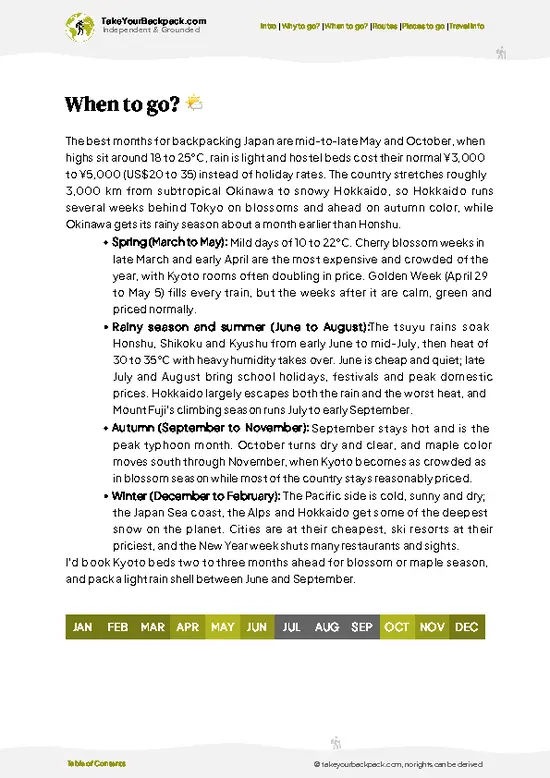
source: climatestotravel.comJANJanuary: not recommended for travelingFEBFebruary: not recommended for travelingMARMarch: not recommended for travelingAPRApril: not recommended for travelingMAYMay: not recommended for travelingJUNJune: not recommended for travelingJULJuly: excellent for travelingAUGAugust: not recommended for travelingSEPSeptember: not recommended for travelingOCTOctober: not recommended for travelingNOVNovember: not recommended for travelingDECDecember: not recommended for traveling

✈️ The backpacker research shortcutJapan Travel Guide

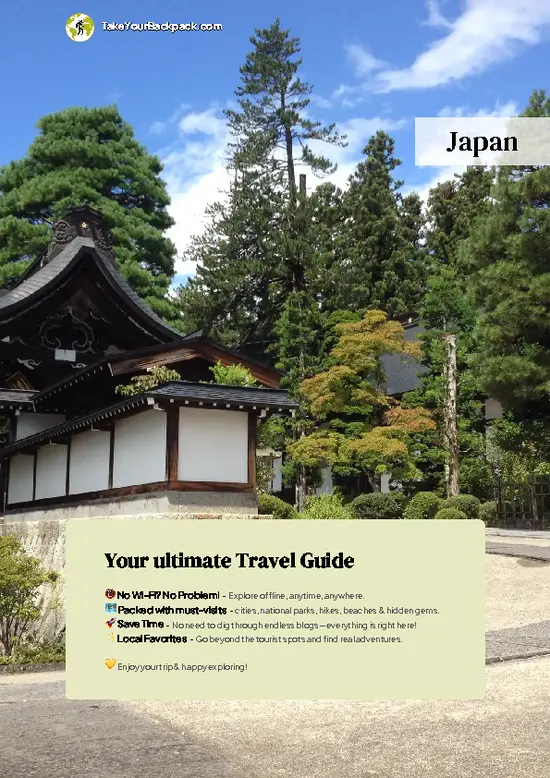
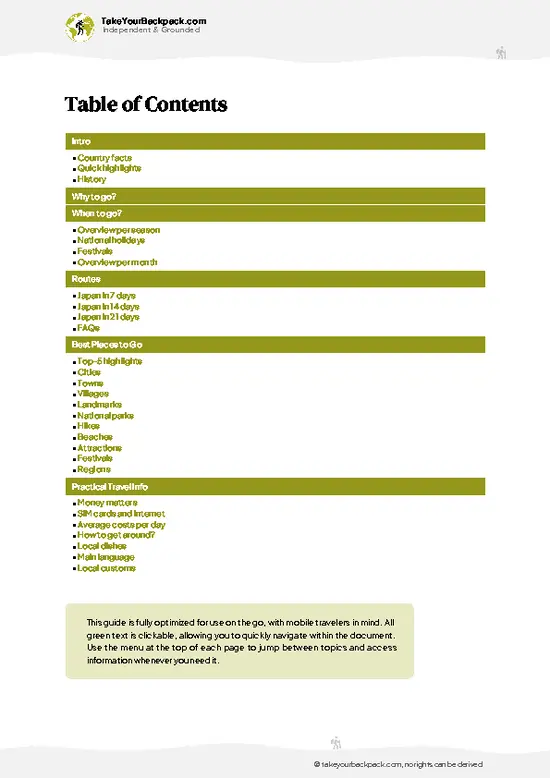
An offline-friendly backpacking guide with optimized travel routes, ranked highlights, transport advice, and the best areas to stay.
example page 0 from our offline Travel Guide for Japan
example page 1 from our offline Travel Guide for Japan
example page 2 from our offline Travel Guide for Japan
example page 3 from our offline Travel Guide for Japan
example page 4 from our offline Travel Guide for Japan
example page 5 from our offline Travel Guide for Japan
example page 6 from our offline Travel Guide for Japan
example page 7 from our offline Travel Guide for Japan
The digital guide (482 pages) contains:
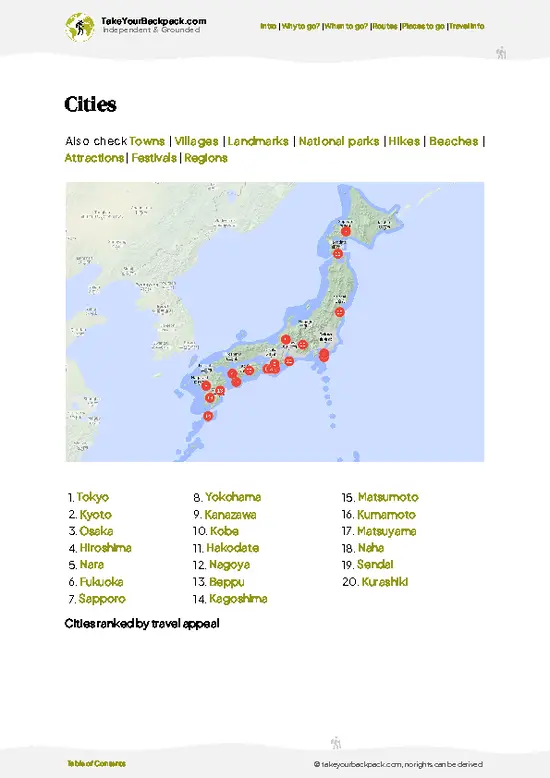
140 highlights, ranked by travel appeal
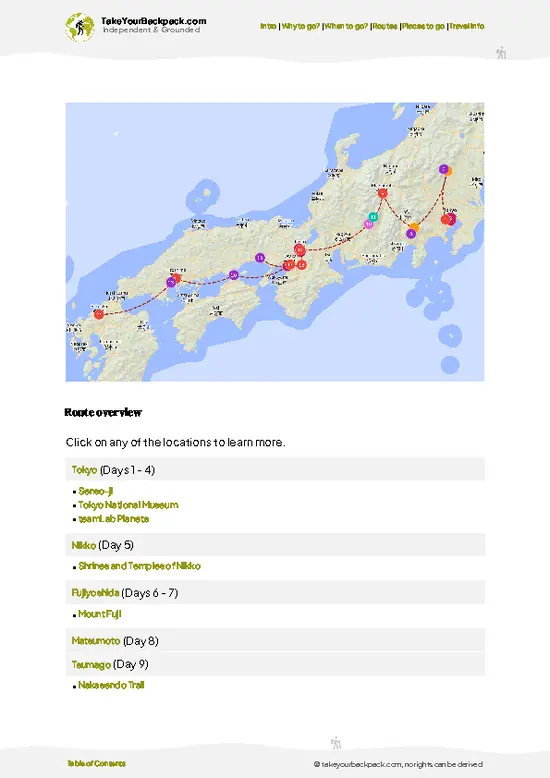
Optimized 7, 14 & 21-day travel routes
Cities, national parks, landmarks, beaches
How to get around
Offline-friendly for travel without Wi-Fi
👉 Click to see all 30+ guide features

📅 Plan smarter in minutes, not weeks
Month by month travel advice
Festivals & national holidays
Budget expectations

🗺️ Go to the right places, skip the overrated ones
Honest pros & cons of destinations
Top hikes, parks & viewpoints
Lesser-known places most travelers miss
Clear “worth it vs skip it” guidance

🛏️ Travel smoothly without rookie mistakes
Best areas to stay
Transport systems explained simply
Common scams & safety advice
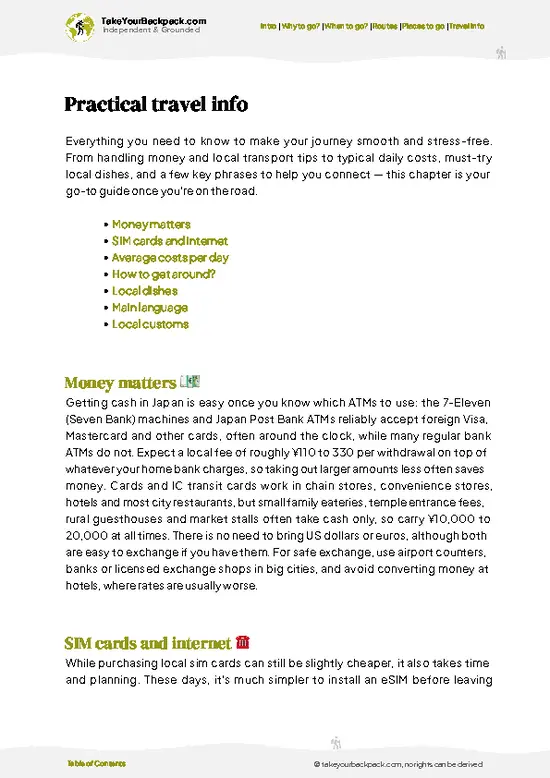
SIM cards, money & practical tips

🌍 Understand the country, not just visit it
Culture & traditions
52 Essential phrases & customs
Festivals worth planning around
Traveler-friendly historical context
Insights that make places more meaningful

📱 Built for real travel conditions
Fully downloadable PDF
Works completely offline
Optimized for phone use
Useful in remote areas & buses
Everything in one place
Save weeks of stressful planning
Get instant access to your full guide. 30‑day money-back guarantee.
+ Add another guide for just US$7.80

By proceeding you agree to our terms.
Sent to your inbox immediately after payment • 100% Secure Checkout
Best Backpacking Travel Advisor 2025 tourism awardBest Backpacking
Travel Advisor
2025
What others say about Take Your Backpack Guides:
⭐⭐⭐⭐⭐
Fantastic, amazing amount of information!
⭐⭐⭐⭐⭐
My goodness this is amazing, it's what I've been looking for hats off too you!
⭐⭐⭐⭐⭐
I think this is absolutely BRILLIANT
⭐⭐⭐⭐
Very complete and informative. It's still missing places, but I gotta to commend you
⭐⭐⭐⭐⭐
This is truly amazing, thank you, can't wait to explore it with my kids!
⭐⭐⭐⭐⭐
Awesome resource, thank you!
⭐⭐⭐⭐⭐
This is amazing! Can't wait to explore the ones I haven't seen
⭐⭐⭐⭐
I love this! Well done, great idea.
⭐⭐⭐⭐⭐
Thanks for taking the time to make this gem!
⭐⭐⭐⭐⭐
This might be the best website I've ever seen.
⭐⭐⭐⭐⭐
Congratulations, and thank you so much for your work; it's incredibly valuable.
⭐⭐⭐⭐
In all seriousness I think you did a great job pointing out the important spots
⭐⭐⭐⭐⭐
10/10 very good
⭐⭐⭐⭐⭐
As someone who's only just starting to visit regularly this is awesome, thank you.
⭐⭐⭐⭐
Thank you very much! I'm going to visit my dad, it's going to be very useful!
⭐⭐⭐⭐⭐
This is really cool! We'll be travelling for the first time and this definitely come in handy.
⭐⭐⭐⭐⭐
You are now our minister of culture, congratulations 👨‍💼
⭐⭐⭐⭐⭐
Just wanted to tell you that this is a pearl! Going to follow your recommendations.
⭐⭐⭐⭐⭐
This is so cool. I'll definitely be using the resource for my travels soon.
⭐⭐⭐⭐⭐
This is very impressive! Good work.
⭐⭐⭐⭐⭐
This is an amazing and informative site. Very well done!

🛏️ Where to stay?Best areas to stay in Japan

When you’re gearing up for the Gion Matsuri in Kyoto, the right base can make all the difference. Head to the Gion District itself. This area pulses with energy during the festival. You’ll find a mix of traditional ryokans and budget-friendly guesthouses. The streets are alive with floats, food stalls, and the spirit of celebration. Plus, being in the heart of it all means you can easily pop back to drop off your goodies or recharge before the evening festivities.

Next, consider Higashiyama. This neighborhood is a short walk from Gion and offers a more tranquil vibe. It’s dotted with charming … read more 👉
When you’re gearing up for the Gion Matsuri in Kyoto, the right base can make all the difference. Head to the Gion District itself. This area pulses with energy during the festival. You’ll find a mix of traditional ryokans and budget-friendly guesthouses. The streets are alive with floats, food stalls, and the spirit of celebration. Plus, being in the heart of it all means you can easily pop back to drop off your goodies or recharge before the evening festivities.

Next, consider Higashiyama. This neighborhood is a short walk from Gion and offers a more tranquil vibe. It’s dotted with charming hostels and shared spaces where you can meet fellow travelers. The narrow streets and historic temples create an atmosphere that’s perfect for unwinding after a day of excitement.

Don’t overlook Kyoto Station. It’s a transportation hub, making it easy to access festival events and explore beyond the city. Many budget accommodations are nearby, and the social scene is vibrant, with plenty of cafes and bars to mingle with other backpackers.

Stay smart, stay social, and keep your energy focused on the festival. You’ll want every ounce of it for the parades and celebrations that make Gion Matsuri a highlight of your journey.

👛 Costs (as of 4 September 2026)Typical daily expenses

The Gion Matsuri in Japan is a vibrant celebration, but navigating its costs can feel like a maze. Here’s how to keep your budget intact while soaking up the festival’s energy.
  • Festival Tickets: Entry to the main events is generally free. However, if you want to secure a spot for the grand parade, expect to pay around €10 to €30 for reserved seating. This is a small price to pay for a front-row view of the floats and festivities.
  • Accommodation: Prices can spike during the festival. Budget options like hostels start at about €30 per night. Mid-range hotels range from €80 to €150. For a unique experience, consider a ryokan, which can cost anywhere from €100 to €300. Book early to avoid inflated rates.
  • Local Transport: Getting around Kyoto is straightforward. A one-day bus pass costs about €5, while
read more 👉
The Gion Matsuri in Japan is a vibrant celebration, but navigating its costs can feel like a maze. Here’s how to keep your budget intact while soaking up the festival’s energy.
  • Festival Tickets: Entry to the main events is generally free. However, if you want to secure a spot for the grand parade, expect to pay around €10 to €30 for reserved seating. This is a small price to pay for a front-row view of the floats and festivities.
  • Accommodation: Prices can spike during the festival. Budget options like hostels start at about €30 per night. Mid-range hotels range from €80 to €150. For a unique experience, consider a ryokan, which can cost anywhere from €100 to €300. Book early to avoid inflated rates.
  • Local Transport: Getting around Kyoto is straightforward. A one-day bus pass costs about €5, while single rides are around €1.50. If you’re planning to explore beyond the festival, consider a prepaid IC card for convenience, which can save you time and hassle.
  • Food & Drinks: Street food is a highlight, with prices ranging from €3 for snacks to €10 for heartier meals. Restaurants vary widely; budget around €15 to €30 for a decent meal. Don’t forget to try local specialties like yudofu (tofu hot pot) and matcha treats.
  • Miscellaneous Expenses: Factor in costs for souvenirs, which can range from €5 for small trinkets to €50 for handcrafted items. Also, keep a little extra for unexpected expenses, like a spontaneous tea ceremony or a late-night snack run.

Stay sharp and plan ahead. This way, you’ll have the energy and funds to dive into the festival’s rich experiences without breaking the bank.


source: kyoto.travel
⚠️ Prices can change and everyone travels differently, so take this as a rough guide. Hope it helps you plan your adventure!

🍲 FoodLocal Cuisine & Drinks

At the Gion Matsuri, food and drink are as much a part of the experience as the floats parading through the streets. Stalls line the pathways, offering local specialties that burst with flavor. Don’t miss out on yaki-tori—grilled chicken skewers that are smoky and savory, or kakigori, a fluffy shaved ice treat drizzled with sweet syrup, perfect for cooling off in the summer heat.

For a true taste of Kyoto, dive into yudofu, a delicate tofu dish served hot, often paired with a light dipping sauce. The sake here is a must-try; local brews are served chilled or warm, and sipping it while mingling with festival-goers adds to the atmosphere.

Be prepared for some quirks: sharing is common, so don’t hesitate to offer a bite of your food to a friend or even a stranger. Lines can get long, especially … read more 👉
At the Gion Matsuri, food and drink are as much a part of the experience as the floats parading through the streets. Stalls line the pathways, offering local specialties that burst with flavor. Don’t miss out on yaki-tori—grilled chicken skewers that are smoky and savory, or kakigori, a fluffy shaved ice treat drizzled with sweet syrup, perfect for cooling off in the summer heat.

For a true taste of Kyoto, dive into yudofu, a delicate tofu dish served hot, often paired with a light dipping sauce. The sake here is a must-try; local brews are served chilled or warm, and sipping it while mingling with festival-goers adds to the atmosphere.

Be prepared for some quirks: sharing is common, so don’t hesitate to offer a bite of your food to a friend or even a stranger. Lines can get long, especially for popular stalls, so patience is key. Cash is king here; many vendors don’t accept cards, so stock up on yen before you dive into the culinary chaos. Serving sizes can be small, which is perfect for sampling a variety of dishes without overdoing it.

Embrace the hustle and bustle, and let your taste buds guide you through this vibrant festival!

FAQCommon questions from travelers

Gion Matsuri takes place throughout July, with the main events occurring on July 17 and July 24. The festival lasts the entire month with various activities and processions.
Attending Gion Matsuri is free of charge. However, some special events or viewing areas may have fees, but general access to the festival and street processions is open to all without cost.
No, you do not need tickets in advance to attend Gion Matsuri. The festival is open to the public, and visitors can freely watch the parades and participate in most events without prior reservations.
⚠️ Things can change over time, so always validate details locally before you go.

Other Japanese festivals near Gion Matsuri

Explore more nearby:


💡 Not sure where to go next?
Create a personalized itinerary for Japan including Gion Matsuri and the places that fit your trip.

Generate my itinerary

👉 Discover all festivals

Or checkout all Japan has to offer (think cities, towns, villages, national parks, hikes, beaches, festivals)
Country photo of Japan

We 💚 feedbackParting advice and final tips

Gion Matsuri is a whirlwind of color and culture, where you can feel the pulse of Kyoto’s history in every float and festival song. But brace yourself: the crowds can be intense. Navigating through throngs of people can drain your energy and patience. Plan your route, and carve out quiet moments to recharge. This balance is key to truly savoring the festival’s magic without burning out. Embrace the chaos, but don’t forget to breathe.

✈️ When did I visit Japan?
As part of my 1.5 year travel around the world trip, I visited Japan in August 2015.

✍️ Help improve this page!
The information on this page is based on my own backpacking experience in Japan, supplemented with up-to-date research and feedback from other travelers. Travel details can change, so if you notice anything outdated or incomplete, feel free to let me know.


🙋‍♂️ Give feedback

👋 Meet the founderWho’s Behind Take Your Backpack?

Johan, backpacker and founder of TakeYourBackpackHi, I’m Johan (Netherlands 🇳🇱), the creator of TakeYourBackpack. Over the past decade, I’ve backpacked through 80+ countries across six continents, gaining extensive experience with independent travel, long-term trips, and overland routes.

This site is built on a combination of firsthand travel experience and carefully curated insights from other backpackers. Many guides are based on places I’ve personally visited, while others bring together tips, observations, and practical advice shared by trusted travelers I’ve met along the way.

The goal is to provide realistic, experience-driven guidance — not generic itineraries — so you can explore destinations with better context, clearer expectations, and more confidence.

Get full Japan guide •
Instant download • 140 highlights • Full Offline guide