v2.webp)
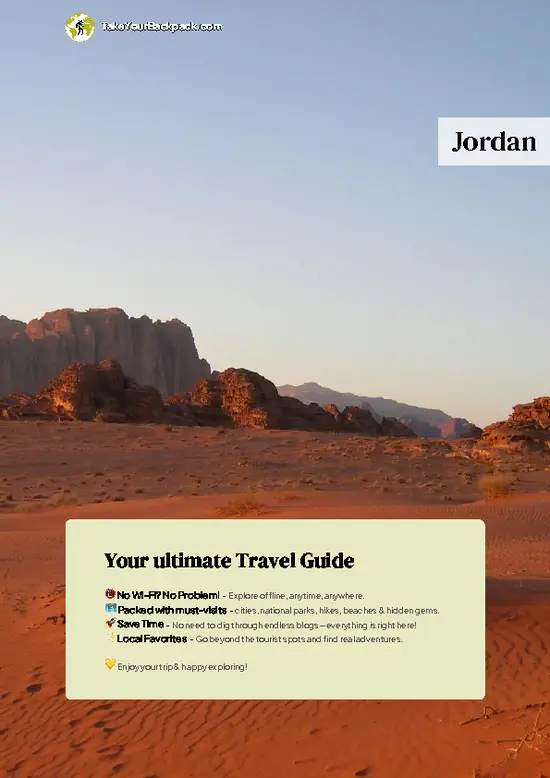
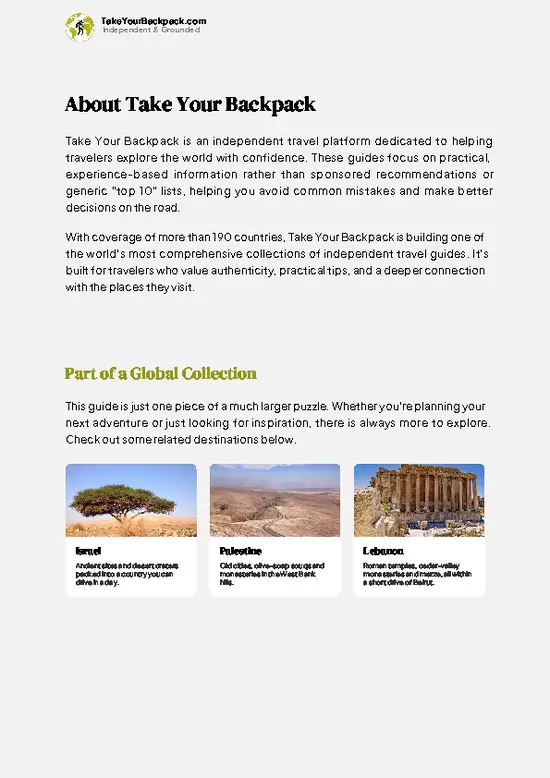
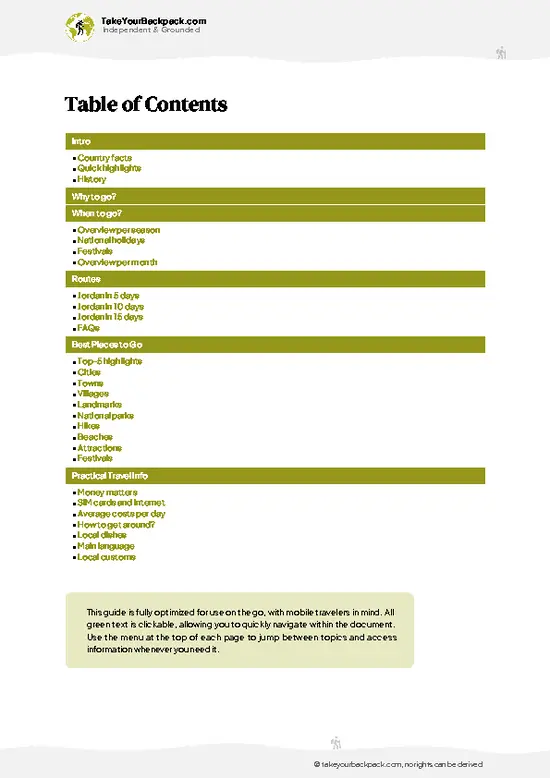
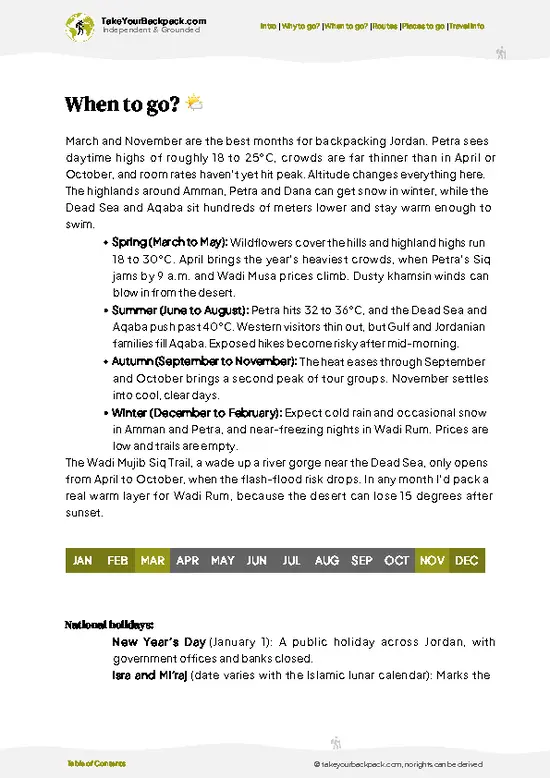
- Qasr Azraq (Azraq Castle) — A compact, dark-basalt fortress with real history: Ottoman improvements, Lawrence of Arabia’s footprint, and simple displays. It’s the town’s landmark and gives a tangible feel for desert strategy and local stone architecture.
- Azraq Wetland Reserve (Buhayrat al-Azraq) — The town’s oasis: seasonal marshes, reed beds and migratory birds. Walk the hides and short trails for surprisingly good birdwatching and to see what makes this desert town habitable.
- Wetland Reserve Visitor Center & hides — Small, practical exhibits about hydrology and local conservation, plus viewing hides that put you right above the reedbeds. Useful for orientation and hiring a local guide for birding.
- The Oasis palms and traditional mudbrick cluster — A low-key stroll around the palm-fringed
- Qasr Azraq (Azraq Castle) — A compact, dark-basalt fortress with real history: Ottoman improvements, Lawrence of Arabia’s footprint, and simple displays. It’s the town’s landmark and gives a tangible feel for desert strategy and local stone architecture.
- Azraq Wetland Reserve (Buhayrat al-Azraq) — The town’s oasis: seasonal marshes, reed beds and migratory birds. Walk the hides and short trails for surprisingly good birdwatching and to see what makes this desert town habitable.
- Wetland Reserve Visitor Center & hides — Small, practical exhibits about hydrology and local conservation, plus viewing hides that put you right above the reedbeds. Useful for orientation and hiring a local guide for birding.
- The Oasis palms and traditional mudbrick cluster — A low-key stroll around the palm-fringed spring and old mudbrick houses gives a sense of daily life that has long centered on the water source; great for photos and simple conversation with locals.
- Hejaz Railway station ruins (Azraq) — Scattered tracks and a ruined station building recall the Ottoman-era railway. It’s compact and atmospheric, and worth a visit if you like industrial archaeology and imagining the old routes across the desert.
- Local souk and street life — Not a flashy market, but a genuine small-town experience: bakeries, produce stalls, and tea shops where you can sit, chat, and watch local rhythms. Best visited in morning or late afternoon.
- Basalt architecture walk — Azraq’s everyday buildings use local black basalt. A short self-guided walk through residential streets highlights vernacular building techniques you won’t see in Amman.
- Azraq community tourism initiatives — Small guesthouses or family-run tours around the wetland and oasis (ask locally) that support residents and offer authentic homestay or guide-led birding walks—good for low-impact travel and real contact.
- Nearby desert trails and short hikes — From town you can do short, safe hikes onto the surrounding basalt plains and small dunes. It’s an accessible way to experience the stark desert textures without a long drive.
- Local mosque and community spaces — Simple, visitable spots that reflect daily cultural life; polite visitors can learn a lot about local customs and rhythms by observing respectfully or chatting with shopkeepers nearby.
Spotted a mistake or missing something? Contact us.

The Ultimate Jordan Experience - 8 Full Days Private Tour

Private Tour of Desert Castles Eastern Jordan with optional Azraq Wetland Visit

Full-Day Private Tour to Black Desert, Azraq Oasis and Desert Castles

Tour to Desert Castles & Azraq Wetland Reserve

Shaumari Reserve and Azraq Wetland Private Full Day Tour from Amman

Private Desert Castles, Shaumari Reserve & Azraq Tour from Amman

Full-Day Private Tour to Desert Castles and Azraq Wetland Reserve from Amman


 Best Backpacking
.jpg) Hi, I’m Johan (Netherlands 🇳🇱), the creator of TakeYourBackpack. Over the past 3 decades, I’ve backpacked through 90+ countries across six continents, gaining extensive experience with independent travel, long-term trips, and overland routes.
Hi, I’m Johan (Netherlands 🇳🇱), the creator of TakeYourBackpack. Over the past 3 decades, I’ve backpacked through 90+ countries across six continents, gaining extensive experience with independent travel, long-term trips, and overland routes.