
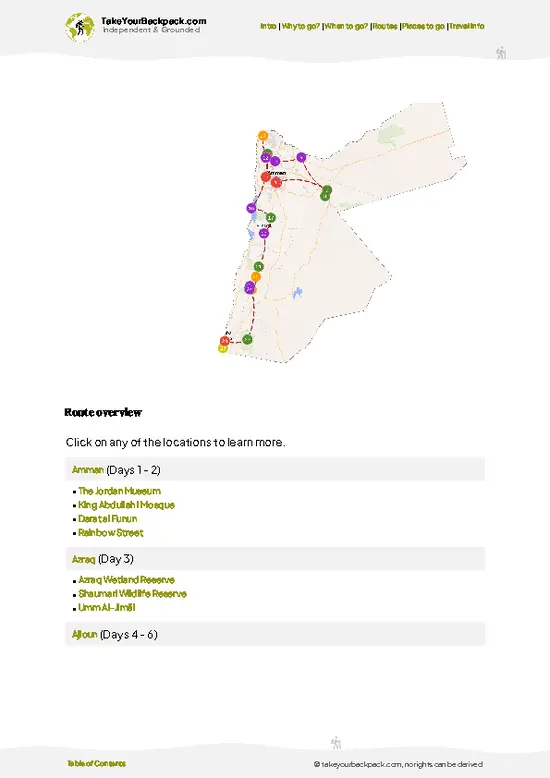
- Shobak (Montreal) Castle — The town’s anchor: a genuine 12th-century Crusader fortress perched above the town. Walk the ruined halls, imagine medieval life, and poke around the masonry that still feels impressively solid.
- Castle chapel and underground cisterns — Inside the castle are small chapels, vaulted rooms and big stone cisterns that speak to how people made this place livable in a harsh landscape; claustrophobic in spots, but fascinating.
- Ramparts and panoramic viewpoints — The castle’s walls give one of the best sunset or early-morning views in the area: sweeping highland vistas that explain why the spot was chosen in the first place.
- Shobak old town core — Narrow lanes and low stone houses where daily life still happens; wandering these streets is the best way to get a feel for
- Shobak (Montreal) Castle — The town’s anchor: a genuine 12th-century Crusader fortress perched above the town. Walk the ruined halls, imagine medieval life, and poke around the masonry that still feels impressively solid.
- Castle chapel and underground cisterns — Inside the castle are small chapels, vaulted rooms and big stone cisterns that speak to how people made this place livable in a harsh landscape; claustrophobic in spots, but fascinating.
- Ramparts and panoramic viewpoints — The castle’s walls give one of the best sunset or early-morning views in the area: sweeping highland vistas that explain why the spot was chosen in the first place.
- Shobak old town core — Narrow lanes and low stone houses where daily life still happens; wandering these streets is the best way to get a feel for the town beyond the guidebook photo of the castle.
- The local souq (market) — Modest and authentic: stalls selling fresh produce, spices, and household goods. It’s where you’ll find local rhythms, bargain for basics, and taste small-town Jordanian life.
- Taboon and street bakeries — Small communal ovens bake pita and saj in the morning. Watch, ask questions, and buy bread straight from the baker for the freshest, cheapest meal in town.
- Central mosque and courtyard — The mosque is the social heart—quiet architecture, friendly locals resting in the courtyard, and a good spot to observe daily routines (be respectful and ask before photographing).
- Traditional stone houses and vernacular architecture — Look for carved lintels, old wooden doors and the way houses are clustered for shade and wind protection; simple but telling details about local building traditions.
- Small, informal handicraft stalls / cooperatives — You won’t find big souvenir malls here, but women’s cooperatives and street stalls often sell embroidered textiles or handcrafts — great for meaningful souvenirs and supporting locals.
- Village walking loops and short hikes — Easy footpaths leave the town and thread through olive groves, terraces and small wadis. Short hikes are the best way to move off the beaten path without needing a full guide.
Spotted a mistake or missing something? Contact us.


 Best Backpacking
 Hi, I’m Johan (Netherlands 🇳🇱), the creator of TakeYourBackpack. Over the past 3 decades, I’ve backpacked through 90+ countries across six continents, gaining extensive experience with independent travel, long-term trips, and overland routes.