v2.webp)


The Nabataean Water Engineering Gallery
Forget the Instagram shots of the Treasury—this is where you see the real genius of Petra. The Nabataeans weren’t just carving tombs; they were hydrological masterminds. This gallery lays out the ancient water channels, cisterns, and dams that made life possible in a desert that wants you dead by noon. You’ll see cross-sections of clay pipes, scale models, and even the original tools. It’s the kind of detail that makes you realize Petra wasn’t just a city—it was a defiant act of survival. If you want to understand why Petra lasted, start here.
The Interactive 3D Model of Petra
You can wander the ruins for days and still miss half the story. The museum’s 3D model is your cheat code. It’s not just a static map; it’s interactive, letting you trace ancient … read more 👉
Forget the Instagram shots of the Treasury—this is where you see the real genius of Petra. The Nabataeans weren’t just carving tombs; they were hydrological masterminds. This gallery lays out the ancient water channels, cisterns, and dams that made life possible in a desert that wants you dead by noon. You’ll see cross-sections of clay pipes, scale models, and even the original tools. It’s the kind of detail that makes you realize Petra wasn’t just a city—it was a defiant act of survival. If you want to understand why Petra lasted, start here.
The Interactive 3D Model of Petra
You can wander the ruins for days and still miss half the story. The museum’s 3D model is your cheat code. It’s not just a static map; it’s interactive, letting you trace ancient … read more 👉
The Nabataean Water Engineering Gallery
Forget the Instagram shots of the Treasury—this is where you see the real genius of Petra. The Nabataeans weren’t just carving tombs; they were hydrological masterminds. This gallery lays out the ancient water channels, cisterns, and dams that made life possible in a desert that wants you dead by noon. You’ll see cross-sections of clay pipes, scale models, and even the original tools. It’s the kind of detail that makes you realize Petra wasn’t just a city—it was a defiant act of survival. If you want to understand why Petra lasted, start here.
The Interactive 3D Model of Petra
You can wander the ruins for days and still miss half the story. The museum’s 3D model is your cheat code. It’s not just a static map; it’s interactive, letting you trace ancient processions, see how the city expanded, and spot the hidden tombs you’ll never find on foot. It’s the difference between seeing a puzzle piece and glimpsing the whole picture. Kids and adults both get hooked—this is where the “lost city” myth gets replaced by real, tangible scale.
The Nabataean Script and Inscriptions Room
Most people walk past the ancient graffiti on Petra’s walls without a second glance. Here, you get the Rosetta Stone treatment. The museum decodes the Nabataean script, showing you how the locals wrote, prayed, and bragged. There’s a tactile thrill in seeing the actual stone slabs and learning how these people left their mark—literally—on history. It’s a crash course in ancient flexing.
The Petra Through the Ages Exhibit
Petra wasn’t frozen in time after Indiana Jones left. This exhibit tracks the city’s transformation from Nabataean stronghold to Roman outpost to a forgotten waypoint on the Silk Road. You’ll see coins, ceramics, and even Byzantine mosaics. The real magic is in the context: Petra was always adapting, always hustling. It’s a reminder that “lost cities” are usually just cities that outlasted their own hype.
The Bedouin Heritage Section
This is my personal favorite. The Bedouin weren’t just squatters in the ruins—they were Petra’s unofficial guardians for centuries. The museum gives them their due, with displays of traditional tents, jewelry, and oral histories. You’ll hear recorded stories from elders who grew up in the caves, dodged tourists, and watched the site go from secret to spectacle. It’s raw, honest, and a necessary antidote to the sanitized version of Petra you’ll see on postcards.
The Archaeological Finds Vault
If you want to see what’s still being unearthed, this is the jackpot. Pottery shards, tools, and even ancient toys—none of it polished for mass appeal, all of it real. The vault rotates its displays, so you might catch a glimpse of something dug up just last season. It’s a reminder that Petra isn’t finished telling its story, no matter how many influencers have already posted it.
Forget the Instagram shots of the Treasury—this is where you see the real genius of Petra. The Nabataeans weren’t just carving tombs; they were hydrological masterminds. This gallery lays out the ancient water channels, cisterns, and dams that made life possible in a desert that wants you dead by noon. You’ll see cross-sections of clay pipes, scale models, and even the original tools. It’s the kind of detail that makes you realize Petra wasn’t just a city—it was a defiant act of survival. If you want to understand why Petra lasted, start here.
The Interactive 3D Model of Petra
You can wander the ruins for days and still miss half the story. The museum’s 3D model is your cheat code. It’s not just a static map; it’s interactive, letting you trace ancient processions, see how the city expanded, and spot the hidden tombs you’ll never find on foot. It’s the difference between seeing a puzzle piece and glimpsing the whole picture. Kids and adults both get hooked—this is where the “lost city” myth gets replaced by real, tangible scale.
The Nabataean Script and Inscriptions Room
Most people walk past the ancient graffiti on Petra’s walls without a second glance. Here, you get the Rosetta Stone treatment. The museum decodes the Nabataean script, showing you how the locals wrote, prayed, and bragged. There’s a tactile thrill in seeing the actual stone slabs and learning how these people left their mark—literally—on history. It’s a crash course in ancient flexing.
The Petra Through the Ages Exhibit
Petra wasn’t frozen in time after Indiana Jones left. This exhibit tracks the city’s transformation from Nabataean stronghold to Roman outpost to a forgotten waypoint on the Silk Road. You’ll see coins, ceramics, and even Byzantine mosaics. The real magic is in the context: Petra was always adapting, always hustling. It’s a reminder that “lost cities” are usually just cities that outlasted their own hype.
The Bedouin Heritage Section
This is my personal favorite. The Bedouin weren’t just squatters in the ruins—they were Petra’s unofficial guardians for centuries. The museum gives them their due, with displays of traditional tents, jewelry, and oral histories. You’ll hear recorded stories from elders who grew up in the caves, dodged tourists, and watched the site go from secret to spectacle. It’s raw, honest, and a necessary antidote to the sanitized version of Petra you’ll see on postcards.
The Archaeological Finds Vault
If you want to see what’s still being unearthed, this is the jackpot. Pottery shards, tools, and even ancient toys—none of it polished for mass appeal, all of it real. The vault rotates its displays, so you might catch a glimpse of something dug up just last season. It’s a reminder that Petra isn’t finished telling its story, no matter how many influencers have already posted it.
Spotted a mistake or missing something? Contact us.

Lasting memories in Petra & Jordan
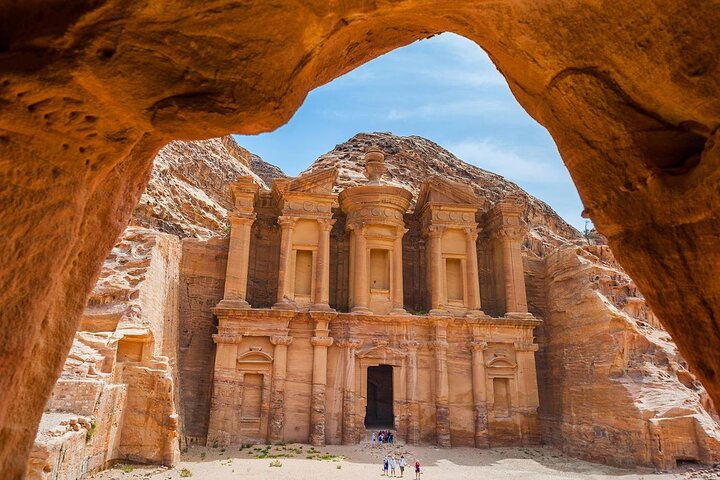
Private 3-Hour Guided Tour of Petra with Hotel Pickup .

Private Transportation-Nayl-fdool

Petra in 3 Hours – Highlights with a private guide

Jordan Private Transportation | The Jordanian Mappers

Petra Back Trail to the Monastery: Private Guided Hike

Dana to Petra Hike Jordan Trail

2 Days Private Tour in Jordan from Wadi Musa

Transportations around Jordan | The Jordanian Mappers


 Best Backpacking
.jpg) Hi, I’m Johan (Netherlands 🇳🇱), the creator of TakeYourBackpack. Over the past 3 decades, I’ve backpacked through 90+ countries across six continents, gaining extensive experience with independent travel, long-term trips, and overland routes.
Hi, I’m Johan (Netherlands 🇳🇱), the creator of TakeYourBackpack. Over the past 3 decades, I’ve backpacked through 90+ countries across six continents, gaining extensive experience with independent travel, long-term trips, and overland routes.