v2.webp)


The Petra Timeline Wall
Forget the dry textbook version of history. This wall is a crash course in Petra’s rise and fall, mapped out visually so you can actually see the city’s wild ride from Bedouin camp to Nabataean powerhouse to Roman annex. It’s not just dates and names—it’s the story of how a desert crossroads became a global legend, and how quickly fortunes can flip in the ancient world. If you want to understand why Petra matters, start here.
Scale Model of Petra
Instagram can’t give you this: a tactile, bird’s-eye view of the entire site, from the Siq to the Monastery. This model is your cheat sheet for the real thing. Trace the canyons with your finger, spot the hidden tombs, and realize just how much you’d miss if you only followed the main tourist drag. It’s a reality check for … read more 👉
Forget the dry textbook version of history. This wall is a crash course in Petra’s rise and fall, mapped out visually so you can actually see the city’s wild ride from Bedouin camp to Nabataean powerhouse to Roman annex. It’s not just dates and names—it’s the story of how a desert crossroads became a global legend, and how quickly fortunes can flip in the ancient world. If you want to understand why Petra matters, start here.
Scale Model of Petra
Instagram can’t give you this: a tactile, bird’s-eye view of the entire site, from the Siq to the Monastery. This model is your cheat sheet for the real thing. Trace the canyons with your finger, spot the hidden tombs, and realize just how much you’d miss if you only followed the main tourist drag. It’s a reality check for … read more 👉
The Petra Timeline Wall
Forget the dry textbook version of history. This wall is a crash course in Petra’s rise and fall, mapped out visually so you can actually see the city’s wild ride from Bedouin camp to Nabataean powerhouse to Roman annex. It’s not just dates and names—it’s the story of how a desert crossroads became a global legend, and how quickly fortunes can flip in the ancient world. If you want to understand why Petra matters, start here.
Scale Model of Petra
Instagram can’t give you this: a tactile, bird’s-eye view of the entire site, from the Siq to the Monastery. This model is your cheat sheet for the real thing. Trace the canyons with your finger, spot the hidden tombs, and realize just how much you’d miss if you only followed the main tourist drag. It’s a reality check for anyone who thinks Petra is just the Treasury and a selfie.
Artifacts Gallery
Here’s where the exhibition earns its keep. You’ll see Nabataean pottery, jewelry, and tools—actual objects pulled from the dust, not just replicas. These aren’t just pretty trinkets; they’re proof of a culture that traded with Rome, Persia, and beyond. The details—incised patterns, unexpected colors—are a reminder that Petra was a living, breathing city, not a movie set. My personal favorite: the delicate glassware, which somehow survived centuries of earthquakes and looters. It’s a quiet miracle.
Interactive Digital Displays
This is where the exhibition shakes off the ‘museum fatigue’ and gets playful. Touchscreens let you peel back layers of Petra’s architecture, see reconstructions of lost facades, and even ‘walk’ through ancient streets. It’s not just for kids—these displays are a fast, fun way to decode what you’ll see outside, especially if you’re not an archaeology buff. The tech isn’t flashy for its own sake; it actually helps you connect the dots.
Bedouin Heritage Section
Petra isn’t just about ancient stones. This section gives the Bedouin story its due, with photos, oral histories, and everyday objects from the people who called Petra home long after the Nabataeans vanished. It’s a necessary gut-check: the site isn’t a fossil, it’s part of a living culture. If you want to understand the real Petra, not just the postcard version, don’t skip this.
Forget the dry textbook version of history. This wall is a crash course in Petra’s rise and fall, mapped out visually so you can actually see the city’s wild ride from Bedouin camp to Nabataean powerhouse to Roman annex. It’s not just dates and names—it’s the story of how a desert crossroads became a global legend, and how quickly fortunes can flip in the ancient world. If you want to understand why Petra matters, start here.
Scale Model of Petra
Instagram can’t give you this: a tactile, bird’s-eye view of the entire site, from the Siq to the Monastery. This model is your cheat sheet for the real thing. Trace the canyons with your finger, spot the hidden tombs, and realize just how much you’d miss if you only followed the main tourist drag. It’s a reality check for anyone who thinks Petra is just the Treasury and a selfie.
Artifacts Gallery
Here’s where the exhibition earns its keep. You’ll see Nabataean pottery, jewelry, and tools—actual objects pulled from the dust, not just replicas. These aren’t just pretty trinkets; they’re proof of a culture that traded with Rome, Persia, and beyond. The details—incised patterns, unexpected colors—are a reminder that Petra was a living, breathing city, not a movie set. My personal favorite: the delicate glassware, which somehow survived centuries of earthquakes and looters. It’s a quiet miracle.
Interactive Digital Displays
This is where the exhibition shakes off the ‘museum fatigue’ and gets playful. Touchscreens let you peel back layers of Petra’s architecture, see reconstructions of lost facades, and even ‘walk’ through ancient streets. It’s not just for kids—these displays are a fast, fun way to decode what you’ll see outside, especially if you’re not an archaeology buff. The tech isn’t flashy for its own sake; it actually helps you connect the dots.
Bedouin Heritage Section
Petra isn’t just about ancient stones. This section gives the Bedouin story its due, with photos, oral histories, and everyday objects from the people who called Petra home long after the Nabataeans vanished. It’s a necessary gut-check: the site isn’t a fossil, it’s part of a living culture. If you want to understand the real Petra, not just the postcard version, don’t skip this.
Spotted a mistake or missing something? Contact us.

Lasting memories in Petra & Jordan
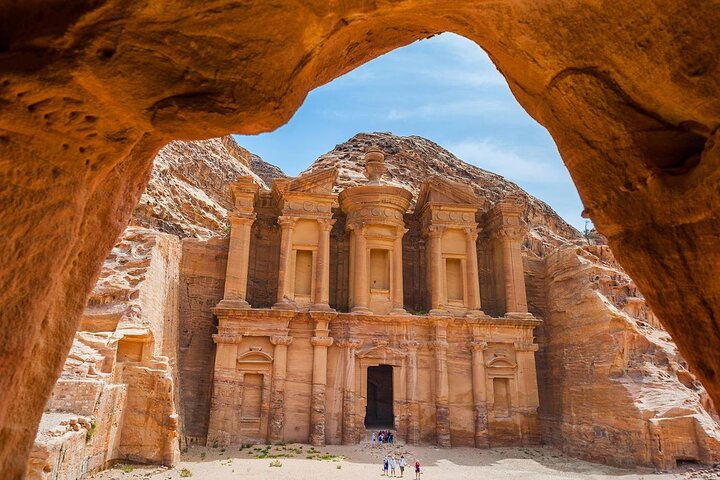
Private 3-Hour Guided Tour of Petra with Hotel Pickup .

Private Transportation-Nayl-fdool

Petra in 3 Hours – Highlights with a private guide

Jordan Private Transportation | The Jordanian Mappers

Petra Back Trail to the Monastery: Private Guided Hike

Dana to Petra Hike Jordan Trail

2 Days Private Tour in Jordan from Wadi Musa

Transportations around Jordan | The Jordanian Mappers


 Best Backpacking
.jpg) Hi, I’m Johan (Netherlands 🇳🇱), the creator of TakeYourBackpack. Over the past 3 decades, I’ve backpacked through 90+ countries across six continents, gaining extensive experience with independent travel, long-term trips, and overland routes.
Hi, I’m Johan (Netherlands 🇳🇱), the creator of TakeYourBackpack. Over the past 3 decades, I’ve backpacked through 90+ countries across six continents, gaining extensive experience with independent travel, long-term trips, and overland routes.