v2.webp)
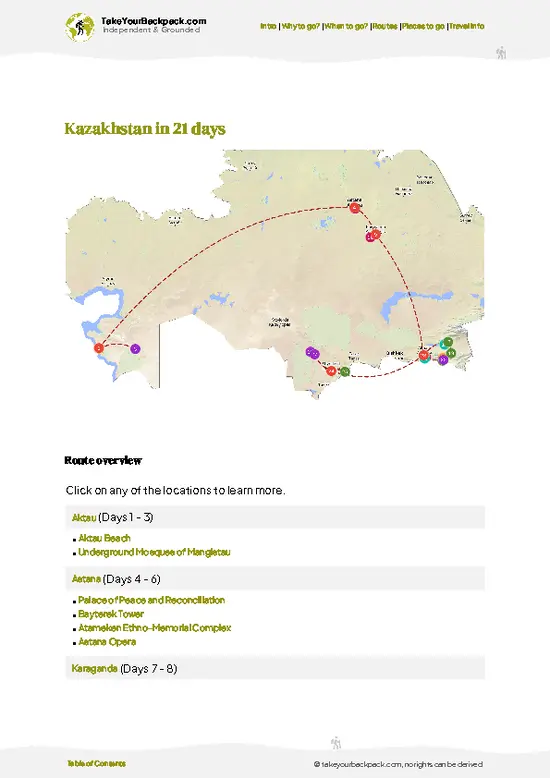
Beket-Ata Underground Mosque
Let’s get real: you’ll see more SUVs than camels in the parking lot, and yes, you’ll share the descent with pilgrims and selfie-hunters alike. But the moment you step into the cool, hand-carved chambers of Beket-Ata, the noise of the outside world drops away. This is not some Instagrammable cave with a filter slapped on; it’s a living, breathing pilgrimage site carved directly into the chalk cliffs. The air is thick with the scent of candle wax and the low hum of prayers. Beket-Ata isn’t just a relic—it’s a crossroads of faith, folklore, and raw Kazakh endurance. The journey down the steep steps is a rite of passage, and the silence inside is the kind that makes you listen to your own heartbeat. If you want to feel the pulse of Mangistau’s spiritual history, this … read more 👉
Let’s get real: you’ll see more SUVs than camels in the parking lot, and yes, you’ll share the descent with pilgrims and selfie-hunters alike. But the moment you step into the cool, hand-carved chambers of Beket-Ata, the noise of the outside world drops away. This is not some Instagrammable cave with a filter slapped on; it’s a living, breathing pilgrimage site carved directly into the chalk cliffs. The air is thick with the scent of candle wax and the low hum of prayers. Beket-Ata isn’t just a relic—it’s a crossroads of faith, folklore, and raw Kazakh endurance. The journey down the steep steps is a rite of passage, and the silence inside is the kind that makes you listen to your own heartbeat. If you want to feel the pulse of Mangistau’s spiritual history, this … read more 👉
Beket-Ata Underground Mosque
Let’s get real: you’ll see more SUVs than camels in the parking lot, and yes, you’ll share the descent with pilgrims and selfie-hunters alike. But the moment you step into the cool, hand-carved chambers of Beket-Ata, the noise of the outside world drops away. This is not some Instagrammable cave with a filter slapped on; it’s a living, breathing pilgrimage site carved directly into the chalk cliffs. The air is thick with the scent of candle wax and the low hum of prayers. Beket-Ata isn’t just a relic—it’s a crossroads of faith, folklore, and raw Kazakh endurance. The journey down the steep steps is a rite of passage, and the silence inside is the kind that makes you listen to your own heartbeat. If you want to feel the pulse of Mangistau’s spiritual history, this is ground zero.
Shakpak-Ata Underground Mosque
Forget the tourist-brochure gloss: Shakpak-Ata is remote, battered by wind, and often empty except for the occasional fox or a local caretaker. That’s the magic. The mosque is a labyrinth of chambers and corridors, carved out of limestone in the 10th century, with walls etched in ancient graffiti—some devotional, some just the handiwork of bored travelers centuries ago. The architecture is a blend of Sufi mysticism and practical desert engineering. Light filters in through small openings, casting patterns that look almost accidental, but every angle was designed for function and faith. If you want solitude and a sense of deep time, this is where you’ll find it.
Sultan-Epe Underground Mosque
Sultan-Epe is the wild card. It’s not easy to reach—expect a bumpy ride and a hike that will shake loose any romantic notions about “untouched” landscapes. But the reward is a mosque that feels like it grew out of the earth itself, hidden in a ravine surrounded by wild sage and the bones of ancient sea creatures. The site is both a necropolis and a sanctuary, with tombs scattered around the entrance and a palpable sense of reverence in the air. Sultan-Epe is where you come to understand that Mangistau’s underground mosques aren’t just places to visit—they’re places to endure, to reflect, and to respect.
Koshkar-Ata Underground Mosque
Koshkar-Ata is the understated sibling—less famous, less crowded, but no less significant. The mosque is carved into a low hill, with a simple, almost austere interior that strips away any distractions. It’s a favorite among locals, who come to pay respects at the tomb of Koshkar-Ata, a legendary Sufi figure. The atmosphere is intimate, the kind of place where you can actually hear your own thoughts. If you’re after authenticity over spectacle, this is your spot.
The Pilgrimage Experience Itself
Here’s the truth: the real magic isn’t in a single chamber or carving. It’s in the journey between these sites—hours of bone-rattling roads, endless horizons, and the camaraderie of fellow travelers who are here for something deeper than a photo op. The landscape is harsh, but the hospitality is legendary. You’ll be offered tea, stories, and maybe a spot on a dusty carpet to rest. This is Mangistau: not easy, not polished, but absolutely worth every mile.
Let’s get real: you’ll see more SUVs than camels in the parking lot, and yes, you’ll share the descent with pilgrims and selfie-hunters alike. But the moment you step into the cool, hand-carved chambers of Beket-Ata, the noise of the outside world drops away. This is not some Instagrammable cave with a filter slapped on; it’s a living, breathing pilgrimage site carved directly into the chalk cliffs. The air is thick with the scent of candle wax and the low hum of prayers. Beket-Ata isn’t just a relic—it’s a crossroads of faith, folklore, and raw Kazakh endurance. The journey down the steep steps is a rite of passage, and the silence inside is the kind that makes you listen to your own heartbeat. If you want to feel the pulse of Mangistau’s spiritual history, this is ground zero.
Shakpak-Ata Underground Mosque
Forget the tourist-brochure gloss: Shakpak-Ata is remote, battered by wind, and often empty except for the occasional fox or a local caretaker. That’s the magic. The mosque is a labyrinth of chambers and corridors, carved out of limestone in the 10th century, with walls etched in ancient graffiti—some devotional, some just the handiwork of bored travelers centuries ago. The architecture is a blend of Sufi mysticism and practical desert engineering. Light filters in through small openings, casting patterns that look almost accidental, but every angle was designed for function and faith. If you want solitude and a sense of deep time, this is where you’ll find it.
Sultan-Epe Underground Mosque
Sultan-Epe is the wild card. It’s not easy to reach—expect a bumpy ride and a hike that will shake loose any romantic notions about “untouched” landscapes. But the reward is a mosque that feels like it grew out of the earth itself, hidden in a ravine surrounded by wild sage and the bones of ancient sea creatures. The site is both a necropolis and a sanctuary, with tombs scattered around the entrance and a palpable sense of reverence in the air. Sultan-Epe is where you come to understand that Mangistau’s underground mosques aren’t just places to visit—they’re places to endure, to reflect, and to respect.
Koshkar-Ata Underground Mosque
Koshkar-Ata is the understated sibling—less famous, less crowded, but no less significant. The mosque is carved into a low hill, with a simple, almost austere interior that strips away any distractions. It’s a favorite among locals, who come to pay respects at the tomb of Koshkar-Ata, a legendary Sufi figure. The atmosphere is intimate, the kind of place where you can actually hear your own thoughts. If you’re after authenticity over spectacle, this is your spot.
The Pilgrimage Experience Itself
Here’s the truth: the real magic isn’t in a single chamber or carving. It’s in the journey between these sites—hours of bone-rattling roads, endless horizons, and the camaraderie of fellow travelers who are here for something deeper than a photo op. The landscape is harsh, but the hospitality is legendary. You’ll be offered tea, stories, and maybe a spot on a dusty carpet to rest. This is Mangistau: not easy, not polished, but absolutely worth every mile.
Spotted a mistake or missing something? Contact us.

 Best Backpacking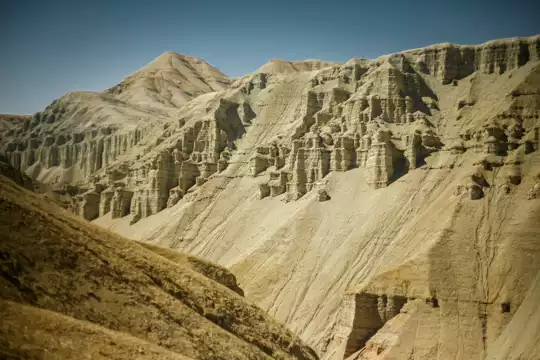
.jpg) Hi, I’m Johan (Netherlands 🇳🇱), the creator of TakeYourBackpack. Over the past 3 decades, I’ve backpacked through 90+ countries across six continents, gaining extensive experience with independent travel, long-term trips, and overland routes.
Hi, I’m Johan (Netherlands 🇳🇱), the creator of TakeYourBackpack. Over the past 3 decades, I’ve backpacked through 90+ countries across six continents, gaining extensive experience with independent travel, long-term trips, and overland routes.