v2.webp)
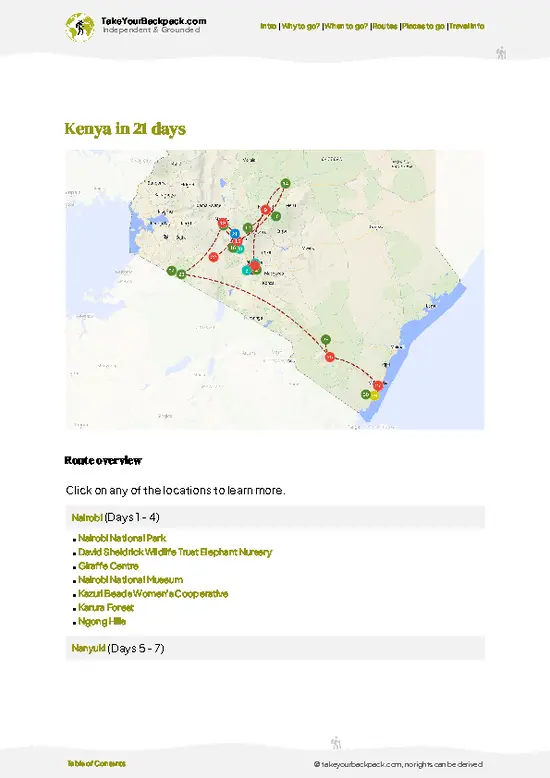
The Original Lunatic Express Locomotives
Let’s cut through the nostalgia: these iron beasts are not just museum pieces—they’re the battered, soot-stained survivors of one of the wildest engineering gambles in colonial Africa. The “Lunatic Express” wasn’t a nickname for nothing; this railway was built through man-eating lion territory, malaria swamps, and political chaos. You can run your hands over the rivets, climb into the driver’s cab, and feel the weight of history that’s more raw and real than any Instagram filter could ever capture. These locomotives are not polished up for tourists; they’re the real, grease-smelling deal.
The Carriage Used by Queen Elizabeth II
Forget Buckingham Palace—this is where royalty met the African wild. The carriage where Princess Elizabeth became Queen (after … read more 👉
Let’s cut through the nostalgia: these iron beasts are not just museum pieces—they’re the battered, soot-stained survivors of one of the wildest engineering gambles in colonial Africa. The “Lunatic Express” wasn’t a nickname for nothing; this railway was built through man-eating lion territory, malaria swamps, and political chaos. You can run your hands over the rivets, climb into the driver’s cab, and feel the weight of history that’s more raw and real than any Instagram filter could ever capture. These locomotives are not polished up for tourists; they’re the real, grease-smelling deal.
The Carriage Used by Queen Elizabeth II
Forget Buckingham Palace—this is where royalty met the African wild. The carriage where Princess Elizabeth became Queen (after … read more 👉
The Original Lunatic Express Locomotives
Let’s cut through the nostalgia: these iron beasts are not just museum pieces—they’re the battered, soot-stained survivors of one of the wildest engineering gambles in colonial Africa. The “Lunatic Express” wasn’t a nickname for nothing; this railway was built through man-eating lion territory, malaria swamps, and political chaos. You can run your hands over the rivets, climb into the driver’s cab, and feel the weight of history that’s more raw and real than any Instagram filter could ever capture. These locomotives are not polished up for tourists; they’re the real, grease-smelling deal.
The Carriage Used by Queen Elizabeth II
Forget Buckingham Palace—this is where royalty met the African wild. The carriage where Princess Elizabeth became Queen (after her father’s death in 1952) is parked right here, and it’s not roped off like some sacred relic. You can actually step inside, see the period furnishings, and imagine the surreal moment when a young woman’s life changed forever, not in London, but on a siding in Kenya. It’s a rare, tactile brush with world history, and it’s got more personality than any palace tour.
The Workshop and Restoration Yard
This is not your average museum backroom. The workshop is alive with the clang of metal and the smell of oil—real engineers, not actors, are here coaxing ancient engines back to life. If you’re lucky, you’ll catch a team mid-restoration, sleeves rolled up, arguing over blueprints. It’s gritty, unscripted, and a window into the stubborn, ingenious spirit that keeps Kenya’s railway legacy rolling. No velvet ropes, no glass cases—just honest, hands-on history.
Railway Memorabilia and Colonial-Era Artifacts
This isn’t a sanitized collection of postcards and uniforms. The museum’s trove of signal lamps, telegraphs, and battered luggage tells the story of migration, ambition, and hardship. Each artifact is a fragment of a much bigger, messier tale—Indian laborers, British administrators, African porters, all woven together by steel and sweat. If you want to understand how Kenya was stitched together, these objects are your Rosetta Stone.
The Outdoor Rolling Stock Graveyard
Out back, the museum’s yard is a graveyard of rusting carriages and wagons, half-swallowed by weeds. It’s not pretty, but it’s honest. You can wander among the hulks, climb up for a photo, and see the scars of decades of hard use. It’s a playground for train geeks, history buffs, and anyone who prefers their stories unvarnished. No crowds, no staged photo ops—just you, the sun, and the ghosts of journeys past.
Let’s cut through the nostalgia: these iron beasts are not just museum pieces—they’re the battered, soot-stained survivors of one of the wildest engineering gambles in colonial Africa. The “Lunatic Express” wasn’t a nickname for nothing; this railway was built through man-eating lion territory, malaria swamps, and political chaos. You can run your hands over the rivets, climb into the driver’s cab, and feel the weight of history that’s more raw and real than any Instagram filter could ever capture. These locomotives are not polished up for tourists; they’re the real, grease-smelling deal.
The Carriage Used by Queen Elizabeth II
Forget Buckingham Palace—this is where royalty met the African wild. The carriage where Princess Elizabeth became Queen (after her father’s death in 1952) is parked right here, and it’s not roped off like some sacred relic. You can actually step inside, see the period furnishings, and imagine the surreal moment when a young woman’s life changed forever, not in London, but on a siding in Kenya. It’s a rare, tactile brush with world history, and it’s got more personality than any palace tour.
The Workshop and Restoration Yard
This is not your average museum backroom. The workshop is alive with the clang of metal and the smell of oil—real engineers, not actors, are here coaxing ancient engines back to life. If you’re lucky, you’ll catch a team mid-restoration, sleeves rolled up, arguing over blueprints. It’s gritty, unscripted, and a window into the stubborn, ingenious spirit that keeps Kenya’s railway legacy rolling. No velvet ropes, no glass cases—just honest, hands-on history.
Railway Memorabilia and Colonial-Era Artifacts
This isn’t a sanitized collection of postcards and uniforms. The museum’s trove of signal lamps, telegraphs, and battered luggage tells the story of migration, ambition, and hardship. Each artifact is a fragment of a much bigger, messier tale—Indian laborers, British administrators, African porters, all woven together by steel and sweat. If you want to understand how Kenya was stitched together, these objects are your Rosetta Stone.
The Outdoor Rolling Stock Graveyard
Out back, the museum’s yard is a graveyard of rusting carriages and wagons, half-swallowed by weeds. It’s not pretty, but it’s honest. You can wander among the hulks, climb up for a photo, and see the scars of decades of hard use. It’s a playground for train geeks, history buffs, and anyone who prefers their stories unvarnished. No crowds, no staged photo ops—just you, the sun, and the ghosts of journeys past.
Spotted a mistake or missing something? Contact us.

3 days Masai Mara on Private 4x4 Land Cruiser

Nairobi Park Wildlife Safari

Masai Mara 3 Days Tour Safari Private 4WD Landcruiser

6 Days Masai Mara, Lake Nakuru and Amboseli Budget Group Safari

Masai Mara 3 Days Luxury Tented Safari

5 Days Maasai mara, Lake Nakuru, samburu private lodge safari

Nairobi National Park, Elephant Orphanage and Giraffe Center Tour

4 Days great of Maasai Mara Lake Nakuru joining safari

Explore Kenya: 5-Day Group Safari Adventure


 Best Backpacking
.jpg) Hi, I’m Johan (Netherlands 🇳🇱), the creator of TakeYourBackpack. Over the past decade, I’ve backpacked through 80+ countries across six continents, gaining extensive experience with independent travel, long-term trips, and overland routes.
Hi, I’m Johan (Netherlands 🇳🇱), the creator of TakeYourBackpack. Over the past decade, I’ve backpacked through 80+ countries across six continents, gaining extensive experience with independent travel, long-term trips, and overland routes.