

×

Kiribati🇰🇮 | landmarksKuria’s ancient stone structurescoral slab platforms, sacred meeting sites, traditional craftsmanship | things to do and best time to go

Explore Bairiki CemeteryExplore Tarawa Atoll

Backpacking in Kuria’s ancient stone structures
🌟 Highlightunique site ranked #2
By Johan Kruseman 🇳🇱 | Updated September 4, 2026

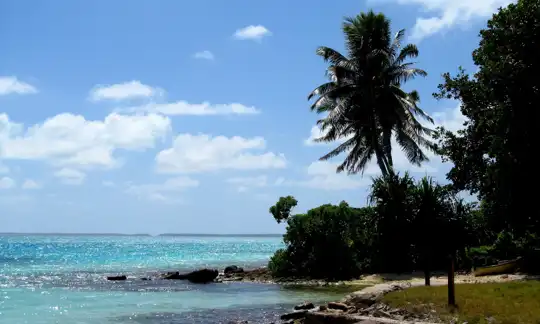
Your bare feet land on cool coral rock, still damp from the night air, and the only sound is wind pushing through pandanus leaves and the low thud of waves on the reef somewhere beyond the trees. You trace a finger along a weathered stone edge, rough and pitted with salt, and realize there’s no sign, no rope, no “do not touch” barrier—just you and these old, stubborn blocks on Kuria, one of the smaller islands in the Gilbert Islands group of Kiribati. Kuria’s ancient stone structures are not a blockbuster sight; they’re a quiet, slightly mysterious relic that rewards patience more than selfies. The wow-factor is subtle, tied to oral history and the feeling of standing where almost no one else bothers to go. Getting here is slow, flights and boats are irregular, and there’s zero infrastructure—but that’s exactly why the place still feels raw, human, and unperformed.

Discover everything you want to know in the 📖 Kiribati Travel Guide.


Get your Kiribati guide
31 ranked highlights, routes & tips, works offline (147 pages)
Loading the map 🌍
CLICK TO FILTER
towns
villages
landmarks
national parks
beaches
attractions
festivals
regions
SHOW COUNTRY’S BESTSHOW ALL

✨ Why go?
Ranked #2 unique site in Kiribati
Why Kuria’s ancient stone structures should be on your travel list

Kuria’s ancient stone structures in Kiribati are a must-see for backpackers who crave authenticity over Instagram filters. Sure, you’ll encounter crowds, especially during peak season, but don’t let that deter you. The effort-to-reward ratio here is off the charts. These structures are not just rocks; they’re a living testament to the ingenuity of the Kiribati people.

You’ll find yourself wandering through mysterious ruins that tell stories of a culture that has thrived against the odds. The accessibility is surprisingly good, with local guides eager to share their knowledge. Plus, it won’t break the bank—entry fees are minimal, making it a low-cost adventure that packs a punch.

Kuria fits seamlessly into a broader route through the Gilbert Islands. Pair your visit with a dip in the nearby … read more 👉
Kuria’s ancient stone structures in Kiribati are a must-see for backpackers who crave authenticity over Instagram filters. Sure, you’ll encounter crowds, especially during peak season, but don’t let that deter you. The effort-to-reward ratio here is off the charts. These structures are not just rocks; they’re a living testament to the ingenuity of the Kiribati people.

You’ll find yourself wandering through mysterious ruins that tell stories of a culture that has thrived against the odds. The accessibility is surprisingly good, with local guides eager to share their knowledge. Plus, it won’t break the bank—entry fees are minimal, making it a low-cost adventure that packs a punch.

Kuria fits seamlessly into a broader route through the Gilbert Islands. Pair your visit with a dip in the nearby pristine lagoons or a chat with locals about their traditions. This isn’t just a stop on your journey; it’s a chance to connect with a place that feels like it’s been overlooked by the mainstream. Trust me, the real magic lies in the stories you’ll carry home, not just the photos.
Want to include Kuria’s ancient stone structures in your Kiribati route?
Create a personalized Kiribati itinerary that includes Kuria’s ancient stone structures and the places that fit your trip — based on your travel style, budget, and available time. Get your route in seconds.

Generate my trip

💡 HighlightsWhat this place is best known for

  • Coral-stone platforms — Massive, hand-laid slabs of coral limestone that form raised ceremonial platforms and house foundations; they look simple from a distance but up close you can see the careful fitting and the way local builders used what the island gives you.
  • Stone pathways and boundary markers — Lines of stones cut through sand and scrub that map out old property lines and village lanes; they’re a quiet way to read how people organized space long before roads or fences.
  • Subtle stonework details — Tool marks, smoothing, cup-marks or simple motifs carved into blocks—nothing flashy, but the little details tell you about techniques, patience, and local aesthetics across generations.
  • Orientation to sea and sky — Many structures are placed with clear sightlines to the ocean or specific
read more 👉
  • Coral-stone platforms — Massive, hand-laid slabs of coral limestone that form raised ceremonial platforms and house foundations; they look simple from a distance but up close you can see the careful fitting and the way local builders used what the island gives you.
  • Stone pathways and boundary markers — Lines of stones cut through sand and scrub that map out old property lines and village lanes; they’re a quiet way to read how people organized space long before roads or fences.
  • Subtle stonework details — Tool marks, smoothing, cup-marks or simple motifs carved into blocks—nothing flashy, but the little details tell you about techniques, patience, and local aesthetics across generations.
  • Orientation to sea and sky — Many structures are placed with clear sightlines to the ocean or specific horizon points; whether for navigation, ritual timing, or seasonal markers, that relationship between stone and sky is what sets the site apart.
  • Coastal setting and tidepool life — The structures sit right where reef meets shore, so exploring the surrounding flats reveals tidepools, seabirds, and reef fish—adds a natural layer to the cultural experience and great light for photography at low tide.
  • Living stories from local guides — Elders and islanders still tell the stories tied to these stones; a short walk with a local guide fills in meanings that archaeology alone can’t—plus it directly supports the community.
  • Fragility and conservation — Erosion, storms, and rising seas are actively reshaping the site; seeing conservation efforts (or talking to people about them) gives perspective on why these places matter now, not just historically.
Spotted a mistake or missing something? Contact us.

🌤️ When to go?Seasonal considerations and timing


  • Weather: Kiribati’s tropical climate means it’s hot and humid year-round, but the dry season from May to October offers more comfortable conditions with less rain. The wet season, November to April, brings heavy showers and unpredictable storms that can disrupt travel plans.

  • Temperature: Expect steady warmth, averaging 28-31°C (82-88°F). Nights cool slightly but rarely dip below 24°C (75°F). The heat is constant, so pack light, breathable gear regardless of when you go.

  • Daylight Hours: Near the equator, daylight stays consistent year-round—about 12 hours daily. No drastic shifts, so your hiking and exploring windows remain stable.

  • Crowds: Don’t expect solitude. Kiria’s ancient stone structures attract a niche crowd mostly during the dry season. The wet season sees fewer visitors but
read more 👉

  • Weather: Kiribati’s tropical climate means it’s hot and humid year-round, but the dry season from May to October offers more comfortable conditions with less rain. The wet season, November to April, brings heavy showers and unpredictable storms that can disrupt travel plans.

  • Temperature: Expect steady warmth, averaging 28-31°C (82-88°F). Nights cool slightly but rarely dip below 24°C (75°F). The heat is constant, so pack light, breathable gear regardless of when you go.

  • Daylight Hours: Near the equator, daylight stays consistent year-round—about 12 hours daily. No drastic shifts, so your hiking and exploring windows remain stable.

  • Crowds: Don’t expect solitude. Kiria’s ancient stone structures attract a niche crowd mostly during the dry season. The wet season sees fewer visitors but also less reliable access to the site.

  • Seasonal Activities: Dry months align with local cultural festivals and traditional fishing seasons, adding layers to your visit beyond just the stones. Wet season limits outdoor activities but offers lush, green landscapes.

  • Price Fluctuations: Costs peak slightly in the dry season due to demand but remain reasonable compared to more mainstream destinations. Wet season travel can yield cheaper accommodation but riskier logistics.


Pro-tip: Aim for the shoulder months of May or October—better weather, fewer crowds, and a chance to catch local life in full swing without the full dry season price hike.


source: climatestotravel.comJANJanuary: fair for travelingFEBFebruary: fair for travelingMARMarch: fair for travelingAPRApril: fair for travelingMAYMay: highly recommended for travelingJUNJune: excellent for travelingJULJuly: excellent for travelingAUGAugust: excellent for travelingSEPSeptember: excellent for travelingOCTOctober: highly recommended for travelingNOVNovember: fair for travelingDECDecember: fair for traveling
when-to-go

✈️ The backpacker research shortcutKiribati Travel Guide

An offline-friendly backpacking guide with optimized travel routes, ranked highlights, transport advice, and the best areas to stay.
example page 0 from our offline Travel Guide for Kiribati
example page 1 from our offline Travel Guide for Kiribati
example page 2 from our offline Travel Guide for Kiribati
example page 3 from our offline Travel Guide for Kiribati
example page 4 from our offline Travel Guide for Kiribati
example page 5 from our offline Travel Guide for Kiribati
example page 6 from our offline Travel Guide for Kiribati
example page 7 from our offline Travel Guide for Kiribati
The digital guide (147 pages) contains:
31 highlights, ranked by travel appeal
Optimized 2, 3 & 5-day travel routes
Cities, national parks, landmarks, beaches
How to get around
Offline-friendly for travel without Wi-Fi
👉 Click to see all 30+ guide features

📅 Plan smarter in minutes, not weeks
Month by month travel advice
Festivals & national holidays
Budget expectations

🗺️ Go to the right places, skip the overrated ones
Honest pros & cons of destinations
Top hikes, parks & viewpoints
Lesser-known places most travelers miss
Clear “worth it vs skip it” guidance

🛏️ Travel smoothly without rookie mistakes
Best areas to stay
Transport systems explained simply
Common scams & safety advice
SIM cards, money & practical tips

🌍 Understand the country, not just visit it
Culture & traditions
52 Essential phrases & customs
Festivals worth planning around
Traveler-friendly historical context
Insights that make places more meaningful

📱 Built for real travel conditions
Fully downloadable PDF
Works completely offline
Optimized for phone use
Useful in remote areas & buses
Everything in one place
Save weeks of stressful planning
Get instant access to your full guide. 30‑day money-back guarantee.
+ Add another guide for just US$7.80

By proceeding you agree to our terms.
Sent to your inbox immediately after payment • 100% Secure Checkout
Best Backpacking Travel Advisor 2025 tourism awardBest Backpacking
Travel Advisor
2025
What others say about Take Your Backpack Guides:
⭐⭐⭐⭐⭐
Fantastic, amazing amount of information!
⭐⭐⭐⭐⭐
My goodness this is amazing, it's what I've been looking for hats off too you!
⭐⭐⭐⭐⭐
I think this is absolutely BRILLIANT
⭐⭐⭐⭐
Very complete and informative. It's still missing places, but I gotta to commend you
⭐⭐⭐⭐⭐
This is truly amazing, thank you, can't wait to explore it with my kids!
⭐⭐⭐⭐⭐
Awesome resource, thank you!
⭐⭐⭐⭐⭐
This is amazing! Can't wait to explore the ones I haven't seen
⭐⭐⭐⭐
I love this! Well done, great idea.
⭐⭐⭐⭐⭐
Thanks for taking the time to make this gem!
⭐⭐⭐⭐⭐
This might be the best website I've ever seen.
⭐⭐⭐⭐⭐
Congratulations, and thank you so much for your work; it's incredibly valuable.
⭐⭐⭐⭐
In all seriousness I think you did a great job pointing out the important spots
⭐⭐⭐⭐⭐
10/10 very good
⭐⭐⭐⭐⭐
As someone who's only just starting to visit regularly this is awesome, thank you.
⭐⭐⭐⭐
Thank you very much! I'm going to visit my dad, it's going to be very useful!
⭐⭐⭐⭐⭐
This is really cool! We'll be travelling for the first time and this definitely come in handy.
⭐⭐⭐⭐⭐
You are now our minister of culture, congratulations 👨‍💼
⭐⭐⭐⭐⭐
Just wanted to tell you that this is a pearl! Going to follow your recommendations.
⭐⭐⭐⭐⭐
This is so cool. I'll definitely be using the resource for my travels soon.
⭐⭐⭐⭐⭐
This is very impressive! Good work.
⭐⭐⭐⭐⭐
This is an amazing and informative site. Very well done!

🛏️ Where to stay?Best areas to stay in Kiribati

When you’re heading to Kuria’s ancient stone structures in Kiribati, you want to find a spot that balances safety, social vibes, and budget-friendliness. The area around the main village is your best bet. It’s where the locals gather, and you’ll feel the pulse of everyday life.

Staying close to the village means you’re just a short walk from the stone structures. You’ll dodge the tourist traps and get a taste of authentic Kiribati culture. The locals are welcoming, and you’ll find plenty of opportunities to connect, whether it’s over a shared meal or a casual chat.

Look for communal accommodations. … read more 👉
When you’re heading to Kuria’s ancient stone structures in Kiribati, you want to find a spot that balances safety, social vibes, and budget-friendliness. The area around the main village is your best bet. It’s where the locals gather, and you’ll feel the pulse of everyday life.

Staying close to the village means you’re just a short walk from the stone structures. You’ll dodge the tourist traps and get a taste of authentic Kiribati culture. The locals are welcoming, and you’ll find plenty of opportunities to connect, whether it’s over a shared meal or a casual chat.

Look for communal accommodations. These spots often have shared kitchens and common areas, perfect for swapping stories with fellow travelers. You’ll meet backpackers from all over, and trust me, those conversations can lead to unexpected adventures.

Safety is generally good, but stick to well-lit areas at night and trust your instincts. The vibe here is laid-back, but it’s always smart to stay aware.

In short, the village area near Kuria offers a genuine experience. You’ll immerse yourself in the local culture while being just steps away from the ancient wonders. That’s the real magic of Kiribati.

👛 Costs (as of 4 September 2026)Travel costs and budget guide for Kuria’s ancient stone structures

Visiting Kuria’s ancient stone structures in Kiribati isn’t just about the sights; it’s about navigating the costs that come with this unique experience.
  • Transportation: Expect to pay around €300 to €600 ($350 to $700) for a round-trip flight from major hubs like Nadi, Fiji. Flights can be infrequent, so book ahead. Once on Kuria, local transport options are limited, and you might need to hire a boat or arrange a guide, which can add another €50 ($60) to your budget.
  • Accommodation: There are few options on Kuria. Basic guesthouses or homestays will set you back about €20 to €50 ($25 to $60) per night. Don’t expect luxury; it’s all about the experience. If you want a more comfortable stay, consider heading to Tarawa, where prices can range from €40 to €100 ($45 to $120) for better facilities.
read more 👉
Visiting Kuria’s ancient stone structures in Kiribati isn’t just about the sights; it’s about navigating the costs that come with this unique experience.
  • Transportation: Expect to pay around €300 to €600 ($350 to $700) for a round-trip flight from major hubs like Nadi, Fiji. Flights can be infrequent, so book ahead. Once on Kuria, local transport options are limited, and you might need to hire a boat or arrange a guide, which can add another €50 ($60) to your budget.
  • Accommodation: There are few options on Kuria. Basic guesthouses or homestays will set you back about €20 to €50 ($25 to $60) per night. Don’t expect luxury; it’s all about the experience. If you want a more comfortable stay, consider heading to Tarawa, where prices can range from €40 to €100 ($45 to $120) for better facilities.
  • Food: Meals are simple and local. Budget around €5 to €15 ($6 to $18) per meal at local eateries. If you’re staying in a homestay, meals might be included, which can save you some cash. Just be prepared for a limited menu focused on fresh fish and local produce.
  • Activities: Visiting the stone structures is often free, but hiring a local guide can enhance your experience. Guides typically charge around €20 to €40 ($25 to $50) for a half-day tour. This investment is worth it for the insights into the history and culture that you won’t get from a brochure.
  • Miscellaneous: Don’t forget to budget for small expenses like souvenirs or tips. Set aside around €10 to €30 ($12 to $35) for these extras. It’s a small price to pay for supporting local artisans and showing appreciation for your guides.

In total, a week on Kuria could cost you anywhere from €600 to €1,200 ($700 to $1,400), depending on your choices. It’s not a cheap trip, but the authentic experience of Kuria’s ancient stone structures is a journey that goes beyond the price tag.
⚠️ Prices can change and everyone travels differently, so take this as a rough guide. Hope it helps you plan your adventure!

FAQCommon questions from travelers

Kuria’s ancient stone structures are traditional ruins made from coral limestone, believed to be remnants of early Kiribati settlements dating back several centuries. These include stone platforms and walls used for ceremonial and residential purposes. They provide insight into the island's prehistoric culture and architecture.
Visiting Kuria’s ancient stone structures typically requires about half a day to fully explore and appreciate the site. This allows time for walking between different structures and taking photographs. Plan for at least 4 hours to avoid rushing.
To reach Kuria’s ancient stone structures, you must first fly to Kuria Island, usually via a domestic flight from Tarawa, the capital of Kiribati. From the island’s main village, the site is accessible by a short walk or local transport, generally within 2 kilometers.
⚠️ Things can change over time, so always validate details locally before you go.

Other I-Kiribati landmarks near Kuria’s ancient stone structures

Explore more nearby:

  • Bairiki Cemetery—oceanfront graves, colonial-era headstones, local memorials| 133 km away
  • Tarawa Atoll—lagoon villages, WWII relics, tidal causeways, mangrove edges| 146 km away

💡 Not sure where to go next?
Create a personalized itinerary for Kiribati including Kuria’s ancient stone structures and the places that fit your trip.

Generate my itinerary

👉 Discover all landmarks

Or checkout all Kiribati has to offer (think cities, towns, villages, national parks, hikes, beaches, festivals)
Country photo of Kiribati

We 💚 feedbackKey takeaways before you go

Kuria’s ancient stone structures are a trip back in time, but don’t expect solitude. Crowds can be a buzzkill, especially during peak season. The real magic? The vibe of the locals—genuine, welcoming, and proud of their heritage. You’ll stumble upon stories that aren’t in any guidebook. Just a heads-up: the heat can be relentless, so hydrate and take your time. Embrace the imperfections; they’re part of the charm. This isn’t just a destination; it’s a slice of life that’ll stick with you.

✍️ Help improve this page!
The information on this page is based on in-depth research, insights shared by experienced travelers, and feedback from the local travel community in Kiribati. While every effort is made to keep the information accurate and current, conditions can change — so if you spot anything incorrect or outdated, please get in touch.


🙋‍♂️ Give feedback

👋 Meet the founderWho’s Behind Take Your Backpack?

Johan, backpacker and founder of TakeYourBackpackHi, I’m Johan (Netherlands 🇳🇱), the creator of TakeYourBackpack. Over the past decade, I’ve backpacked through 80+ countries across six continents, gaining extensive experience with independent travel, long-term trips, and overland routes.

This site is built on a combination of firsthand travel experience and carefully curated insights from other backpackers. Many guides are based on places I’ve personally visited, while others bring together tips, observations, and practical advice shared by trusted travelers I’ve met along the way.

The goal is to provide realistic, experience-driven guidance — not generic itineraries — so you can explore destinations with better context, clearer expectations, and more confidence.

Get full Kiribati guide •
Instant download • 31 highlights • Full Offline guide