v2.webp)
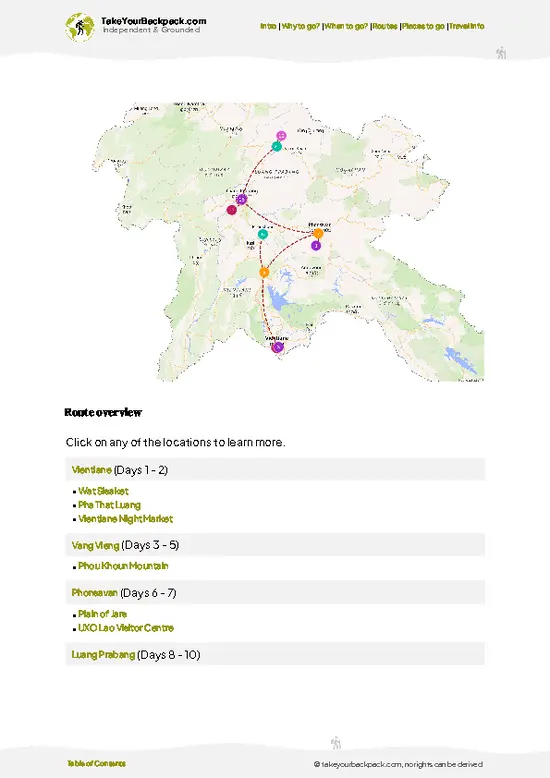
The Golden Stupa Up Close
Forget the drone shots and travel posters—standing at the base of Pha That Luang’s golden stupa is a different animal. The gold leaf isn’t just for show; it’s a statement of Laos’ national identity, and it glows with a kind of stubborn pride in the midday sun. The scale is imposing, but the real thrill is in the details: the chipped corners, the uneven gilding, the sense that this monument has survived centuries of invasion, theft, and restoration. It’s not pristine, and that’s exactly why it feels alive.
Morning Monk Procession
Arrive early—before the tour buses and selfie sticks. If you’re lucky, you’ll catch the saffron-robed monks circling the stupa in silent meditation. There’s no choreography for tourists here. The ritual is for them, not for you, and that’s … read more 👉
Forget the drone shots and travel posters—standing at the base of Pha That Luang’s golden stupa is a different animal. The gold leaf isn’t just for show; it’s a statement of Laos’ national identity, and it glows with a kind of stubborn pride in the midday sun. The scale is imposing, but the real thrill is in the details: the chipped corners, the uneven gilding, the sense that this monument has survived centuries of invasion, theft, and restoration. It’s not pristine, and that’s exactly why it feels alive.
Morning Monk Procession
Arrive early—before the tour buses and selfie sticks. If you’re lucky, you’ll catch the saffron-robed monks circling the stupa in silent meditation. There’s no choreography for tourists here. The ritual is for them, not for you, and that’s … read more 👉
The Golden Stupa Up Close
Forget the drone shots and travel posters—standing at the base of Pha That Luang’s golden stupa is a different animal. The gold leaf isn’t just for show; it’s a statement of Laos’ national identity, and it glows with a kind of stubborn pride in the midday sun. The scale is imposing, but the real thrill is in the details: the chipped corners, the uneven gilding, the sense that this monument has survived centuries of invasion, theft, and restoration. It’s not pristine, and that’s exactly why it feels alive.
Morning Monk Procession
Arrive early—before the tour buses and selfie sticks. If you’re lucky, you’ll catch the saffron-robed monks circling the stupa in silent meditation. There’s no choreography for tourists here. The ritual is for them, not for you, and that’s what makes it powerful. The air is thick with incense and the low hum of chanting. It’s a rare, unscripted moment of spiritual gravity in a world obsessed with photo ops.
The Outer Cloister Galleries
Most visitors snap a photo and leave, but the real stories are in the cloistered galleries that ring the stupa. Here you’ll find battered Buddha statues, some missing heads or hands, lined up like survivors of a long war. Each statue is a relic of Laos’ turbulent history—invaders have looted, locals have rebuilt, and the scars are visible. It’s a crash course in resilience, told in stone and bronze.
The That Luang Festival (Boun That Luang)
If you can time your visit for November, the stupa transforms into the beating heart of Laos’ biggest religious festival. This isn’t some sanitized cultural show. The festival is chaotic, loud, and deeply local—think candlelit processions, booming drums, and a crush of pilgrims camping out on the lawns. You’ll see everything from ancient Buddhist rituals to impromptu street food feasts. It’s Laos at full volume, and it’s worth planning your entire trip around.
The Local Pilgrims
Skip the guided tour and sit on the grass with the Lao families who come to picnic, pray, and gossip. The stupa isn’t just a monument; it’s a living part of daily life. Watch as grandmothers tie cotton strings around their grandchildren’s wrists for luck, or as teenagers sneak selfies behind their elders’ backs. This is where you see the real heartbeat of Vientiane—unfiltered, unhurried, and utterly human.
The View from the Perimeter
Don’t just stare at the stupa—walk the perimeter. The contrast is jarring: gold spires rising above a patchwork of crumbling colonial buildings, Soviet-era monuments, and the sprawl of modern Vientiane. It’s a visual history lesson in a single 360-degree turn. The stupa isn’t isolated from the city; it’s tangled up in its contradictions, and that’s what makes it fascinating.
Forget the drone shots and travel posters—standing at the base of Pha That Luang’s golden stupa is a different animal. The gold leaf isn’t just for show; it’s a statement of Laos’ national identity, and it glows with a kind of stubborn pride in the midday sun. The scale is imposing, but the real thrill is in the details: the chipped corners, the uneven gilding, the sense that this monument has survived centuries of invasion, theft, and restoration. It’s not pristine, and that’s exactly why it feels alive.
Morning Monk Procession
Arrive early—before the tour buses and selfie sticks. If you’re lucky, you’ll catch the saffron-robed monks circling the stupa in silent meditation. There’s no choreography for tourists here. The ritual is for them, not for you, and that’s what makes it powerful. The air is thick with incense and the low hum of chanting. It’s a rare, unscripted moment of spiritual gravity in a world obsessed with photo ops.
The Outer Cloister Galleries
Most visitors snap a photo and leave, but the real stories are in the cloistered galleries that ring the stupa. Here you’ll find battered Buddha statues, some missing heads or hands, lined up like survivors of a long war. Each statue is a relic of Laos’ turbulent history—invaders have looted, locals have rebuilt, and the scars are visible. It’s a crash course in resilience, told in stone and bronze.
The That Luang Festival (Boun That Luang)
If you can time your visit for November, the stupa transforms into the beating heart of Laos’ biggest religious festival. This isn’t some sanitized cultural show. The festival is chaotic, loud, and deeply local—think candlelit processions, booming drums, and a crush of pilgrims camping out on the lawns. You’ll see everything from ancient Buddhist rituals to impromptu street food feasts. It’s Laos at full volume, and it’s worth planning your entire trip around.
The Local Pilgrims
Skip the guided tour and sit on the grass with the Lao families who come to picnic, pray, and gossip. The stupa isn’t just a monument; it’s a living part of daily life. Watch as grandmothers tie cotton strings around their grandchildren’s wrists for luck, or as teenagers sneak selfies behind their elders’ backs. This is where you see the real heartbeat of Vientiane—unfiltered, unhurried, and utterly human.
The View from the Perimeter
Don’t just stare at the stupa—walk the perimeter. The contrast is jarring: gold spires rising above a patchwork of crumbling colonial buildings, Soviet-era monuments, and the sprawl of modern Vientiane. It’s a visual history lesson in a single 360-degree turn. The stupa isn’t isolated from the city; it’s tangled up in its contradictions, and that’s what makes it fascinating.
Spotted a mistake or missing something? Contact us.

Vientiane Cultural Tour with Private Guide
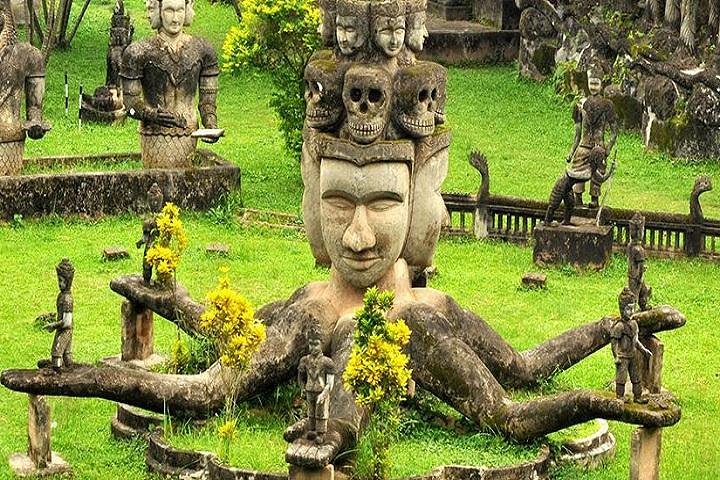
Private Tour: Vientiane City Tour Full Day with Buddha Park
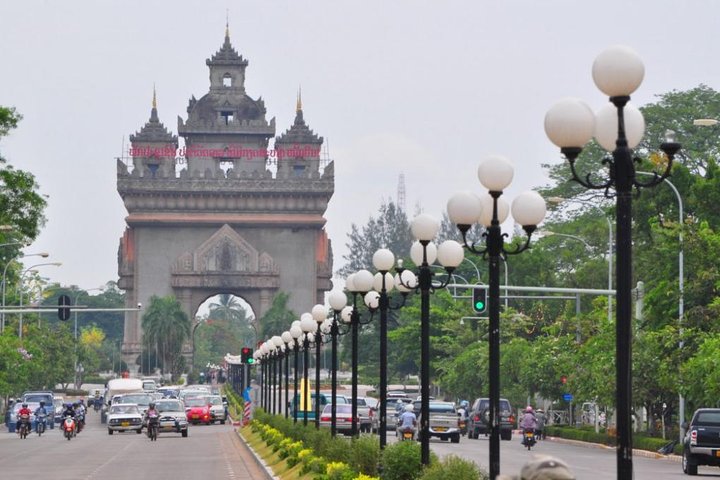
Vientiane Half-Day City Tour

Vientiane Private Full-Day Tour with Buddha Park and Lunch

Vientiane Landmarks and Cultural Immersion Tour

Private Full Day Vientiane City Tour
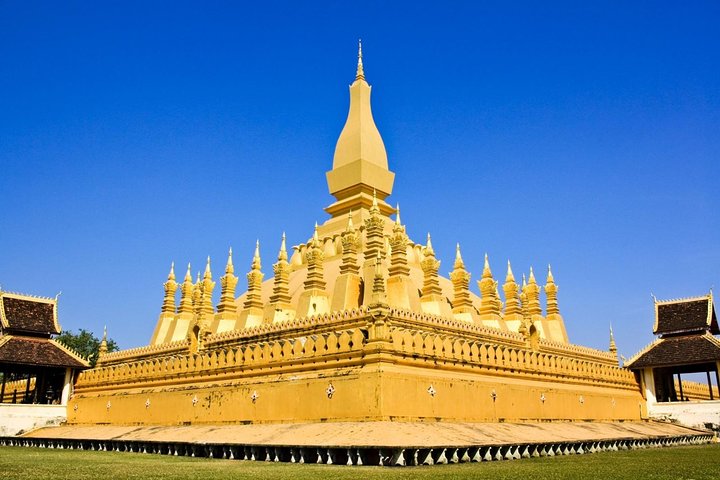
Vientiane City Day Tour and Buddha Park Visit with Lunch | Laos

Half-Day Vientiane City Bike Tour | Laos

6-Day Best Laos Private Tour with 4-star Hotels, Fully Guided


 Best Backpacking
.jpg) Hi, I’m Johan (Netherlands 🇳🇱), the creator of TakeYourBackpack. Over the past 3 decades, I’ve backpacked through 90+ countries across six continents, gaining extensive experience with independent travel, long-term trips, and overland routes.
Hi, I’m Johan (Netherlands 🇳🇱), the creator of TakeYourBackpack. Over the past 3 decades, I’ve backpacked through 90+ countries across six continents, gaining extensive experience with independent travel, long-term trips, and overland routes.