×

Laos🇱🇦 | townsPhongsali
tea plantations, mountain ridges, remote hill town | things to do and best time to go

Explore Huay XaiExplore Sam Neua

Backpacking in Phongsali
👌 Worth visitingtown ranked #7
By Johan Kruseman 🇳🇱 | Updated May 9, 2026

Everyone talks about Phongsali for the “remote ethnic trekking” badge, like it’s just a box to tick on a hardcore Laos route. The real reason to come is slower: the cool mountain air, the smoky smell of wood fires at dusk, the way the hills fade into China and Vietnam in soft layers. Phongsali sits in the far north of Laos, high in the mountains, closer in feel to Yunnan than to Luang Prabang.

The town itself is small, steep, and a bit scruffy, with a walkable old quarter and a hilltop stupa viewpoint that earns its sunsets. It works best as a base for multi-day village treks and tea-growing visits, not as a nightlife stop or transport hub. Buses are long, winding, and tiring; once you’re here, you mostly walk. A few guesthouses and simple cafés make it easy enough to meet the handful of other backpackers who’ve made the effort, but this is quieter and more local than Muang Ngoy or Nong Khiaw, cheaper than Luang Prabang, and safer than it looks at first glance. You come here to lean into the remoteness, not to be entertained.

Discover everything you want to know in the 📖 Laos Travel Guide.
Loading the map 🌍
CLICK TO FILTER
city
town
village
unique site
national park
hike
beach
attraction
festival
region
SHOW COUNTRY‘S BESTSHOW ALL

✨ Why go?
Ranked #7 town in Laos
What makes this town worth visiting

Phongsali is a backpacker’s haven that serves as a gateway to Laos’ stunning northern landscapes. Nestled in the mountains, it’s a launchpad for hikes that lead to breathtaking viewpoints and remote villages, where you can immerse yourself in local culture. The walkable streets are lined with small-scale hostels and guesthouses, offering a cozy atmosphere that invites you to linger. Here, you’ll find friendly locals and fellow travelers sharing stories over bowls of steaming noodle soup, creating a sense of community that feels genuine.

Most backpackers tend to stay a few days, soaking in the slow pace and the chance to recharge. This isn’t a party town; it’s perfect for solo travelers or small groups looking for a more intimate experience. The air is crisp, the scents of street food waft … read more 👉
Phongsali is a backpacker’s haven that serves as a gateway to Laos’ stunning northern landscapes. Nestled in the mountains, it’s a launchpad for hikes that lead to breathtaking viewpoints and remote villages, where you can immerse yourself in local culture. The walkable streets are lined with small-scale hostels and guesthouses, offering a cozy atmosphere that invites you to linger. Here, you’ll find friendly locals and fellow travelers sharing stories over bowls of steaming noodle soup, creating a sense of community that feels genuine.

Most backpackers tend to stay a few days, soaking in the slow pace and the chance to recharge. This isn’t a party town; it’s perfect for solo travelers or small groups looking for a more intimate experience. The air is crisp, the scents of street food waft through the alleys, and the vibe is relaxed. If you’re seeking adventure without the chaos, Phongsali is a worthwhile stop on your journey through Laos.
Get the complete Travel Guide for Laos
Everything organized for offline planning — routes, highlights, costs & tips

See what’s inside 👉

Get the Travel Guide -

💡 HighlightsPlaces and moments you shouldn't skip

  • Phongsaly Morning Market — The energetic heart of town where dozens of ethnic groups meet: fresh mountain vegetables, whole smoked fish, piles of local tea, and vivid traditional dress. Great for photography and seeing daily life up close.
  • Old Chinese Quarter (Yunnan traders’ houses) — A compact cluster of stone and brick merchant houses left by Yunnan traders. The architecture and narrow lanes tell the story of Phongsaly’s trade links with southern China and make for a very atmospheric stroll.
  • French-colonial Main Street — Weathered wooden villas, shuttered balconies and a slow, colonial-era vibe along the main drag. It’s not polished, but walking here gives a real feel for the town’s layered history.
  • Phou Fa hill viewpoint and pagoda — A short climb above town that rewards you with
read more 👉
  • Phongsaly Morning Market — The energetic heart of town where dozens of ethnic groups meet: fresh mountain vegetables, whole smoked fish, piles of local tea, and vivid traditional dress. Great for photography and seeing daily life up close.
  • Old Chinese Quarter (Yunnan traders’ houses) — A compact cluster of stone and brick merchant houses left by Yunnan traders. The architecture and narrow lanes tell the story of Phongsaly’s trade links with southern China and make for a very atmospheric stroll.
  • French-colonial Main Street — Weathered wooden villas, shuttered balconies and a slow, colonial-era vibe along the main drag. It’s not polished, but walking here gives a real feel for the town’s layered history.
  • Phou Fa hill viewpoint and pagoda — A short climb above town that rewards you with sweeping views over Phongsaly’s roofs and surrounding mountains (especially beautiful at sunrise or late afternoon). There’s a small stupa/temple near the top worth a quick visit.
  • Tea merchants and antique tea warehouses — Phongsaly is famous for old-growth tea. In town you can visit small tea shops and warehouses, taste aged leaf, and learn how local traders sort and store the leaves—an authentic, sensory experience.
  • Phongsaly Provincial Museum — A modest provincial museum with ethnographic displays, textiles, tools and local history. It’s small but useful for context before you explore surrounding villages.
  • Town wat (central Buddhist temple) — The main Buddhist temple in town offers typical Lao temple architecture, daily rituals and a chance to watch monks and locals—good for relaxed cultural observation and photos (be respectful inside).
  • Weaving and textile workshops — Small shops and family workshops where you can watch hill-tribe women dye and weave traditional cloth, buy authentic textiles, and learn about patterns tied to particular ethnic groups.
  • Night/evening food stalls on the main street — Once the sun dips the center street fills with stalls selling noodle soups, grilled meats and sweets. It’s low-cost, tasty and a great way to mingle with locals after market hours.
  • Riverside stretch and small quays — The riverbanks near town are calm places to watch river traffic, see small boats loading tea or goods, and enjoy a low-key riverside stroll—useful for quiet reflection and local scenes.

Nearby day-trip highlights include visiting the surrounding tea-growing villages and hill-tribe hamlets (where much of Phongsaly’s antique tea comes from), the border town of Boten further north, and several nearby hill viewpoints and trekking trails that give a broader view of the province.
Spotted a mistake or missing something? Contact us.

🏘️ NeighborhoodsWhere things are and how it's laid out

Phongsali is a captivating blend of culture and nature, where the air is thick with the scent of pine and the sounds of daily life hum softly in the background. Here’s how to navigate its neighborhoods for the best experience.

Downtown Phongsali: This is the heart of the town, where you’ll find local markets and street food stalls. The vibe is lively yet laid-back, perfect for short stays. Everything is within walking distance, making it easy to explore. Nightlife is minimal, but you can enjoy a quiet evening at a local café. Budget-friendly accommodations abound, catering to backpackers.

Ban Phong: Just a short walk from downtown, this area offers a more tranquil atmosphere. It’s ideal for longer stays, with guesthouses that provide a homier feel. The streets are less crowded, allowing … read more 👉
Phongsali is a captivating blend of culture and nature, where the air is thick with the scent of pine and the sounds of daily life hum softly in the background. Here’s how to navigate its neighborhoods for the best experience.

Downtown Phongsali: This is the heart of the town, where you’ll find local markets and street food stalls. The vibe is lively yet laid-back, perfect for short stays. Everything is within walking distance, making it easy to explore. Nightlife is minimal, but you can enjoy a quiet evening at a local café. Budget-friendly accommodations abound, catering to backpackers.

Ban Phong: Just a short walk from downtown, this area offers a more tranquil atmosphere. It’s ideal for longer stays, with guesthouses that provide a homier feel. The streets are less crowded, allowing for peaceful strolls. You’ll find a few small eateries here, but nightlife is virtually non-existent. The surrounding nature invites exploration, making it a great base for day hikes.

Ban Nam Ou: A bit further out, this neighborhood is perfect for those seeking adventure. It’s less walkable, so renting a bike is advisable. The vibe is rustic and authentic, with fewer tourists. Accommodations are simple but affordable. This area is best for longer stays, as it offers access to stunning hikes and local villages, immersing you in the culture.

⌛️ 1 dayA smart one-day plan

Phongsali, Laos, is a town that feels like a well-kept secret, tucked away in the northern mountains. Its charm lies in the blend of ethnic diversity, lush landscapes, and a slower pace of life. You’ll find yourself surrounded by the scent of fresh herbs and the sound of distant laughter, as locals go about their daily routines.

Start your morning with a stroll through the vibrant market. The air is thick with the aroma of grilled meats and sweet sticky rice. Grab a breakfast of khao soi, a local noodle soup, from one of the stalls. It’s a warm embrace in a bowl, perfect for fueling your day. After breakfast, head to the nearby Phou Fa Mountain. The hike is steep but rewarding, offering panoramic views of the terraced rice fields and the misty mountains beyond. The morning light casts a … read more 👉
Phongsali, Laos, is a town that feels like a well-kept secret, tucked away in the northern mountains. Its charm lies in the blend of ethnic diversity, lush landscapes, and a slower pace of life. You’ll find yourself surrounded by the scent of fresh herbs and the sound of distant laughter, as locals go about their daily routines.

Start your morning with a stroll through the vibrant market. The air is thick with the aroma of grilled meats and sweet sticky rice. Grab a breakfast of khao soi, a local noodle soup, from one of the stalls. It’s a warm embrace in a bowl, perfect for fueling your day. After breakfast, head to the nearby Phou Fa Mountain. The hike is steep but rewarding, offering panoramic views of the terraced rice fields and the misty mountains beyond. The morning light casts a golden hue, making every step feel like a small victory.

In the afternoon, wander through the Old Quarter. This area is less frequented by tourists, where you can find charming wooden houses and small shops selling handmade crafts. Stop by the local weaving workshop; the intricate patterns and vibrant colors are mesmerizing. Engaging with artisans here gives you a deeper appreciation for their craft.

As evening approaches, make your way to the viewpoint at Wat Chom Khao. The sunset paints the sky in shades of orange and pink, a perfect backdrop for reflection. For dinner, seek out a family-run eatery where you can savor laap, a traditional minced meat salad, paired with fresh herbs. The flavors burst in your mouth, a fitting end to a day that’s both adventurous and enriching.
Build the Right Itinerary
Use the Laos Travel Guide’s 5, 10 & 15-day routes as a starting point to plan a trip that actually works on the ground.

Get the Travel Guide -

🌤️ When to go?Seasonal considerations and timing


  • Weather: The dry season from November to February is your best bet—cool, crisp air with almost no rain. Expect daytime temps around 15-22°C (59-72°F), perfect for trekking without sweating buckets or slipping on mud.

  • Temperature: Nights can dip to 5°C (41°F) in the highlands, so pack layers. The contrast between chilly mornings and warm afternoons means you’ll appreciate that lightweight jacket and breathable shirts.

  • Daylight Hours: Around 11-12 hours of daylight during the dry season gives you plenty of time to explore without rushing. The sun rises around 6:30 AM and sets near 6:30 PM, bathing the hills in golden light perfect for photos.

  • Crowds: Phongsali stays low-key year-round, but the dry season draws a modest bump in visitors. You’ll find a few more fellow trekkers, but nothing
read more 👉

  • Weather: The dry season from November to February is your best bet—cool, crisp air with almost no rain. Expect daytime temps around 15-22°C (59-72°F), perfect for trekking without sweating buckets or slipping on mud.

  • Temperature: Nights can dip to 5°C (41°F) in the highlands, so pack layers. The contrast between chilly mornings and warm afternoons means you’ll appreciate that lightweight jacket and breathable shirts.

  • Daylight Hours: Around 11-12 hours of daylight during the dry season gives you plenty of time to explore without rushing. The sun rises around 6:30 AM and sets near 6:30 PM, bathing the hills in golden light perfect for photos.

  • Crowds: Phongsali stays low-key year-round, but the dry season draws a modest bump in visitors. You’ll find a few more fellow trekkers, but nothing that spoils the quiet charm.

  • Seasonal Activities: November to February aligns with local festivals and harvest time, offering a peek into traditional life and fresh mountain produce. The air smells of wood smoke and ripe fruit—an authentic sensory treat.

  • Price Fluctuations: Expect slightly higher prices for guesthouses and guides during the dry season, but the trade-off is worth it for reliable trails and clear skies. Off-season rates drop, but rain and mud can slow you down.


Pro-tip: Aim for late November or early December—cool, dry, fewer crowds, and the landscape is just waking up from the wet season’s lushness, making every step feel like a fresh discovery.


source: climatestotravel.comJANJanuary: excellent for travelingFEBFebruary: excellent for travelingMARMarch: good for travelingAPRApril: fair for travelingMAYMay: below average for travelingJUNJune: below average for travelingJULJuly: below average for travelingAUGAugust: below average for travelingSEPSeptember: fair for travelingOCTOctober: good for travelingNOVNovember: excellent for travelingDECDecember: excellent for traveling
when-to-go

✈️ The backpacker research shortcutLaos Travel Guide

An offline-friendly backpacking guide with optimized travel routes, ranked highlights, transport advice, and the best areas to stay.
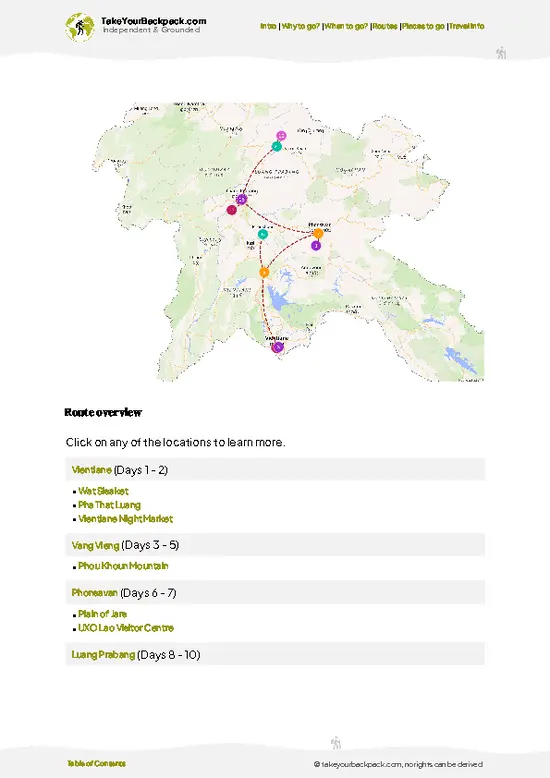
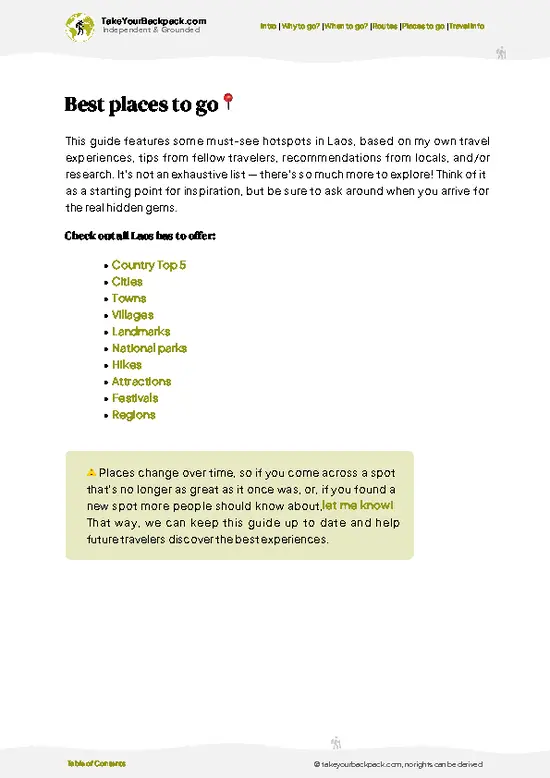
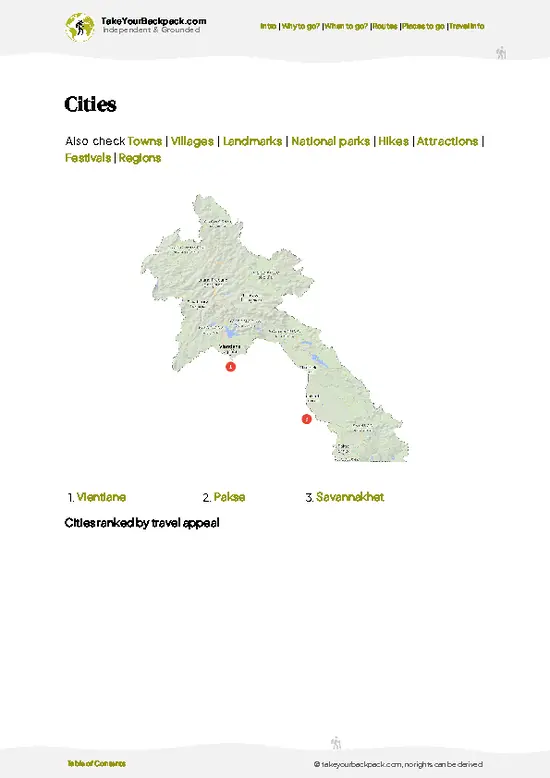
example page 0 from our offline Travel Guide for Laosexample page 1 from our offline Travel Guide for Laosexample page 2 from our offline Travel Guide for Laosexample page 3 from our offline Travel Guide for Laosexample page 4 from our offline Travel Guide for Laosexample page 5 from our offline Travel Guide for Laos
The digital guide (265 pages) contains:
80 highlights, ranked by travel appeal
Optimized 5, 10 & 15-day travel routes
Best neighborhoods to stay
How to get around
Offline-friendly for travel without Wi-Fi
👉 See all 30+ guide features

📅 Plan smarter in minutes, not weeks
Month by month travel advice
Festivals & national holidays
Budget expectations

🗺️ Go to the right places, skip the overrated ones
Honest pros & cons of destinations
Top hikes, parks & viewpoints
Lesser-known places most travelers miss
Clear “worth it vs skip it” guidance

🛏️ Travel smoothly without rookie mistakes
Best areas to stay
Transport systems explained simply
Common scams & safety advice
SIM cards, money & practical tips

🌍 Understand the country, not just visit it
Culture & traditions
52 Essential phrases & customs
Festivals worth planning around
Traveler-friendly historical context
Insights that make places more meaningful

📱 Built for real travel conditions
Fully downloadable PDF
Works completely offline
Optimized for phone use
Useful in remote areas & buses
Everything in one place
Save weeks of stressful planning
Get instant access to the full guide directly. 30-day money-back guarantee.


Sent to your inbox immediately after payment • 100% Secure Checkout
Best Backpacking Travel Advisor 2025 tourism awardBest Backpacking
Travel Advisor
2025
What others say about Take Your Backpack Guides:
⭐⭐⭐⭐⭐
Fantastic, amazing amount of information!
⭐⭐⭐⭐⭐
My goodness this is amazing, it's what I've been looking for hats off too you!
⭐⭐⭐⭐⭐
I think this is absolutely BRILLIANT
⭐⭐⭐⭐
Very complete and informative. It's still missing places, but I gotta to commend you
⭐⭐⭐⭐⭐
This is truly amazing, thank you, can't wait to explore it with my kids!
⭐⭐⭐⭐⭐
Awesome resource, thank you!
⭐⭐⭐⭐⭐
This is amazing! Can't wait to explore the ones I haven't seen
⭐⭐⭐⭐
I love this! Well done, great idea.
⭐⭐⭐⭐⭐
Thanks for taking the time to make this gem!
⭐⭐⭐⭐⭐
This might be the best website I've ever seen.
⭐⭐⭐⭐⭐
Congratulations, and thank you so much for your work; it's incredibly valuable.
⭐⭐⭐⭐
In all seriousness I think you did a great job pointing out the important spots
⭐⭐⭐⭐⭐
10/10 very good
⭐⭐⭐⭐⭐
As someone who's only just starting to visit regularly this is awesome, thank you.
⭐⭐⭐⭐
Thank you very much! I'm going to visit my dad, it's going to be very useful!
⭐⭐⭐⭐⭐
This is really cool! We'll be travelling for the first time and this definitely come in handy.
⭐⭐⭐⭐⭐
You are now our minister of culture, congratulations 👨‍💼
⭐⭐⭐⭐⭐
Just wanted to tell you that this is a pearl! Going to follow your recommendations.
⭐⭐⭐⭐⭐
This is so cool. I'll definitely be using the resource for my travels soon.
⭐⭐⭐⭐⭐
This is very impressive! Good work.
⭐⭐⭐⭐⭐
This is an amazing and informative site. Very well done!

🛏️ Where to stay?Best areas to stay in Laos

Phongsali’s backpacker scene centers around the town’s compact, walkable core—specifically near the main market and the riverside stretch. This area hums with a quiet energy, where early mornings bring the scent of fresh herbs and wood smoke, and evenings settle into a cool, misty calm. Staying here means you’re steps from local life: vendors setting up stalls, kids darting through narrow lanes, and the occasional motorbike rumble breaking the stillness.

Why this spot? It’s safe, with a friendly, low-key vibe that invites conversation without the pressure of nightlife noise. Hostels cluster … read more 👉
Phongsali’s backpacker scene centers around the town’s compact, walkable core—specifically near the main market and the riverside stretch. This area hums with a quiet energy, where early mornings bring the scent of fresh herbs and wood smoke, and evenings settle into a cool, misty calm. Staying here means you’re steps from local life: vendors setting up stalls, kids darting through narrow lanes, and the occasional motorbike rumble breaking the stillness.

Why this spot? It’s safe, with a friendly, low-key vibe that invites conversation without the pressure of nightlife noise. Hostels cluster here, offering simple dorms and shared kitchens, perfect for solo travelers craving connection without sacrificing peace. Compared to the outskirts, where guesthouses are sparse and transport options thin, this neighborhood plugs you into the town’s pulse. You’ll find yourself swapping stories over sticky rice and Lao coffee, all while soaking in the slow rhythm of a place that feels both remote and welcoming. The payoff is a genuine slice of northern Laos life, earned by choosing presence over convenience.

🚌 Getting aroundGetting around like a local

Phongsali moves at its own rhythm—less a strict timetable and more a pulse you feel in the air. The town’s pace is deliberate, shaped by mountain mists that linger into the morning and the scent of pine resin that clings to the breeze. Here, schedules bend to the terrain and the weather, not the other way around. You won’t find a bus leaving exactly on the hour or a taxi waiting at the corner. Instead, transport is a dance of patience, intuition, and local know-how. Understanding this flow is your ticket to turning what could be frustrating waits into moments of quiet observation—watching villagers trade stories, children dart past with laughter, or the sun break through clouds to light up the terraced fields.


  • Walking: The most reliable and immersive way to get around Phongsali, especially
read more 👉
Phongsali moves at its own rhythm—less a strict timetable and more a pulse you feel in the air. The town’s pace is deliberate, shaped by mountain mists that linger into the morning and the scent of pine resin that clings to the breeze. Here, schedules bend to the terrain and the weather, not the other way around. You won’t find a bus leaving exactly on the hour or a taxi waiting at the corner. Instead, transport is a dance of patience, intuition, and local know-how. Understanding this flow is your ticket to turning what could be frustrating waits into moments of quiet observation—watching villagers trade stories, children dart past with laughter, or the sun break through clouds to light up the terraced fields.


  • Walking: The most reliable and immersive way to get around Phongsali, especially within the town center and nearby villages. Paths are uneven and sometimes steep, so sturdy shoes are a must. Walking lets you soak in the scent of damp earth and catch glimpses of traditional wooden houses tucked into the hills. No cost, and you control your pace and stops.


  • Shared Minivans: These are the budget traveler’s lifeline for longer trips to and from Phongsali, like the route to Oudomxay or the border with China. They leave when full, so timing is flexible but unpredictable—expect waits of up to an hour. Prices hover around $5–$10 depending on distance. The ride is bumpy and slow, but the windows frame some of the most dramatic mountain scenery you’ll find in Laos.


  • Motorbike Rentals: Renting a motorbike is a game-changer for exploring the rugged surroundings on your own schedule. Daily rates start at about $10. Roads can be rough and weather-dependent, so this option suits confident riders ready for adventure. The freedom to stop where the light hits just right or follow a scent trail into a village is unmatched.


  • Local Tuk-Tuks: Tuk-tuks operate mostly on short routes within town or to nearby villages. They don’t run on a fixed schedule but are usually available during daylight hours. Negotiate fares upfront—expect to pay around $1–$3 for short hops. They’re slower than motorbikes but offer shelter from sudden mountain showers and a chance to chat with your driver.

👛 Costs (as of 20 April 2026)Money, prices, and spending tips

Phongsali, Laos, offers a raw, off-the-beaten-path experience where your money stretches but the simplicity of life sets the pace.
  • Dorm Accommodation: Expect to pay around $5 to $10 per night for a bed in a basic guesthouse dorm. These places are simple—think wooden floors, a fan, and shared bathrooms—but they put you right in the heart of the town’s quiet charm.
  • Meals: Local eateries serve up hearty Lao dishes for about $1.50 to $3 per meal. Street food stalls offer sticky rice, grilled meats, and fresh herbs that fill the air with smoky, herbal scents. If you want something a bit more substantial or Western, budget closer to $4 to $6.
  • Local Transport: Phongsali is small enough to explore mostly on foot, but if you need a tuk-tuk or motorbike taxi, rides typically cost $1 to $3 within town or
read more 👉
Phongsali, Laos, offers a raw, off-the-beaten-path experience where your money stretches but the simplicity of life sets the pace.
  • Dorm Accommodation: Expect to pay around $5 to $10 per night for a bed in a basic guesthouse dorm. These places are simple—think wooden floors, a fan, and shared bathrooms—but they put you right in the heart of the town’s quiet charm.
  • Meals: Local eateries serve up hearty Lao dishes for about $1.50 to $3 per meal. Street food stalls offer sticky rice, grilled meats, and fresh herbs that fill the air with smoky, herbal scents. If you want something a bit more substantial or Western, budget closer to $4 to $6.
  • Local Transport: Phongsali is small enough to explore mostly on foot, but if you need a tuk-tuk or motorbike taxi, rides typically cost $1 to $3 within town or to nearby villages. The slow pace means you’ll often prefer walking, soaking in the cool mountain air and misty mornings.
  • Basic Activities/Entry Fees: Most cultural sites and natural spots around Phongsali have minimal or no entry fees, usually under $1 to $2. Guided treks or homestays can run $10 to $20 per day, which is worth it for the deep dive into local life and the stunning, rugged landscapes.
  • Miscellaneous Expenses: Budget around $1 to $3 for essentials like bottled water, snacks, or a cold Lao beer in the evening. Internet access is limited and often slow, so don’t count on heavy data use without extra cost.

Altogether, you’re looking at roughly $10 to $25 per day to live comfortably in Phongsali without cutting corners. This range lets you enjoy the slow, misty mornings and the quiet mountain trails without feeling pinched, making the simplicity of the town part of the experience, not a compromise.


source: tourismlaos.org
⚠️ Prices can change and everyone travels differently, so take this as a rough guide. Hope it helps you plan your adventure!

🚌 Day tripsExploring the surroundings

Phongsali is a backpacker’s dream base, offering a gateway to some of Laos’ most authentic experiences. The town itself is a blend of rich culture and stunning landscapes, making it easy to step out for day trips that feel both rewarding and manageable.

1. Trek to the Ethnic Villages
This trek is a deep dive into the heart of Laos. You’ll wander through lush rice paddies and dense forests, meeting the local ethnic groups along the way. Expect to spend about 5-6 hours on the trail, with a guide costing around $15. The best time to go is during the dry season, from November to February, when the air is crisp and the scenery is vibrant. A common mistake? Underestimating the terrain; sturdy shoes are a must.


2. Visit the Phou Fa Mountain
A hike up Phou Fa Mountain rewards you with panoramic … read more 👉
Phongsali is a backpacker’s dream base, offering a gateway to some of Laos’ most authentic experiences. The town itself is a blend of rich culture and stunning landscapes, making it easy to step out for day trips that feel both rewarding and manageable.

1. Trek to the Ethnic Villages
This trek is a deep dive into the heart of Laos. You’ll wander through lush rice paddies and dense forests, meeting the local ethnic groups along the way. Expect to spend about 5-6 hours on the trail, with a guide costing around $15. The best time to go is during the dry season, from November to February, when the air is crisp and the scenery is vibrant. A common mistake? Underestimating the terrain; sturdy shoes are a must.


2. Visit the Phou Fa Mountain
A hike up Phou Fa Mountain rewards you with panoramic views that stretch for miles. The ascent takes about 2-3 hours, and the trail is well-marked but steep in places. Bring some snacks and water; you can do this trip for less than $5, including transportation. Early mornings are ideal to catch the sunrise, but be prepared for chilly air at the top. Many first-timers miss the sunrise magic by starting too late.


3. Explore the Local Markets
Dive into the bustling local markets of Phongsali, where the scents of fresh herbs and spices mingle with the sounds of haggling. Spend a few hours here, and you’ll find unique handicrafts and delicious street food. It’s free to wander, but set aside around $10 for snacks and souvenirs. The best time to visit is early morning when vendors are setting up, and the atmosphere is electric. Don’t rush; take your time to soak it all in.


4. Boat Trip on the Nam Ou River
A boat trip on the Nam Ou River offers a serene escape. The journey takes about 4 hours round-trip, with a boat rental costing around $20. The riverbanks are dotted with traditional villages and stunning limestone cliffs. Late afternoon is perfect for this trip, as the light casts a golden hue over the landscape. Many backpackers overlook this option, thinking it’s too touristy, but it’s a peaceful way to connect with the region.
Want to know what more Laos offers?
The Laos Travel Guide describes 80 highlights, from cities to national parks, from beaches to hikes

Get the Travel Guide -

🛡️ SafetyScams, Hazards, and Annoyances

Phongsali is generally safe, but a few practical tips can enhance your experience. The town’s narrow streets can be quiet at night, so stick to well-lit areas and avoid wandering too far alone after dark. If you’re solo, consider chatting with locals or fellow travelers; they can offer insights and companionship.

Watch out for the occasional overzealous tuk-tuk driver who might quote inflated prices. Always negotiate before hopping in. Street food is a delight, but choose busy stalls where locals gather; it’s a good sign of freshness and safety.

Annoyances like slow Wi-Fi in cafes can test your patience, but embrace it. Use the downtime to soak in the atmosphere—savor the scent of grilled meats and the sound of laughter. This is part of Phongsali’s charm, making the journey worthwhile.

Other Laotian towns near Phongsali

Explore more nearby:

  • Luang Prabang—UNESCO old quarter, saffron-robed monks, night market| 200 km away
  • Ban Xieng Ngeun—mountain pass, roadside market, rural stopover| 214 km away
  • Huay Xai—Mekong border crossing, slow boat port, hilltop fort| 236 km away

👉 Discover all towns

Or checkout all Laos has to offer (think cities, towns, villages, national parks, hikes, beaches, festivals)
Country photo of Laos

We 💚 feedbackIs it worth it?

Phongsali is a breath of fresh air, where the mist hangs low over the mountains and the scent of fresh herbs fills the air. The best surprise? The warmth of the local people; they’ll invite you into their homes, sharing stories and meals that linger long after you leave. Just a heads-up: the roads can be rough, so pack patience. Embrace the journey; it’s part of what makes this place feel like a well-kept secret.

✍️ Help improve this page!
The information on this page is based on in-depth research, insights shared by experienced travelers, and feedback from the local travel community in Laos. While every effort is made to keep the information accurate and current, conditions can change — so if you spot anything incorrect or outdated, please get in touch.


🙋‍♂️ Give feedback

👋 Meet the founderWho’s Behind Take Your Backpack?

Johan, backpacker and founder of TakeYourBackpackHi, I’m Johan (Netherlands 🇳🇱), the creator of TakeYourBackpack. Over the past decade, I’ve backpacked through 80+ countries across six continents, gaining extensive experience with independent travel, long-term trips, and overland routes.

This site is built on a combination of firsthand travel experience and carefully curated insights from other backpackers. Many guides are based on places I’ve personally visited, while others bring together tips, observations, and practical advice shared by trusted travelers I’ve met along the way.

The goal is to provide realistic, experience-driven guidance — not generic itineraries — so you can explore destinations with better context, clearer expectations, and more confidence.

Get Full Country Guide |
Instant download • 80 highlights • Full Offline guide