×

Lebanon🇱🇧 | attractionsAnjar Umayyad RuinsUmayyad palace, colonnaded streets, mountain backdrop | things to do and best time to go

Explore MIM Mineral MuseumExplore Al-Omari Grand Mosque

Backpacking in Anjar Umayyad Ruins
🌟 Highlightattraction ranked #4
By Johan Kruseman 🇳🇱 | Updated June 2, 2026

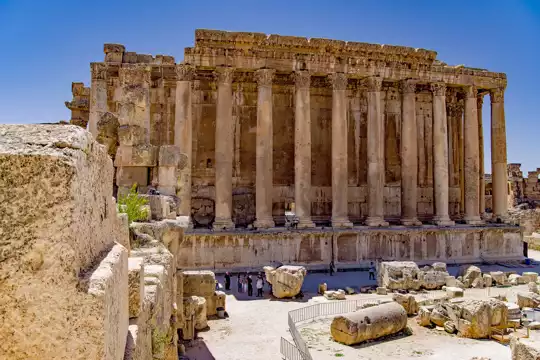
Your boots crunch over sun-bleached gravel, the wind carrying the scent of wild thyme and distant diesel as you duck through a colonnade—no selfie-stick gauntlet, just the echo of your own footsteps and the low hum of a nearby tractor. This is Anjar, tucked into Lebanon’s Bekaa Valley, a stone’s throw from the Syrian border and a world away from Beirut’s chaos. Here’s the truth: Anjar Umayyad Ruins aren’t the blockbuster on every Lebanese itinerary. You won’t find the scale of Baalbek or the coastal drama of Byblos, and yes, the site is compact and the ticket price feels steep for the time you’ll spend. But that’s the trade-off—no busloads of tourists, just you and the bones of a lost city, stitched together by Armenian-Lebanese locals who give the place its pulse. If you want a quiet, tactile brush with early Islamic history—without the circus—Anjar delivers.

Discover everything you want to know in the 📖 Lebanon Travel Guide.
Safety warning

The current risk level for Lebanon is high. Check the advice before going.


Get your Lebanon guide
89 ranked highlights, routes & tips, works offline (331 pages)
Loading the map 🌍
CLICK TO FILTER
cities
towns
landmarks
national parks
hikes
beaches
attractions
festivals
regions
SHOW COUNTRY’S BESTSHOW ALL

✨ Why go?
Ranked #4 attraction in Lebanon
What makes it a must-see attraction

The Anjar Umayyad Ruins in Lebanon aren’t just another dusty pile of stones. Yes, they draw crowds, especially during peak season, and the entry fee isn’t exactly pocket change for a backpacker. But here’s the real deal: this site is a rare, intact snapshot of early Islamic urban planning and architecture. Unlike the usual scattered ruins, Anjar’s grid layout and massive stone walls tell a story of ambition and empire-building that’s hard to find elsewhere in the region. It’s not just about ticking off a UNESCO site; it’s about standing where history was being written in stone, where the Umayyad caliphs flexed their power and vision. The adrenaline comes from piecing together the past as you wander through the colonnaded streets and grand palaces, imagining the hustle of a 8th-century city. … read more 👉
The Anjar Umayyad Ruins in Lebanon aren’t just another dusty pile of stones. Yes, they draw crowds, especially during peak season, and the entry fee isn’t exactly pocket change for a backpacker. But here’s the real deal: this site is a rare, intact snapshot of early Islamic urban planning and architecture. Unlike the usual scattered ruins, Anjar’s grid layout and massive stone walls tell a story of ambition and empire-building that’s hard to find elsewhere in the region. It’s not just about ticking off a UNESCO site; it’s about standing where history was being written in stone, where the Umayyad caliphs flexed their power and vision. The adrenaline comes from piecing together the past as you wander through the colonnaded streets and grand palaces, imagining the hustle of a 8th-century city. For backpackers trekking through Lebanon, Anjar is a major milestone—an anchor point that connects the dots between ancient civilizations and modern Lebanon’s complex identity. It’s worth the effort and the price because it’s not just a ruin; it’s a living lesson in history’s raw, unfiltered power.
Want to include Anjar Umayyad Ruins in your Lebanon route?
Create a personalized Lebanon itinerary that includes Anjar Umayyad Ruins and the places that fit your trip — based on your travel style, budget, and available time. Get your route in seconds.

Generate my trip

💡 HighlightsKey sights and experiences for travelers

The Cardo Maximus
Forget the Instagram shots of empty Roman streets. The Cardo Maximus at Anjar is rarely empty, and that’s the point. This is the backbone of the city—a colonnaded avenue that once buzzed with traders, gossip, and the clatter of carts. The columns are battered, but the bones of the street are unmistakable. You can actually walk the same flagstones that Umayyad merchants did, and if you listen, you’ll hear the echo of a city built for commerce, not just for show. The Cardo isn’t about pretty photos; it’s about feeling the pulse of a city that was designed to move.


The Tetrapylon
Most people breeze past this four-pillared intersection, but it’s the architectural flex of the whole site. The Tetrapylon is where the city’s two main streets crossed, and it’s a rare survivor from … read more 👉
The Cardo Maximus
Forget the Instagram shots of empty Roman streets. The Cardo Maximus at Anjar is rarely empty, and that’s the point. This is the backbone of the city—a colonnaded avenue that once buzzed with traders, gossip, and the clatter of carts. The columns are battered, but the bones of the street are unmistakable. You can actually walk the same flagstones that Umayyad merchants did, and if you listen, you’ll hear the echo of a city built for commerce, not just for show. The Cardo isn’t about pretty photos; it’s about feeling the pulse of a city that was designed to move.


The Tetrapylon
Most people breeze past this four-pillared intersection, but it’s the architectural flex of the whole site. The Tetrapylon is where the city’s two main streets crossed, and it’s a rare survivor from the Umayyad era. Stand in the center and you’re at the literal crossroads of ancient trade routes. The symmetry is sharp, the scale is human, and the sense of orientation—north, south, east, west—makes you realize how deliberate this city’s design was. It’s not about grandeur; it’s about precision.


The Grand Palace
This isn’t some crumbling pile of rocks. The Grand Palace is a jigsaw of arches, courtyards, and chunky limestone blocks that still radiate authority. You can trace the outline of audience halls and private chambers, and if you’re lucky, you’ll catch the sun slanting through a broken archway. The palace is a reminder that Anjar was a statement of power, built fast and bold by the Umayyads. It’s not delicate. It’s muscular history.


The Mosque
Skip the fantasy of incense and chanting. What you get is the skeleton of a mosque, its mihrab still pointing the way to Mecca. The layout is clear, the proportions are elegant, and the sense of space is surprisingly intimate. This is one of the earliest examples of Islamic architecture in Lebanon, and you can stand where the faithful once gathered, surrounded by the bones of a city that vanished almost as quickly as it appeared.


The City Walls and Gates
The walls aren’t just a backdrop—they’re a statement. Walk the perimeter and you’ll see how Anjar was built to impress and defend. The gates are chunky, the towers squat and purposeful. There’s no romance here, just the raw logic of a city that expected trouble. The walls frame the ruins, reminding you that this was a frontier town, not a fantasy. If you want to feel the edge of empire, this is where you do it.
Spotted a mistake or missing something? Contact us.

Things to do around Anjar Umayyad Ruins

Ratings based on Tripadvisor reviews. When you book through this link, you support our work at no extra cost to you.

🌤️ When to go?Choosing the right time of year


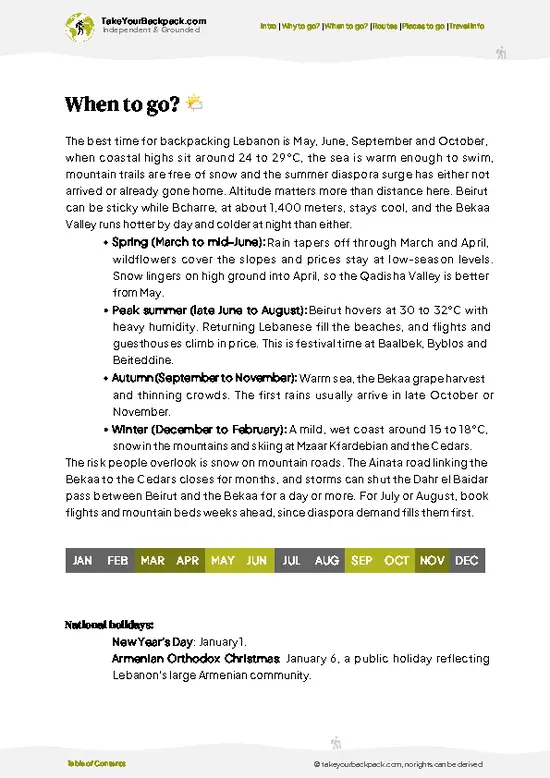
  • Weather: The best weather hits between April and June or September to October. Expect mild, dry days perfect for wandering ruins without sweating buckets. July and August bring scorching heat, often topping 35°C (95°F), which turns exploring into a slow roast.

  • Temperature: Spring and fall offer comfortable highs around 20-25°C (68-77°F), ideal for long hikes and photo ops. Winters (December to February) can dip to 10°C (50°F) or lower, sometimes rainy, which makes the site less pleasant and muddy.

  • Daylight Hours: From late March to early October, you get 11 to 14 hours of daylight—enough time to explore thoroughly without rushing. Shorter days in winter mean less time to soak in the ruins before dusk.

  • Crowds: The site isn’t exactly a tourist magnet, but weekends and Lebanese holidays
read more 👉

  • Weather: The best weather hits between April and June or September to October. Expect mild, dry days perfect for wandering ruins without sweating buckets. July and August bring scorching heat, often topping 35°C (95°F), which turns exploring into a slow roast.

  • Temperature: Spring and fall offer comfortable highs around 20-25°C (68-77°F), ideal for long hikes and photo ops. Winters (December to February) can dip to 10°C (50°F) or lower, sometimes rainy, which makes the site less pleasant and muddy.

  • Daylight Hours: From late March to early October, you get 11 to 14 hours of daylight—enough time to explore thoroughly without rushing. Shorter days in winter mean less time to soak in the ruins before dusk.

  • Crowds: The site isn’t exactly a tourist magnet, but weekends and Lebanese holidays in spring and fall see a noticeable bump. Visiting on weekdays outside peak holiday periods keeps the experience quiet and reflective.

  • Seasonal Activities: There’s no flashy festival here, but spring brings wildflowers and a green backdrop that Instagram won’t show you. Autumn’s cooler air makes it perfect for pairing your visit with nearby hikes or village strolls.

  • Price Fluctuations: Entrance fees stay steady year-round, but local transport and accommodation nearby can spike during peak tourist seasons (April-June, September-October). Booking ahead in these months saves headaches and cash.


Pro-tip: Aim for late April or early October—sweet spot for weather, light, and fewer people, so you get the ruins in their raw, unfiltered glory without the tourist circus.


source: climatestotravel.comJANJanuary: fair for travelingFEBFebruary: fair for travelingMARMarch: good for travelingAPRApril: excellent for travelingMAYMay: excellent for travelingJUNJune: excellent for travelingJULJuly: fair for travelingAUGAugust: fair for travelingSEPSeptember: excellent for travelingOCTOctober: excellent for travelingNOVNovember: good for travelingDECDecember: fair for traveling
when-to-go

✈️ The backpacker research shortcutLebanon Travel Guide

An offline-friendly backpacking guide with optimized travel routes, ranked highlights, transport advice, and the best areas to stay.
example page 0 from our offline Travel Guide for Lebanon
example page 1 from our offline Travel Guide for Lebanon
example page 2 from our offline Travel Guide for Lebanon
example page 3 from our offline Travel Guide for Lebanon
example page 4 from our offline Travel Guide for Lebanon
example page 5 from our offline Travel Guide for Lebanon
example page 6 from our offline Travel Guide for Lebanon
example page 7 from our offline Travel Guide for Lebanon
The digital guide (331 pages) contains:
89 highlights, ranked by travel appeal
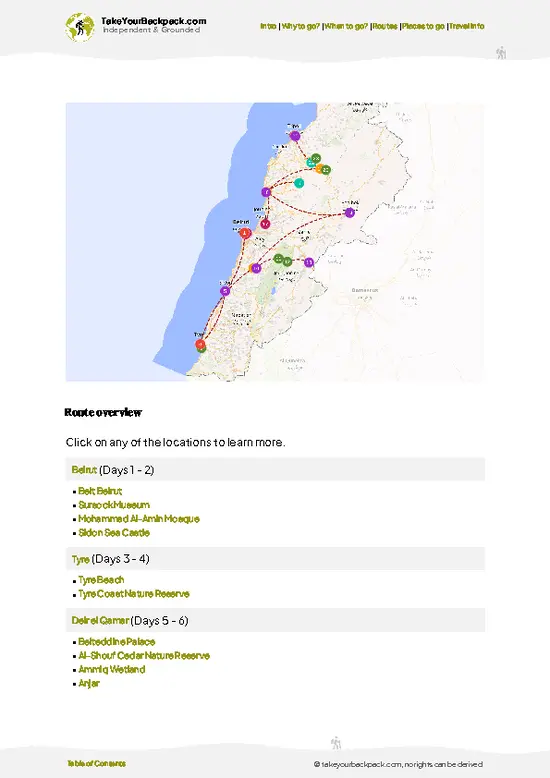
Optimized 5, 10 & 15-day travel routes
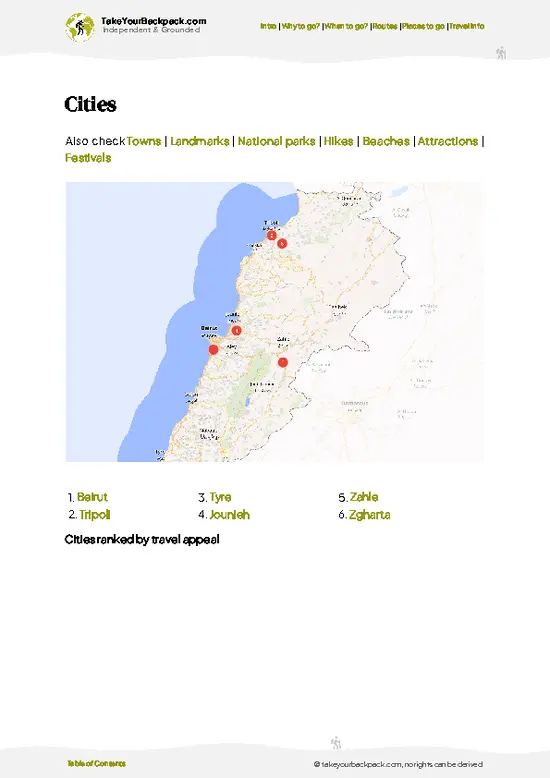
Cities, national parks, landmarks, beaches
How to get around
Offline-friendly for travel without Wi-Fi
👉 Click to see all 30+ guide features

📅 Plan smarter in minutes, not weeks
Month by month travel advice
Festivals & national holidays
Budget expectations

🗺️ Go to the right places, skip the overrated ones
Honest pros & cons of destinations
Top hikes, parks & viewpoints
Lesser-known places most travelers miss
Clear “worth it vs skip it” guidance

🛏️ Travel smoothly without rookie mistakes
Best areas to stay
Transport systems explained simply
Common scams & safety advice
SIM cards, money & practical tips

🌍 Understand the country, not just visit it
Culture & traditions
52 Essential phrases & customs
Festivals worth planning around
Traveler-friendly historical context
Insights that make places more meaningful

📱 Built for real travel conditions
Fully downloadable PDF
Works completely offline
Optimized for phone use
Useful in remote areas & buses
Everything in one place
Save weeks of stressful planning
Get instant access to your full guide. 30‑day money-back guarantee.


By proceeding you agree to our terms.
Sent to your inbox immediately after payment • 100% Secure Checkout
Best Backpacking Travel Advisor 2025 tourism awardBest Backpacking
Travel Advisor
2025
What others say about Take Your Backpack Guides:
⭐⭐⭐⭐⭐
Fantastic, amazing amount of information!
⭐⭐⭐⭐⭐
My goodness this is amazing, it's what I've been looking for hats off too you!
⭐⭐⭐⭐⭐
I think this is absolutely BRILLIANT
⭐⭐⭐⭐
Very complete and informative. It's still missing places, but I gotta to commend you
⭐⭐⭐⭐⭐
This is truly amazing, thank you, can't wait to explore it with my kids!
⭐⭐⭐⭐⭐
Awesome resource, thank you!
⭐⭐⭐⭐⭐
This is amazing! Can't wait to explore the ones I haven't seen
⭐⭐⭐⭐
I love this! Well done, great idea.
⭐⭐⭐⭐⭐
Thanks for taking the time to make this gem!
⭐⭐⭐⭐⭐
This might be the best website I've ever seen.
⭐⭐⭐⭐⭐
Congratulations, and thank you so much for your work; it's incredibly valuable.
⭐⭐⭐⭐
In all seriousness I think you did a great job pointing out the important spots
⭐⭐⭐⭐⭐
10/10 very good
⭐⭐⭐⭐⭐
As someone who's only just starting to visit regularly this is awesome, thank you.
⭐⭐⭐⭐
Thank you very much! I'm going to visit my dad, it's going to be very useful!
⭐⭐⭐⭐⭐
This is really cool! We'll be travelling for the first time and this definitely come in handy.
⭐⭐⭐⭐⭐
You are now our minister of culture, congratulations 👨‍💼
⭐⭐⭐⭐⭐
Just wanted to tell you that this is a pearl! Going to follow your recommendations.
⭐⭐⭐⭐⭐
This is so cool. I'll definitely be using the resource for my travels soon.
⭐⭐⭐⭐⭐
This is very impressive! Good work.
⭐⭐⭐⭐⭐
This is an amazing and informative site. Very well done!

🛏️ Where to stay?Where staying makes the most sense

If you’re backpacking to see the Anjar Umayyad Ruins, don’t expect a bustling tourist hub with endless nightlife or a backpacker ghetto. The area around Anjar is quiet, rural, and honestly, a bit off the beaten path. That’s part of the charm, but it means your best bet for social, budget-friendly stays isn’t right next door to the ruins themselves. Instead, look to the nearby town of Zahle, about 15 minutes away by local transport or hitching a ride. Zahle is the real deal for budget travelers: safe, with a lively café culture, affordable guesthouses, and a chance to mingle with locals and fellow … read more 👉
If you’re backpacking to see the Anjar Umayyad Ruins, don’t expect a bustling tourist hub with endless nightlife or a backpacker ghetto. The area around Anjar is quiet, rural, and honestly, a bit off the beaten path. That’s part of the charm, but it means your best bet for social, budget-friendly stays isn’t right next door to the ruins themselves. Instead, look to the nearby town of Zahle, about 15 minutes away by local transport or hitching a ride. Zahle is the real deal for budget travelers: safe, with a lively café culture, affordable guesthouses, and a chance to mingle with locals and fellow backpackers who appreciate the slower pace.

Zahle’s streets hum with the smell of fresh bread and strong coffee, and it’s a great base to recharge after exploring the ruins. You’ll find more options here for meeting people without the tourist traps or inflated prices. Plus, it’s easier to find reliable transport to Anjar from Zahle than from the ruins’ immediate vicinity. If you want to stay closer, small villages around Anjar offer guesthouses, but they’re quieter and less social—perfect if you want solitude but not if you’re chasing connections. Bottom line: for safety, social buzz, and budget sense, Zahle wins hands down.

👛 Costs (as of 5 November 2025)What things cost and how to budget

As of the most recent estimates, the entrance fee to the Anjar Umayyad Ruins in Lebanon is approximately €3 to €5. Additional costs may include guided tours, which typically range from €10 to €20 per person, and transportation expenses, such as taxi fares from Beirut, which can be around €30 to €50 one-way. Please note that prices are subject to change, and it's advisable to check the latest information before planning your visit.
⚠️ Prices can change and everyone travels differently, so take this as a rough guide. Hope it helps you plan your adventure!

Other Lebanese attractions near Anjar Umayyad Ruins

Explore more nearby:


💡 Not sure where to go next?
Create a personalized itinerary for Lebanon including Anjar Umayyad Ruins and the places that fit your trip.

Generate my itinerary

👉 Discover all attractions

Or checkout all Lebanon has to offer (think cities, towns, villages, national parks, hikes, beaches, festivals)
Country photo of Lebanon

We 💚 feedbackIs it worth it?

Anjar Umayyad Ruins won’t wow you with crowds or flashy tourist traps—expect quiet, dusty stones and a serious sense of history. The real magic is how these ruins whisper stories of empire and everyday life, untouched by kitsch. Don’t come expecting polished paths or Instagram-perfect moments; come ready to feel the weight of centuries beneath your feet. If you love peeling back layers of time without the noise, this place will quietly steal a piece of your soul.

✍️ Help improve this page!
The information on this page is based on in-depth research, insights shared by experienced travelers, and feedback from the local travel community in Lebanon. While every effort is made to keep the information accurate and current, conditions can change — so if you spot anything incorrect or outdated, please get in touch.


🙋‍♂️ Give feedback

👋 Meet the founderWho’s Behind Take Your Backpack?

Johan, backpacker and founder of TakeYourBackpackHi, I’m Johan (Netherlands 🇳🇱), the creator of TakeYourBackpack. Over the past decade, I’ve backpacked through 80+ countries across six continents, gaining extensive experience with independent travel, long-term trips, and overland routes.

This site is built on a combination of firsthand travel experience and carefully curated insights from other backpackers. Many guides are based on places I’ve personally visited, while others bring together tips, observations, and practical advice shared by trusted travelers I’ve met along the way.

The goal is to provide realistic, experience-driven guidance — not generic itineraries — so you can explore destinations with better context, clearer expectations, and more confidence.

Get full Lebanon guide •
Instant download • 89 highlights • Full Offline guide