v2.webp)
The Sarcophagus Hall
Let’s get real: most museums have a few dusty coffins and call it a day. Not here. The National Museum of Beirut’s Sarcophagus Hall is a subterranean vault of ancient drama—Phoenician, Roman, and Byzantine sarcophagi lined up like a marble chessboard, each carved with stories of power, grief, and ego. The Alexander Sarcophagus is the showstopper, with battle scenes so vivid you can almost hear the swords. It’s not just a room of old stone; it’s a crash course in how the ancients wanted to be remembered, and it’s got more personality than half the Instagram feeds out there.
The Mosaic Collection
Forget the pixel-perfect filters—these mosaics are the original storytellers. Pulled from villas and churches across Lebanon, the museum’s floor and wall mosaics are a riot of … read more 👉
Let’s get real: most museums have a few dusty coffins and call it a day. Not here. The National Museum of Beirut’s Sarcophagus Hall is a subterranean vault of ancient drama—Phoenician, Roman, and Byzantine sarcophagi lined up like a marble chessboard, each carved with stories of power, grief, and ego. The Alexander Sarcophagus is the showstopper, with battle scenes so vivid you can almost hear the swords. It’s not just a room of old stone; it’s a crash course in how the ancients wanted to be remembered, and it’s got more personality than half the Instagram feeds out there.
The Mosaic Collection
Forget the pixel-perfect filters—these mosaics are the original storytellers. Pulled from villas and churches across Lebanon, the museum’s floor and wall mosaics are a riot of … read more 👉
The Sarcophagus Hall
Let’s get real: most museums have a few dusty coffins and call it a day. Not here. The National Museum of Beirut’s Sarcophagus Hall is a subterranean vault of ancient drama—Phoenician, Roman, and Byzantine sarcophagi lined up like a marble chessboard, each carved with stories of power, grief, and ego. The Alexander Sarcophagus is the showstopper, with battle scenes so vivid you can almost hear the swords. It’s not just a room of old stone; it’s a crash course in how the ancients wanted to be remembered, and it’s got more personality than half the Instagram feeds out there.
The Mosaic Collection
Forget the pixel-perfect filters—these mosaics are the original storytellers. Pulled from villas and churches across Lebanon, the museum’s floor and wall mosaics are a riot of color and detail. You’ll spot hunting scenes, mythological beasts, and geometric patterns that would make any modern designer jealous. The best part? They’re displayed at eye level, so you can get close enough to see the individual tesserae and the fingerprints of the artists. No velvet ropes, just you and two thousand years of creative flexing.
The Bronze Statues of Byblos
These aren’t your average museum mannequins. The Bronze Statues of Byblos—small, expressive, and slightly eerie—are some of the oldest cast bronzes in the world. They’re not just relics; they’re survivors, dug up from ancient temples and still radiating attitude. Each one is different: some are warriors, some are priests, all are unmistakably human. If you want to feel the pulse of ancient Lebanon, this is where it beats loudest.
The War-Damaged Artifacts
Here’s the part the travel brochures skip. During Lebanon’s civil war, the museum itself became a frontline. Instead of evacuating, curators encased statues in concrete and buried treasures in the basement. Some artifacts still bear the scars—bullet holes, scorch marks, patched-up cracks. The museum doesn’t hide this history; it puts it front and center. It’s a raw, honest reminder that culture isn’t just about the past—it’s about survival, resilience, and the guts it takes to protect what matters.
The Roman Funerary Stelae
Rows of limestone slabs, each carved with portraits and inscriptions, line one of the galleries. These aren’t just gravestones—they’re ancient selfies, complete with names, jobs, and sometimes even family drama. Stand in front of them and you’re face-to-face with real people from two thousand years ago. It’s intimate, a little haunting, and a powerful antidote to the facelessness of most ancient history.
Let’s get real: most museums have a few dusty coffins and call it a day. Not here. The National Museum of Beirut’s Sarcophagus Hall is a subterranean vault of ancient drama—Phoenician, Roman, and Byzantine sarcophagi lined up like a marble chessboard, each carved with stories of power, grief, and ego. The Alexander Sarcophagus is the showstopper, with battle scenes so vivid you can almost hear the swords. It’s not just a room of old stone; it’s a crash course in how the ancients wanted to be remembered, and it’s got more personality than half the Instagram feeds out there.
The Mosaic Collection
Forget the pixel-perfect filters—these mosaics are the original storytellers. Pulled from villas and churches across Lebanon, the museum’s floor and wall mosaics are a riot of color and detail. You’ll spot hunting scenes, mythological beasts, and geometric patterns that would make any modern designer jealous. The best part? They’re displayed at eye level, so you can get close enough to see the individual tesserae and the fingerprints of the artists. No velvet ropes, just you and two thousand years of creative flexing.
The Bronze Statues of Byblos
These aren’t your average museum mannequins. The Bronze Statues of Byblos—small, expressive, and slightly eerie—are some of the oldest cast bronzes in the world. They’re not just relics; they’re survivors, dug up from ancient temples and still radiating attitude. Each one is different: some are warriors, some are priests, all are unmistakably human. If you want to feel the pulse of ancient Lebanon, this is where it beats loudest.
The War-Damaged Artifacts
Here’s the part the travel brochures skip. During Lebanon’s civil war, the museum itself became a frontline. Instead of evacuating, curators encased statues in concrete and buried treasures in the basement. Some artifacts still bear the scars—bullet holes, scorch marks, patched-up cracks. The museum doesn’t hide this history; it puts it front and center. It’s a raw, honest reminder that culture isn’t just about the past—it’s about survival, resilience, and the guts it takes to protect what matters.
The Roman Funerary Stelae
Rows of limestone slabs, each carved with portraits and inscriptions, line one of the galleries. These aren’t just gravestones—they’re ancient selfies, complete with names, jobs, and sometimes even family drama. Stand in front of them and you’re face-to-face with real people from two thousand years ago. It’s intimate, a little haunting, and a powerful antidote to the facelessness of most ancient history.
Spotted a mistake or missing something? Contact us.

Paragliding Trip Over Jounieh bay
✓ Free cancellation

Paragliding activity in Lebanon
✓ Free cancellation

Pigeon Rocks Boat Ride Beirut (Raouche Rocks)

PRIVATE Beirut Historical Walking Half Day Tour
✓ Free cancellation

Lebanon Tour Jeita Grotto -Harissa & Byblos Castle, pickup+Guide
✓ Free cancellation

Jeita Grotto, Byblos and Harissa Full-Day Tour from Beirut
✓ Free cancellation

Private Jeita Grotto, Harissa Cable Car, Byblos & Dog River Tour
✓ Free cancellation

Private Lebanese Cooking Class in Beirut with Amal + Transfers
✓ Free cancellation
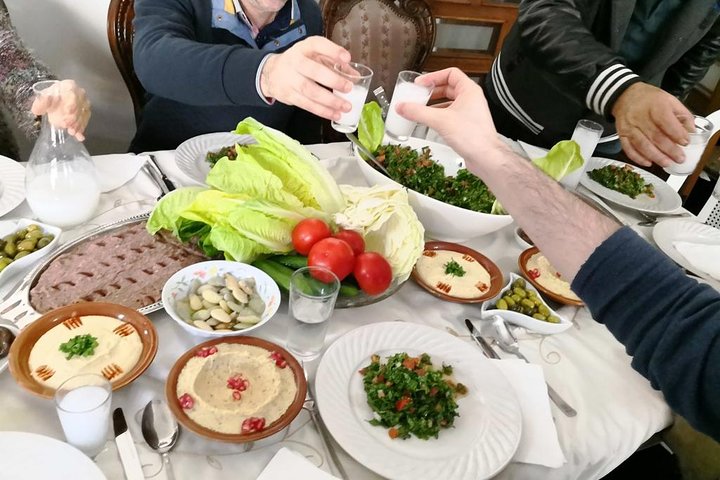
Authentic Lebanese Meal in Beirut in Tania's Family Home
✓ Free cancellation

Private Qadisha Valley, Gibran Museum & Cedars Tour | Beirut
✓ Free cancellation




 Best Backpacking
.jpg) Hi, I’m Johan (Netherlands 🇳🇱), the creator of TakeYourBackpack. Over the past decade, I’ve backpacked through 80+ countries across six continents, gaining extensive experience with independent travel, long-term trips, and overland routes.
Hi, I’m Johan (Netherlands 🇳🇱), the creator of TakeYourBackpack. Over the past decade, I’ve backpacked through 80+ countries across six continents, gaining extensive experience with independent travel, long-term trips, and overland routes.