v2.webp)
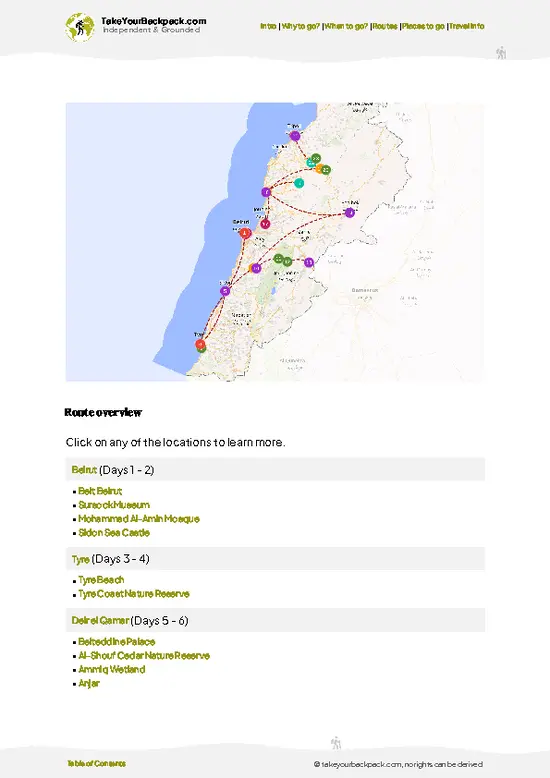
- Fakhreddine II Palace (Qasr al-Amir Fakhr al-Din) — The town’s centerpiece: a well-preserved 17th-century palace turned museum. You walk the stone courtyards, see period rooms and artifacts, and really feel the old emirate era that put Deir el Qamar on the map.
- Saydet el-Talle (Our Lady of the Hill) Church — A striking pilgrimage church with a photogenic façade and an interior full of votive offerings and local devotion; the hilltop position also gives you a quiet spot to watch village life below.
- Deir el Qamar Synagogue — One of Lebanon’s small historic synagogues, restored and readable as a layer of the town’s multi-confessional past; worth seeing for architecture and the story it tells about old Jewish presence in the area.
- Saint Nicholas Church (Mar Nicolas) — A beautiful local church
- Fakhreddine II Palace (Qasr al-Amir Fakhr al-Din) — The town’s centerpiece: a well-preserved 17th-century palace turned museum. You walk the stone courtyards, see period rooms and artifacts, and really feel the old emirate era that put Deir el Qamar on the map.
- Saydet el-Talle (Our Lady of the Hill) Church — A striking pilgrimage church with a photogenic façade and an interior full of votive offerings and local devotion; the hilltop position also gives you a quiet spot to watch village life below.
- Deir el Qamar Synagogue — One of Lebanon’s small historic synagogues, restored and readable as a layer of the town’s multi-confessional past; worth seeing for architecture and the story it tells about old Jewish presence in the area.
- Saint Nicholas Church (Mar Nicolas) — A beautiful local church with classic Lebanese stonework and icons; visiting during a service or just wandering the courtyard gives a real sense of local religious traditions.
- The Old Souk and Main Square — Cobblestones, tiny shops, cafés and restaurants clustered around the square: the social heart of Deir el Qamar where you can sip coffee, people-watch, and bump into vendors selling local treats and crafts.
- Traditional Stone Houses and Narrow Lanes — The town itself is an open-air exhibit: red-tiled roofs, carved stone doorways and narrow lanes where Ottoman-era architecture and everyday life meet — perfect for slow wandering and photography.
- Clock Tower — The modest historic clock tower punctuates the skyline of the village center; it’s a handy meeting point and a little piece of civic history that anchors the square.
- Deir el Qamar Museum (Local Heritage House) — A small municipal/heritage space housed in a traditional building displaying costumes, tools and local artifacts — good for getting context on daily life and crafts from past centuries.
- Panoramic Viewpoints and Short Promenades — Small terraces and alleys just above the town open onto sweeping views of the Chouf hills; these are simple, free, and one of the best ways to appreciate the landscape that shaped local life.
- Local Artisan Workshops and Family-Run Eateries — Scattered around the lanes are craftsmen (woodwork, small metalwork, traditional bakeries) and cozy family restaurants where you can try homemade dishes — low-key but culturally rich experiences you won’t get from guidebooks alone.
Spotted a mistake or missing something? Contact us.
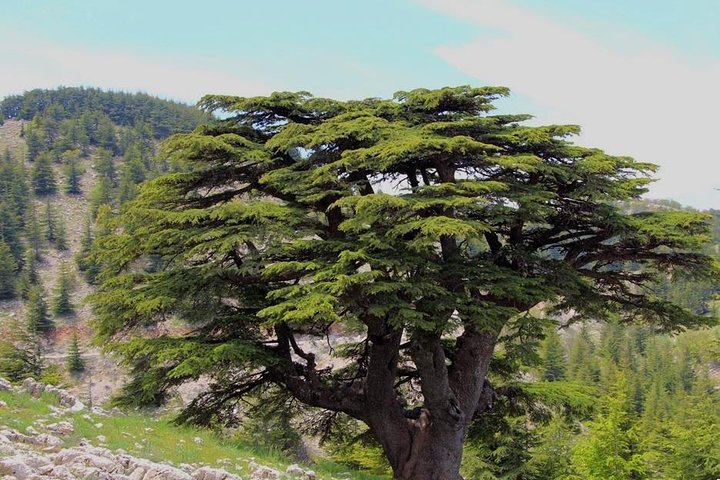
Lebanon tour Cedars Reserve & Beiteddine Palace, pick-up & guide

Beirut, Beiteddine & Deir El Qamar Day Trip-With Lunch

Deir el Qamar - Beiteddine Palace - Chouf Cedars From Beirut

DeirElkamar, Beitdeen, Moussa Palace, EinwZien Grotto,Full-Day Trip PRIVATE-CAR

PRIVATE tour to Beirut history museum, Beiteddine & Deir elQamar

Explore Lebanon with Private Vehicle and Guide!

PRIVATE Half-Day Tour to Beiteddine Palace & Deir elQamar

Explore Lebanon In Luxury with Private Vehicle and Driver!
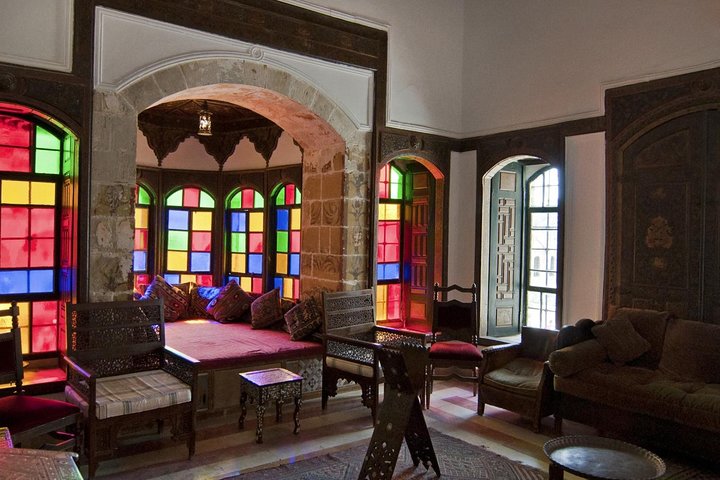
One - day tour to Beiteddine Palace, Mousa castle, Ain Wa Zain Grotto


 Best Backpacking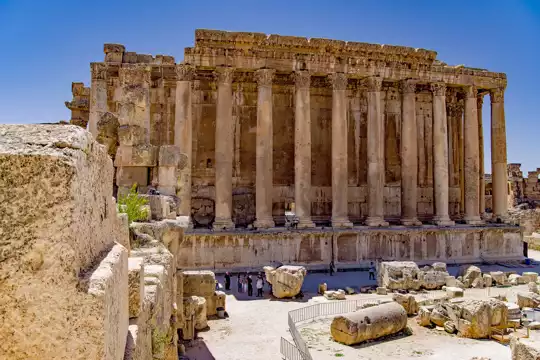
.jpg) Hi, I’m Johan (Netherlands 🇳🇱), the creator of TakeYourBackpack. Over the past 3 decades, I’ve backpacked through 90+ countries across six continents, gaining extensive experience with independent travel, long-term trips, and overland routes.
Hi, I’m Johan (Netherlands 🇳🇱), the creator of TakeYourBackpack. Over the past 3 decades, I’ve backpacked through 90+ countries across six continents, gaining extensive experience with independent travel, long-term trips, and overland routes.