v2.webp)
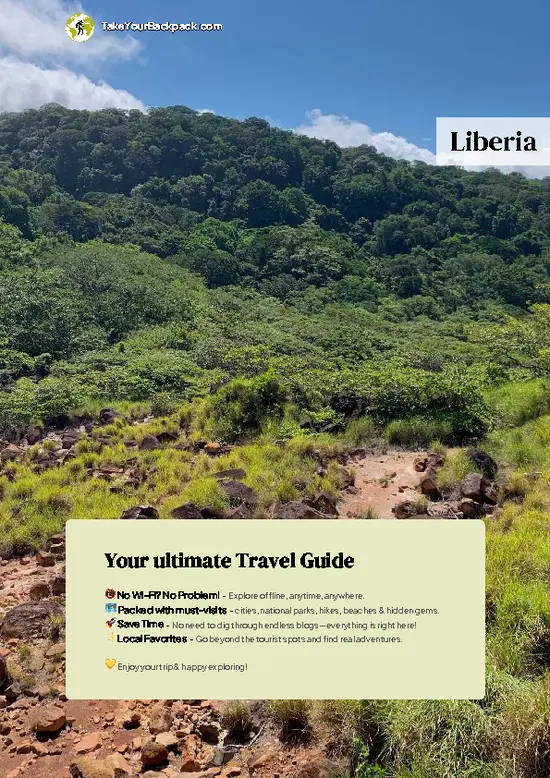
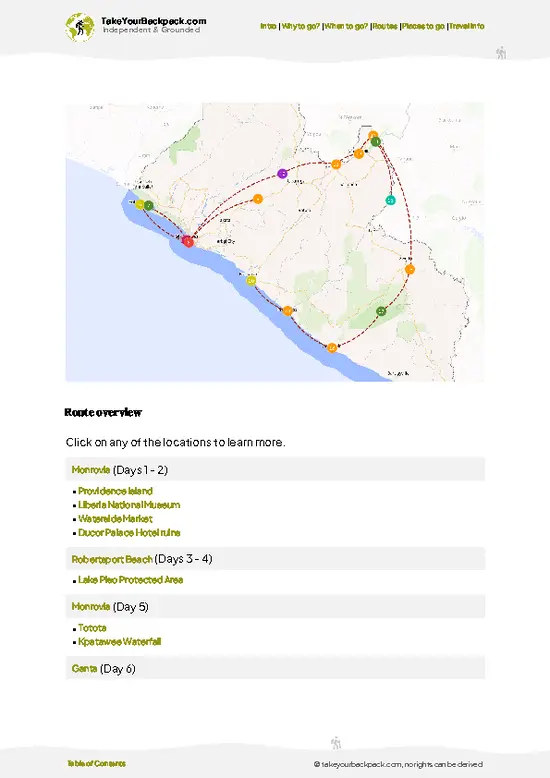
- Nimba ridgeline and summits: The reserve’s signature sight is the high ridge where forest gives way to windswept grass. Reaching it takes a hard, muddy climb with a ranger, and on clear days the horizon opens over three countries.
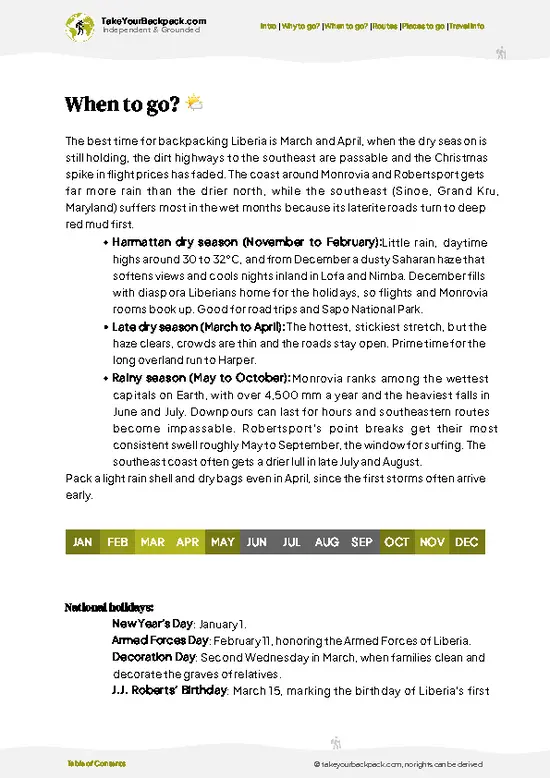
- Montane cloud forest: Higher slopes hold moss-draped trees, dripping branches and a noticeably cooler, damper air than the lowlands. It is quiet apart from birds and insects, and the light is green and dim.
- Western chimpanzees: Nimba shelters wild chimpanzees. You are far more likely to hear pant-hoots and find nests or feeding signs than to get a clear sighting, but the calls alone make the effort worthwhile.
- Nimba viviparous toad: This small black toad gives birth to live young instead of laying eggs and lives only on the Nimba grasslands. Rangers know where to look,
- Nimba ridgeline and summits: The reserve’s signature sight is the high ridge where forest gives way to windswept grass. Reaching it takes a hard, muddy climb with a ranger, and on clear days the horizon opens over three countries.
- Montane cloud forest: Higher slopes hold moss-draped trees, dripping branches and a noticeably cooler, damper air than the lowlands. It is quiet apart from birds and insects, and the light is green and dim.
- Western chimpanzees: Nimba shelters wild chimpanzees. You are far more likely to hear pant-hoots and find nests or feeding signs than to get a clear sighting, but the calls alone make the effort worthwhile.
- Nimba viviparous toad: This small black toad gives birth to live young instead of laying eggs and lives only on the Nimba grasslands. Rangers know where to look, and spotting one is a real find for wildlife watchers.
- Views into Guinea and Côte d’Ivoire: From the upper ridge you can look across the borders at the rest of the mountain range. The scale of the massif only makes sense from here.
- Forest birdlife: The Upper Guinea forest hosts hornbills, turacos and many smaller species, and the reserve’s dawn chorus is loud and layered. Bring binoculars and ask your ranger to stop often.
- Yekepa and the ore-hill landscape: The town below the mountain is built around the iron-ore industry. Rust-red hillsides and old railway infrastructure make a stark contrast with the green slopes above.
Spotted a mistake or missing something? Contact us.

 Best Backpacking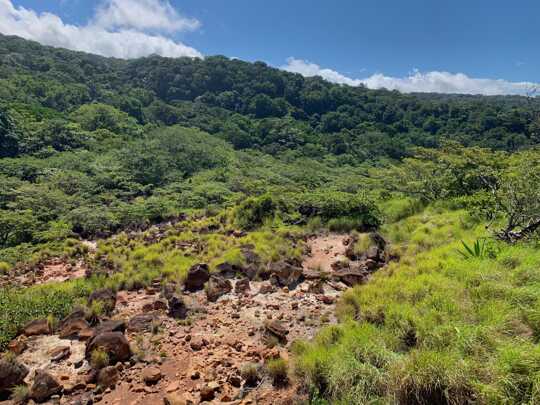
.jpg) Hi, I’m Johan (Netherlands 🇳🇱), the creator of TakeYourBackpack. Over the past 3 decades, I’ve backpacked through 90+ countries across six continents, gaining extensive experience with independent travel, long-term trips, and overland routes.
Hi, I’m Johan (Netherlands 🇳🇱), the creator of TakeYourBackpack. Over the past 3 decades, I’ve backpacked through 90+ countries across six continents, gaining extensive experience with independent travel, long-term trips, and overland routes.