v2.webp)
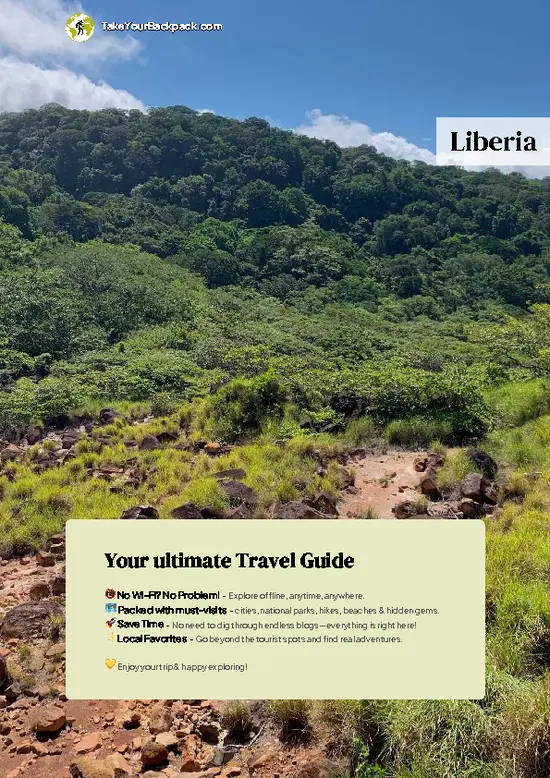
- Summit ridgelines and panoramic viewpoints — Long, rocky ridges that give sweeping views over the surrounding forest and valleys. Best early morning for mist, sunrises, and the feeling that you’re above the whole country for a few minutes.
- Montane cloud forest and unique plant life — Patches of cool, mossy cloud forest that host orchids, ferns, and other high-altitude specialists you won’t see in the lowlands. The vegetation here makes for atmospheric hiking and great macro photography.
- Cascading waterfalls and clear mountain streams — Narrow gorges and stepped cascades fed by the range’s upland waters. Perfect for a refreshing swim or a picnic stop after a sweaty climb.
- Wildlife watching — primates and forest mammals — The park supports populations of primates (including chimpanzees
- Summit ridgelines and panoramic viewpoints — Long, rocky ridges that give sweeping views over the surrounding forest and valleys. Best early morning for mist, sunrises, and the feeling that you’re above the whole country for a few minutes.
- Montane cloud forest and unique plant life — Patches of cool, mossy cloud forest that host orchids, ferns, and other high-altitude specialists you won’t see in the lowlands. The vegetation here makes for atmospheric hiking and great macro photography.
- Cascading waterfalls and clear mountain streams — Narrow gorges and stepped cascades fed by the range’s upland waters. Perfect for a refreshing swim or a picnic stop after a sweaty climb.
- Wildlife watching — primates and forest mammals — The park supports populations of primates (including chimpanzees in the wider region) and a suite of secretive forest mammals like duikers and other antelope. You’ll often find more signs and calls than clear sightings, which is part of the thrill.
- Birding hotspot with forest specialists — Thick canopy and edge habitats are good for forest birds: sunbirds, hornbills, raptors on the ridges, and a handful of West African specialists that attract dedicated birders.
- Steppe-to-forest transition zones — Areas where montane vegetation gives way to lower-elevation forest and grass patches. Those transitions create a lot of biodiversity in a small area and interesting contrasts in scenery on a single hike.
- Remote hiking routes and backcountry camping — Long, quiet trails that reward multi-day treks: simple campsites, starry nights, and the real feeling of getting away from everything. Trails are often rough and unmarked, so expect basic navigation and a local guide if you want to sleep well.
Spotted a mistake or missing something? Contact us.

 Best Backpacking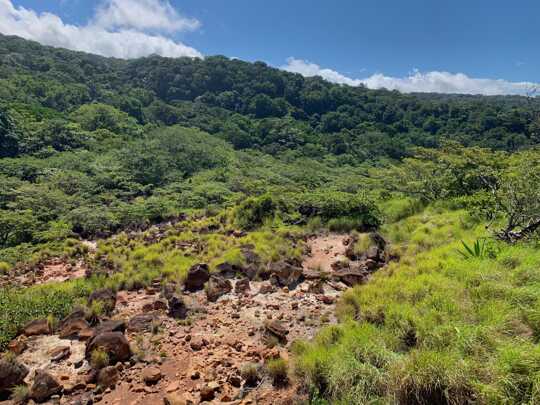
.jpg) Hi, I’m Johan (Netherlands 🇳🇱), the creator of TakeYourBackpack. Over the past 3 decades, I’ve backpacked through 90+ countries across six continents, gaining extensive experience with independent travel, long-term trips, and overland routes.
Hi, I’m Johan (Netherlands 🇳🇱), the creator of TakeYourBackpack. Over the past 3 decades, I’ve backpacked through 90+ countries across six continents, gaining extensive experience with independent travel, long-term trips, and overland routes.