×

Liberia🇱🇷 | best national parksBest 7 national parks in Liberia

In Liberia, national parks are sanctuaries of biodiversity, each offering unique landscapes and wildlife experiences. The country’s geography ranges from coastal plains to mountainous regions, influencing the type of exploration you can undertake. For backpackers, choosing the right park can dictate your travel pace and cultural immersion. Parks like Sapo National Park, with its dense rainforest, invite adventurous treks, while coastal parks offer a more relaxed vibe. Seasonal nuances, such as the rainy season, can affect accessibility and safety, making it crucial to plan accordingly. Your choice impacts not just your budget but also the depth of your experience in this vibrant country.

By Johan Kruseman 🇳🇱 | Updated June 3, 2026
Explore the best hikes in Liberia

Why go?Key Factors That Shape the Experience

National parks in Liberia stand out due to their biodiversity and cultural significance. The country’s unique geography, with its lush rainforests and coastal ecosystems, creates habitats for countless species, many of which are endemic. This rich tapestry of life is a stark contrast to the more commercialized parks found in other regions. Here, the experience is raw and unfiltered, offering a chance to connect deeply with nature.

However, this immersion comes with trade-offs. Accessibility can be a challenge; many parks are remote, requiring significant travel time on rugged roads. This can deter some travelers but rewards those willing to invest the effort with a profound sense of solitude and discovery. The infrastructure is still developing, which means amenities may be limited. Yet, … read more 👉
National parks in Liberia stand out due to their biodiversity and cultural significance. The country’s unique geography, with its lush rainforests and coastal ecosystems, creates habitats for countless species, many of which are endemic. This rich tapestry of life is a stark contrast to the more commercialized parks found in other regions. Here, the experience is raw and unfiltered, offering a chance to connect deeply with nature.

However, this immersion comes with trade-offs. Accessibility can be a challenge; many parks are remote, requiring significant travel time on rugged roads. This can deter some travelers but rewards those willing to invest the effort with a profound sense of solitude and discovery. The infrastructure is still developing, which means amenities may be limited. Yet, this lack of development often leads to a more authentic experience, where the focus shifts from comfort to adventure.

Liberia’s climate also plays a role. The wet season can make trails muddy and challenging, but it also brings the landscape to life, with vibrant greenery and active wildlife. Understanding these nuances is crucial for planning a visit. The trade-off between accessibility and the depth of exploration is significant, but for those who seek genuine connection with nature, the rewards are undeniable.
Our Approach to Ranking
The list of best national parks in Liberia is created based on landscapes, wildlife, adventure opportunities, facilities, and overall experience. If you feel a national park is missing in this list, please let us know.

When to go?Seasonal Guide to Visiting

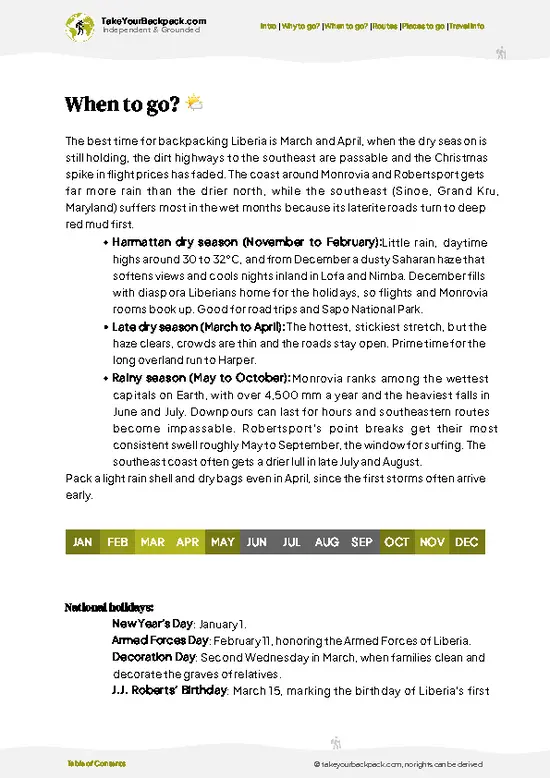
Seasonality plays a crucial role in the experience of national parks in Liberia. The country typically experiences a wet season from May to October, with heavy rainfall that can make trails muddy and challenging. Wildlife visibility tends to be lower during this time, as many animals seek shelter from the downpours. However, the lush greenery that emerges post-rain can create a vibrant backdrop for those willing to brave the elements.

Optimal months for exploration generally fall between November and April. This period offers drier conditions, making trails more accessible and wildlife more active. Temperatures are warm but manageable, allowing for comfortable hikes and extended outdoor activities. The dry season also coincides with the peak tourist season, which can lead to busier trails … read more 👉
Seasonality plays a crucial role in the experience of national parks in Liberia. The country typically experiences a wet season from May to October, with heavy rainfall that can make trails muddy and challenging. Wildlife visibility tends to be lower during this time, as many animals seek shelter from the downpours. However, the lush greenery that emerges post-rain can create a vibrant backdrop for those willing to brave the elements.

Optimal months for exploration generally fall between November and April. This period offers drier conditions, making trails more accessible and wildlife more active. Temperatures are warm but manageable, allowing for comfortable hikes and extended outdoor activities. The dry season also coincides with the peak tourist season, which can lead to busier trails and higher accommodation costs.

Shoulder seasons—just before and after the wet season—can provide a balanced experience. Visiting in late April or early November may yield fewer crowds and lower prices, but travelers should be prepared for unpredictable weather. Rainfall can still occur, and trail conditions may vary.

Trade-offs are essential to consider. Peak scenery comes with the hustle of fellow adventurers, while quieter times may offer a more intimate connection with nature but at the risk of less predictable weather. Planning effectively around these seasonal patterns can enhance the overall experience in Liberia’s national parks.

national park hoppingHow to Combine national parks Into One Trip

Combining national parks in Liberia requires a strategic approach. Start by clustering parks regionally. The northwest features Sapo National Park, while the southeast is home to the lush landscapes of the East Nimba Nature Reserve. Traveling south from Sapo to East Nimba makes sense, as the roads connect these areas more efficiently.

Time management is crucial. Allocate at least two days for Sapo to fully immerse in its dense rainforest and diverse wildlife. East Nimba can be explored in a day, but consider extending your stay if you want to hike its higher elevations. The trails can be steep and challenging, rewarding you with breathtaking views of the surrounding landscape.

Common pitfalls include over-scheduling. Rushing through parks can lead to missed experiences. Instead, prioritize … read more 👉
Combining national parks in Liberia requires a strategic approach. Start by clustering parks regionally. The northwest features Sapo National Park, while the southeast is home to the lush landscapes of the East Nimba Nature Reserve. Traveling south from Sapo to East Nimba makes sense, as the roads connect these areas more efficiently.

Time management is crucial. Allocate at least two days for Sapo to fully immerse in its dense rainforest and diverse wildlife. East Nimba can be explored in a day, but consider extending your stay if you want to hike its higher elevations. The trails can be steep and challenging, rewarding you with breathtaking views of the surrounding landscape.

Common pitfalls include over-scheduling. Rushing through parks can lead to missed experiences. Instead, prioritize depth over speed. If budget allows, consider staying in local lodges to soak in the atmosphere and support the community.

Flexibility is key. Weather can change quickly, impacting trail access and visibility. Be prepared to adjust plans based on conditions. The effort spent navigating Liberia’s rugged terrain pays off when you finally reach a summit or spot a rare bird. Each park offers a unique slice of Liberia’s natural beauty, making the journey worthwhile.

The ListMust-Visit national parks in Liberia

1 Sapo National Park

primary rainforest, pygmy hippos, forest elephants, canopy walks

Venture deep into Liberia’s largest protected forest, where rare mammals and dense jungle offer a true immersion in West African biodiversity.

2 Gola National Park

lowland rainforest, elephant corridors, butterfly diversity, forest elephants

Walk beneath towering trees, listening for elusive elephants and discovering a remarkable variety of butterflies in a protected forest corridor.

liberia-national-park-gola-national-park
© Google |

3 East Nimba Nature Reserve

iron-rich mountains, rare flora, panoramic viewpoints, mining history

Ascend rugged slopes for sweeping views and botanical discoveries, tracing the intersection of natural beauty and Liberia’s mining legacy.

liberia-national-park-east-nimba-nature-reserve v1
© Google |

4 Lake Piso Protected Area

freshwater lagoon, sandy beaches, fishing villages, hippo sightings

Paddle across calm waters, visit lakeside communities, and watch for hippos along the shifting boundary between land and lagoon.

5 Lofa-Mano National Park

dense rainforest, cross-border wildlife, river valleys, chimpanzee habitat

Follow winding rivers through thick forest, watching for primates and tracking the subtle changes where Liberia meets Sierra Leone.

6 Marshall Wetlands

coastal lagoons, mangrove swamps, migratory birds, tidal creeks

Navigate a patchwork of waterways and mudflats, observing seasonal birdlife and the daily rhythms of Liberia’s coastal ecosystems.

7 Wologizi Mountain Range

steep ridges, montane forest, remote trails, endemic birds

Climb into cool highlands where rare birds call and misty forests shelter wildlife, rewarding those who seek solitude and elevation.

Loading the map 🌍

Expert viewWhat You Should Know

Terrain
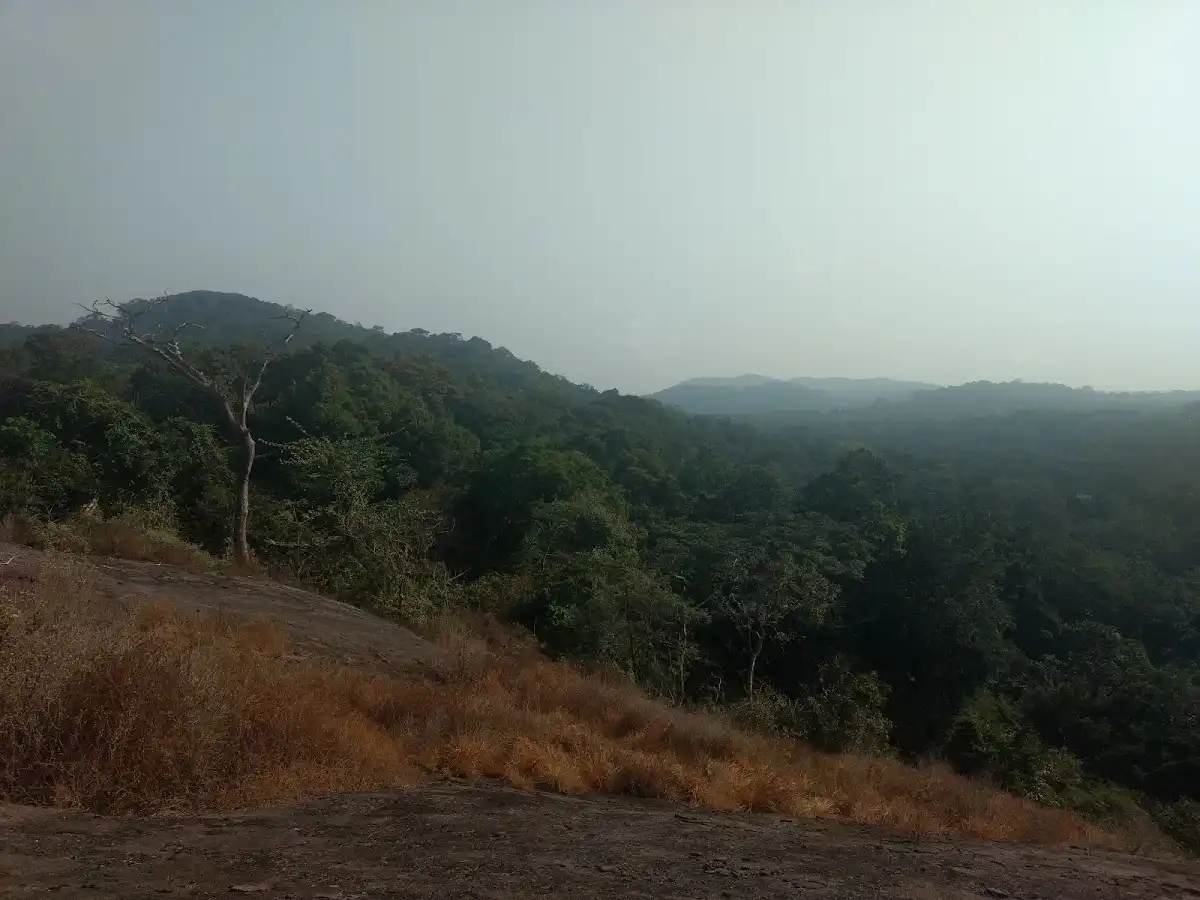
Liberia’s national parks are a patchwork of ecosystems, each with its own character. Think dense rainforests, rolling hills, and coastal mangroves. The trails can be rugged, often muddy, especially during the rainy season. You’ll feel the squelch of earth beneath your boots, the humidity wrapping around you like a warm blanket. In places like Sapo National Park, the terrain can be steep and challenging, but that effort is rewarded with the sight of rare pygmy hippos and the calls of exotic birds echoing through the canopy. Expect to sweat, but also expect to be captivated by the vibrant life around you.

Park Infrastructure
Infrastructure varies widely across the parks. Some, like Sapo, have basic facilities, while others may lack even the most essential amenities. Roads can be rough, … read more 👉
Terrain
Liberia’s national parks are a patchwork of ecosystems, each with its own character. Think dense rainforests, rolling hills, and coastal mangroves. The trails can be rugged, often muddy, especially during the rainy season. You’ll feel the squelch of earth beneath your boots, the humidity wrapping around you like a warm blanket. In places like Sapo National Park, the terrain can be steep and challenging, but that effort is rewarded with the sight of rare pygmy hippos and the calls of exotic birds echoing through the canopy. Expect to sweat, but also expect to be captivated by the vibrant life around you.

Park Infrastructure
Infrastructure varies widely across the parks. Some, like Sapo, have basic facilities, while others may lack even the most essential amenities. Roads can be rough, and access may require a sturdy vehicle or even a local guide. This isn’t a place for the faint-hearted; you’ll need to embrace the unpredictability. However, the lack of developed infrastructure often means fewer crowds, allowing for a more intimate experience with nature. Just be prepared for the possibility of delays or detours. Bring your own supplies and be ready to adapt your plans on the fly.

Wildlife Activity
Wildlife viewing can be hit or miss, depending on the time of day and season. Early mornings and late afternoons are prime for spotting animals. In parks like Kpatawee, you might catch a glimpse of a duiker or hear the rustle of a bush pig in the underbrush. The thrill of seeing a creature in its natural habitat is palpable, but patience is key. Don’t rush; take the time to sit quietly and absorb your surroundings. The reward is often a moment that feels like a secret shared between you and the wild.

Time and Trade-offs
Visiting multiple parks in Liberia is tempting, but it requires careful planning. Aim for two to three parks to get a well-rounded experience without feeling rushed. Each park deserves time to explore its unique offerings. Spending a couple of days in one park allows you to immerse yourself in its rhythms, while hopping from one to another can dilute the experience. Factor in travel time between parks, which can be significant due to road conditions. A week is a good starting point, but if you can stretch it to ten days, you’ll find the pace more rewarding.

Safety and Cultural Considerations
Safety is paramount. While Liberia is generally safe for travelers, it’s wise to stay informed about local conditions. Wildlife encounters can be unpredictable, so maintain a respectful distance. Engaging with local communities can enrich your experience, but approach with cultural sensitivity. Learning a few phrases in the local dialect can go a long way in building rapport. Respect local customs and be mindful of your surroundings.

Planning and Prioritizing
When planning your trip, prioritize parks based on your interests—whether it’s birdwatching, hiking, or simply soaking in the atmosphere. Research the best times to visit each park, as seasonal variations can affect wildlife activity and trail conditions. Flexibility is your ally; be ready to adjust your itinerary based on weather or local advice. The beauty of Liberia’s national parks lies in their rawness and unpredictability, so embrace the journey as much as the destination.

✈️ The backpacker research shortcutLiberia Travel Guide

An offline-friendly backpacking guide with optimized travel routes, ranked highlights, transport advice, and the best areas to stay.
example page 0 from our offline Travel Guide for Liberia
example page 1 from our offline Travel Guide for Liberia
example page 2 from our offline Travel Guide for Liberia
example page 3 from our offline Travel Guide for Liberia
example page 4 from our offline Travel Guide for Liberia
example page 5 from our offline Travel Guide for Liberia
example page 6 from our offline Travel Guide for Liberia
example page 7 from our offline Travel Guide for Liberia
The digital guide (260 pages) contains:
61 highlights, ranked by travel appeal
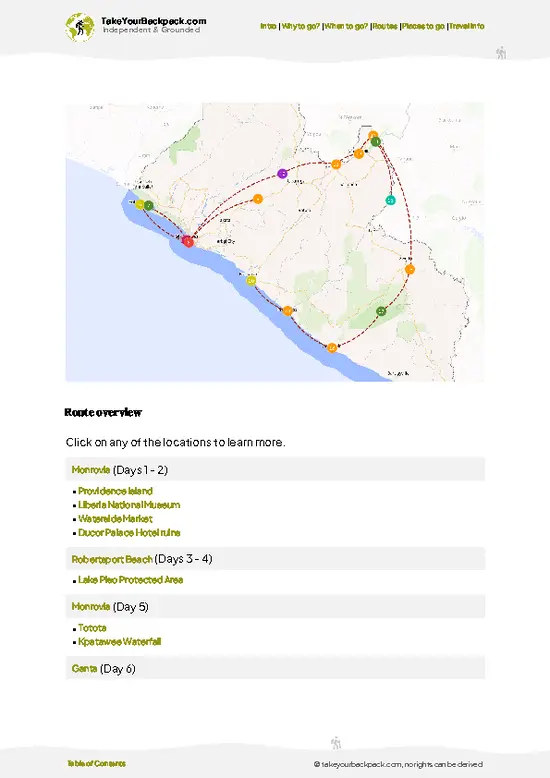
Optimized 5, 10 & 15-day travel routes
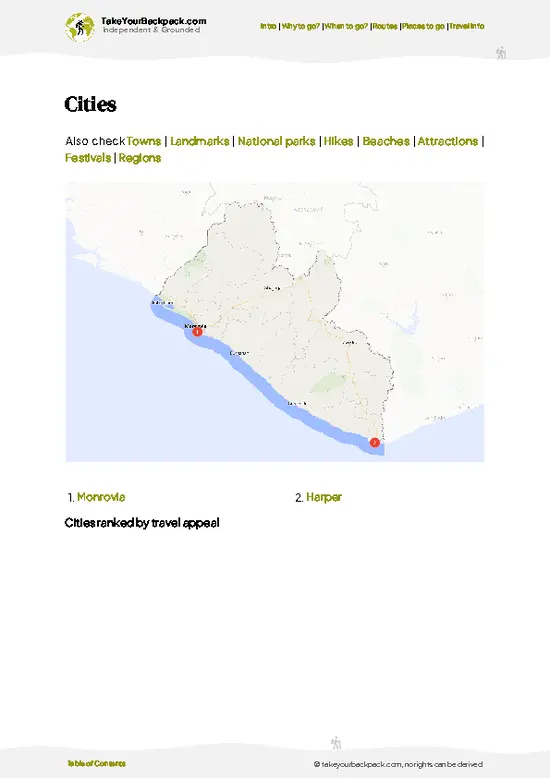
Cities, national parks, landmarks, beaches
How to get around
Offline-friendly for travel without Wi-Fi
👉 Click to see all 30+ guide features

📅 Plan smarter in minutes, not weeks
Month by month travel advice
Festivals & national holidays
Budget expectations

🗺️ Go to the right places, skip the overrated ones
Honest pros & cons of destinations
Top hikes, parks & viewpoints
Lesser-known places most travelers miss
Clear “worth it vs skip it” guidance

🛏️ Travel smoothly without rookie mistakes
Best areas to stay
Transport systems explained simply
Common scams & safety advice
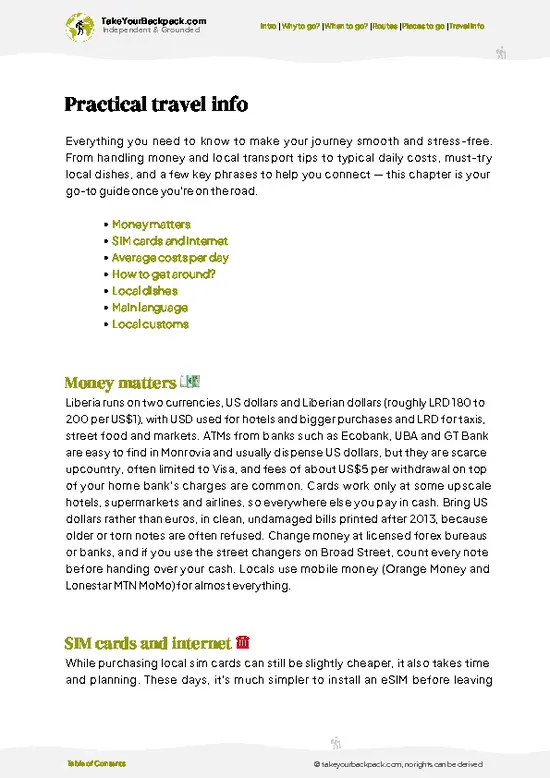
SIM cards, money & practical tips

🌍 Understand the country, not just visit it
Culture & traditions
Local customs
Festivals worth planning around
Traveler-friendly historical context
Insights that make places more meaningful

📱 Built for real travel conditions
Fully downloadable PDF
Works completely offline
Optimized for phone use
Useful in remote areas & buses
Everything in one place
Save weeks of stressful planning
Get instant access to your full guide. 30‑day money-back guarantee.


By proceeding you agree to our terms.
Sent to your inbox immediately after payment • 100% Secure Checkout
Best Backpacking Travel Advisor 2025 tourism awardBest Backpacking
Travel Advisor
2025
What others say about Take Your Backpack Guides:
⭐⭐⭐⭐⭐
Fantastic, amazing amount of information!
⭐⭐⭐⭐⭐
My goodness this is amazing, it's what I've been looking for hats off too you!
⭐⭐⭐⭐⭐
I think this is absolutely BRILLIANT
⭐⭐⭐⭐
Very complete and informative. It's still missing places, but I gotta to commend you
⭐⭐⭐⭐⭐
This is truly amazing, thank you, can't wait to explore it with my kids!
⭐⭐⭐⭐⭐
Awesome resource, thank you!
⭐⭐⭐⭐⭐
This is amazing! Can't wait to explore the ones I haven't seen
⭐⭐⭐⭐
I love this! Well done, great idea.
⭐⭐⭐⭐⭐
Thanks for taking the time to make this gem!
⭐⭐⭐⭐⭐
This might be the best website I've ever seen.
⭐⭐⭐⭐⭐
Congratulations, and thank you so much for your work; it's incredibly valuable.
⭐⭐⭐⭐
In all seriousness I think you did a great job pointing out the important spots
⭐⭐⭐⭐⭐
10/10 very good
⭐⭐⭐⭐⭐
As someone who's only just starting to visit regularly this is awesome, thank you.
⭐⭐⭐⭐
Thank you very much! I'm going to visit my dad, it's going to be very useful!
⭐⭐⭐⭐⭐
This is really cool! We'll be travelling for the first time and this definitely come in handy.
⭐⭐⭐⭐⭐
You are now our minister of culture, congratulations 👨‍💼
⭐⭐⭐⭐⭐
Just wanted to tell you that this is a pearl! Going to follow your recommendations.
⭐⭐⭐⭐⭐
This is so cool. I'll definitely be using the resource for my travels soon.
⭐⭐⭐⭐⭐
This is very impressive! Good work.
⭐⭐⭐⭐⭐
This is an amazing and informative site. Very well done!

🛏️ Where to stay?Best Stay Options in Liberia

Yes — Liberia city and nearby coastal towns have hostels and budget guesthouses, with the greatest concentration in downtown (around the bus terminal and Parque Central), along the main road toward the airport, and in nearby beach towns like Playa Hermosa and Playa del Coco.
Downtown is cheapest and best for buses, cheap food and some nightlife but is noisier and requires usual evening caution; the airport/main‑road area is quiet and fastest for early flights or car rentals but has few dining or nightlife options and may need taxis; beach towns offer the most hostel choice, surf and party options but sit farther from national parks and fill or get pricier in high season, so book ahead.

If you … read more 👉
Yes — Liberia city and nearby coastal towns have hostels and budget guesthouses, with the greatest concentration in downtown (around the bus terminal and Parque Central), along the main road toward the airport, and in nearby beach towns like Playa Hermosa and Playa del Coco.
Downtown is cheapest and best for buses, cheap food and some nightlife but is noisier and requires usual evening caution; the airport/main‑road area is quiet and fastest for early flights or car rentals but has few dining or nightlife options and may need taxis; beach towns offer the most hostel choice, surf and party options but sit farther from national parks and fill or get pricier in high season, so book ahead.

If you enjoy meeting fellow travelers, consider choosing hostels with high ratings for atmosphere. On the other hand, if you prefer having your own space, a hotel might be a better option.

LiberiaWhere to Go Next

👋 Meet the founderWho’s Behind Take Your Backpack?

Johan, backpacker and founder of TakeYourBackpackHi, I’m Johan (Netherlands 🇳🇱), the creator of TakeYourBackpack. Over the past decade, I’ve backpacked through 80+ countries across six continents, gaining extensive experience with independent travel, long-term trips, and overland routes.

This site is built on a combination of firsthand travel experience and carefully curated insights from other backpackers. Many guides are based on places I’ve personally visited, while others bring together tips, observations, and practical advice shared by trusted travelers I’ve met along the way.

The goal is to provide realistic, experience-driven guidance — not generic itineraries — so you can explore destinations with better context, clearer expectations, and more confidence.

Get full Liberia guide •
Instant download • 61 highlights • Full Offline guide