The Facade: Brutalist Realism Meets West African Sun
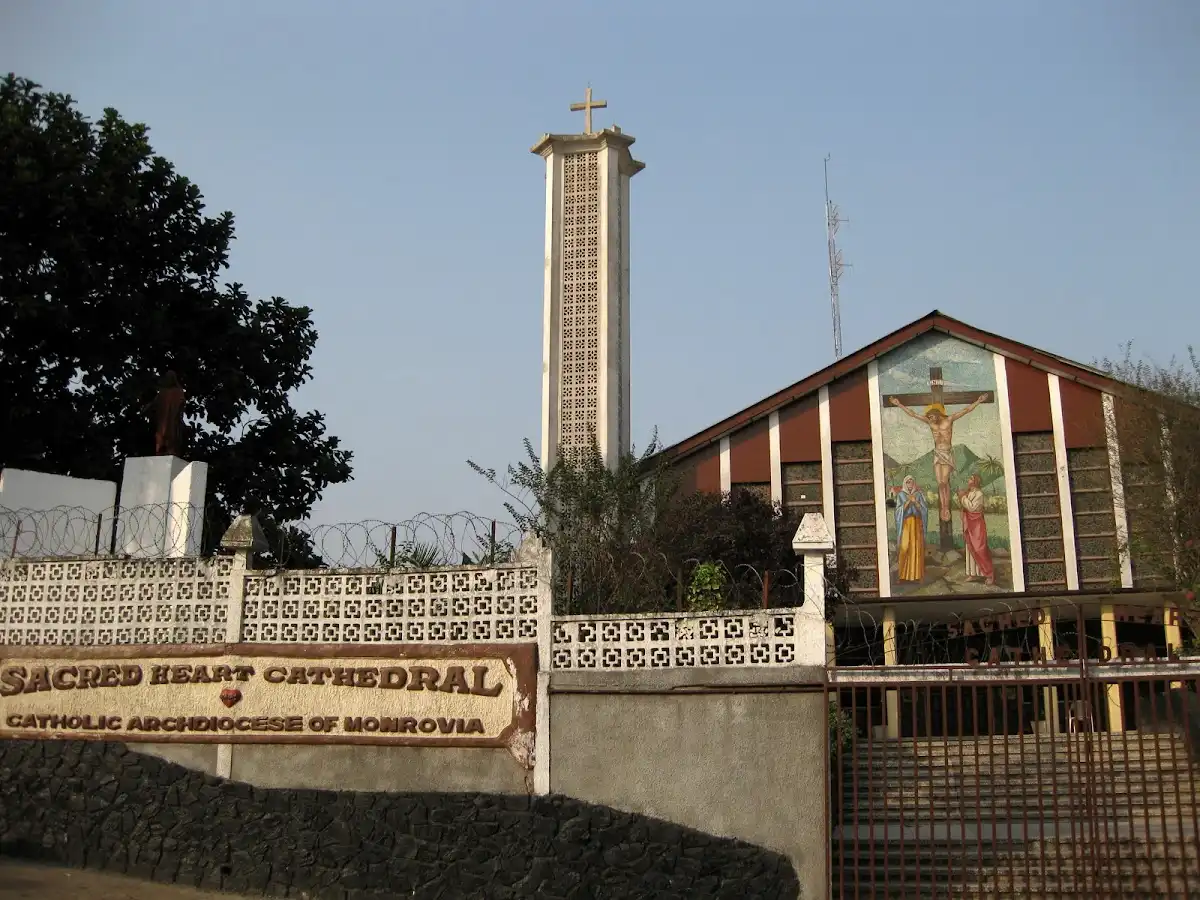
Forget the postcard-perfect European cathedrals. Sacred Heart Cathedral’s exterior is a slab of unapologetic concrete, more fortress than fairy tale. It’s not here to charm you with gothic arches or stained glass. Instead, it stands as a monument to resilience—built in the 1950s, battered by Liberia’s civil wars, and still standing. The sun bakes the walls, the Atlantic humidity clings, and the building’s blunt geometry refuses to play pretty. That’s the point. This is faith, Liberian-style: practical, tough, and unvarnished. If you want a cathedral that looks like it’s survived something, this is it.
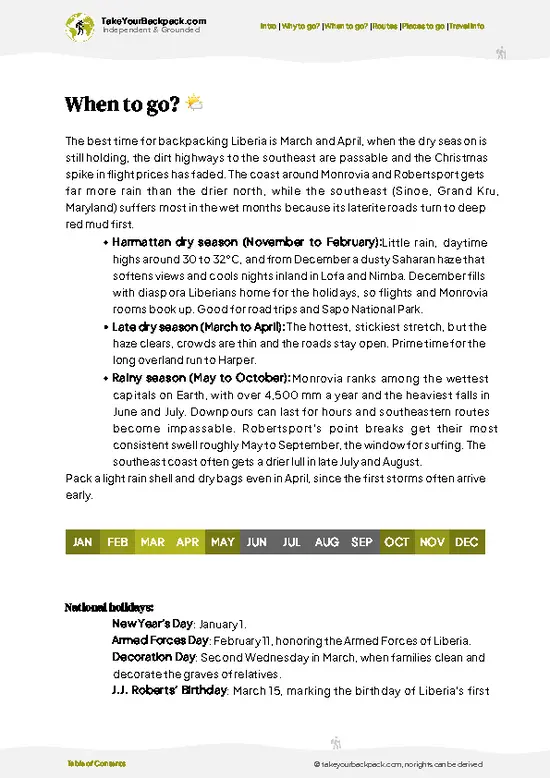
The Interior: Humble, Human, Alive
Step inside and the mood shifts. No gold leaf, no marble. The pews are worn, the fans whir overhead, and … read more 👉
Forget the postcard-perfect European cathedrals. Sacred Heart Cathedral’s exterior is a slab of unapologetic concrete, more fortress than fairy tale. It’s not here to charm you with gothic arches or stained glass. Instead, it stands as a monument to resilience—built in the 1950s, battered by Liberia’s civil wars, and still standing. The sun bakes the walls, the Atlantic humidity clings, and the building’s blunt geometry refuses to play pretty. That’s the point. This is faith, Liberian-style: practical, tough, and unvarnished. If you want a cathedral that looks like it’s survived something, this is it.
The Interior: Humble, Human, Alive
Step inside and the mood shifts. No gold leaf, no marble. The pews are worn, the fans whir overhead, and … read more 👉
The Facade: Brutalist Realism Meets West African Sun
Forget the postcard-perfect European cathedrals. Sacred Heart Cathedral’s exterior is a slab of unapologetic concrete, more fortress than fairy tale. It’s not here to charm you with gothic arches or stained glass. Instead, it stands as a monument to resilience—built in the 1950s, battered by Liberia’s civil wars, and still standing. The sun bakes the walls, the Atlantic humidity clings, and the building’s blunt geometry refuses to play pretty. That’s the point. This is faith, Liberian-style: practical, tough, and unvarnished. If you want a cathedral that looks like it’s survived something, this is it.
The Interior: Humble, Human, Alive
Step inside and the mood shifts. No gold leaf, no marble. The pews are worn, the fans whir overhead, and the air smells faintly of incense and sweat. This is a working church, not a museum. On Sundays, the place fills with families in their best clothes, voices rising in a blend of English, Kpelle, and Gio. The choir isn’t polished, but they’re powerful—sometimes the singing spills out onto the street. If you’re lucky enough to catch a service, you’ll feel the pulse of Monrovia’s Catholic community: proud, battered, and fiercely hopeful.
The Murals and Local Art
Look up and around. The art here isn’t imported from Italy. Instead, you’ll find murals and iconography painted by local hands—saints with West African features, biblical scenes set against palm trees and red earth. It’s a rare, unfiltered blend of Catholic tradition and Liberian identity. The colors are bold, sometimes rough, but always honest. This isn’t art for tourists; it’s art for the people who worship here.
The Courtyard: Real Life, Not a Cloister
Step outside and you’ll see the cathedral’s courtyard is no cloistered garden. It’s a crossroads—kids playing soccer, street vendors hawking snacks, parishioners chatting under the shade. The cathedral isn’t walled off from the city; it’s stitched right into the daily chaos of Monrovia. If you want to see how faith and daily life actually intersect in Liberia, linger here. You’ll get more truth in ten minutes than in a week of Instagram scrolling.
The History: Scar Tissue and Survival
Sacred Heart Cathedral isn’t just a building; it’s a survivor. During Liberia’s brutal civil wars, it sheltered refugees and served as a symbol of stubborn hope. Bullet scars and patched walls aren’t hidden—they’re part of the story. Locals will tell you about weddings, funerals, and protests that started on these steps. This is living history, not a sanitized monument. If you want to understand Liberia’s soul, start here.
Forget the postcard-perfect European cathedrals. Sacred Heart Cathedral’s exterior is a slab of unapologetic concrete, more fortress than fairy tale. It’s not here to charm you with gothic arches or stained glass. Instead, it stands as a monument to resilience—built in the 1950s, battered by Liberia’s civil wars, and still standing. The sun bakes the walls, the Atlantic humidity clings, and the building’s blunt geometry refuses to play pretty. That’s the point. This is faith, Liberian-style: practical, tough, and unvarnished. If you want a cathedral that looks like it’s survived something, this is it.
The Interior: Humble, Human, Alive
Step inside and the mood shifts. No gold leaf, no marble. The pews are worn, the fans whir overhead, and the air smells faintly of incense and sweat. This is a working church, not a museum. On Sundays, the place fills with families in their best clothes, voices rising in a blend of English, Kpelle, and Gio. The choir isn’t polished, but they’re powerful—sometimes the singing spills out onto the street. If you’re lucky enough to catch a service, you’ll feel the pulse of Monrovia’s Catholic community: proud, battered, and fiercely hopeful.
The Murals and Local Art
Look up and around. The art here isn’t imported from Italy. Instead, you’ll find murals and iconography painted by local hands—saints with West African features, biblical scenes set against palm trees and red earth. It’s a rare, unfiltered blend of Catholic tradition and Liberian identity. The colors are bold, sometimes rough, but always honest. This isn’t art for tourists; it’s art for the people who worship here.
The Courtyard: Real Life, Not a Cloister
Step outside and you’ll see the cathedral’s courtyard is no cloistered garden. It’s a crossroads—kids playing soccer, street vendors hawking snacks, parishioners chatting under the shade. The cathedral isn’t walled off from the city; it’s stitched right into the daily chaos of Monrovia. If you want to see how faith and daily life actually intersect in Liberia, linger here. You’ll get more truth in ten minutes than in a week of Instagram scrolling.
The History: Scar Tissue and Survival
Sacred Heart Cathedral isn’t just a building; it’s a survivor. During Liberia’s brutal civil wars, it sheltered refugees and served as a symbol of stubborn hope. Bullet scars and patched walls aren’t hidden—they’re part of the story. Locals will tell you about weddings, funerals, and protests that started on these steps. This is living history, not a sanitized monument. If you want to understand Liberia’s soul, start here.
Spotted a mistake or missing something? Contact us.
v2.webp)


Best Backpacking
Hi, I’m Johan (Netherlands 🇳🇱), the creator of TakeYourBackpack. Over the past decade, I’ve backpacked through 80+ countries across six continents, gaining extensive experience with independent travel, long-term trips, and overland routes.