
×

Liberia🇱🇷 | townsTubmanburgBomi capital, iron ore ruins, ridge viewpoints, cookshop benches | things to do and best time to go

Explore BarclayvilleExplore Zwedru

Backpacking in Tubmanburg
🌟 Highlighttown ranked #6
By Johan Kruseman 🇳🇱 | Updated October 22, 2026

Tubmanburg is the capital of Bomi County, not a coastal town, even though the Atlantic is only a couple of hours away. It sits in the northwest of Liberia, in hill country where red laterite dust coats everything in the dry months and rain turns the tracks to slick clay. The old iron ore days left rusting rail lines, a quiet grid of streets and a few ridge views, but no polished sights. Skip any hunt for monuments. Spend your time at the market stalls, the roadside cookshops and the forested hills at the edge of town. Evenings are slow, with generator hum, radio music and cold drinks on plastic chairs. Other backpackers are rare, so you meet locals instead. Carry plenty of small cash, because there are no dependable ATMs.

Discover everything you want to know in the 📖 Liberia Travel Guide.


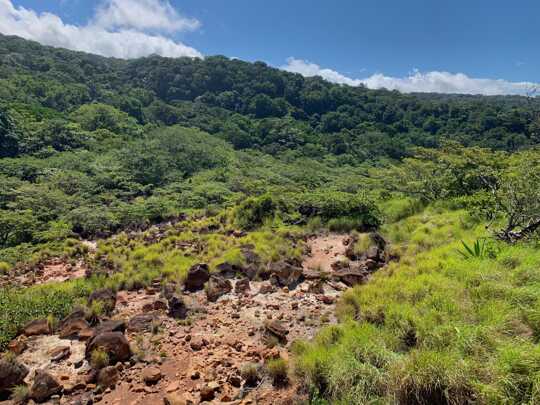
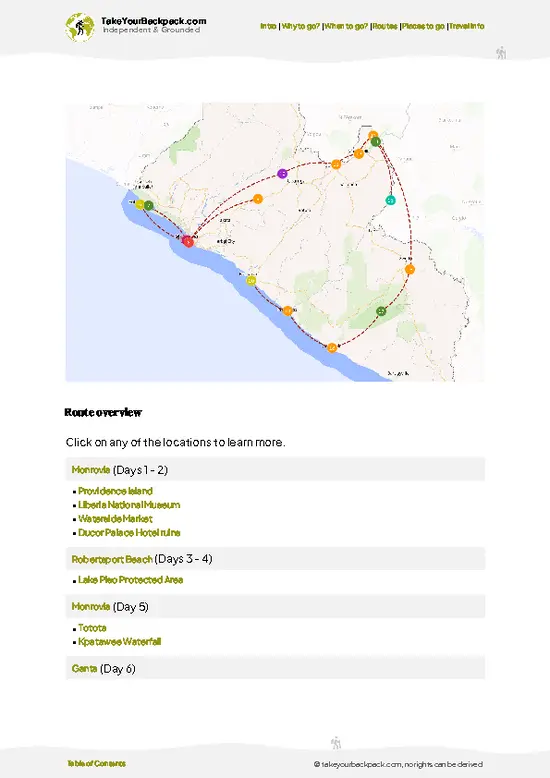
example page 0 from our offline Travel Guide for Liberia
example page 1 from our offline Travel Guide for Liberia
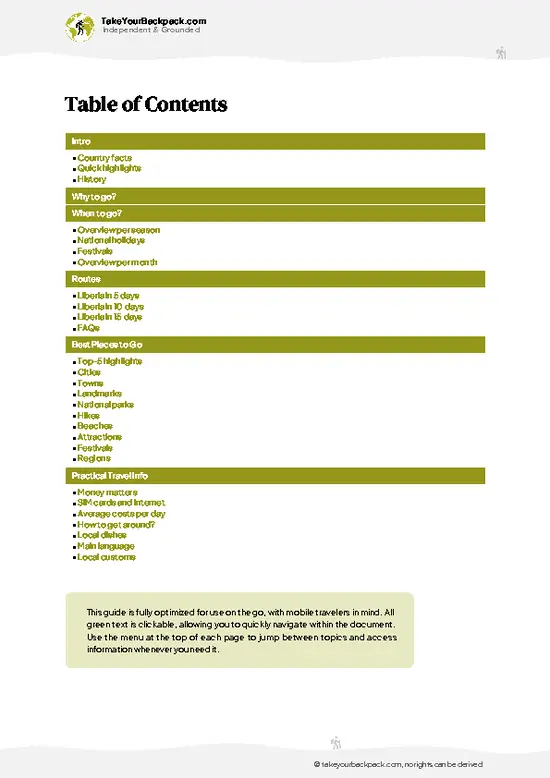
example page 2 from our offline Travel Guide for Liberia
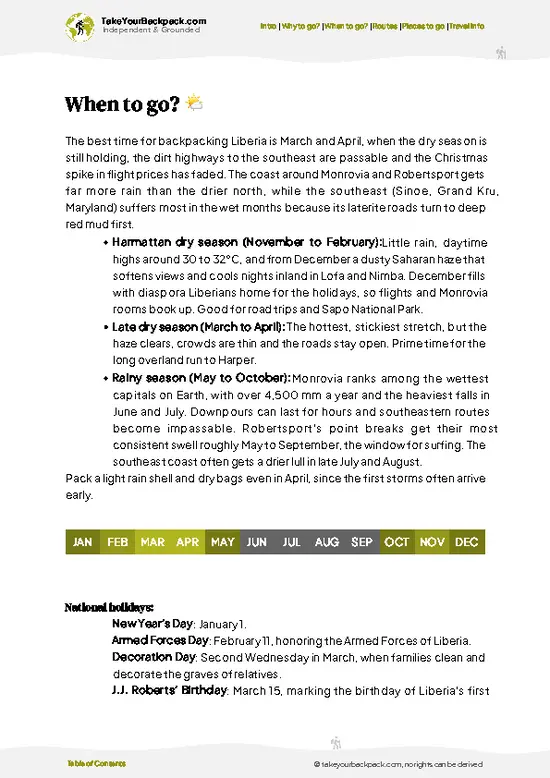
example page 3 from our offline Travel Guide for Liberia
example page 4 from our offline Travel Guide for Liberia
example page 5 from our offline Travel Guide for Liberia
example page 6 from our offline Travel Guide for Liberia
example page 7 from our offline Travel Guide for Liberia
Loading the map 🌍
CLICK TO FILTER
cities
towns
landmarks
national parks
hikes
beaches
attractions
festivals
regions
SHOW COUNTRY’S BESTSHOW ALL

✨ Why go?
Ranked #6 town in Liberia
Reasons people choose to visit here

Tubmanburg suits the backpacker who wants Liberia without other foreigners around. It works as a one or two night stop on the road between Monrovia and the Sierra Leone border, and anyone who lingers longer is usually after the countryside. The surrounding hills, old mining landscape and river valleys reward walkers who like to head out with a local guide and no fixed plan. The town’s best-known story is the iron ore boom, and the quiet streets still show its legacy. Guesthouses are basic and small, so expect simple rooms and conversations with the owners rather than a hostel crowd. Food is local: rice with palm oil stews, cassava leaf and fried fish from the market. Solo travelers who enjoy talking to strangers will do well here. If you need nightlife, tours or reliable internet, this is the wrong place, and a short stop is plenty.

💡 HighlightsDon't-miss highlights and experiences

  1. Tubmanburg Central Market: The town’s main commercial hub, packed with produce, dried fish, palm oil, secondhand clothes and phone-charging stalls. Go early, from 7 to 10 AM, when it is busiest. Free to enter, allow 1 to 2 hours.
  2. Old Bomi Hills mining area: Rusted equipment and scarred hills remain from the iron ore operations that once drove the local economy. Go with a local guide, in the morning for cooler walking. Expect a guide fee of about US$5 to 15 and 2 to 3 hours.
  3. Bomi County hillside viewpoints: Ridges around town give wide views over forest, zinc roofs and red roads. Late afternoon is best. Free, and 1 hour is enough.
  4. Roadside cookshops: Stop for rice with cassava leaf or pepper soup with fish, eaten on shared benches. Lunchtime is liveliest. A meal costs about US$2 to 4 and takes
… read more 👉
  1. Tubmanburg Central Market: The town’s main commercial hub, packed with produce, dried fish, palm oil, secondhand clothes and phone-charging stalls. Go early, from 7 to 10 AM, when it is busiest. Free to enter, allow 1 to 2 hours.
  2. Old Bomi Hills mining area: Rusted equipment and scarred hills remain from the iron ore operations that once drove the local economy. Go with a local guide, in the morning for cooler walking. Expect a guide fee of about US$5 to 15 and 2 to 3 hours.
  3. Bomi County hillside viewpoints: Ridges around town give wide views over forest, zinc roofs and red roads. Late afternoon is best. Free, and 1 hour is enough.
  4. Roadside cookshops: Stop for rice with cassava leaf or pepper soup with fish, eaten on shared benches. Lunchtime is liveliest. A meal costs about US$2 to 4 and takes about an hour.
  5. Evening town stroll: Walk the main streets as the day cools, with radios playing, kids playing football and small bars lighting up. Free, 1 hour.
For day trips, Tubmanburg makes a base for reaching Lake Piso and the coast around Robertsport, as well as forest villages in Bomi County.

For a first visit, the central market gives you the clearest view of local life.
Spotted a mistake or missing something? Contact us.

🏘️ NeighborhoodsHow different areas shape the experience

Tubmanburg is small enough to cover on foot in an afternoon, and the hills around it make the walking pleasant rather than punishing. Here is where to spend your time.
  • Downtown and the main market: The busiest stretch, where red dust coats the stalls and motorbike horns never stop. Come in the morning for cassava leaf, palm oil, fried plantain and dried fish piled on tarps. It is loud, sweaty and the best place to see how people here live. Give it an hour or two.
  • Bomi Hills: The old iron ore mining area on the slopes above town. Rusted rail lines, crumbling company buildings and overgrown concrete tell the story of the mine that once drove the economy. The light is softest in the late afternoon, and the quiet is a relief after the market. Worth a slow wander, and a local guide helps you find
… read more 👉
Tubmanburg is small enough to cover on foot in an afternoon, and the hills around it make the walking pleasant rather than punishing. Here is where to spend your time.
  • Downtown and the main market: The busiest stretch, where red dust coats the stalls and motorbike horns never stop. Come in the morning for cassava leaf, palm oil, fried plantain and dried fish piled on tarps. It is loud, sweaty and the best place to see how people here live. Give it an hour or two.
  • Bomi Hills: The old iron ore mining area on the slopes above town. Rusted rail lines, crumbling company buildings and overgrown concrete tell the story of the mine that once drove the economy. The light is softest in the late afternoon, and the quiet is a relief after the market. Worth a slow wander, and a local guide helps you find the best spots.
  • Roadside strip toward Monrovia: Mostly tire shops, small cookshops and phone-charging stands. Grab rice with pepper soup here, but there is little to see, so do not plan time around it.
  • Residential hillsides: Tin-roofed homes, goats on the paths and radios drifting from open doors. Pleasant at dusk, with cooking smoke in the air. Nightlife is limited to a few bars playing loud music, and it is calm after about 10 pm.

⌛️ 1 dayWhat you can realistically do in a day

8:00 AM, Tubmanburg Central Market: Start here, because it is the liveliest spot in town before the heat builds. Wander between produce stalls, dried fish and palm oil sellers, and buy a snack for the road. Allow about two hours, and greet vendors before taking photos.

10:30 AM, Main street walk: Stroll to the quieter streets, where motorbike taxis wait and small shops sell phone credit. It is a gentle way to get your bearings and see how daily life runs.

12:30 PM, Roadside cookshop: Sit for a plate of rice with cassava leaf or fish stew. Eat with your right hand if others do, and expect it to be spicy.

2:00 PM, Old Bomi Hills mining area: Hire a local guide and head out to the rusting machinery and scarred hillsides left from the iron ore years. This is the stop off the standard track, … read more 👉
8:00 AM, Tubmanburg Central Market: Start here, because it is the liveliest spot in town before the heat builds. Wander between produce stalls, dried fish and palm oil sellers, and buy a snack for the road. Allow about two hours, and greet vendors before taking photos.

10:30 AM, Main street walk: Stroll to the quieter streets, where motorbike taxis wait and small shops sell phone credit. It is a gentle way to get your bearings and see how daily life runs.

12:30 PM, Roadside cookshop: Sit for a plate of rice with cassava leaf or fish stew. Eat with your right hand if others do, and expect it to be spicy.

2:00 PM, Old Bomi Hills mining area: Hire a local guide and head out to the rusting machinery and scarred hillsides left from the iron ore years. This is the stop off the standard track, and it explains the town better than anything else. Wear sturdy shoes and bring water.

5:00 PM, Hillside viewpoint: Climb a ridge on the edge of town for views over forest and rooftops as the day cools. Come down before dark.

7:00 PM, Evening bar: Finish with a cold drink at a small bar, where music and chatter carry late.

🌤️ When to go?Choosing the right time of year

November to March is the easiest window for Tubmanburg, with dry roads, clear skies and daytime highs of 30 to 33°C (86 to 91°F).
  • Dry Season (November to April): Hazy mornings from harmattan dust around December and January, cooler nights near 21°C (70°F), and the best conditions for hiking the hills. Prices for transport stay steady, though demand rises around Christmas.
  • Early Rains (May and June): Heavy downpours begin, roads turn to red mud and shared taxis slow down. Temperatures sit around 25 to 30°C (77 to 86°F).
  • Peak Rains (July to September): Among the wettest conditions in West Africa, with near-daily storms, flooded stretches and fewer travelers. Some fares rise because of bad roads.
  • Late Rains (October): Showers ease and the hills turn bright green.
Daylight stays close to 12 hours all … read more 👉
November to March is the easiest window for Tubmanburg, with dry roads, clear skies and daytime highs of 30 to 33°C (86 to 91°F).
  • Dry Season (November to April): Hazy mornings from harmattan dust around December and January, cooler nights near 21°C (70°F), and the best conditions for hiking the hills. Prices for transport stay steady, though demand rises around Christmas.
  • Early Rains (May and June): Heavy downpours begin, roads turn to red mud and shared taxis slow down. Temperatures sit around 25 to 30°C (77 to 86°F).
  • Peak Rains (July to September): Among the wettest conditions in West Africa, with near-daily storms, flooded stretches and fewer travelers. Some fares rise because of bad roads.
  • Late Rains (October): Showers ease and the hills turn bright green.
Daylight stays close to 12 hours all year, so plan to finish travel by late afternoon.


source: climatestotravel.comJANJanuary: excellent for travelingFEBFebruary: excellent for travelingMARMarch: excellent for travelingAPRApril: highly recommended for travelingMAYMay: fair for travelingJUNJune: below average for travelingJULJuly: below average for travelingAUGAugust: below average for travelingSEPSeptember: fair for travelingOCTOctober: fair for travelingNOVNovember: highly recommended for travelingDECDecember: excellent for traveling
when-to-go

✈️ The backpacker research shortcutLiberia Travel Guide

An offline-friendly backpacking guide with optimized travel routes, ranked highlights, transport advice, and the best areas to stay.
example page 0 from our offline Travel Guide for Liberia
example page 1 from our offline Travel Guide for Liberia
example page 2 from our offline Travel Guide for Liberia
example page 3 from our offline Travel Guide for Liberia
example page 4 from our offline Travel Guide for Liberia
example page 5 from our offline Travel Guide for Liberia
example page 6 from our offline Travel Guide for Liberia
example page 7 from our offline Travel Guide for Liberia
The digital guide (211 pages) contains:
✅ 49 highlights, ranked by travel appeal
✅ Optimized 5, 10 & 15-day travel routes
✅ Cities, national parks, landmarks, beaches
✅ How to get around
✅ Offline-friendly for travel without Wi-Fi
👉 Click to see all 30+ guide features

📅 Plan smarter in minutes, not weeks
✅ Month by month travel advice
✅ Festivals & national holidays
✅ Budget expectations

🗺️ Go to the right places, skip the overrated ones
✅ Honest pros & cons of destinations
✅ Top hikes, parks & viewpoints
✅ Lesser-known places most travelers miss
✅ Clear “worth it vs skip it” guidance

🛏️ Travel smoothly without rookie mistakes
✅ Best areas to stay
✅ Transport systems explained simply
✅ Common scams & safety advice
✅ SIM cards, money & practical tips

🌍 Understand the country, not just visit it
✅ Culture & traditions
✅ Local customs
✅ Festivals worth planning around
✅ Traveler-friendly historical context
✅ Insights that make places more meaningful

📱 Built for real travel conditions
✅ Fully downloadable PDF
✅ Works completely offline
✅ Optimized for phone use
✅ Useful in remote areas & buses
✅ Everything in one place
Stop searching, start planning
Get instant access to your full guide. 30‑day money-back guarantee.
+ Add another guide for just

By proceeding you agree to our terms.
Sent to your inbox immediately after payment • 100% Secure Checkout
Best Backpacking Travel Advisor 2025 tourism awardBest Backpacking
Travel Advisor
2025
What others say about Take Your Backpack Guides:
⭐⭐⭐⭐⭐
Fantastic, amazing amount of information!
⭐⭐⭐⭐⭐
My goodness this is amazing, it's what I've been looking for hats off too you!
⭐⭐⭐⭐⭐
I think this is absolutely BRILLIANT
⭐⭐⭐⭐
Very complete and informative. It's still missing places, but I gotta to commend you
⭐⭐⭐⭐⭐
This is truly amazing, thank you, can't wait to explore it with my kids!
⭐⭐⭐⭐⭐
Awesome resource, thank you!
⭐⭐⭐⭐⭐
This is amazing! Can't wait to explore the ones I haven't seen
⭐⭐⭐⭐
I love this! Well done, great idea.
⭐⭐⭐⭐⭐
Thanks for taking the time to make this gem!
⭐⭐⭐⭐⭐
This might be the best website I've ever seen.
⭐⭐⭐⭐⭐
Congratulations, and thank you so much for your work; it's incredibly valuable.
⭐⭐⭐⭐
In all seriousness I think you did a great job pointing out the important spots
⭐⭐⭐⭐⭐
10/10 very good
⭐⭐⭐⭐⭐
As someone who's only just starting to visit regularly this is awesome, thank you.
⭐⭐⭐⭐
Thank you very much! I'm going to visit my dad, it's going to be very useful!
⭐⭐⭐⭐⭐
This is really cool! We'll be travelling for the first time and this definitely come in handy.
⭐⭐⭐⭐⭐
You are now our minister of culture, congratulations 👨‍💼
⭐⭐⭐⭐⭐
Just wanted to tell you that this is a pearl! Going to follow your recommendations.
⭐⭐⭐⭐⭐
This is so cool. I'll definitely be using the resource for my travels soon.
⭐⭐⭐⭐⭐
This is very impressive! Good work.
⭐⭐⭐⭐⭐
This is an amazing and informative site. Very well done!

🛏️ Where to stay?How to pick the right area

Downtown near the main market and motor park is the best area for a budget bed in Tubmanburg. Rooms here are mostly in small guesthouses rather than backpacker-style dorms, so expect private rooms with a fan and a shared or basic bathroom. Dorm beds are essentially absent, which means a single room is your cheapest option, and you should book ahead through a phone call when possible.

Being near the center puts you a short walk from food stalls, money transfer shops and the minibuses to Monrovia, so early departures are easy. The drawback is noise: roosters, motorbikes and music start well before … read more 👉
Downtown near the main market and motor park is the best area for a budget bed in Tubmanburg. Rooms here are mostly in small guesthouses rather than backpacker-style dorms, so expect private rooms with a fan and a shared or basic bathroom. Dorm beds are essentially absent, which means a single room is your cheapest option, and you should book ahead through a phone call when possible.

Being near the center puts you a short walk from food stalls, money transfer shops and the minibuses to Monrovia, so early departures are easy. The drawback is noise: roosters, motorbikes and music start well before dawn. Bring earplugs.

The residential slopes toward Bomi Hills are the second choice. They are quieter, cooler at night and have a more local feel, but lighting is poor and the walk back after dark is rougher, so you will depend on a motorbike taxi. Generator power is common, so check that your room has a working fan and electricity in the evening. Water can run low in the dry months, so ask about buckets.

🚌 Getting aroundHow to get from A to B

A motorbike taxi ride within Tubmanburg costs roughly US$0.50 to 1.50, paid in cash to the rider at the end, and you should agree the price before climbing on. Most backpackers walk the central streets and use bikes for the hills. The town is compact, traffic is light compared with Monrovia, and public transport is informal, with no timetables.
  • Walking: Free and the best way to see downtown and the market. The slopes are gentle, but the midday sun is fierce and red dust gets everywhere. Go early or after 4 pm. Skip walking after dark on unlit stretches, where potholes and open drains are hard to see.
  • Motorbike taxis: Fast, cheap and everywhere. Expect US$0.50 to 1.50 for most trips, and up to US$3 to Bomi Hills or outlying villages. Riders rarely have helmets for passengers, so ask for a slow
… read more 👉
A motorbike taxi ride within Tubmanburg costs roughly US$0.50 to 1.50, paid in cash to the rider at the end, and you should agree the price before climbing on. Most backpackers walk the central streets and use bikes for the hills. The town is compact, traffic is light compared with Monrovia, and public transport is informal, with no timetables.
  • Walking: Free and the best way to see downtown and the market. The slopes are gentle, but the midday sun is fierce and red dust gets everywhere. Go early or after 4 pm. Skip walking after dark on unlit stretches, where potholes and open drains are hard to see.
  • Motorbike taxis: Fast, cheap and everywhere. Expect US$0.50 to 1.50 for most trips, and up to US$3 to Bomi Hills or outlying villages. Riders rarely have helmets for passengers, so ask for a slow pace on wet roads. In the rains the ride is muddy and a little scary, but still the practical choice.
  • Shared taxis: Cars run fixed routes along the main road and fill with four or five passengers, so you squeeze in tightly. Short hops cost US$0.30 to 1. They leave when full, usually from early morning until late afternoon, and are the better pick for bigger bags.
  • Minibuses to Monrovia: The standard way out of town, about 1.5 to 2.5 hours depending on traffic and road condition, for US$3 to 6. They depart when full from the main motor park, mostly in the morning. Arrive early, because afternoon departures thin out quickly. Luggage rides on the roof, so keep valuables with you.
  • Private charter: A whole car to Monrovia or nearby villages runs about US$40 to 70 and makes sense only for groups or awkward gear. Negotiate before loading anything.

👛 Costs (as of 22 October 2026)Money, prices, and spending tips

Tubmanburg costs about US$28 to 49 a day for a backpacker, with the figure below at US$38 for a comfortable budget day. Cash is king, and you pay in Liberian or US dollars.
CategoryBudget RangeLocal Reality
Dorm accommodationUS$15 to 25Dorms are rare, so this is a basic private room with a fan in a small guesthouse; low season can dip to US$12 to 18.
MealsUS$6 to 10Rice with cassava leaf or pepper soup at cookshops costs US$2 to 4 a plate.
Local transportUS$2 to 4Motorbike hops are US$0.50 to 1.50 and shared taxis less.
Basic activities/entry feesUS$2 to 5Most sights are free, though a guide at Bomi Hills costs a few dollars.
Miscellaneous expensesUS$3 to 5Phone data, bottled water and phone charging.
Total Daily BudgetUS$28 to 49About US$38 for a typical day.
Save money by eating at market cookshops … read more 👉
Tubmanburg costs about US$28 to 49 a day for a backpacker, with the figure below at US$38 for a comfortable budget day. Cash is king, and you pay in Liberian or US dollars.
CategoryBudget RangeLocal Reality
Dorm accommodationUS$15 to 25Dorms are rare, so this is a basic private room with a fan in a small guesthouse; low season can dip to US$12 to 18.
MealsUS$6 to 10Rice with cassava leaf or pepper soup at cookshops costs US$2 to 4 a plate.
Local transportUS$2 to 4Motorbike hops are US$0.50 to 1.50 and shared taxis less.
Basic activities/entry feesUS$2 to 5Most sights are free, though a guide at Bomi Hills costs a few dollars.
Miscellaneous expensesUS$3 to 5Phone data, bottled water and phone charging.
Total Daily BudgetUS$28 to 49About US$38 for a typical day.
Save money by eating at market cookshops instead of guesthouse restaurants, and carry small US dollar notes in good condition, since change is hard to find.
⚠️ Prices can change and everyone travels differently, so take this as a rough guide. Hope it helps you plan your adventure!

🚌 Day tripsShort trips worth adding

Tubmanburg works as a base for short outings, but there is no organized tour scene, so you arrange everything yourself with motorbikes and shared taxis.
Bomi Hills Mining Ruins:
The abandoned iron ore operation sits just above town, so a half day on foot or by bike taxi (US$2 to 4 round trip) is plenty. Rusted machinery and old rail lines sit under thick vegetation. Go in the dry season, take water, and bring a local guide, since paths are unmarked and first-timers often wander too far in the heat.
👉 Explore Bomi Hills
Lake Piso:
A large coastal lagoon in Grand Cape Mount and Bomi area, reached in roughly 1.5 to 2 hours by shared taxi with a change on the way. Expect US$6 to 12 for the full day including transport. Fishing canoes and mangroves make it a quiet change from the hill town. Leave … read more 👉
Tubmanburg works as a base for short outings, but there is no organized tour scene, so you arrange everything yourself with motorbikes and shared taxis.
Bomi Hills Mining Ruins:
The abandoned iron ore operation sits just above town, so a half day on foot or by bike taxi (US$2 to 4 round trip) is plenty. Rusted machinery and old rail lines sit under thick vegetation. Go in the dry season, take water, and bring a local guide, since paths are unmarked and first-timers often wander too far in the heat.
👉 Explore Bomi Hills
Lake Piso:
A large coastal lagoon in Grand Cape Mount and Bomi area, reached in roughly 1.5 to 2 hours by shared taxi with a change on the way. Expect US$6 to 12 for the full day including transport. Fishing canoes and mangroves make it a quiet change from the hill town. Leave early, because returning transport thins by late afternoon.

Robertsport Beaches:
The surf town on the coast is a long day, around 2.5 to 3.5 hours each way by shared vehicles, with US$12 to 20 in fares and a simple meal. Clean sandy coves and a relaxed pace reward the effort, and the dry season brings the calmest roads. Many people underestimate the return trip and miss the last car, so start by 7 am.

🛡️ SafetyScams, Hazards, and Annoyances

Tubmanburg is generally calm, and most problems come down to petty theft and everyday hassle rather than serious crime. Keep your phone and cash out of sight in the market and at the motor park, where crowds are tight and bags get jostled. Prices can climb for foreigners, so ask what locals pay and agree fares with motorbike riders first. Greeting people politely goes a long way, and you will get friendly attention rather than trouble. After dark, unlit roads and potholes are a bigger risk than people, so take a motorbike taxi rather than walking far. Solo travelers, including women, usually manage fine with normal caution, but should avoid isolated paths in Bomi Hills at dusk and go with a local guide. Occasional demands for small payments at informal checkpoints are best met with patience … read more 👉
Tubmanburg is generally calm, and most problems come down to petty theft and everyday hassle rather than serious crime. Keep your phone and cash out of sight in the market and at the motor park, where crowds are tight and bags get jostled. Prices can climb for foreigners, so ask what locals pay and agree fares with motorbike riders first. Greeting people politely goes a long way, and you will get friendly attention rather than trouble. After dark, unlit roads and potholes are a bigger risk than people, so take a motorbike taxi rather than walking far. Solo travelers, including women, usually manage fine with normal caution, but should avoid isolated paths in Bomi Hills at dusk and go with a local guide. Occasional demands for small payments at informal checkpoints are best met with patience and a smile. Carry copies of your passport and keep original documents in your room.

FAQTraveler FAQ

Tubmanburg is worth a short visit if you like off-the-beaten-track places, though it is not a headline stop. The Bomi Hills mining ruins and the busy market are the main draws, and the town is about 1.5 to 2.5 hours by road from Monrovia. Pair it with Lake Piso or Robertsport for a fuller trip.
Tubmanburg needs one to two days. One full day covers the market, the Bomi Hills ruins and an evening in town, and a second day lets you add Lake Piso, roughly 1.5 to 2 hours away. Rooms cost around US$15 to 25 a night.
Yes, Tubmanburg can be done as a long day trip from Monrovia, since minibuses take about 1.5 to 2.5 hours each way and cost US$3 to 6. Leave by 7 am to have time at Bomi Hills and the market before the last cars head back in the afternoon. Staying one night is more relaxed, especially in the rainy season when roads are slow.
⚠️ Things can change over time, so always validate details locally before you go.

Other Liberian towns near Tubmanburg

Explore more nearby:

  • Bopolu—Gola forest, traditional chiefdom, remote access| 43 km away
  • Bensonville—St. Paul River, administrative offices, rural outskirts| 52 km away
  • Careysburg—Cool climate, old mission buildings, agricultural plots| 65 km away

💡 Not sure where to go next?
Create a personalized itinerary for Liberia including Tubmanburg and the places that fit your trip.

Generate my itinerary

👉 Discover all towns

Or checkout all Liberia has to offer (think cities, towns, villages, national parks, hikes, beaches, festivals)
Country photo of Liberia

We 💚 feedbackSumming up the experience

Tubmanburg trips go wrong when travelers arrive late in the day, expecting to sort out cash, a room and a guide on the spot. Get here by early afternoon, bring enough small bills for everything, and arrange a local guide for the mining hills first thing. I would also pack a power bank, since outages come often.

✍️ Help improve this page!
The information on this page is based on in-depth research, insights shared by experienced travelers, and feedback from the local travel community in Liberia. While every effort is made to keep the information accurate and current, conditions can change — so if you spot anything incorrect or outdated, please get in touch.


🙋‍♂️ Give feedback

👋 Meet the founderWho’s Behind Take Your Backpack?

Johan, backpacker and founder of TakeYourBackpackHi, I’m Johan (Netherlands 🇳🇱), the creator of TakeYourBackpack. Over the past 3 decades, I’ve backpacked through 90+ countries across six continents, gaining extensive experience with independent travel, long-term trips, and overland routes.

This site is built on a combination of firsthand travel experience and carefully curated insights from other backpackers. Many guides are based on places I’ve personally visited, while others bring together tips, observations, and practical advice shared by trusted travelers I’ve met along the way.

The goal is to provide realistic, experience-driven guidance — not generic itineraries — so you can explore destinations with better context, clearer expectations, and more confidence.