v2.webp)
The Sea of Crosses
Forget the Instagram close-ups—this place is a full-body experience. Stand at the edge and let your brain process the sheer number: over 100,000 crosses, rosaries, and religious icons, jammed together in a chaotic, defiant forest. It’s not tidy or curated. It’s raw, layered, and a little overwhelming. The effect is less “pretty photo op” and more “what the hell happened here?”—and that’s the point. This is a living monument to stubborn hope, not a museum display.
The Soundscape
You don’t expect a soundtrack, but you get one. Wind whistles through the crosses, making them clatter and creak. Rosaries tap against wood and metal. It’s eerie, meditative, and sometimes downright spooky—especially if you’re alone or visiting at dawn. The sound is a reminder: this place is alive, … read more 👉
Forget the Instagram close-ups—this place is a full-body experience. Stand at the edge and let your brain process the sheer number: over 100,000 crosses, rosaries, and religious icons, jammed together in a chaotic, defiant forest. It’s not tidy or curated. It’s raw, layered, and a little overwhelming. The effect is less “pretty photo op” and more “what the hell happened here?”—and that’s the point. This is a living monument to stubborn hope, not a museum display.
The Soundscape
You don’t expect a soundtrack, but you get one. Wind whistles through the crosses, making them clatter and creak. Rosaries tap against wood and metal. It’s eerie, meditative, and sometimes downright spooky—especially if you’re alone or visiting at dawn. The sound is a reminder: this place is alive, … read more 👉
The Sea of Crosses
Forget the Instagram close-ups—this place is a full-body experience. Stand at the edge and let your brain process the sheer number: over 100,000 crosses, rosaries, and religious icons, jammed together in a chaotic, defiant forest. It’s not tidy or curated. It’s raw, layered, and a little overwhelming. The effect is less “pretty photo op” and more “what the hell happened here?”—and that’s the point. This is a living monument to stubborn hope, not a museum display.
The Soundscape
You don’t expect a soundtrack, but you get one. Wind whistles through the crosses, making them clatter and creak. Rosaries tap against wood and metal. It’s eerie, meditative, and sometimes downright spooky—especially if you’re alone or visiting at dawn. The sound is a reminder: this place is alive, not frozen in time. It’s the opposite of the sanitized silence you get at most monuments.
The DIY Spirit
There’s no velvet rope, no security guard telling you to keep your hands off. Anyone can add a cross—no permit, no paperwork, no priest required. People bring everything from hand-carved oak to cheap plastic, from tiny keychains to six-foot-tall masterpieces. Some are scrawled with names and prayers, others are anonymous. The result is a monument that’s constantly changing, built by regular people, not institutions. That’s rare. That’s real.
The Stories in the Details
Look past the mass of wood and metal and you’ll start to see the stories: a faded photograph wired to a cross, a child’s drawing laminated against the rain, a note in a language you can’t read. Every object is a message—sometimes desperate, sometimes grateful, sometimes angry. This is grief, hope, and protest, all tangled together. If you’re the kind of traveler who likes to read between the lines, you’ll be here for hours.
The Soviet History
This isn’t just a religious site—it’s a monument to resistance. The Soviets bulldozed the hill multiple times, trying to erase it. Locals rebuilt, again and again, often at night, risking arrest. That stubbornness is baked into the place. When you walk the paths, you’re not just seeing crosses; you’re seeing a quiet, collective act of rebellion. It’s a history lesson you feel in your gut, not just your head.
The Pilgrims and the Processions
If you time it right, you’ll catch a pilgrimage—sometimes a trickle of locals, sometimes a full-blown procession with banners, choirs, and incense. The energy shifts from solitary to communal. You don’t have to be religious to feel the charge in the air. It’s a reminder that this isn’t just a tourist stop; it’s a living, breathing ritual site.
The Night Visit
If you’re bold enough to visit after dark, the place transforms. No crowds, no chatter—just you, the crosses, and the wind. Bring a flashlight and a sense of adventure. The atmosphere is electric, a little unnerving, and totally different from the daytime scene. It’s the closest you’ll get to feeling the original spirit of the place: defiant, mysterious, and utterly unfiltered.
Forget the Instagram close-ups—this place is a full-body experience. Stand at the edge and let your brain process the sheer number: over 100,000 crosses, rosaries, and religious icons, jammed together in a chaotic, defiant forest. It’s not tidy or curated. It’s raw, layered, and a little overwhelming. The effect is less “pretty photo op” and more “what the hell happened here?”—and that’s the point. This is a living monument to stubborn hope, not a museum display.
The Soundscape
You don’t expect a soundtrack, but you get one. Wind whistles through the crosses, making them clatter and creak. Rosaries tap against wood and metal. It’s eerie, meditative, and sometimes downright spooky—especially if you’re alone or visiting at dawn. The sound is a reminder: this place is alive, not frozen in time. It’s the opposite of the sanitized silence you get at most monuments.
The DIY Spirit
There’s no velvet rope, no security guard telling you to keep your hands off. Anyone can add a cross—no permit, no paperwork, no priest required. People bring everything from hand-carved oak to cheap plastic, from tiny keychains to six-foot-tall masterpieces. Some are scrawled with names and prayers, others are anonymous. The result is a monument that’s constantly changing, built by regular people, not institutions. That’s rare. That’s real.
The Stories in the Details
Look past the mass of wood and metal and you’ll start to see the stories: a faded photograph wired to a cross, a child’s drawing laminated against the rain, a note in a language you can’t read. Every object is a message—sometimes desperate, sometimes grateful, sometimes angry. This is grief, hope, and protest, all tangled together. If you’re the kind of traveler who likes to read between the lines, you’ll be here for hours.
The Soviet History
This isn’t just a religious site—it’s a monument to resistance. The Soviets bulldozed the hill multiple times, trying to erase it. Locals rebuilt, again and again, often at night, risking arrest. That stubbornness is baked into the place. When you walk the paths, you’re not just seeing crosses; you’re seeing a quiet, collective act of rebellion. It’s a history lesson you feel in your gut, not just your head.
The Pilgrims and the Processions
If you time it right, you’ll catch a pilgrimage—sometimes a trickle of locals, sometimes a full-blown procession with banners, choirs, and incense. The energy shifts from solitary to communal. You don’t have to be religious to feel the charge in the air. It’s a reminder that this isn’t just a tourist stop; it’s a living, breathing ritual site.
The Night Visit
If you’re bold enough to visit after dark, the place transforms. No crowds, no chatter—just you, the crosses, and the wind. Bring a flashlight and a sense of adventure. The atmosphere is electric, a little unnerving, and totally different from the daytime scene. It’s the closest you’ll get to feeling the original spirit of the place: defiant, mysterious, and utterly unfiltered.
Spotted a mistake or missing something? Contact us.

Hot air balloon flight Vilnius Trakai with Transfer and Shampagne

Premium canoe tour at Curonian spit National Park (from Klaipeda)

BIRDWATCH - Premium guided canoe tour at Cape Vente, Nemunas Delta Regional Park

Dinner with a local family

Wild Beach single handed Blokart Safari
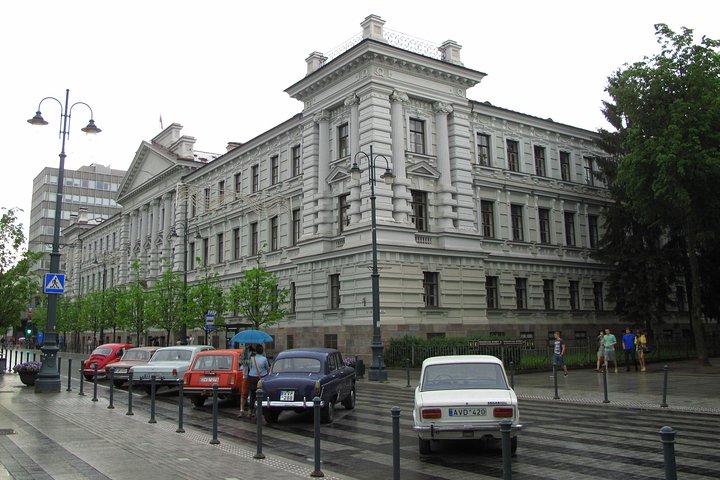
Guided Tour of KGB Museum in Vilnius (Museum of Occupation and Freedom Fights)

Curonian Spit (Neringa) Day Trip from Klaipeda – Small Group Tour

Local Wine and Mead Tastings in Vilnius Old Town Cellars

2 Hours Private Tour to Hill of Crosses from Siauliai
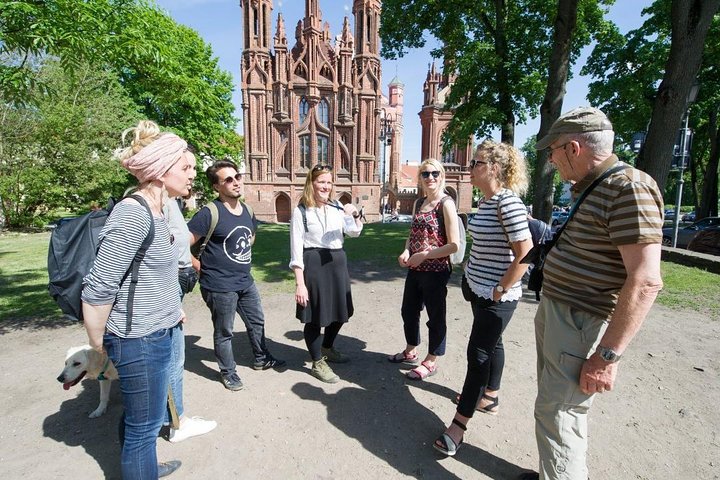

 Best Backpacking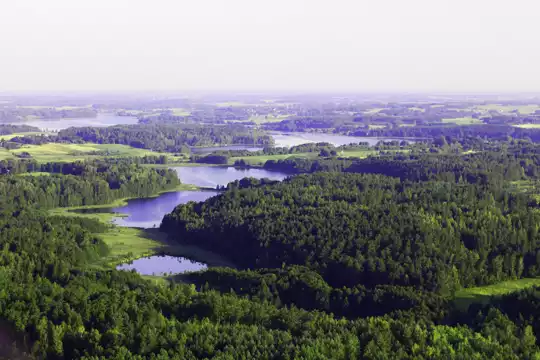
.jpg) Hi, I’m Johan (Netherlands 🇳🇱), the creator of TakeYourBackpack. Over the past 3 decades, I’ve backpacked through 90+ countries across six continents, gaining extensive experience with independent travel, long-term trips, and overland routes.
Hi, I’m Johan (Netherlands 🇳🇱), the creator of TakeYourBackpack. Over the past 3 decades, I’ve backpacked through 90+ countries across six continents, gaining extensive experience with independent travel, long-term trips, and overland routes.