v2.webp)
- The hill itself — a forest of crosses: Tens of thousands of crosses packed together, small and huge, create an immediate, slightly surreal sight — you don’t just see one monument, you step into a living, layered installation of faith and memory.
- The variety and craftsmanship: From naive wooden carvings (traditional koplytstulpiai) to ornate metalwork and modern steel crucifixes, the mix of folk art and skilled metal/wood work makes the site feel like an open-air museum of Lithuanian devotional craft.
- Personal ex-votos and intimate offerings: Tiny crosses, rosaries, children’s items, crutches and handwritten notes tell one-person stories — these little offerings turn the place from a monument into a mosaic of private grief, hope and thanks.
- Symbol of resistance and national identity: The
- The hill itself — a forest of crosses: Tens of thousands of crosses packed together, small and huge, create an immediate, slightly surreal sight — you don’t just see one monument, you step into a living, layered installation of faith and memory.
- The variety and craftsmanship: From naive wooden carvings (traditional koplytstulpiai) to ornate metalwork and modern steel crucifixes, the mix of folk art and skilled metal/wood work makes the site feel like an open-air museum of Lithuanian devotional craft.
- Personal ex-votos and intimate offerings: Tiny crosses, rosaries, children’s items, crutches and handwritten notes tell one-person stories — these little offerings turn the place from a monument into a mosaic of private grief, hope and thanks.
- Symbol of resistance and national identity: The Hill survived Soviet attempts to bulldoze it; locals kept rebuilding. That endurance, and Pope John Paul II’s 1993 visit (and his commemorative cross), make it a powerful symbol of cultural survival, not just religion.
- Large crucifixes and memorials: Scattered among the small crosses are striking, larger monuments and plaques commemorating victims, exiles and communities — they provide focal points for reflection and anchor the site’s historical weight.
- Light and atmosphere at sunrise/sunset: Early morning or late afternoon brings the best light and quiet — the shadows between crosses are fantastic for photos, and the hush makes the experience genuinely contemplative rather than touristy.
- Accessible context and local touches: It’s an easy day-trip from Šiauliai, with small stalls and a visitor area nearby where local artisans sell crosses and rosaries — good for picking up a simple, meaningful souvenir without breaking the budget.
Spotted a mistake or missing something? Contact us.

Hot air balloon flight Vilnius Trakai with Transfer and Shampagne

Premium canoe tour at Curonian spit National Park (from Klaipeda)

BIRDWATCH - Premium guided canoe tour at Cape Vente, Nemunas Delta Regional Park

Dinner with a local family

Wild Beach single handed Blokart Safari
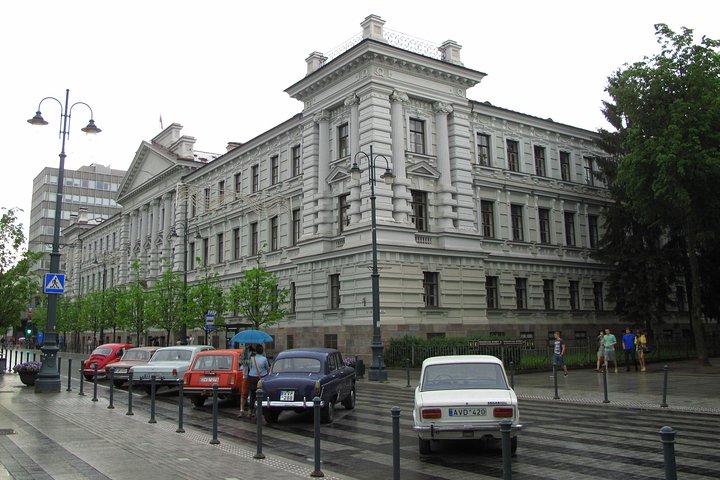
Guided Tour of KGB Museum in Vilnius (Museum of Occupation and Freedom Fights)

Shared Balloon Ride – Vilnius or Trakai, Hotel Pickup Included
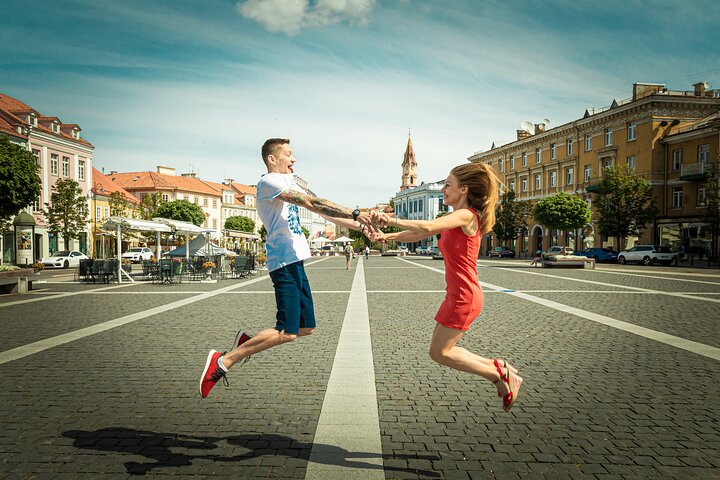
Vilnius Private Photoshoot Tour
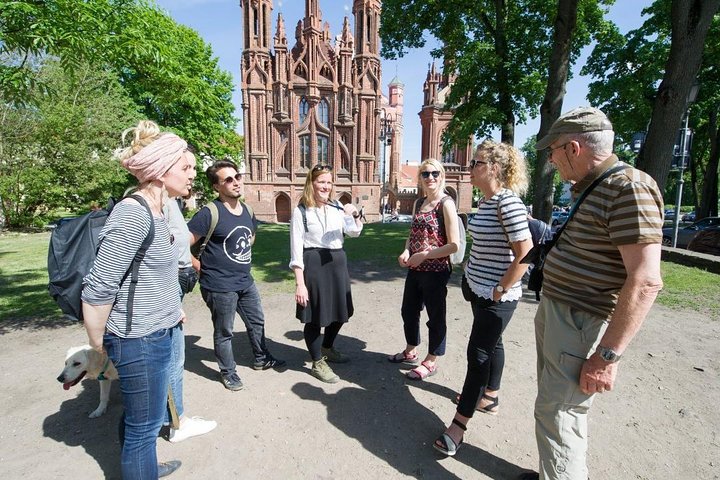
Vilnius Private Walking Tour


 Best Backpacking
.jpg) Hi, I’m Johan (Netherlands 🇳🇱), the creator of TakeYourBackpack. Over the past decade, I’ve backpacked through 80+ countries across six continents, gaining extensive experience with independent travel, long-term trips, and overland routes.
Hi, I’m Johan (Netherlands 🇳🇱), the creator of TakeYourBackpack. Over the past decade, I’ve backpacked through 80+ countries across six continents, gaining extensive experience with independent travel, long-term trips, and overland routes.