v2.webp)
The Grand Courtyard: Where History Gets Loud
Forget the filtered shots of empty ramparts. The courtyard is rarely serene—especially in summer, when it’s alive with school groups, wedding parties, and the odd medieval reenactor who takes his swordplay a little too seriously. This is the castle’s beating heart. The echo of boots on cobblestones, the clang of armor, and the chatter of a dozen languages—this is the real Trakai. If you want a photo without people, arrive at opening or embrace the chaos. The energy here is the point: you’re standing in the same space where Lithuanian dukes once plotted, feasted, and occasionally threw a rival in the dungeon.
The Museum’s Grand Halls: Lithuania’s Greatest Hits (and Misses)
The museum inside the castle is a crash course in Lithuanian ambition. You’ll … read more 👉
Forget the filtered shots of empty ramparts. The courtyard is rarely serene—especially in summer, when it’s alive with school groups, wedding parties, and the odd medieval reenactor who takes his swordplay a little too seriously. This is the castle’s beating heart. The echo of boots on cobblestones, the clang of armor, and the chatter of a dozen languages—this is the real Trakai. If you want a photo without people, arrive at opening or embrace the chaos. The energy here is the point: you’re standing in the same space where Lithuanian dukes once plotted, feasted, and occasionally threw a rival in the dungeon.
The Museum’s Grand Halls: Lithuania’s Greatest Hits (and Misses)
The museum inside the castle is a crash course in Lithuanian ambition. You’ll … read more 👉
The Grand Courtyard: Where History Gets Loud
Forget the filtered shots of empty ramparts. The courtyard is rarely serene—especially in summer, when it’s alive with school groups, wedding parties, and the odd medieval reenactor who takes his swordplay a little too seriously. This is the castle’s beating heart. The echo of boots on cobblestones, the clang of armor, and the chatter of a dozen languages—this is the real Trakai. If you want a photo without people, arrive at opening or embrace the chaos. The energy here is the point: you’re standing in the same space where Lithuanian dukes once plotted, feasted, and occasionally threw a rival in the dungeon.
The Museum’s Grand Halls: Lithuania’s Greatest Hits (and Misses)
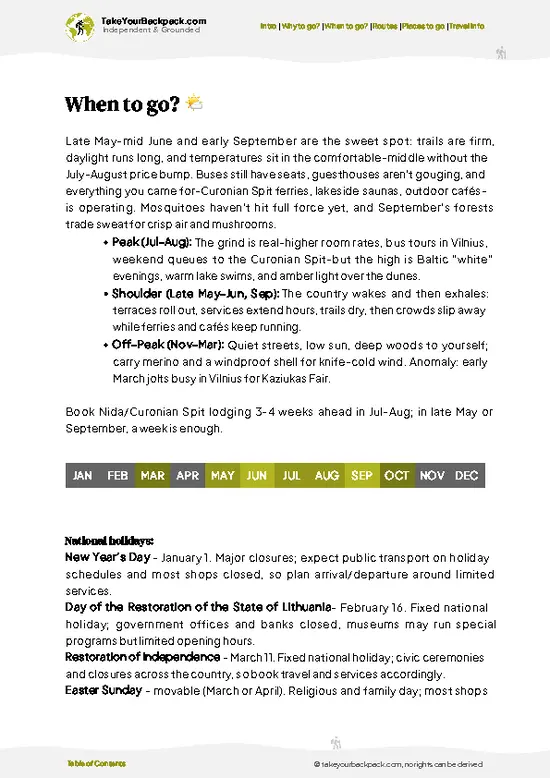
The museum inside the castle is a crash course in Lithuanian ambition. You’ll see everything from battered medieval weapons to the kind of ornate furniture that screams “I have power and questionable taste.” The exhibits don’t sugarcoat the region’s turbulent history—expect displays on wars, shifting borders, and the relentless push-pull between East and West. The real magic is in the details: hand-carved chess pieces, a battered knight’s helmet, and the faded insignia of a vanished dynasty. It’s not a slick, modern museum, but that’s the charm. You’re here for the raw, slightly chaotic storytelling.
The Lake Views: Lithuania’s Answer to a Postcard (But Wetter)
Instagram will show you the castle floating serenely on Galvė Lake, but it won’t tell you about the wind that whips across the water or the slap of oars from the rental boats. Walk the wooden bridge at sunset—yes, you’ll share it with a dozen selfie sticks, but the view is still a knockout. The castle’s red brick against the blue lake is the kind of color contrast that makes you forget how cold your fingers are. If you’re lucky, you’ll catch a local fisherman gliding by, oblivious to the spectacle.
The Prison Tower: Not Just for Show
Most castles have a token dungeon. Trakai’s prison tower is the real deal—damp, claustrophobic, and unromantic. The displays are sparse, but the atmosphere is thick. Stand inside and imagine being locked up here during a Lithuanian winter. It’s a sobering, visceral reminder that medieval life was more Game of Thrones than fairy tale.
The Karaim Quarter: The Real Flavor of Trakai
This isn’t technically inside the castle, but skipping it is like visiting Paris and ignoring the bakeries. The Karaim people—brought here centuries ago from Crimea—still run colorful wooden houses and serve up kibinai (savory pastries) that put every tourist-trap snack to shame. Walk five minutes from the castle, grab a hot kibinas, and taste the living, breathing history that no museum can bottle.
Forget the filtered shots of empty ramparts. The courtyard is rarely serene—especially in summer, when it’s alive with school groups, wedding parties, and the odd medieval reenactor who takes his swordplay a little too seriously. This is the castle’s beating heart. The echo of boots on cobblestones, the clang of armor, and the chatter of a dozen languages—this is the real Trakai. If you want a photo without people, arrive at opening or embrace the chaos. The energy here is the point: you’re standing in the same space where Lithuanian dukes once plotted, feasted, and occasionally threw a rival in the dungeon.
The Museum’s Grand Halls: Lithuania’s Greatest Hits (and Misses)
The museum inside the castle is a crash course in Lithuanian ambition. You’ll see everything from battered medieval weapons to the kind of ornate furniture that screams “I have power and questionable taste.” The exhibits don’t sugarcoat the region’s turbulent history—expect displays on wars, shifting borders, and the relentless push-pull between East and West. The real magic is in the details: hand-carved chess pieces, a battered knight’s helmet, and the faded insignia of a vanished dynasty. It’s not a slick, modern museum, but that’s the charm. You’re here for the raw, slightly chaotic storytelling.
The Lake Views: Lithuania’s Answer to a Postcard (But Wetter)
Instagram will show you the castle floating serenely on Galvė Lake, but it won’t tell you about the wind that whips across the water or the slap of oars from the rental boats. Walk the wooden bridge at sunset—yes, you’ll share it with a dozen selfie sticks, but the view is still a knockout. The castle’s red brick against the blue lake is the kind of color contrast that makes you forget how cold your fingers are. If you’re lucky, you’ll catch a local fisherman gliding by, oblivious to the spectacle.
The Prison Tower: Not Just for Show
Most castles have a token dungeon. Trakai’s prison tower is the real deal—damp, claustrophobic, and unromantic. The displays are sparse, but the atmosphere is thick. Stand inside and imagine being locked up here during a Lithuanian winter. It’s a sobering, visceral reminder that medieval life was more Game of Thrones than fairy tale.
The Karaim Quarter: The Real Flavor of Trakai
This isn’t technically inside the castle, but skipping it is like visiting Paris and ignoring the bakeries. The Karaim people—brought here centuries ago from Crimea—still run colorful wooden houses and serve up kibinai (savory pastries) that put every tourist-trap snack to shame. Walk five minutes from the castle, grab a hot kibinas, and taste the living, breathing history that no museum can bottle.
Spotted a mistake or missing something? Contact us.
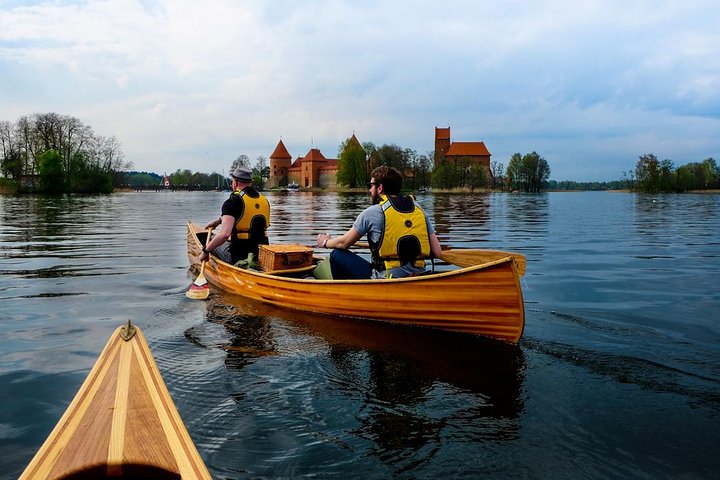
CASTLE ISLAND - Premium guided canoe tour at Trakai Historical Park
✓ Free cancellation

Trakai and Alpaca Family Park Private Tour
✓ Free cancellation

Trakai: Private tour Kybyns Cooking Lesson
✓ Free cancellation

A Self-Guided Tour of Lithuania’s Medieval Capital Trakai
✓ Free cancellation

Explore Trakai with Karaim Private Walking Tour
✓ Free cancellation


 Best Backpacking
.jpg) Hi, I’m Johan (Netherlands 🇳🇱), the creator of TakeYourBackpack. Over the past decade, I’ve backpacked through 80+ countries across six continents, gaining extensive experience with independent travel, long-term trips, and overland routes.
Hi, I’m Johan (Netherlands 🇳🇱), the creator of TakeYourBackpack. Over the past decade, I’ve backpacked through 80+ countries across six continents, gaining extensive experience with independent travel, long-term trips, and overland routes.