v2.webp)

1. The Main Stage: Where Grandiosity Isn’t Just for Show
Let’s get real: the Lithuanian National Opera and Ballet Theatre’s main hall isn’t some faded Soviet relic. It’s a 1,000-seat, red-velvet, gold-trimmed spectacle factory. The acoustics are sharp enough to catch a pin drop, and the sightlines are so good you’ll forget you’re not in Vienna. The energy here is electric—opening nights buzz with Vilnius’ creative class, and even a Tuesday matinee feels like an event. If you want to feel the pulse of Lithuanian culture, this is the artery.
2. Lithuanian Ballet: Athleticism Meets Surrealism
Forget the dainty, porcelain-doll stereotype. Lithuanian ballet is raw, muscular, and unafraid to get weird. The company’s take on classics—think “Swan Lake” or “Giselle”—leans into psychological drama, not … read more 👉
Let’s get real: the Lithuanian National Opera and Ballet Theatre’s main hall isn’t some faded Soviet relic. It’s a 1,000-seat, red-velvet, gold-trimmed spectacle factory. The acoustics are sharp enough to catch a pin drop, and the sightlines are so good you’ll forget you’re not in Vienna. The energy here is electric—opening nights buzz with Vilnius’ creative class, and even a Tuesday matinee feels like an event. If you want to feel the pulse of Lithuanian culture, this is the artery.
2. Lithuanian Ballet: Athleticism Meets Surrealism
Forget the dainty, porcelain-doll stereotype. Lithuanian ballet is raw, muscular, and unafraid to get weird. The company’s take on classics—think “Swan Lake” or “Giselle”—leans into psychological drama, not … read more 👉
1. The Main Stage: Where Grandiosity Isn’t Just for Show
Let’s get real: the Lithuanian National Opera and Ballet Theatre’s main hall isn’t some faded Soviet relic. It’s a 1,000-seat, red-velvet, gold-trimmed spectacle factory. The acoustics are sharp enough to catch a pin drop, and the sightlines are so good you’ll forget you’re not in Vienna. The energy here is electric—opening nights buzz with Vilnius’ creative class, and even a Tuesday matinee feels like an event. If you want to feel the pulse of Lithuanian culture, this is the artery.
2. Lithuanian Ballet: Athleticism Meets Surrealism
Forget the dainty, porcelain-doll stereotype. Lithuanian ballet is raw, muscular, and unafraid to get weird. The company’s take on classics—think “Swan Lake” or “Giselle”—leans into psychological drama, not just pretty lines. And when they stage contemporary works, expect angular, almost punk choreography that’ll make you rethink what ballet can be. You’re not just watching dancers; you’re watching athletes in existential crisis, and it’s riveting.
3. Lithuanian Opera: Local Voices, Global Punch
Opera here isn’t just imported Italian arias. The theatre champions Lithuanian composers and librettists, so you’ll hear works you can’t find anywhere else—like Vytautas Klova’s “Pilėnai,” a homegrown epic about medieval heroism. Even the classics get a Baltic twist: the language, the staging, the emotional temperature. The result? Opera that feels urgent, not embalmed.
4. The Orchestra: Not Background Noise
This isn’t one of those pit orchestras phoning it in. The Lithuanian National Opera and Ballet Theatre’s orchestra is a force—tight, expressive, and sometimes upstaging the singers (in the best way). Whether it’s the thunder of Tchaikovsky or the eerie minimalism of a modern score, they play with a clarity and intensity that makes you sit up straight. If you’re an audiophile, this is your playground.
5. The Intermission Scene: People-Watching as Performance Art
Here’s the secret: intermission is half the show. The marble foyer fills with Vilnius’ old guard, young artists, and the occasional diplomat. You’ll see everything from vintage fur coats to neon sneakers. Grab a glass of Soviet-era champagne (yes, it’s still a thing) and eavesdrop—Lithuanians are famously reserved, but the theatre loosens tongues. It’s a living diorama of the city’s social fabric.
6. The Architecture: Brutalism with a Velvet Heart
From the outside, the theatre is unapologetically modernist—concrete, sharp lines, a little intimidating. But step inside and it’s all plush textures, warm lighting, and a sense of ceremony. The contrast is deliberate: a reminder that Lithuanian culture is about resilience and reinvention, not nostalgia. It’s not “pretty” in the Instagram sense, but it’s got soul.
7. Backstage Tours: The Machinery of Magic
If you can score a backstage tour, do it. You’ll see the guts of the operation—trapdoors, costume workshops, the organized chaos of set changes. It’s a rare, unvarnished look at how much sweat and precision goes into every performance. You’ll never watch a curtain rise the same way again.
Let’s get real: the Lithuanian National Opera and Ballet Theatre’s main hall isn’t some faded Soviet relic. It’s a 1,000-seat, red-velvet, gold-trimmed spectacle factory. The acoustics are sharp enough to catch a pin drop, and the sightlines are so good you’ll forget you’re not in Vienna. The energy here is electric—opening nights buzz with Vilnius’ creative class, and even a Tuesday matinee feels like an event. If you want to feel the pulse of Lithuanian culture, this is the artery.
2. Lithuanian Ballet: Athleticism Meets Surrealism
Forget the dainty, porcelain-doll stereotype. Lithuanian ballet is raw, muscular, and unafraid to get weird. The company’s take on classics—think “Swan Lake” or “Giselle”—leans into psychological drama, not just pretty lines. And when they stage contemporary works, expect angular, almost punk choreography that’ll make you rethink what ballet can be. You’re not just watching dancers; you’re watching athletes in existential crisis, and it’s riveting.
3. Lithuanian Opera: Local Voices, Global Punch
Opera here isn’t just imported Italian arias. The theatre champions Lithuanian composers and librettists, so you’ll hear works you can’t find anywhere else—like Vytautas Klova’s “Pilėnai,” a homegrown epic about medieval heroism. Even the classics get a Baltic twist: the language, the staging, the emotional temperature. The result? Opera that feels urgent, not embalmed.
4. The Orchestra: Not Background Noise
This isn’t one of those pit orchestras phoning it in. The Lithuanian National Opera and Ballet Theatre’s orchestra is a force—tight, expressive, and sometimes upstaging the singers (in the best way). Whether it’s the thunder of Tchaikovsky or the eerie minimalism of a modern score, they play with a clarity and intensity that makes you sit up straight. If you’re an audiophile, this is your playground.
5. The Intermission Scene: People-Watching as Performance Art
Here’s the secret: intermission is half the show. The marble foyer fills with Vilnius’ old guard, young artists, and the occasional diplomat. You’ll see everything from vintage fur coats to neon sneakers. Grab a glass of Soviet-era champagne (yes, it’s still a thing) and eavesdrop—Lithuanians are famously reserved, but the theatre loosens tongues. It’s a living diorama of the city’s social fabric.
6. The Architecture: Brutalism with a Velvet Heart
From the outside, the theatre is unapologetically modernist—concrete, sharp lines, a little intimidating. But step inside and it’s all plush textures, warm lighting, and a sense of ceremony. The contrast is deliberate: a reminder that Lithuanian culture is about resilience and reinvention, not nostalgia. It’s not “pretty” in the Instagram sense, but it’s got soul.
7. Backstage Tours: The Machinery of Magic
If you can score a backstage tour, do it. You’ll see the guts of the operation—trapdoors, costume workshops, the organized chaos of set changes. It’s a rare, unvarnished look at how much sweat and precision goes into every performance. You’ll never watch a curtain rise the same way again.
Spotted a mistake or missing something? Contact us.

Hot air balloon flight Vilnius Trakai with Transfer and Shampagne

Dinner with a local family
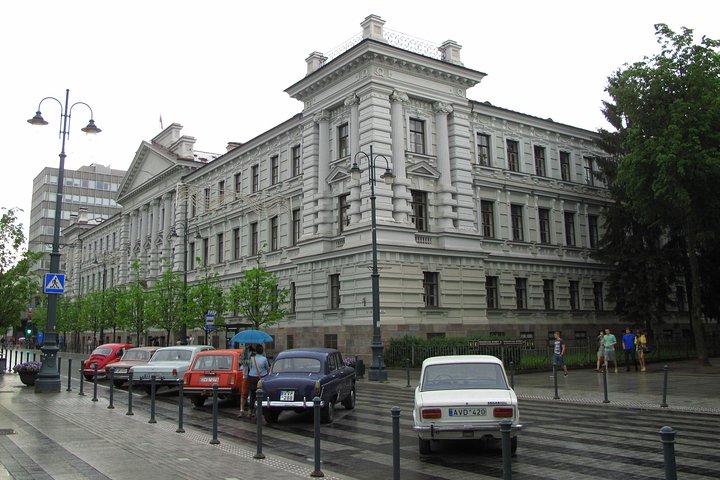
Guided Tour of KGB Museum in Vilnius (Museum of Occupation and Freedom Fights)

Local Wine and Mead Tastings in Vilnius Old Town Cellars
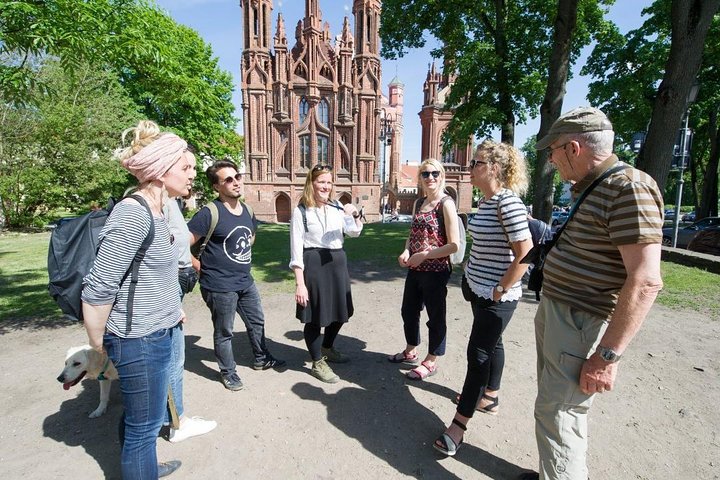
Vilnius Private Walking Tour

Day tour From Vilnius to Belarus border a frozen corner of Europe

Husky Trekking in Natural Park near Vilnius

Vilnius Old Town and Užupis Republic - Private Walking Tour

Scooter City Tour of Vilnius Highlights


 Best Backpacking
.jpg) Hi, I’m Johan (Netherlands 🇳🇱), the creator of TakeYourBackpack. Over the past 3 decades, I’ve backpacked through 90+ countries across six continents, gaining extensive experience with independent travel, long-term trips, and overland routes.
Hi, I’m Johan (Netherlands 🇳🇱), the creator of TakeYourBackpack. Over the past 3 decades, I’ve backpacked through 90+ countries across six continents, gaining extensive experience with independent travel, long-term trips, and overland routes.