v2.webp)
The Mind-Bending Grand Dukes’ Regalia
Forget the dusty textbook version of Lithuanian history. The museum’s collection of royal regalia—crowns, scepters, and ceremonial swords—hits different when you’re inches away from the real deal. These aren’t replicas. You’re staring at the actual symbols of power that shaped a medieval superpower. The craftsmanship is so intricate you’ll catch yourself squinting at the filigree, wondering how anyone had the patience (or eyesight) for this level of detail. It’s a rare, tactile connection to the days when Lithuania was the largest country in Europe, not just a trivia answer.
The Tower with a View (Gediminas Tower)
Yes, every tourist with a phone will be here, but there’s a reason. Climb the spiral staircase and you’re rewarded with a panoramic view that’s … read more 👉
Forget the dusty textbook version of Lithuanian history. The museum’s collection of royal regalia—crowns, scepters, and ceremonial swords—hits different when you’re inches away from the real deal. These aren’t replicas. You’re staring at the actual symbols of power that shaped a medieval superpower. The craftsmanship is so intricate you’ll catch yourself squinting at the filigree, wondering how anyone had the patience (or eyesight) for this level of detail. It’s a rare, tactile connection to the days when Lithuania was the largest country in Europe, not just a trivia answer.
The Tower with a View (Gediminas Tower)
Yes, every tourist with a phone will be here, but there’s a reason. Climb the spiral staircase and you’re rewarded with a panoramic view that’s … read more 👉
The Mind-Bending Grand Dukes’ Regalia
Forget the dusty textbook version of Lithuanian history. The museum’s collection of royal regalia—crowns, scepters, and ceremonial swords—hits different when you’re inches away from the real deal. These aren’t replicas. You’re staring at the actual symbols of power that shaped a medieval superpower. The craftsmanship is so intricate you’ll catch yourself squinting at the filigree, wondering how anyone had the patience (or eyesight) for this level of detail. It’s a rare, tactile connection to the days when Lithuania was the largest country in Europe, not just a trivia answer.
The Tower with a View (Gediminas Tower)
Yes, every tourist with a phone will be here, but there’s a reason. Climb the spiral staircase and you’re rewarded with a panoramic view that’s not just pretty—it’s a living map of Lithuania’s tangled history. You see the old city, the river, the scars of Soviet-era blocks, and the green sprawl beyond. It’s a crash course in how geography and politics collide. And if you time it right, the wind up there will slap the cobwebs out of your head. Worth every step, even if you have to dodge a few selfie sticks.
The Hall of Exile and Resistance
This is where the Instagram crowd thins out, and the mood shifts. The exhibits on Soviet deportations and Lithuanian resistance aren’t sanitized or sugarcoated. You’ll see battered suitcases, handwritten letters, and photos that punch you in the gut. It’s not “fun,” but it’s riveting. The raw honesty here is a reminder that history isn’t just about kings and castles—it’s about ordinary people surviving the worst. If you want to understand Lithuania’s soul, don’t skip this.
The Folk Art and Costume Collection
You might think you’ve seen enough embroidered shirts to last a lifetime, but Lithuania’s folk art is on another level. The patterns aren’t just decorative—they’re coded messages, family histories, and regional identities stitched into cloth. The museum lays it out with enough context that you’ll start spotting differences between Samogitian and Aukštaitian styles. Bonus: the wooden masks and ritual objects are delightfully weird, like something out of a pagan fever dream.
The Archaeological Treasures
Skip the “ancient pottery” eye-roll. The museum’s archaeological section is a time machine, with artifacts pulled from burial mounds and Iron Age settlements. You’ll see amber jewelry that predates the Roman Empire and weapons that look like they were forged for a fantasy epic. The best part? The displays don’t just show you the objects—they tell you who used them, and why. It’s the difference between staring at a rock and realizing it was someone’s prized possession a thousand years ago.
Forget the dusty textbook version of Lithuanian history. The museum’s collection of royal regalia—crowns, scepters, and ceremonial swords—hits different when you’re inches away from the real deal. These aren’t replicas. You’re staring at the actual symbols of power that shaped a medieval superpower. The craftsmanship is so intricate you’ll catch yourself squinting at the filigree, wondering how anyone had the patience (or eyesight) for this level of detail. It’s a rare, tactile connection to the days when Lithuania was the largest country in Europe, not just a trivia answer.
The Tower with a View (Gediminas Tower)
Yes, every tourist with a phone will be here, but there’s a reason. Climb the spiral staircase and you’re rewarded with a panoramic view that’s not just pretty—it’s a living map of Lithuania’s tangled history. You see the old city, the river, the scars of Soviet-era blocks, and the green sprawl beyond. It’s a crash course in how geography and politics collide. And if you time it right, the wind up there will slap the cobwebs out of your head. Worth every step, even if you have to dodge a few selfie sticks.
The Hall of Exile and Resistance
This is where the Instagram crowd thins out, and the mood shifts. The exhibits on Soviet deportations and Lithuanian resistance aren’t sanitized or sugarcoated. You’ll see battered suitcases, handwritten letters, and photos that punch you in the gut. It’s not “fun,” but it’s riveting. The raw honesty here is a reminder that history isn’t just about kings and castles—it’s about ordinary people surviving the worst. If you want to understand Lithuania’s soul, don’t skip this.
The Folk Art and Costume Collection
You might think you’ve seen enough embroidered shirts to last a lifetime, but Lithuania’s folk art is on another level. The patterns aren’t just decorative—they’re coded messages, family histories, and regional identities stitched into cloth. The museum lays it out with enough context that you’ll start spotting differences between Samogitian and Aukštaitian styles. Bonus: the wooden masks and ritual objects are delightfully weird, like something out of a pagan fever dream.
The Archaeological Treasures
Skip the “ancient pottery” eye-roll. The museum’s archaeological section is a time machine, with artifacts pulled from burial mounds and Iron Age settlements. You’ll see amber jewelry that predates the Roman Empire and weapons that look like they were forged for a fantasy epic. The best part? The displays don’t just show you the objects—they tell you who used them, and why. It’s the difference between staring at a rock and realizing it was someone’s prized possession a thousand years ago.
Spotted a mistake or missing something? Contact us.

Hot air balloon flight Vilnius Trakai with Transfer and Shampagne

Dinner with a local family
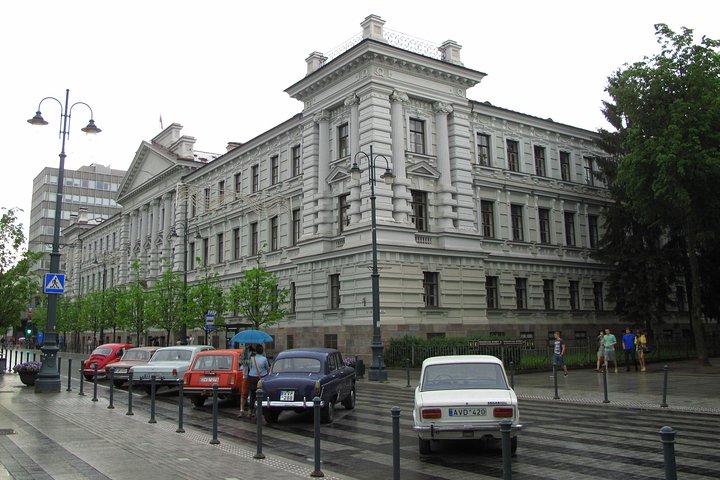
Guided Tour of KGB Museum in Vilnius (Museum of Occupation and Freedom Fights)

Local Wine and Mead Tastings in Vilnius Old Town Cellars
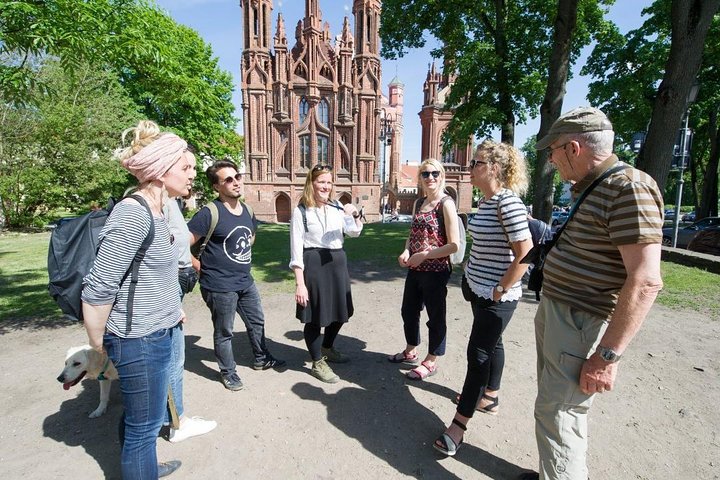
Vilnius Private Walking Tour

Day tour From Vilnius to Belarus border a frozen corner of Europe

Husky Trekking in Natural Park near Vilnius

Vilnius Old Town and Užupis Republic - Private Walking Tour

Scooter City Tour of Vilnius Highlights


 Best Backpacking
.jpg) Hi, I’m Johan (Netherlands 🇳🇱), the creator of TakeYourBackpack. Over the past 3 decades, I’ve backpacked through 90+ countries across six continents, gaining extensive experience with independent travel, long-term trips, and overland routes.
Hi, I’m Johan (Netherlands 🇳🇱), the creator of TakeYourBackpack. Over the past 3 decades, I’ve backpacked through 90+ countries across six continents, gaining extensive experience with independent travel, long-term trips, and overland routes.