v2.webp)


1. The Building Itself: Daniel Libeskind’s Urban Sculpture
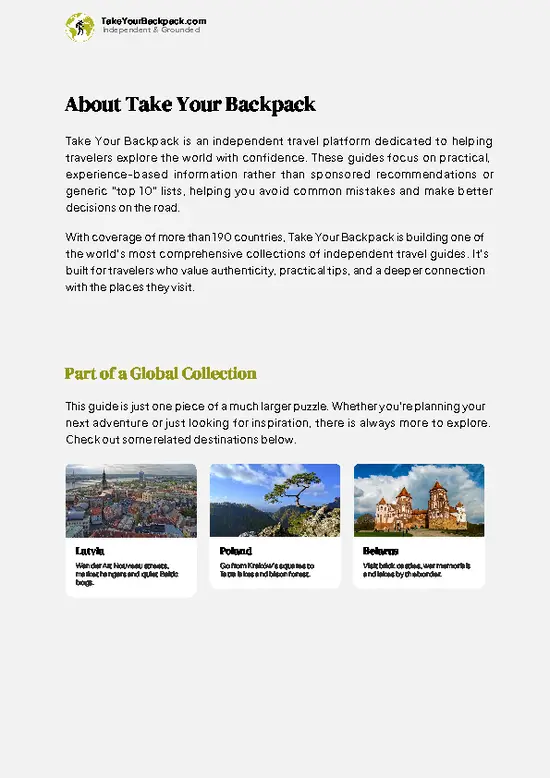
Let’s get real: most people’s first impression of MO Museum is the architecture, and for once, the hype is justified. Daniel Libeskind’s angular, white concrete structure slices through Vilnius’ old city like a spaceship that crash-landed with style. It’s not just a backdrop for selfies; it’s a statement. The building’s sharp lines and floating staircase are a deliberate break from the city’s baroque and gothic comfort zone. You feel the energy shift the moment you walk in—this is Lithuania’s flag planted in the future, not a nostalgia trap. If you’re the type who usually skips “the building tour,” don’t. Here, the architecture is half the show.
2. Rotating Contemporary Art Exhibitions
Forget the dusty, permanent collections you tiptoe … read more 👉
Let’s get real: most people’s first impression of MO Museum is the architecture, and for once, the hype is justified. Daniel Libeskind’s angular, white concrete structure slices through Vilnius’ old city like a spaceship that crash-landed with style. It’s not just a backdrop for selfies; it’s a statement. The building’s sharp lines and floating staircase are a deliberate break from the city’s baroque and gothic comfort zone. You feel the energy shift the moment you walk in—this is Lithuania’s flag planted in the future, not a nostalgia trap. If you’re the type who usually skips “the building tour,” don’t. Here, the architecture is half the show.
2. Rotating Contemporary Art Exhibitions
Forget the dusty, permanent collections you tiptoe … read more 👉
1. The Building Itself: Daniel Libeskind’s Urban Sculpture
Let’s get real: most people’s first impression of MO Museum is the architecture, and for once, the hype is justified. Daniel Libeskind’s angular, white concrete structure slices through Vilnius’ old city like a spaceship that crash-landed with style. It’s not just a backdrop for selfies; it’s a statement. The building’s sharp lines and floating staircase are a deliberate break from the city’s baroque and gothic comfort zone. You feel the energy shift the moment you walk in—this is Lithuania’s flag planted in the future, not a nostalgia trap. If you’re the type who usually skips “the building tour,” don’t. Here, the architecture is half the show.
2. Rotating Contemporary Art Exhibitions
Forget the dusty, permanent collections you tiptoe past in most museums. MO Museum’s exhibitions are always changing, and they’re not afraid to get weird, political, or personal. You’ll see everything from Soviet-era rebellion to neon-lit explorations of identity, often with a Baltic twist you won’t find in Western Europe. The curators have a knack for picking art that’s punchy, provocative, and sometimes downright uncomfortable. You won’t walk out with a tidy summary—expect to be challenged, maybe even rattled. That’s the point.
3. The “Staircase to Nowhere”
This isn’t just an architectural gimmick. The floating staircase in the atrium is a magnet for both design nerds and anyone who likes a little existential symbolism with their culture. It leads to a wall, not a door, and it’s become a kind of unofficial mascot for the museum’s mission: progress, disruption, and the occasional dead end. It’s also the best spot in the building for people-watching and soaking up the museum’s pulse.
4. The Outdoor Sculpture Garden
Most visitors miss this, racing from the ticket desk to the main galleries. Rookie mistake. The sculpture garden is a pocket-sized playground for contemporary Lithuanian artists, and it’s where the museum’s sense of humor comes out to play. You’ll find oversized, surreal pieces that invite you to touch, climb, or just puzzle over them. It’s a rare museum moment where you’re encouraged to interact, not just observe.
5. The Museum Shop: Baltic Design Without the Kitsch
Skip the fridge magnets. MO’s shop is a curated crash course in Baltic design—think bold graphics, clever books, and objects you’ll actually want to use. Prices aren’t bargain-bin, but you’re paying for originality, not mass-produced souvenirs. If you want to bring home something that actually says “I was here and I get it,” this is your spot.
6. The Rooftop Terrace
If you’re lucky enough to visit when it’s open, the rooftop terrace is a secret handshake for those in the know. It’s not about panoramic city views (though you get a slice of those); it’s about the feeling of being above the fray, perched on Vilnius’ edge, with the city’s old and new colliding below. Bring a coffee, bring a friend, and let the city buzz beneath you.
Let’s get real: most people’s first impression of MO Museum is the architecture, and for once, the hype is justified. Daniel Libeskind’s angular, white concrete structure slices through Vilnius’ old city like a spaceship that crash-landed with style. It’s not just a backdrop for selfies; it’s a statement. The building’s sharp lines and floating staircase are a deliberate break from the city’s baroque and gothic comfort zone. You feel the energy shift the moment you walk in—this is Lithuania’s flag planted in the future, not a nostalgia trap. If you’re the type who usually skips “the building tour,” don’t. Here, the architecture is half the show.
2. Rotating Contemporary Art Exhibitions
Forget the dusty, permanent collections you tiptoe past in most museums. MO Museum’s exhibitions are always changing, and they’re not afraid to get weird, political, or personal. You’ll see everything from Soviet-era rebellion to neon-lit explorations of identity, often with a Baltic twist you won’t find in Western Europe. The curators have a knack for picking art that’s punchy, provocative, and sometimes downright uncomfortable. You won’t walk out with a tidy summary—expect to be challenged, maybe even rattled. That’s the point.
3. The “Staircase to Nowhere”
This isn’t just an architectural gimmick. The floating staircase in the atrium is a magnet for both design nerds and anyone who likes a little existential symbolism with their culture. It leads to a wall, not a door, and it’s become a kind of unofficial mascot for the museum’s mission: progress, disruption, and the occasional dead end. It’s also the best spot in the building for people-watching and soaking up the museum’s pulse.
4. The Outdoor Sculpture Garden
Most visitors miss this, racing from the ticket desk to the main galleries. Rookie mistake. The sculpture garden is a pocket-sized playground for contemporary Lithuanian artists, and it’s where the museum’s sense of humor comes out to play. You’ll find oversized, surreal pieces that invite you to touch, climb, or just puzzle over them. It’s a rare museum moment where you’re encouraged to interact, not just observe.
5. The Museum Shop: Baltic Design Without the Kitsch
Skip the fridge magnets. MO’s shop is a curated crash course in Baltic design—think bold graphics, clever books, and objects you’ll actually want to use. Prices aren’t bargain-bin, but you’re paying for originality, not mass-produced souvenirs. If you want to bring home something that actually says “I was here and I get it,” this is your spot.
6. The Rooftop Terrace
If you’re lucky enough to visit when it’s open, the rooftop terrace is a secret handshake for those in the know. It’s not about panoramic city views (though you get a slice of those); it’s about the feeling of being above the fray, perched on Vilnius’ edge, with the city’s old and new colliding below. Bring a coffee, bring a friend, and let the city buzz beneath you.
Spotted a mistake or missing something? Contact us.

Hot air balloon flight Vilnius Trakai with Transfer and Shampagne

Dinner with a local family
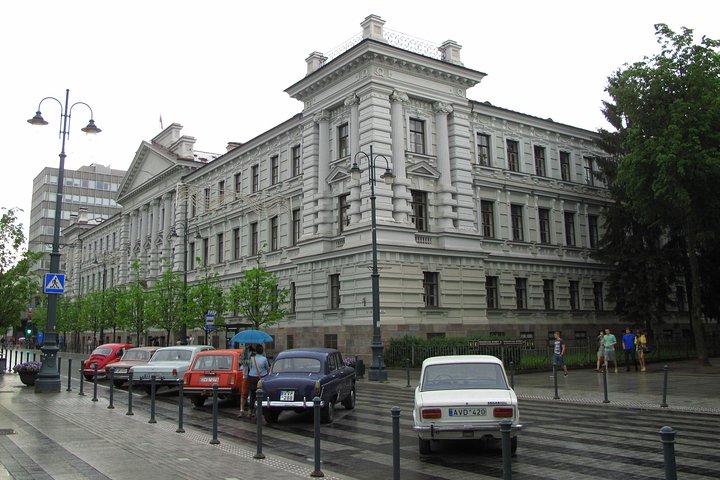
Guided Tour of KGB Museum in Vilnius (Museum of Occupation and Freedom Fights)

Local Wine and Mead Tastings in Vilnius Old Town Cellars
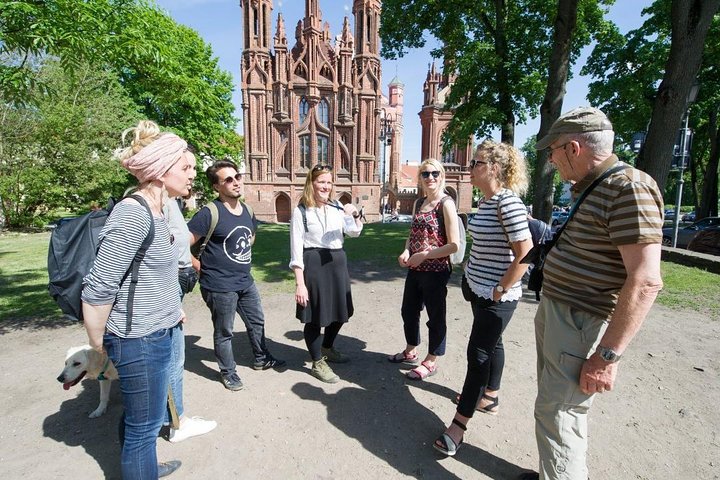
Vilnius Private Walking Tour

Day tour From Vilnius to Belarus border a frozen corner of Europe

Husky Trekking in Natural Park near Vilnius

Vilnius Old Town and Užupis Republic - Private Walking Tour

Scooter City Tour of Vilnius Highlights


 Best Backpacking
.jpg) Hi, I’m Johan (Netherlands 🇳🇱), the creator of TakeYourBackpack. Over the past 3 decades, I’ve backpacked through 90+ countries across six continents, gaining extensive experience with independent travel, long-term trips, and overland routes.
Hi, I’m Johan (Netherlands 🇳🇱), the creator of TakeYourBackpack. Over the past 3 decades, I’ve backpacked through 90+ countries across six continents, gaining extensive experience with independent travel, long-term trips, and overland routes.