×

Madagascar🇲🇬 | beachesAntsiranana BaySugar Loaf rock, enclosed basin, waterfront grills, gray-tan sand | things to do and best time to go

Explore AnjajavyExplore Baie des Sakalava

Backpacking in Antsiranana Bay
👍 Recommendedbeach ranked #12
By Johan Kruseman 🇳🇱 | Updated October 15, 2026

Antsiranana Bay is ringed by a steep-sided, almost closed basin, and the Sugar Loaf (Pain de Sucre), a rounded rock that rises from the water, is what the bay is best known for. The beach sits in the far north of Madagascar, by the town of Antsiranana (Diego Suarez). The sand is gray-tan and patchy, with scattered litter near town, so skip swimming there and walk toward the quieter edges. The water is calm and shallow, with almost no surf, and snorkeling is poor. I hired a pirogue from a fisherman at the shore and paddled out for a close look at the Sugar Loaf, which anyone can do for a small negotiated fee. Cheap grilled fish and basic guesthouses are a short walk away. It suits slow-paced photographers and sunset watchers, and it will bore anyone chasing surf or reef.

Discover everything you want to know in the 📖 Madagascar Travel Guide.


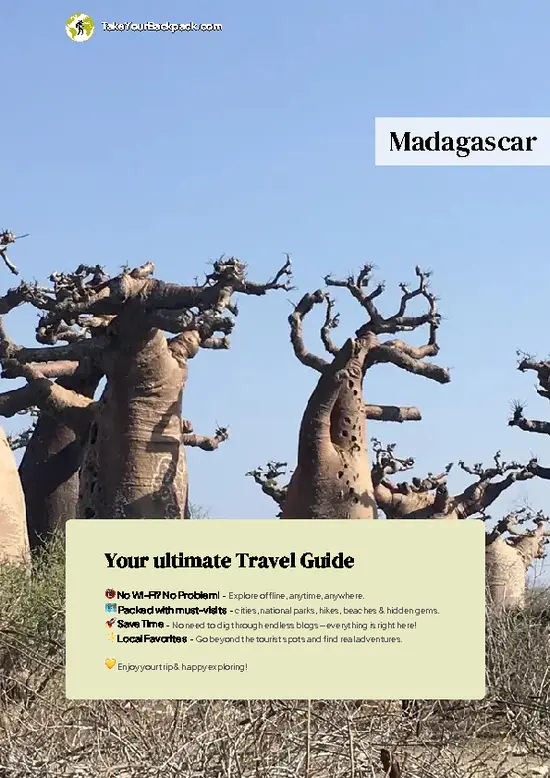
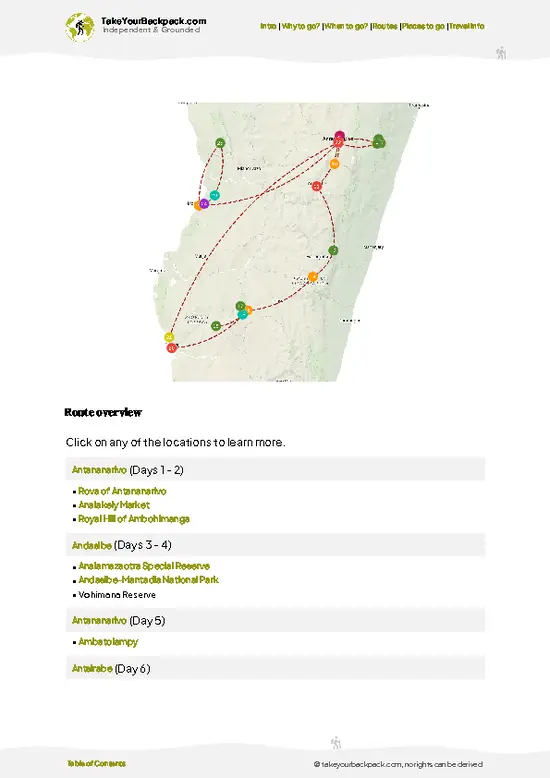
example page 0 from our offline Travel Guide for Madagascar
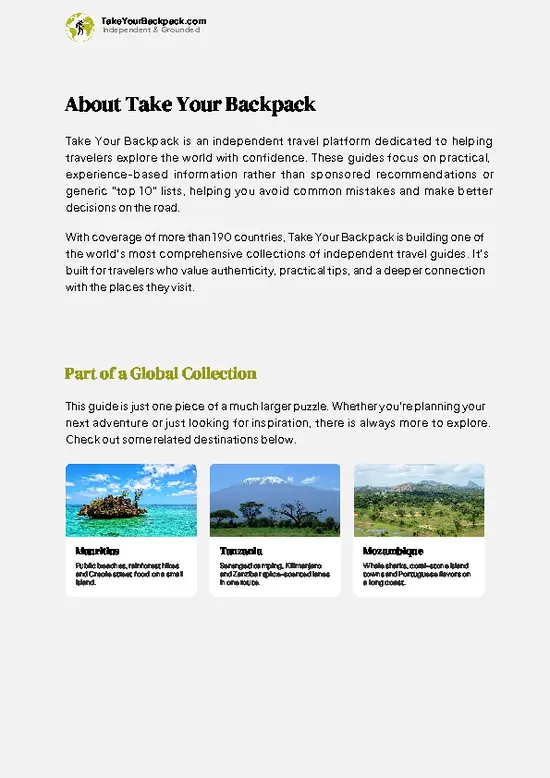
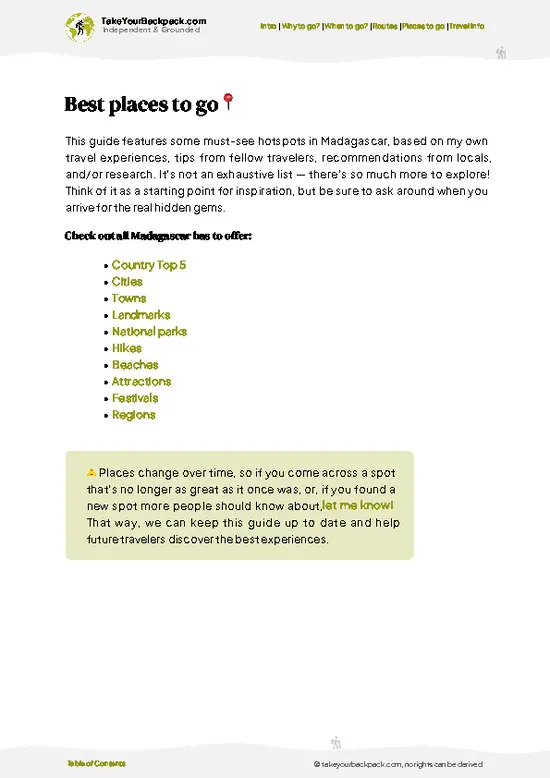
example page 1 from our offline Travel Guide for Madagascar
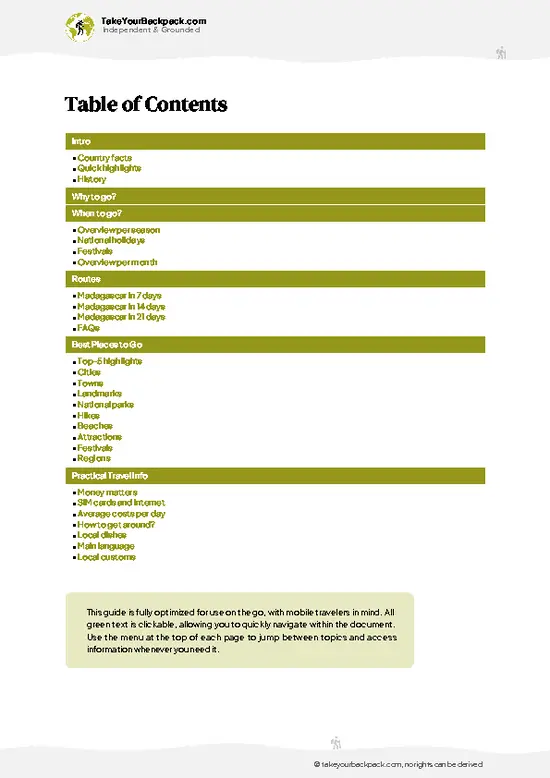
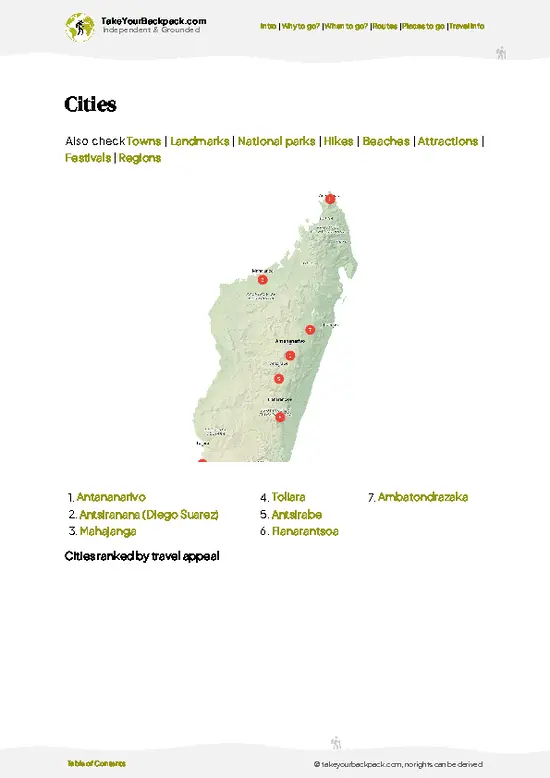
example page 2 from our offline Travel Guide for Madagascar
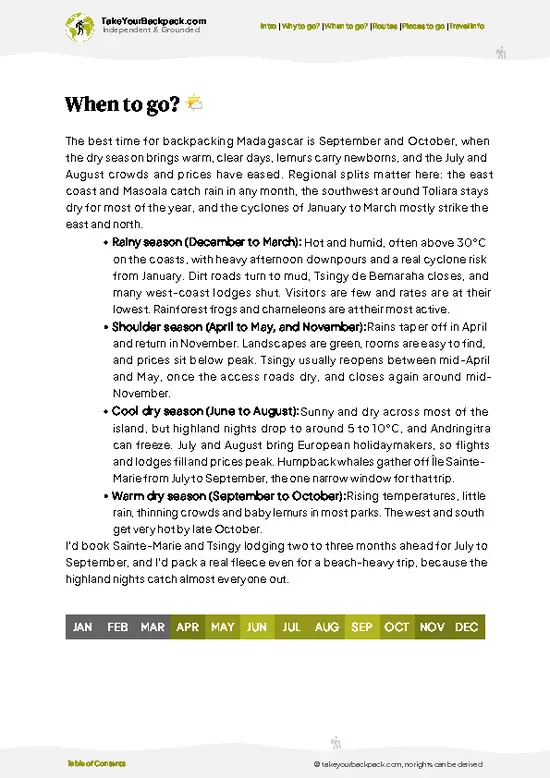
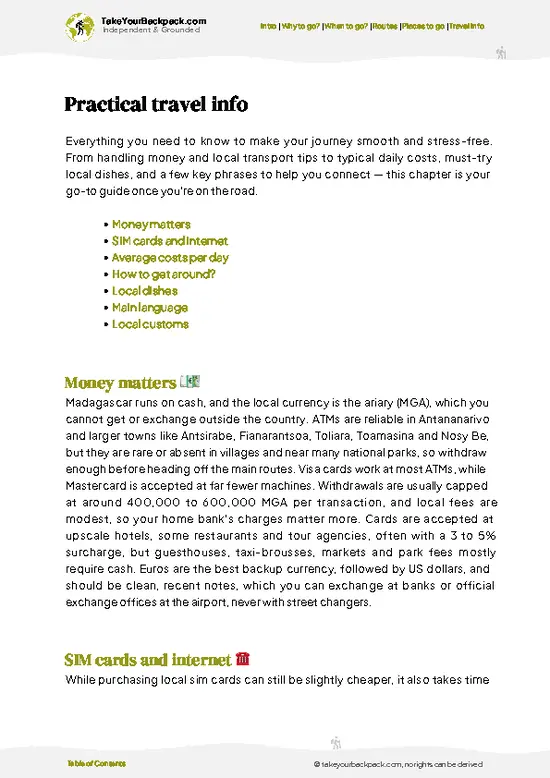
example page 3 from our offline Travel Guide for Madagascar
example page 4 from our offline Travel Guide for Madagascar
example page 5 from our offline Travel Guide for Madagascar
example page 6 from our offline Travel Guide for Madagascar
example page 7 from our offline Travel Guide for Madagascar
Loading the map 🌍
CLICK TO FILTER
cities
towns
landmarks
national parks
hikes
beaches
attractions
festivals
regions
SHOW COUNTRY’S BESTSHOW ALL

✨ Why go?
Ranked #12 beach in Madagascar
What sets this place apart

Backpackers stop here because Antsiranana Bay is the natural pause in the far north, the place you land before or after the Emerald Sea and the Tsingy Rouge excursions. The beach itself is a low-key evening spot more than a swimming destination. Fishermen pull in wooden pirogues, and the light on the Sugar Loaf turns the water copper at dusk. Because the town is close, you can eat grilled fish and sip a cold local beer without any planning, and meet other travelers comparing notes on 4x4 hires and boat trips. It is cheap, flat and easy, which makes it a good reset day between longer, rougher hops along the northern routes. Treat it as a base for the surrounding sights, not the main event.

💡 HighlightsPlaces and moments you shouldn't skip

  1. The Sugar Loaf (Pain de Sucre): the conical rock rising from the bay is the signature view. Look at it from the shore, or hire a local pirogue to get close.
  2. Sunset over the bay: the water goes copper and the hills turn dark. Bring a camera and a sarong to sit on the sand.
  3. Fishermen at work: wooden pirogues come and go through the day, and the catch is often sold right on the sand. Watching the unloading is free and tells you more about local life than any museum.
  4. Grilled seafood at the waterfront: small stalls and simple restaurants near the shore serve fresh fish with rice. Order whatever came in that day.
  5. Shoreline walk toward the quieter edges: the beach is cleaner and emptier away from town, with views across the basin to the surrounding hills. Go in the cooler hours of morning or late afternoon.
… read more 👉
  1. The Sugar Loaf (Pain de Sucre): the conical rock rising from the bay is the signature view. Look at it from the shore, or hire a local pirogue to get close.
  2. Sunset over the bay: the water goes copper and the hills turn dark. Bring a camera and a sarong to sit on the sand.
  3. Fishermen at work: wooden pirogues come and go through the day, and the catch is often sold right on the sand. Watching the unloading is free and tells you more about local life than any museum.
  4. Grilled seafood at the waterfront: small stalls and simple restaurants near the shore serve fresh fish with rice. Order whatever came in that day.
  5. Shoreline walk toward the quieter edges: the beach is cleaner and emptier away from town, with views across the basin to the surrounding hills. Go in the cooler hours of morning or late afternoon.
Start with the sunset, because the light gives the Sugar Loaf its best color and you can arrange the pirogue trip and dinner around it.
Spotted a mistake or missing something? Contact us.

🌤️ When to go?Best time to visit Antsiranana Bay

  • May to October: Dry, breezy, and the easiest window for the bay. Days run 27 to 31°C (81 to 88°F), nights 20 to 23°C (68 to 73°F). The strong Kiran wind from June to September suits kitesurfers at nearby Sakalava Bay but stirs up chop and dust. Sunrise comes near 6 am and sunset near 5:30 pm.
  • November to April: Hot and humid, 30 to 34°C (86 to 93°F), with heavy downpours mostly from January to March and a cyclone risk in that stretch. Rooms and tours get cheaper and crowds thin out. Days are longer, with sunset closer to 6:30 pm.
  • July to August: Local and French holiday crowds push up prices for rooms and 4x4 hire.
Book ahead if you land in July or August, and aim for May or October to get dry weather without the peak rates.

source: climatestotravel.comJANJanuary: below average for travelingFEBFebruary: below average for travelingMARMarch: below average for travelingAPRApril: fair for travelingMAYMay: highly recommended for travelingJUNJune: excellent for travelingJULJuly: excellent for travelingAUGAugust: excellent for travelingSEPSeptember: highly recommended for travelingOCTOctober: excellent for travelingNOVNovember: fair for travelingDECDecember: below average for traveling
when-to-go

✈️ The backpacker research shortcutMadagascar Travel Guide

An offline-friendly backpacking guide with optimized travel routes, ranked highlights, transport advice, and the best areas to stay.
example page 0 from our offline Travel Guide for Madagascar
example page 1 from our offline Travel Guide for Madagascar
example page 2 from our offline Travel Guide for Madagascar
example page 3 from our offline Travel Guide for Madagascar
example page 4 from our offline Travel Guide for Madagascar
example page 5 from our offline Travel Guide for Madagascar
example page 6 from our offline Travel Guide for Madagascar
example page 7 from our offline Travel Guide for Madagascar
The digital guide (305 pages) contains:
✅ 96 highlights, ranked by travel appeal
✅ Optimized 7, 14 & 21-day travel routes
✅ Cities, national parks, landmarks, beaches
✅ How to get around
✅ Offline-friendly for travel without Wi-Fi
👉 Click to see all 30+ guide features

📅 Plan smarter in minutes, not weeks
✅ Month by month travel advice
✅ Festivals & national holidays
✅ Budget expectations

🗺️ Go to the right places, skip the overrated ones
✅ Honest pros & cons of destinations
✅ Top hikes, parks & viewpoints
✅ Lesser-known places most travelers miss
✅ Clear “worth it vs skip it” guidance

🛏️ Travel smoothly without rookie mistakes
✅ Best areas to stay
✅ Transport systems explained simply
✅ Common scams & safety advice
✅ SIM cards, money & practical tips

🌍 Understand the country, not just visit it
✅ Culture & traditions
✅ 52 Essential phrases & customs
✅ Festivals worth planning around
✅ Traveler-friendly historical context
✅ Insights that make places more meaningful

📱 Built for real travel conditions
✅ Fully downloadable PDF
✅ Works completely offline
✅ Optimized for phone use
✅ Useful in remote areas & buses
✅ Everything in one place
Stop searching, start planning
Get instant access to your full guide. 30‑day money-back guarantee.
+ Add another guide for just

By proceeding you agree to our terms.
Sent to your inbox immediately after payment • 100% Secure Checkout
Best Backpacking Travel Advisor 2025 tourism awardBest Backpacking
Travel Advisor
2025
What others say about Take Your Backpack Guides:
⭐⭐⭐⭐⭐
Fantastic, amazing amount of information!
⭐⭐⭐⭐⭐
My goodness this is amazing, it's what I've been looking for hats off too you!
⭐⭐⭐⭐⭐
I think this is absolutely BRILLIANT
⭐⭐⭐⭐
Very complete and informative. It's still missing places, but I gotta to commend you
⭐⭐⭐⭐⭐
This is truly amazing, thank you, can't wait to explore it with my kids!
⭐⭐⭐⭐⭐
Awesome resource, thank you!
⭐⭐⭐⭐⭐
This is amazing! Can't wait to explore the ones I haven't seen
⭐⭐⭐⭐
I love this! Well done, great idea.
⭐⭐⭐⭐⭐
Thanks for taking the time to make this gem!
⭐⭐⭐⭐⭐
This might be the best website I've ever seen.
⭐⭐⭐⭐⭐
Congratulations, and thank you so much for your work; it's incredibly valuable.
⭐⭐⭐⭐
In all seriousness I think you did a great job pointing out the important spots
⭐⭐⭐⭐⭐
10/10 very good
⭐⭐⭐⭐⭐
As someone who's only just starting to visit regularly this is awesome, thank you.
⭐⭐⭐⭐
Thank you very much! I'm going to visit my dad, it's going to be very useful!
⭐⭐⭐⭐⭐
This is really cool! We'll be travelling for the first time and this definitely come in handy.
⭐⭐⭐⭐⭐
You are now our minister of culture, congratulations 👨‍💼
⭐⭐⭐⭐⭐
Just wanted to tell you that this is a pearl! Going to follow your recommendations.
⭐⭐⭐⭐⭐
This is so cool. I'll definitely be using the resource for my travels soon.
⭐⭐⭐⭐⭐
This is very impressive! Good work.
⭐⭐⭐⭐⭐
This is an amazing and informative site. Very well done!

🛏️ Where to stay?Choosing the right base

Most backpackers sleep in Antsiranana (Diego Suarez) town, a 10 to 15 minute tuk-tuk ride from the bay shore. The streets around Rue Colbert and the Place Kabary area put guesthouses, cheap eateries, bars, and tour agencies within walking distance, and it is where you meet other travelers to split 4x4 costs for the Tsingy Rouge and Emerald Sea. Expect dorm beds or basic rooms at roughly 20,000 to 60,000 ariary (about US$4 to 13). Ramena, a fishing village about 20 km east, is the other option. It has a small beachside scene, quieter evenings, and easy access to Sakalava Bay and the Three Bays, … read more 👉
Most backpackers sleep in Antsiranana (Diego Suarez) town, a 10 to 15 minute tuk-tuk ride from the bay shore. The streets around Rue Colbert and the Place Kabary area put guesthouses, cheap eateries, bars, and tour agencies within walking distance, and it is where you meet other travelers to split 4x4 costs for the Tsingy Rouge and Emerald Sea. Expect dorm beds or basic rooms at roughly 20,000 to 60,000 ariary (about US$4 to 13). Ramena, a fishing village about 20 km east, is the other option. It has a small beachside scene, quieter evenings, and easy access to Sakalava Bay and the Three Bays, and it suits you if you want sand outside the door more than nightlife. Town is better for logistics, Ramena for sleeping close to the water.

🛡️ SafetyTraveler Safety Guide

The bay itself is sheltered, so swimming is calm, with small waves and little current. Tides are modest, but shallows can be muddy or rocky in places, so wear water shoes. Sea urchins sit on rocky patches near the shore. The sun is fierce from about 10 am to 3 pm, and the wind picks up in the afternoon during the dry months, so bring a hat and drink plenty of water. Locals fish and swim near the villages, which is a good guide to where it is comfortable. In town, petty theft happens, so leave valuables at your guesthouse and avoid walking the empty shoreline alone after dark.

FAQTraveler FAQ

Fly or drive to Antsiranana first, then take a short local ride to the water. Ivato airport is about 8 km from town, with flights from Antananarivo taking roughly 1.5 hours, and the overland route by taxi-brousse from the capital takes about 24 to 36 hours. From town, a tuk-tuk to the shore costs around 3,000 to 10,000 ariary, and minibuses to Ramena take 30 to 45 minutes for about 3,000 to 5,000 ariary.
Swimming is easy in the calm, sheltered water, but surfing is poor because the bay is flat. For kitesurfing, head to Sakalava Bay about 25 km away, where the dry-season wind (June to September) draws riders. Snorkeling is better around the Emerald Sea and Ramena than in the bay itself, with boat trips costing roughly 100,000 to 200,000 ariary per person.
Yes, the shoreline is public and you pay nothing to walk or swim there. Costs come only from extras such as boat trips, a beach lounger or meal at a local restaurant (about 10,000 to 25,000 ariary), and transport. Some sites nearby, like the Three Bays and Ankarana, charge park fees that run several tens of thousands of ariary.
⚠️ Things can change over time, so always validate details locally before you go.

Other Malagasy beaches near Antsiranana Bay

Explore more nearby:

  • Cap Diego—Headland views, Emerald Sea departures, soft pale sand, noon fish grills| 3 km away
  • Baie des Sakalava—Kitesurf wind, open surf, pale fine sand, beach-shack grills| 12 km away
  • Ramena Beach—Emerald Sea trips, Sugar Loaf backdrop, dune bays, sand-side fried fish| 66 km away

💡 Not sure where to go next?
Create a personalized itinerary for Madagascar including Antsiranana Bay and the places that fit your trip.

Generate my itinerary

👉 Discover all beaches

Or checkout all Madagascar has to offer (think cities, towns, villages, national parks, hikes, beaches, festivals)
Country photo of Madagascar

We 💚 feedbackParting advice and final tips

Treat this bay as a one-night stop that links the town with the Emerald Sea and Tsingy Rouge excursions. I would arrive in the afternoon, catch the sunset, eat fish on the waterfront, then spend the next morning heading out to the better swimming spots. Skip it if you only want a beach day.

✈️ When did I visit Madagascar?
Madagascar I went backpacking in October 2019. With a friend I rented a 4WD and drove around the southern part of Madagascar.

✍️ Help improve this page!
The information on this page is based on my own backpacking experience in Madagascar, supplemented with up-to-date research and feedback from other travelers. Travel details can change, so if you notice anything outdated or incomplete, feel free to let me know.


🙋‍♂️ Give feedback

👋 Meet the founderWho’s Behind Take Your Backpack?

Johan, backpacker and founder of TakeYourBackpackHi, I’m Johan (Netherlands 🇳🇱), the creator of TakeYourBackpack. Over the past 3 decades, I’ve backpacked through 90+ countries across six continents, gaining extensive experience with independent travel, long-term trips, and overland routes.

This site is built on a combination of firsthand travel experience and carefully curated insights from other backpackers. Many guides are based on places I’ve personally visited, while others bring together tips, observations, and practical advice shared by trusted travelers I’ve met along the way.

The goal is to provide realistic, experience-driven guidance — not generic itineraries — so you can explore destinations with better context, clearer expectations, and more confidence.