×

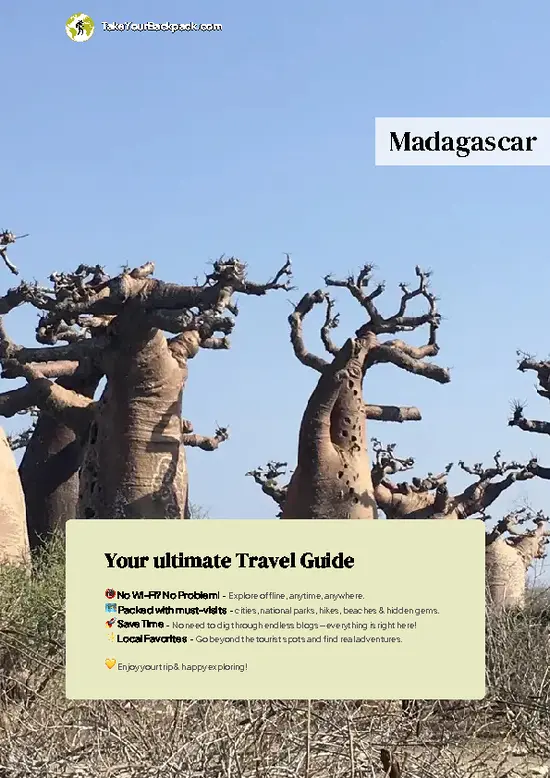
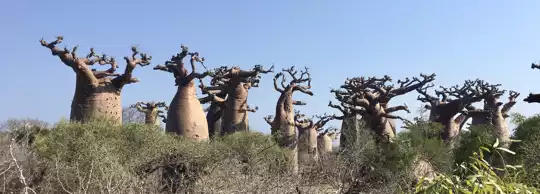
Madagascar🇲🇬 | landmarksAvenue of the Baobabstowering baobab trees, dusty red track, sunset silhouettes | things to do and best time to go

Explore VohipenoExplore Nosy Mitsio

Backpacking in Avenue of the Baobabs
🏆 Top pickunique site ranked #1
By Johan Kruseman 🇳🇱 | Updated September 3, 2026

Here’s what nobody tells you: the Avenue of the Baobabs is free to visit if you show up on foot or by bicycle—no ticket booth, no velvet rope, just you and those prehistoric giants. You’ll find this surreal corridor of baobab trees on Madagascar’s west coast, about an hour north of Morondava, where the red dirt road splits the sky and the trees look like props from a Miyazaki film. The photos you’ve seen are real, but so are the minivans and the Instagrammers in matching linen. The wow-factor is undeniable—these trees are older than most empires, and at sunset, the light turns the whole place into a living oil painting. But don’t expect solitude unless you arrive at dawn or in the off-season. There’s no interpretive center, no curated experience, and the nearest decent meal is a bumpy ride away. Still, standing in the dust, camera forgotten, you’ll feel the magic that no filter can fake.

Discover everything you want to know in the 📖 Madagascar Travel Guide.
Loading the map 🌍
CLICK TO FILTER
cities
towns
villages
landmarks
national parks
hikes
beaches
attractions
festivals
regions
SHOW COUNTRY’S BESTSHOW ALL

✨ Why go?
Ranked #1 unique site in Madagascar
Why visitors keep coming back

The Avenue of the Baobabs in Madagascar isn’t just another Instagram backdrop; it’s a living testament to nature’s artistry. Sure, you’ll encounter crowds—especially at sunset when everyone wants that perfect shot—but don’t let that deter you. The majestic baobabs, some over a thousand years old, create a surreal landscape that feels like stepping into another world.

The cost? Minimal. You can stroll through this natural wonder for free, making it a no-brainer for budget-conscious backpackers. Plus, it fits seamlessly into your Madagascar itinerary. If you’re exploring the Tsingy de Bemaraha or heading to Morondava, this iconic site is right on the way.

What makes it truly special is the atmosphere. As the sun dips below the horizon, the trees cast long shadows, and the air fills with the … read more 👉
The Avenue of the Baobabs in Madagascar isn’t just another Instagram backdrop; it’s a living testament to nature’s artistry. Sure, you’ll encounter crowds—especially at sunset when everyone wants that perfect shot—but don’t let that deter you. The majestic baobabs, some over a thousand years old, create a surreal landscape that feels like stepping into another world.

The cost? Minimal. You can stroll through this natural wonder for free, making it a no-brainer for budget-conscious backpackers. Plus, it fits seamlessly into your Madagascar itinerary. If you’re exploring the Tsingy de Bemaraha or heading to Morondava, this iconic site is right on the way.

What makes it truly special is the atmosphere. As the sun dips below the horizon, the trees cast long shadows, and the air fills with the sounds of the local wildlife. You’re not just witnessing a landmark; you’re experiencing a slice of Madagascar’s soul.

So, while the crowds might be there, the authenticity of the moment is undeniable. Make time for this spot; it’s worth every step.
Want to include Avenue of the Baobabs in your Madagascar route?
Create a personalized Madagascar itinerary that includes Avenue of the Baobabs and the places that fit your trip — based on your travel style, budget, and available time. Get your route in seconds.

Generate my trip

💡 HighlightsWhat this place is best known for

  • The towering baobab trunks — Those massive, bottle-shaped trunks are the stars: thick, fluted, and ancient. You can walk right up to them, trace the textured bark, and feel how different each tree’s shape and scars are. They’re living water tanks and community landmarks — centuries-old, not just pretty props.
  • Sunset silhouettes — Golden hour turns the avenue into a graphic, cinematic scene: long shadows, fiery skies, and perfect silhouettes for photos. It’s busy but worth it for that dramatic light — personal favorite because nothing beats watching the sun vanish behind those giant shapes.
  • Quiet sunrise and morning light — Get there early to beat crowds and see soft, pastel colors, cooler air, and birds waking up. The vibe is different from sunset: intimate, peaceful, and better for lingering
read more 👉
  • The towering baobab trunks — Those massive, bottle-shaped trunks are the stars: thick, fluted, and ancient. You can walk right up to them, trace the textured bark, and feel how different each tree’s shape and scars are. They’re living water tanks and community landmarks — centuries-old, not just pretty props.
  • Sunset silhouettes — Golden hour turns the avenue into a graphic, cinematic scene: long shadows, fiery skies, and perfect silhouettes for photos. It’s busy but worth it for that dramatic light — personal favorite because nothing beats watching the sun vanish behind those giant shapes.
  • Quiet sunrise and morning light — Get there early to beat crowds and see soft, pastel colors, cooler air, and birds waking up. The vibe is different from sunset: intimate, peaceful, and better for lingering without vendors or tour groups breathing down your neck.
  • Reflections and seasonal moods — In the rainy season you’ll find puddles that mirror the baobabs for unexpected photo magic; in the dry season the landscape is stark and sculptural. The same place looks completely different depending on when you visit, which keeps it interesting.
  • Starry skies and night photography — Far from major towns, the avenue offers minimal light pollution. If you hang around past dark (from a nearby campsite or viewpoint), the Milky Way and bright starfields make a dramatic backdrop to those silhouettes.
  • Local culture and living history — The baobabs aren’t just natural oddities; they’re woven into local life. Sellers collect baobab fruit and bark, and some trees hold cultural significance and taboos. A short chat with a local guide adds depth — you learn uses, legends, and what’s protected.
  • Combine with nearby dry-forest wildlife — The avenue sits close to Kirindy and other dry forests, so a day can easily include fossas, lemurs, and weird endemic birds. It turns a photo stop into a proper half-day of nature and makes the trip feel more than just a single viewpoint.
Spotted a mistake or missing something? Contact us.

Things to do near Avenue of the Baobabs

Ratings based on Tripadvisor reviews. When you book through this link, you support our work at no extra cost to you.

🌤️ When to go?Seasonal considerations and timing


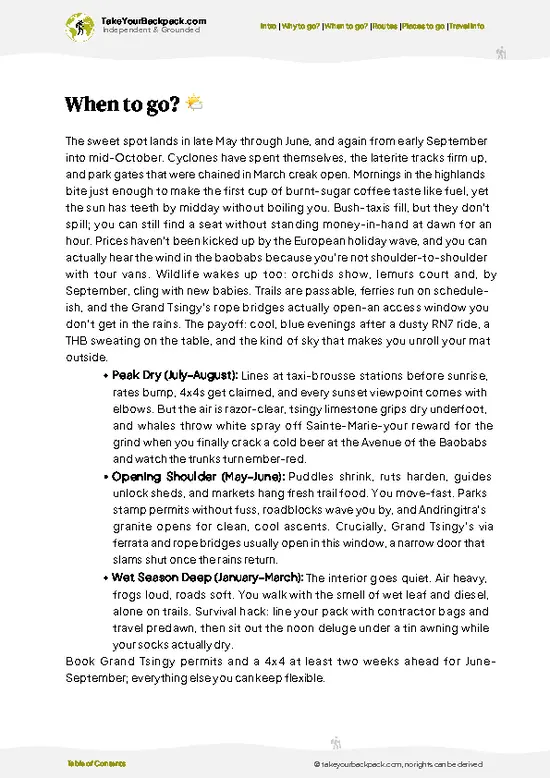
  • Weather: The dry season from April to November is your best bet. Rain can turn the dirt roads into mud traps, making access a nightmare. Expect clear skies and less humidity, which means more comfortable hiking and better photos.

  • Temperature: Daytime temps hover between 20-30°C (68-86°F) during the dry season. Nights can dip to 15°C (59°F), so pack layers. The wet season (December to March) is hotter and muggy, often pushing 30-35°C (86-95°F), which can drain your energy fast.

  • Daylight Hours: Madagascar enjoys roughly 11-12 hours of daylight year-round. The dry season offers consistent light, perfect for early morning or late afternoon shots when the baobabs cast those iconic long shadows.

  • Crowds: The site is popular but not overrun. Peak months July and August see a modest bump in
read more 👉

  • Weather: The dry season from April to November is your best bet. Rain can turn the dirt roads into mud traps, making access a nightmare. Expect clear skies and less humidity, which means more comfortable hiking and better photos.

  • Temperature: Daytime temps hover between 20-30°C (68-86°F) during the dry season. Nights can dip to 15°C (59°F), so pack layers. The wet season (December to March) is hotter and muggy, often pushing 30-35°C (86-95°F), which can drain your energy fast.

  • Daylight Hours: Madagascar enjoys roughly 11-12 hours of daylight year-round. The dry season offers consistent light, perfect for early morning or late afternoon shots when the baobabs cast those iconic long shadows.

  • Crowds: The site is popular but not overrun. Peak months July and August see a modest bump in visitors, mostly international tourists. If you want solitude, aim for shoulder months like May or September.

  • Seasonal Activities: Dry season aligns with local festivals and better wildlife spotting, especially birds around the baobabs. Wet season brings lush greenery but also leeches and mosquitoes—less fun for backpackers.

  • Price Fluctuations: Accommodation and transport costs spike during the dry season, especially July-August. Booking ahead can save you a headache and a few bucks. Off-season rates drop but expect some services to be limited.


Pro-tip: Visit just before or after peak season—May or September—to dodge crowds, enjoy decent weather, and snag better deals without sacrificing the magic.


source: climatestotravel.comJANJanuary: fair for travelingFEBFebruary: fair for travelingMARMarch: fair for travelingAPRApril: highly recommended for travelingMAYMay: excellent for travelingJUNJune: highly recommended for travelingJULJuly: highly recommended for travelingAUGAugust: highly recommended for travelingSEPSeptember: excellent for travelingOCTOctober: highly recommended for travelingNOVNovember: highly recommended for travelingDECDecember: fair for traveling
madagascar-unique-site-avenue-of-the-baobabs
© Google |

✈️ The backpacker research shortcutMadagascar Travel Guide

An offline-friendly backpacking guide with optimized travel routes, ranked highlights, transport advice, and the best areas to stay.
example page 0 from our offline Travel Guide for Madagascar
example page 1 from our offline Travel Guide for Madagascar
example page 2 from our offline Travel Guide for Madagascar
example page 3 from our offline Travel Guide for Madagascar
example page 4 from our offline Travel Guide for Madagascar
example page 5 from our offline Travel Guide for Madagascar
example page 6 from our offline Travel Guide for Madagascar
example page 7 from our offline Travel Guide for Madagascar
The digital guide (418 pages) contains:
110 highlights, ranked by travel appeal
Optimized 7, 14 & 21-day travel routes
Cities, national parks, landmarks, beaches
How to get around
Offline-friendly for travel without Wi-Fi
👉 Click to see all 30+ guide features

📅 Plan smarter in minutes, not weeks
Month by month travel advice
Festivals & national holidays
Budget expectations

🗺️ Go to the right places, skip the overrated ones
Honest pros & cons of destinations
Top hikes, parks & viewpoints
Lesser-known places most travelers miss
Clear “worth it vs skip it” guidance

🛏️ Travel smoothly without rookie mistakes
Best areas to stay
Transport systems explained simply
Common scams & safety advice
SIM cards, money & practical tips

🌍 Understand the country, not just visit it
Culture & traditions
52 Essential phrases & customs
Festivals worth planning around
Traveler-friendly historical context
Insights that make places more meaningful

📱 Built for real travel conditions
Fully downloadable PDF
Works completely offline
Optimized for phone use
Useful in remote areas & buses
Everything in one place
Save weeks of stressful planning
Get instant access to your full guide. 30‑day money-back guarantee.
+ Add another guide for just US$7.80

By proceeding you agree to our terms.
Sent to your inbox immediately after payment • 100% Secure Checkout
Best Backpacking Travel Advisor 2025 tourism awardBest Backpacking
Travel Advisor
2025
What others say about Take Your Backpack Guides:
⭐⭐⭐⭐⭐
Fantastic, amazing amount of information!
⭐⭐⭐⭐⭐
My goodness this is amazing, it's what I've been looking for hats off too you!
⭐⭐⭐⭐⭐
I think this is absolutely BRILLIANT
⭐⭐⭐⭐
Very complete and informative. It's still missing places, but I gotta to commend you
⭐⭐⭐⭐⭐
This is truly amazing, thank you, can't wait to explore it with my kids!
⭐⭐⭐⭐⭐
Awesome resource, thank you!
⭐⭐⭐⭐⭐
This is amazing! Can't wait to explore the ones I haven't seen
⭐⭐⭐⭐
I love this! Well done, great idea.
⭐⭐⭐⭐⭐
Thanks for taking the time to make this gem!
⭐⭐⭐⭐⭐
This might be the best website I've ever seen.
⭐⭐⭐⭐⭐
Congratulations, and thank you so much for your work; it's incredibly valuable.
⭐⭐⭐⭐
In all seriousness I think you did a great job pointing out the important spots
⭐⭐⭐⭐⭐
10/10 very good
⭐⭐⭐⭐⭐
As someone who's only just starting to visit regularly this is awesome, thank you.
⭐⭐⭐⭐
Thank you very much! I'm going to visit my dad, it's going to be very useful!
⭐⭐⭐⭐⭐
This is really cool! We'll be travelling for the first time and this definitely come in handy.
⭐⭐⭐⭐⭐
You are now our minister of culture, congratulations 👨‍💼
⭐⭐⭐⭐⭐
Just wanted to tell you that this is a pearl! Going to follow your recommendations.
⭐⭐⭐⭐⭐
This is so cool. I'll definitely be using the resource for my travels soon.
⭐⭐⭐⭐⭐
This is very impressive! Good work.
⭐⭐⭐⭐⭐
This is an amazing and informative site. Very well done!

🛏️ Where to stay?Best areas to stay in Madagascar

Staying near the Avenue of the Baobabs in Madagascar is all about finding that sweet spot where safety meets social vibes. First off, head to Morondava. This town is your base camp, buzzing with backpackers and locals alike. The energy here is infectious, and you’ll find plenty of budget-friendly guesthouses and hostels that welcome solo travelers.

The real charm of Morondava lies in its laid-back atmosphere. You can swap stories over a cold drink or join a group for a sunset trip to the baobabs. Just be ready for the crowds; this place gets busy, especially during peak season. But don’t let … read more 👉
Staying near the Avenue of the Baobabs in Madagascar is all about finding that sweet spot where safety meets social vibes. First off, head to Morondava. This town is your base camp, buzzing with backpackers and locals alike. The energy here is infectious, and you’ll find plenty of budget-friendly guesthouses and hostels that welcome solo travelers.

The real charm of Morondava lies in its laid-back atmosphere. You can swap stories over a cold drink or join a group for a sunset trip to the baobabs. Just be ready for the crowds; this place gets busy, especially during peak season. But don’t let that deter you. The iconic trees are worth the hustle.

Another option is to look for accommodations closer to the baobabs themselves. There are a few rustic lodges that offer a more intimate experience. You’ll wake up to the sound of nature and have the chance to explore the area before the tourist buses roll in.

Safety is generally good, but keep your wits about you, especially at night. Stick to well-lit areas and travel in groups when possible. The real magic happens when you connect with fellow travelers and locals, so dive in and soak it all up.

👛 Costs (as of 3 September 2026)What things cost and how to budget

Visiting the Avenue of the Baobabs in Madagascar is a breathtaking experience, but it comes with its own set of costs that you should be aware of.
  • Entrance Fee: The entrance fee to the Avenue of the Baobabs is typically around €2 to €5. This small fee helps maintain the site and supports local conservation efforts. It’s a minimal cost for the chance to witness these iconic trees up close.
  • Transportation: Getting to the Avenue can vary widely. If you’re coming from Morondava, expect to pay around €10 to €20 for a taxi-brousse (shared taxi) or €50 to €100 for a private taxi. The ride is about 30 minutes, but the views along the way are part of the experience.
  • Guided Tours: If you want to enhance your visit, consider a guided tour. Prices range from €15 to €50, depending on the length and inclusivity
read more 👉
Visiting the Avenue of the Baobabs in Madagascar is a breathtaking experience, but it comes with its own set of costs that you should be aware of.
  • Entrance Fee: The entrance fee to the Avenue of the Baobabs is typically around €2 to €5. This small fee helps maintain the site and supports local conservation efforts. It’s a minimal cost for the chance to witness these iconic trees up close.
  • Transportation: Getting to the Avenue can vary widely. If you’re coming from Morondava, expect to pay around €10 to €20 for a taxi-brousse (shared taxi) or €50 to €100 for a private taxi. The ride is about 30 minutes, but the views along the way are part of the experience.
  • Guided Tours: If you want to enhance your visit, consider a guided tour. Prices range from €15 to €50, depending on the length and inclusivity of the tour. A good guide can provide insights into the ecology and culture surrounding the baobabs, making your visit richer.
  • Accommodation: Options near the Avenue vary. Budget travelers can find dorms or basic guesthouses for about €10 to €25 per night. Mid-range hotels will set you back around €30 to €70. If you’re looking for something more upscale, expect to pay €80 and up.
  • Food and Drink: Dining options are generally affordable. Street food can cost as little as €1 to €3, while a meal at a local restaurant might range from €5 to €15. If you’re in the mood for something fancier, budget around €20 to €40 for a nice dinner.

Understanding these costs will help you plan your trip more effectively. The Avenue of the Baobabs is worth every cent, but being prepared will ensure you can focus on the magic of the experience rather than the logistics.


source: madagascar-tourisme.com
⚠️ Prices can change and everyone travels differently, so take this as a rough guide. Hope it helps you plan your adventure!

FAQCommon questions from travelers

Avenue of the Baobabs is a dirt road lined with ancient baobab trees located between Morondava and Belon'i Tsiribihina in western Madagascar. These trees are up to 800 years old and reach heights of 30 meters. It is a unique natural monument and a popular photographic site.
Visiting Avenue of the Baobabs typically requires 2 to 3 hours to walk along the road and take photos, especially around sunrise or sunset for the best light. Many travelers combine it with a half-day trip from Morondava. Overnight stays nearby are possible but not necessary for a visit.
To get to Avenue of the Baobabs, travel to Morondava, the nearest town with an airport and road access. From Morondava, the site is about 20 kilometers north and reachable by taxi-brousse, rented 4x4, or guided tour. The dirt road can be rough, so a sturdy vehicle is recommended.
⚠️ Things can change over time, so always validate details locally before you go.

Ideas for continuing your journey

Avenue of the Baobabs isn’t the only highlight in Madagascar. Explore all what Madagascar has to offer.
Country photo of Madagascar

We 💚 feedbackParting advice and final tips

The Avenue of the Baobabs is a sight that’ll make your jaw drop. Those towering trees, some over a thousand years old, create a surreal landscape that feels like stepping into another world. But let’s be real: it’s a popular spot, and you’ll share it with plenty of other travelers, especially at sunset. If you can embrace the crowds, the experience is worth every moment. Just don’t expect solitude; the magic is in the shared awe.

✈️ When did I visit Madagascar?
Madagascar I went backpacking in October 2019. With a friend I rented a 4WD and drove around the southern part of Madagascar.

✍️ Help improve this page!
The information on this page is based on my own backpacking experience in Madagascar, supplemented with up-to-date research and feedback from other travelers. Travel details can change, so if you notice anything outdated or incomplete, feel free to let me know.


🙋‍♂️ Give feedback

👋 Meet the founderWho’s Behind Take Your Backpack?

Johan, backpacker and founder of TakeYourBackpackHi, I’m Johan (Netherlands 🇳🇱), the creator of TakeYourBackpack. Over the past decade, I’ve backpacked through 80+ countries across six continents, gaining extensive experience with independent travel, long-term trips, and overland routes.

This site is built on a combination of firsthand travel experience and carefully curated insights from other backpackers. Many guides are based on places I’ve personally visited, while others bring together tips, observations, and practical advice shared by trusted travelers I’ve met along the way.

The goal is to provide realistic, experience-driven guidance — not generic itineraries — so you can explore destinations with better context, clearer expectations, and more confidence.

Get full Madagascar guide •
Instant download • 110 highlights • Full Offline guide