×

Madagascar🇲🇬 | festivalsFestival des LémuriensAndasibe forests, lemur conservation, guided treks | things to do and best time to go

Explore Festival de la MerExplore Festival des Rizières

Backpacking in des Lémuriens
👌 Worth visitingfestival ranked #10
By Johan Kruseman 🇳🇱 | Updated July 30, 2026

Your boots crunch through red dust as a drumline erupts—raw, syncopated, impossible to ignore. The air smells of grilled zebu and sweat, and a kid in a lemur mask darts past, shrieking with laughter. Welcome to the Festival des Lémuriens, deep in Andasibe, eastern Madagascar, where rainforest meets village and the party spills into the trees. This isn’t your average backpacker’s festival. It’s a wild, kinetic celebration of Malagasy music—think pounding salegy, folk chants, and the kind of dancing that leaves your calves burning. The crowd is a mix: local families, musicians, a handful of wide-eyed travelers. The vibe? Joyful chaos, with a conservation twist. It runs for a few days, but the energy feels endless. If you crave authenticity over comfort, this is your playground.

Discover everything you want to know in the 📖 Madagascar Travel Guide.
Loading the map 🌍
CLICK TO FILTER
cities
towns
villages
landmarks
national parks
hikes
beaches
attractions
festivals
regions
SHOW COUNTRY’S BESTSHOW ALL

✨ Why go?
Ranked #10 festival in Madagascar
What sets this place apart

Backpackers flock to the Festival des Lémuriens in Madagascar for a reason. It’s not just a party; it’s a social energy explosion. You’ll find yourself swept up in a temporary community, where laughter and music blend with the vibrant culture of Madagascar. This festival is a chance to immerse yourself in local traditions, from dance to food, all while celebrating the island’s unique wildlife.

Planning your route around this event isn’t just smart; it’s essential. The festival offers an affordability factor that rivals similar events worldwide. You get rich experiences without breaking the bank. Plus, it fits seamlessly into longer travel plans. Imagine trekking through lush rainforests, then diving into a festival that feels like a celebration of life itself.

By timing your visit, you preserve … read more 👉
Backpackers flock to the Festival des Lémuriens in Madagascar for a reason. It’s not just a party; it’s a social energy explosion. You’ll find yourself swept up in a temporary community, where laughter and music blend with the vibrant culture of Madagascar. This festival is a chance to immerse yourself in local traditions, from dance to food, all while celebrating the island’s unique wildlife.

Planning your route around this event isn’t just smart; it’s essential. The festival offers an affordability factor that rivals similar events worldwide. You get rich experiences without breaking the bank. Plus, it fits seamlessly into longer travel plans. Imagine trekking through lush rainforests, then diving into a festival that feels like a celebration of life itself.

By timing your visit, you preserve your energy and budget for the moments that truly matter. The festival isn’t just a stop; it’s a highlight, a vibrant thread woven into your Madagascar adventure. Embrace the rhythm, and let the journey unfold!
Want to include Festival des Lémuriens in your Madagascar route?
Create a personalized Madagascar itinerary that includes Festival des Lémuriens and the places that fit your trip — based on your travel style, budget, and available time. Get your route in seconds.

Generate my trip

💡 HighlightsEssential experiences to have while celebrating the des Lémuriens

  • Up-close lemur encounters and guided forest walks — Small, guided walks into nearby reserves where local trackers bring you close to ring-tailed, sifaka, or bamboo lemurs in their natural habitat. What makes it special is the mix of scientific know-how and local storytelling: guides point out feeding behavior, territorial calls, and the plants lemurs depend on, while keeping encounters low-impact so animals stay wild.
  • Traditional Malagasy music and dance showcases — Live performances of hira gasy, salegy and other regional styles with instruments like the valiha and kabosy. The energy’s raw and communal: dancers invite the crowd, percussion drives the night, and the songs often weave current social topics into myth and humor — a real cultural crash-course you can feel in your chest.
  • Conservation
read more 👉
  • Up-close lemur encounters and guided forest walks — Small, guided walks into nearby reserves where local trackers bring you close to ring-tailed, sifaka, or bamboo lemurs in their natural habitat. What makes it special is the mix of scientific know-how and local storytelling: guides point out feeding behavior, territorial calls, and the plants lemurs depend on, while keeping encounters low-impact so animals stay wild.
  • Traditional Malagasy music and dance showcases — Live performances of hira gasy, salegy and other regional styles with instruments like the valiha and kabosy. The energy’s raw and communal: dancers invite the crowd, percussion drives the night, and the songs often weave current social topics into myth and humor — a real cultural crash-course you can feel in your chest.
  • Conservation talks, workshops, and village projects — Short, accessible sessions led by local NGOs, researchers, and community leaders about reforestation, lemur monitoring, and human-wildlife coexistence. These are more than lectures: hands-on seed-planting, camera-trap demos, and opportunities to meet people who live with lemurs every day. It’s the festival’s heart — culture and conservation braided together.
  • Nocturnal forest excursions — Night walks to listen for aye-aye taps, spot mouse lemurs with headlamps, and watch chameleons change color under a moonlit canopy. The vibe is haunting and intimate: silence, flashlights sweeping the understory, and the thrill of seeing species that only come alive after dark. (Personal favorite — it’s unforgettable and weirdly calming.)
  • Street parade, markets and Malagasy street food — A colorful parade of costumed performers and community groups, followed by stalls selling handmade crafts, woven goods, and island snacks like sambos, grilled seafood, and rice dishes with local greens. It’s where the festival feels most playful: bargaining for a raffia bag, sampling unusual flavors, and watching kids mimic dancing lemurs.
Spotted a mistake or missing something? Contact us.
🌤️ When to go?When is the celebration of Festival des Lémuriens?


  • Topic: Weather – The Festival des Lémuriens thrives in Madagascar’s dry season, from May to October. Expect clear skies and minimal rain, perfect for trekking and wildlife spotting without soggy boots or soggier spirits.

  • Topic: Temperature – Daytime temps hover between 20-25°C (68-77°F), comfortable for long hikes and outdoor events. Nights can dip to 10-15°C (50-59°F), so pack a light jacket to stay sharp after sunset.

  • Topic: Daylight Hours – Longer days from June to August mean more daylight to chase lemurs and soak in the festival’s vibe. You’ll get roughly 11-12 hours of light, maximizing your adventure window.

  • Topic: Crowds – Peak festival season draws local and international visitors, so expect lively crowds but not overwhelming throngs. Arrive early to secure spots at popular
read more 👉

  • Topic: Weather – The Festival des Lémuriens thrives in Madagascar’s dry season, from May to October. Expect clear skies and minimal rain, perfect for trekking and wildlife spotting without soggy boots or soggier spirits.

  • Topic: Temperature – Daytime temps hover between 20-25°C (68-77°F), comfortable for long hikes and outdoor events. Nights can dip to 10-15°C (50-59°F), so pack a light jacket to stay sharp after sunset.

  • Topic: Daylight Hours – Longer days from June to August mean more daylight to chase lemurs and soak in the festival’s vibe. You’ll get roughly 11-12 hours of light, maximizing your adventure window.

  • Topic: Crowds – Peak festival season draws local and international visitors, so expect lively crowds but not overwhelming throngs. Arrive early to secure spots at popular events and avoid last-minute stress.

  • Topic: Seasonal Activities – The dry season aligns with prime lemur activity and cultural showcases. You’ll catch traditional dances, crafts, and guided forest walks when the animals are most visible and the community is fully engaged.

  • Topic: Price Fluctuations – Accommodation and flights spike during the festival’s peak months. Booking well in advance or aiming for shoulder months like May or October can save you serious cash without sacrificing experience.


Pro-tip: Target early June for the sweet spot—weather’s solid, crowds manageable, and prices just starting to climb. You’ll keep your energy and wallet intact for the moments that count.


source: climatestotravel.comJANJanuary: not recommended for travelingFEBFebruary: not recommended for travelingMARMarch: not recommended for travelingAPRApril: not recommended for travelingMAYMay: highly recommended for travelingJUNJune: highly recommended for travelingJULJuly: highly recommended for travelingAUGAugust: highly recommended for travelingSEPSeptember: highly recommended for travelingOCTOctober: highly recommended for travelingNOVNovember: not recommended for travelingDECDecember: not recommended for traveling

✈️ The backpacker research shortcutMadagascar Travel Guide

An offline-friendly backpacking guide with optimized travel routes, ranked highlights, transport advice, and the best areas to stay.
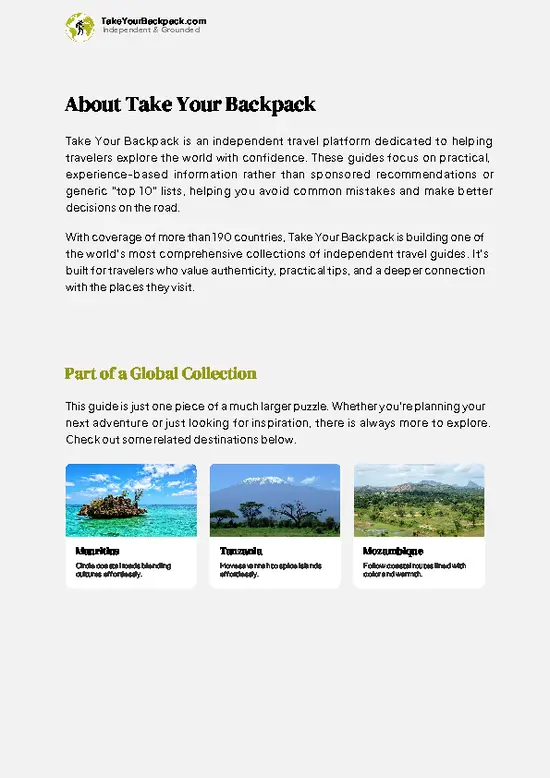
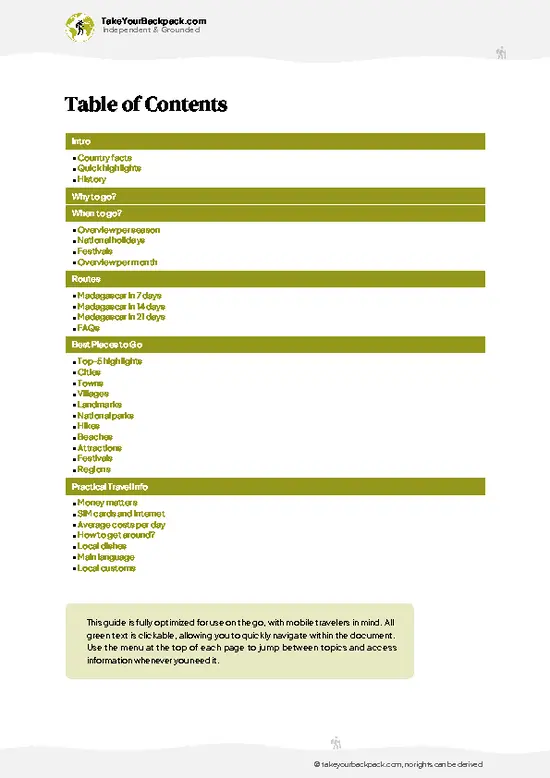
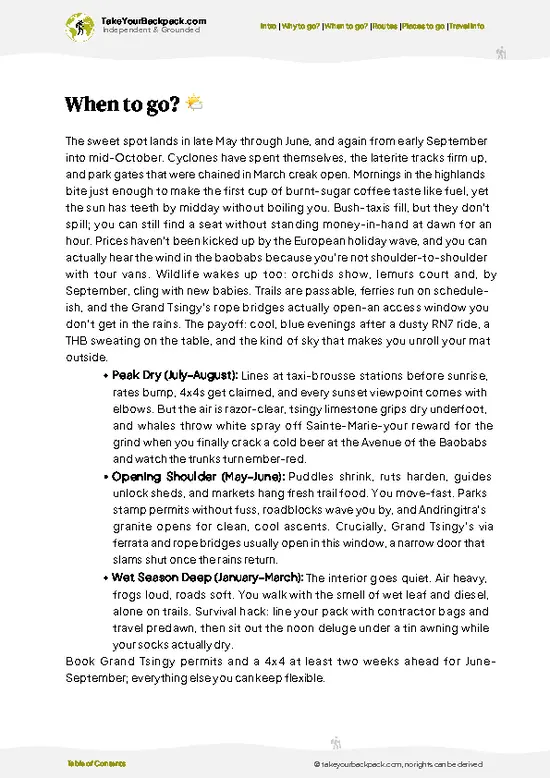
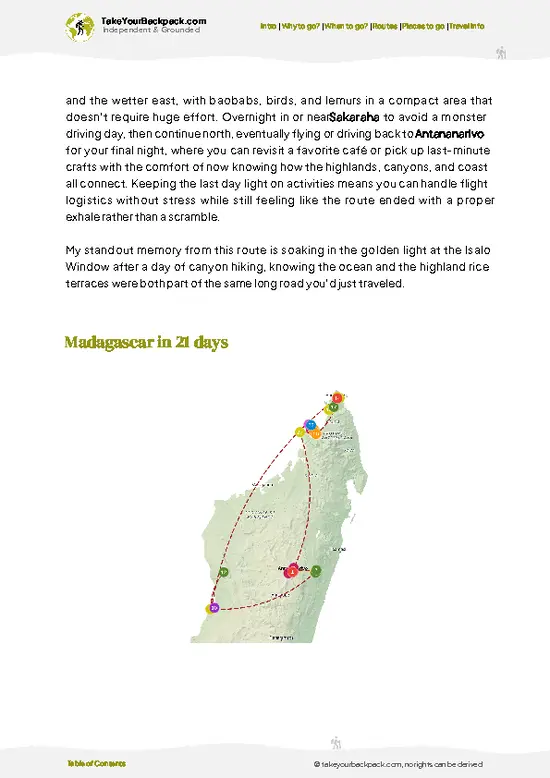
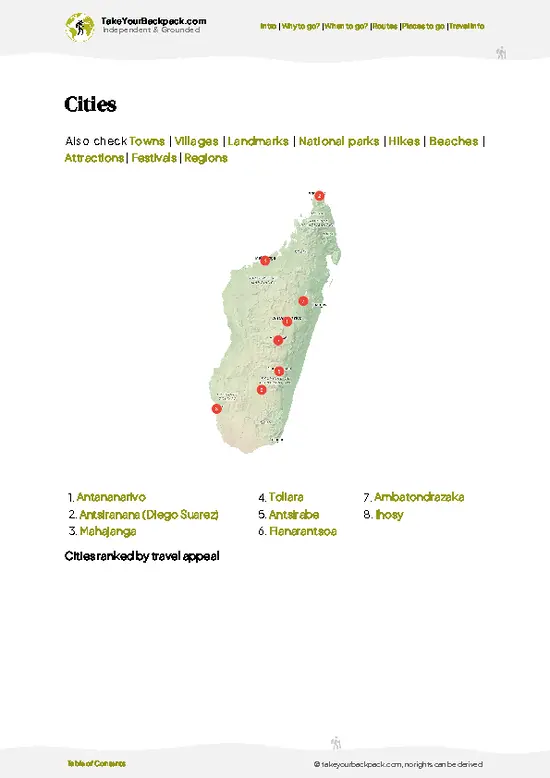
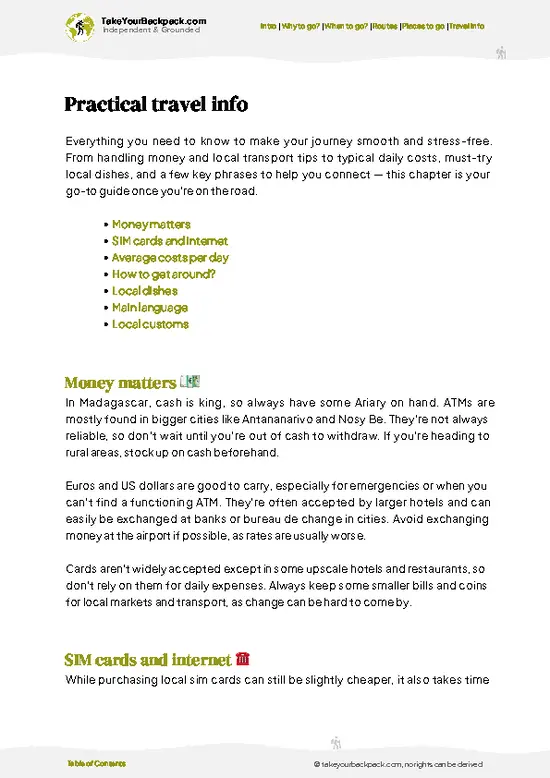
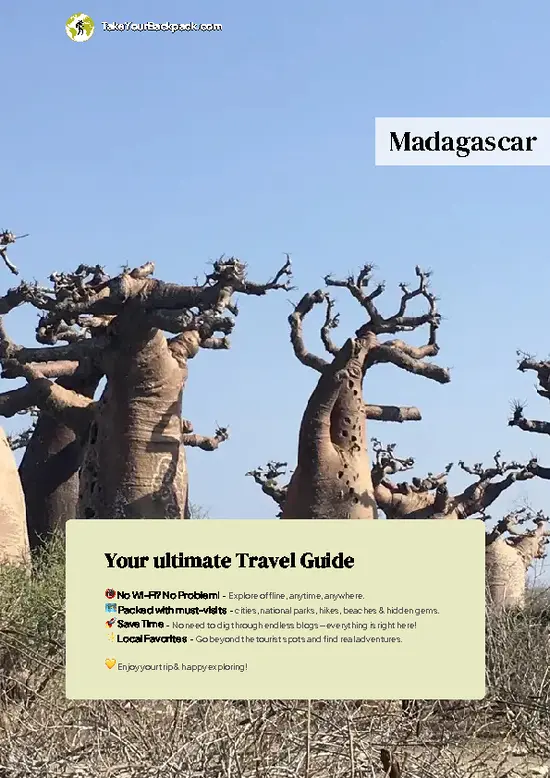
example page 0 from our offline Travel Guide for Madagascar
example page 1 from our offline Travel Guide for Madagascar
example page 2 from our offline Travel Guide for Madagascar
example page 3 from our offline Travel Guide for Madagascar
example page 4 from our offline Travel Guide for Madagascar
example page 5 from our offline Travel Guide for Madagascar
example page 6 from our offline Travel Guide for Madagascar
example page 7 from our offline Travel Guide for Madagascar
The digital guide (418 pages) contains:
110 highlights, ranked by travel appeal
Optimized 7, 14 & 21-day travel routes
Cities, national parks, landmarks, beaches
How to get around
Offline-friendly for travel without Wi-Fi
👉 Click to see all 30+ guide features

📅 Plan smarter in minutes, not weeks
Month by month travel advice
Festivals & national holidays
Budget expectations

🗺️ Go to the right places, skip the overrated ones
Honest pros & cons of destinations
Top hikes, parks & viewpoints
Lesser-known places most travelers miss
Clear “worth it vs skip it” guidance

🛏️ Travel smoothly without rookie mistakes
Best areas to stay
Transport systems explained simply
Common scams & safety advice
SIM cards, money & practical tips

🌍 Understand the country, not just visit it
Culture & traditions
52 Essential phrases & customs
Festivals worth planning around
Traveler-friendly historical context
Insights that make places more meaningful

📱 Built for real travel conditions
Fully downloadable PDF
Works completely offline
Optimized for phone use
Useful in remote areas & buses
Everything in one place
Save weeks of stressful planning
Get instant access to your full guide. 30‑day money-back guarantee.
+ Add another guide for just US$7.80

By proceeding you agree to our terms.
Sent to your inbox immediately after payment • 100% Secure Checkout
Best Backpacking Travel Advisor 2025 tourism awardBest Backpacking
Travel Advisor
2025
What others say about Take Your Backpack Guides:
⭐⭐⭐⭐⭐
Fantastic, amazing amount of information!
⭐⭐⭐⭐⭐
My goodness this is amazing, it's what I've been looking for hats off too you!
⭐⭐⭐⭐⭐
I think this is absolutely BRILLIANT
⭐⭐⭐⭐
Very complete and informative. It's still missing places, but I gotta to commend you
⭐⭐⭐⭐⭐
This is truly amazing, thank you, can't wait to explore it with my kids!
⭐⭐⭐⭐⭐
Awesome resource, thank you!
⭐⭐⭐⭐⭐
This is amazing! Can't wait to explore the ones I haven't seen
⭐⭐⭐⭐
I love this! Well done, great idea.
⭐⭐⭐⭐⭐
Thanks for taking the time to make this gem!
⭐⭐⭐⭐⭐
This might be the best website I've ever seen.
⭐⭐⭐⭐⭐
Congratulations, and thank you so much for your work; it's incredibly valuable.
⭐⭐⭐⭐
In all seriousness I think you did a great job pointing out the important spots
⭐⭐⭐⭐⭐
10/10 very good
⭐⭐⭐⭐⭐
As someone who's only just starting to visit regularly this is awesome, thank you.
⭐⭐⭐⭐
Thank you very much! I'm going to visit my dad, it's going to be very useful!
⭐⭐⭐⭐⭐
This is really cool! We'll be travelling for the first time and this definitely come in handy.
⭐⭐⭐⭐⭐
You are now our minister of culture, congratulations 👨‍💼
⭐⭐⭐⭐⭐
Just wanted to tell you that this is a pearl! Going to follow your recommendations.
⭐⭐⭐⭐⭐
This is so cool. I'll definitely be using the resource for my travels soon.
⭐⭐⭐⭐⭐
This is very impressive! Good work.
⭐⭐⭐⭐⭐
This is an amazing and informative site. Very well done!

🛏️ Where to stay?Choosing the right base

When you’re gearing up for the Festival des Lémuriens in Madagascar, your choice of where to stay can make or break your experience. Head to Andasibe, the heart of lemur country. This area buzzes with backpackers, offering a mix of budget-friendly lodgings and vibrant social scenes. You’ll find fellow travelers swapping stories over local brews, creating a sense of camaraderie that fuels your adventure.

Don’t overlook Moramanga, a short ride from the festival. It’s less touristy but rich in local culture. Here, you can dive into authentic Malagasy life while still being close enough to catch … read more 👉
When you’re gearing up for the Festival des Lémuriens in Madagascar, your choice of where to stay can make or break your experience. Head to Andasibe, the heart of lemur country. This area buzzes with backpackers, offering a mix of budget-friendly lodgings and vibrant social scenes. You’ll find fellow travelers swapping stories over local brews, creating a sense of camaraderie that fuels your adventure.

Don’t overlook Moramanga, a short ride from the festival. It’s less touristy but rich in local culture. Here, you can dive into authentic Malagasy life while still being close enough to catch the festival’s energy. The accommodations are often cheaper, and you’ll have a chance to connect with locals who can share insider tips.

If you’re feeling adventurous, consider staying in Antananarivo before heading to the festival. The capital has a lively backpacker scene, with plenty of hostels where you can meet fellow explorers. Just be mindful of transport logistics; plan your trip to Andasibe carefully to avoid last-minute stress.

These areas not only keep your budget intact but also immerse you in the vibrant spirit of Madagascar, ensuring you’re energized for every moment of the festival.

👛 Costs (as of 30 July 2026)Travel costs and budget guide for des Lémuriens

The Festival des Lémuriens in Madagascar is an exhilarating experience, but understanding the costs can keep your adventure on track. Here’s a breakdown to help you navigate your budget effectively:
  • Festival Tickets: Expect to pay around €10 to €20 for a day pass. This grants you access to various events, performances, and activities. If you want to attend multiple days, consider a multi-day pass, which could range from €30 to €50.
  • Accommodation: Options vary widely. Budget travelers can find dormitory beds for about €10 to €15 per night. Private rooms in guesthouses typically range from €20 to €40. For a more comfortable stay, mid-range hotels may charge between €50 and €100 per night.
  • Local Transport: Getting around can be affordable. Local taxis or tuk-tuks usually cost between €1 to €5 for
read more 👉
The Festival des Lémuriens in Madagascar is an exhilarating experience, but understanding the costs can keep your adventure on track. Here’s a breakdown to help you navigate your budget effectively:
  • Festival Tickets: Expect to pay around €10 to €20 for a day pass. This grants you access to various events, performances, and activities. If you want to attend multiple days, consider a multi-day pass, which could range from €30 to €50.
  • Accommodation: Options vary widely. Budget travelers can find dormitory beds for about €10 to €15 per night. Private rooms in guesthouses typically range from €20 to €40. For a more comfortable stay, mid-range hotels may charge between €50 and €100 per night.
  • Local Transport: Getting around can be affordable. Local taxis or tuk-tuks usually cost between €1 to €5 for short distances. If you’re venturing further, budget around €10 to €20 for longer rides. Renting a bicycle is also a great option, generally costing about €5 per day.
  • Food & Drinks: Street food is a fantastic way to experience local flavors, with meals costing as little as €2 to €5. Dining in a mid-range restaurant will set you back about €10 to €20 per meal. Don’t forget to budget for drinks; local beers are around €1 to €2, while soft drinks are about €0.50.
  • Miscellaneous Expenses: Set aside around €10 to €30 for souvenirs, tips, or unexpected costs. This can include anything from local crafts to small fees for photography in certain areas.

Planning ahead with these figures in mind will help you enjoy the festival without financial stress. Keep your energy focused on the experience, not the expenses.


source: madagascar-tourisme.com
⚠️ Prices can change and everyone travels differently, so take this as a rough guide. Hope it helps you plan your adventure!

🍲 FoodEating & Drinking in des Lémuriens

At the Festival des Lémuriens in Madagascar, food and drink become a vibrant part of the experience. You’ll find local specialties like romazava, a hearty stew made with zebu meat and leafy greens, simmering in festival stalls. Don’t miss the chance to try koba, a sweet treat made from ground peanuts and rice flour, wrapped in banana leaves. It’s a delightful burst of flavor that captures the essence of Malagasy cuisine.

When it comes to drinks, local beers like THB (Three Horses Beer) are refreshing companions to the spicy dishes. If you’re feeling adventurous, seek out ranon’apango, a traditional rice water drink that’s both unique and thirst-quenching.

Be prepared for some quirks: sharing is a big part of the culture, so don’t be surprised if someone offers you a taste of their dish. … read more 👉
At the Festival des Lémuriens in Madagascar, food and drink become a vibrant part of the experience. You’ll find local specialties like romazava, a hearty stew made with zebu meat and leafy greens, simmering in festival stalls. Don’t miss the chance to try koba, a sweet treat made from ground peanuts and rice flour, wrapped in banana leaves. It’s a delightful burst of flavor that captures the essence of Malagasy cuisine.

When it comes to drinks, local beers like THB (Three Horses Beer) are refreshing companions to the spicy dishes. If you’re feeling adventurous, seek out ranon’apango, a traditional rice water drink that’s both unique and thirst-quenching.

Be prepared for some quirks: sharing is a big part of the culture, so don’t be surprised if someone offers you a taste of their dish. Lines can get long, especially for the most popular stalls, so patience is key. Cash is king here; many vendors don’t accept cards, so stock up on local currency. Serving sizes can vary, so don’t hesitate to ask for recommendations on what to try. Embrace the chaos, savor the flavors, and let the festival fuel your adventure!

Other Malagasy festivals near des Lémuriens

Explore more nearby:


💡 Not sure where to go next?
Create a personalized itinerary for Madagascar including des Lémuriens and the places that fit your trip.

Generate my itinerary

👉 Discover all festivals

Or checkout all Madagascar has to offer (think cities, towns, villages, national parks, hikes, beaches, festivals)
Country photo of Madagascar

We 💚 feedbackIs it worth it?

Madagascar’s Festival des Lémuriens is a wild celebration of biodiversity and culture that’ll ignite your spirit. Picture yourself dancing under the stars, surrounded by the sounds of nature and laughter. But here’s the catch: logistics can be a maze. Limited transport options and fluctuating prices can drain your energy and wallet if you’re not prepared. Embrace the challenge, plan ahead, and you’ll savor every moment of this unique adventure.

✈️ When did I visit Madagascar?
Madagascar I went backpacking in October 2019. With a friend I rented a 4WD and drove around the southern part of Madagascar.

✍️ Help improve this page!
The information on this page is based on my own backpacking experience in Madagascar, supplemented with up-to-date research and feedback from other travelers. Travel details can change, so if you notice anything outdated or incomplete, feel free to let me know.


🙋‍♂️ Give feedback

👋 Meet the founderWho’s Behind Take Your Backpack?

Johan, backpacker and founder of TakeYourBackpackHi, I’m Johan (Netherlands 🇳🇱), the creator of TakeYourBackpack. Over the past decade, I’ve backpacked through 80+ countries across six continents, gaining extensive experience with independent travel, long-term trips, and overland routes.

This site is built on a combination of firsthand travel experience and carefully curated insights from other backpackers. Many guides are based on places I’ve personally visited, while others bring together tips, observations, and practical advice shared by trusted travelers I’ve met along the way.

The goal is to provide realistic, experience-driven guidance — not generic itineraries — so you can explore destinations with better context, clearer expectations, and more confidence.

Get full Madagascar guide •
Instant download • 110 highlights • Full Offline guide