×

Madagascar🇲🇬 | regionsIle aux Natteslagoon islets, barefoot villages, dugout canoes, reef snorkeling | things to do and best time to go

Explore Kalambatritra ReserveExplore Nosy Be

Backpacking in Ile aux Nattes
👌 Worth visitingregion ranked #3
By Johan Kruseman 🇳🇱 | Updated September 4, 2026

Your toes sink into cool, flour-fine sand as a dugout canoe glides past, its pilot humming a tune that’s older than the French colonial ruins across the channel. The air smells like salt and ripe mango. Somewhere, a rooster crows—late, lazy, unhurried. This is Ile aux Nattes, a tiny island just off the southern tip of Ile Sainte-Marie, itself a sliver off Madagascar’s northeast coast.

Ile aux Nattes is the kind of place that makes you question your return ticket. It’s cheap if you’re happy with a hammock and a coconut, but you’ll pay in time: getting here means a flight, a boat, and a walk—no cars, no ATMs, no rush. The beaches are as empty as they look in the guidebooks, and the snorkeling is better than Nosy Be, but nightlife is a bonfire and a bottle of Three Horses Beer. It’s not overrun, not yet, and the vibe is more barefoot than backpacker. If you want clubs or crowds, head to Nosy Boraha or even Diego Suarez. But if you want to trade Wi-Fi for whale songs and fresh crab, this is the spot.

Discover everything you want to know in the 📖 Madagascar Travel Guide.
Loading the map 🌍
CLICK TO FILTER
cities
towns
villages
landmarks
national parks
hikes
beaches
attractions
festivals
regions
SHOW COUNTRY’S BESTSHOW ALL

✨ Why go?
Ranked #3 region in Madagascar
What makes this region worth visiting

Ile aux Nattes is a backpacker’s paradise in Madagascar, and here’s why savvy travelers flock there. First off, the variety of landscapes is mind-blowing. You’ve got pristine beaches, lush forests, and vibrant coral reefs all within a stone’s throw. It’s like a buffet of natural beauty without the hassle of constant relocation.

Then there’s the transport flexibility. You can easily hop on a pirogue or rent a bike to explore at your own pace. This isn’t just about getting from A to B; it’s about soaking in the scenery and chatting with locals along the way.

And let’s talk about mixing nature and culture. You can spend your mornings snorkeling in crystal-clear waters and your afternoons wandering through traditional villages. This slow travel approach lets you truly connect with the island’s … read more 👉
Ile aux Nattes is a backpacker’s paradise in Madagascar, and here’s why savvy travelers flock there. First off, the variety of landscapes is mind-blowing. You’ve got pristine beaches, lush forests, and vibrant coral reefs all within a stone’s throw. It’s like a buffet of natural beauty without the hassle of constant relocation.

Then there’s the transport flexibility. You can easily hop on a pirogue or rent a bike to explore at your own pace. This isn’t just about getting from A to B; it’s about soaking in the scenery and chatting with locals along the way.

And let’s talk about mixing nature and culture. You can spend your mornings snorkeling in crystal-clear waters and your afternoons wandering through traditional villages. This slow travel approach lets you truly connect with the island’s soul.

So, if you’re looking for a spot where you can savor every moment without feeling rushed, Ile aux Nattes is your ticket. It’s all about those high-value experiences that make your trip feel rich and rewarding.
Want to include Ile aux Nattes in your Madagascar route?
Create a personalized Madagascar itinerary that includes Ile aux Nattes and the places that fit your trip — based on your travel style, budget, and available time. Get your route in seconds.

Generate my trip

💡 HighlightsMust-see experiences and standout moments

  1. The island village (the waterfront settlement) — The real heart of Île aux Nattes: fishermen mending nets, little kiosks selling freshly grilled fish and sambos, and kids running barefoot between houses. It’s where you see everyday life here and can eat cheaply with locals rather than at touristy eateries.
  2. The long white-sand beaches — Soft, palm-fringed shorelines that run long enough for proper walking, sun naps, and late-afternoon beachcombing without the crowds you find on Sainte-Marie. Perfect for cheap picnics and low-key days on the sand.
  3. Fringing coral reef and shore snorkeling — Snorkel straight off the sand to healthy coral gardens, colorful fish, and often green turtles. It’s one of those island experiences that feels specific to Nosy Nato because the reef sits so close to shore.
read more 👉
  1. The island village (the waterfront settlement) — The real heart of Île aux Nattes: fishermen mending nets, little kiosks selling freshly grilled fish and sambos, and kids running barefoot between houses. It’s where you see everyday life here and can eat cheaply with locals rather than at touristy eateries.
  2. The long white-sand beaches — Soft, palm-fringed shorelines that run long enough for proper walking, sun naps, and late-afternoon beachcombing without the crowds you find on Sainte-Marie. Perfect for cheap picnics and low-key days on the sand.
  3. Fringing coral reef and shore snorkeling — Snorkel straight off the sand to healthy coral gardens, colorful fish, and often green turtles. It’s one of those island experiences that feels specific to Nosy Nato because the reef sits so close to shore.
  4. The shallow sandbank toward Sainte-Marie (walkable at low tide) — A seasonal, local favourite: when the tide drops you can cross shallow, shimmering sand flats between Nattes and Sainte-Marie. It’s simple, photogenic, and distinctly local—timed wrongly and you’ll be paddling, timed right and you’re walking across a tiny sea.
  5. Mangrove channels and pirogue rides — Short, cheap boat trips through the mangroves reveal juvenile fish nurseries, crabs, and quiet birdlife. Guides are usually local fishermen who’ll show you spots most independent visitors miss.
  6. North-tip viewpoint and seabird nooks — A small rocky headland with low, scrubby trees that gives a great sweep of the lagoon and dawn light. Not dramatic like big cliffs elsewhere, but intimate and utterly peaceful—good for sunrise and birdwatching.
  7. Hidden rock pools on the southeast shore — (Hidden gem) Low-tide pockets of calm, warm water framed by black rock where kids and locals swim and snorkel. Fewer visitors find these pools; they’re great for a private dip and tide-pool exploration.
  8. Coconut groves and backyard meals — Walk among the palms and small gardens, then sit down with a family for a cheap, home-cooked plate of rice, fish and local greens. Eating with islanders gives a real sense of place—fresh, simple, and memorable.
  9. Local boatyard and pirogue makers — (Hidden gem) A cluster of craftsmen who still carve and repair traditional boats by hand. You can watch, ask questions, and sometimes help a little—great for seeing skills that sustain island life and for low-cost souvenirs (no big shop needed).
  10. Evening beach cookouts and impromptu music nights — (Hidden gem) Informal gatherings where locals grill seafood, play sega or acoustic guitar, and invite curious visitors. There’s no schedule; it’s the kind of thing you stumble into if you linger after sunset and talk to people.


Personal favorite: Fringing coral reef and shore snorkeling — nothing beats slipping off a quiet beach into clear water and finding turtles and reefs right there.
Spotted a mistake or missing something? Contact us.
⌛️ 5 daysA smart one-week plan

Day 1: Ile aux Nattes
The moment you step onto Ile aux Nattes, you’ll feel the slow pulse of island life. This is your base for the next few days. The best way to get here is by taking a pirogue from the mainland, which sets the tone for your adventure. The ride is short but sweet, offering glimpses of the turquoise waters and local fishermen. Settle into your accommodation, grab a fresh coconut, and let the island vibe sink in.

Day 2: Explore the Beaches
Today is all about the beaches. Walk along the soft sands of the eastern shore, where you can find secluded spots perfect for sunbathing or a quick dip. The transport here is simple—just stroll. You’ll notice that the pace is dictated by the tides, so plan your beach time accordingly. As the sun sets, head to a local eatery for fresh … read more 👉
Day 1: Ile aux Nattes
The moment you step onto Ile aux Nattes, you’ll feel the slow pulse of island life. This is your base for the next few days. The best way to get here is by taking a pirogue from the mainland, which sets the tone for your adventure. The ride is short but sweet, offering glimpses of the turquoise waters and local fishermen. Settle into your accommodation, grab a fresh coconut, and let the island vibe sink in.

Day 2: Explore the Beaches
Today is all about the beaches. Walk along the soft sands of the eastern shore, where you can find secluded spots perfect for sunbathing or a quick dip. The transport here is simple—just stroll. You’ll notice that the pace is dictated by the tides, so plan your beach time accordingly. As the sun sets, head to a local eatery for fresh seafood. The catch of the day is always a winner.

Day 3: Off-Path Reward - Snorkeling at Nosy Nato
Take a short boat ride to Nosy Nato, a small islet nearby. This detour is worth every minute. The underwater life here is vibrant, and you’ll likely have the place to yourself. Bring your snorkeling gear; the coral reefs are teeming with colorful fish. This experience adds depth to your trip without straying far from your base.

Day 4: Cultural Immersion
Spend today engaging with the local community. Visit a nearby village to learn about traditional crafts and customs. The transport is easy; just ask a local for directions. This is where you’ll gain insights that most tourists miss. It’s a chance to connect, and the stories you hear will enrich your understanding of the island.

Day 5: Relax and Reflect
Your final day is about soaking it all in. Revisit your favorite beach or find a new one. This is your time to reflect on the experiences you’ve gathered. The pace is leisurely, allowing you to savor every moment.

The must-do day? Day 3. The snorkeling at Nosy Nato is a game-changer, offering a glimpse into Madagascar’s underwater paradise that you won’t forget.
Turn your Ile aux Nattes visit into an Madagascar adventure
Build a complete Madagascar route with Ile aux Nattes, hidden gems, must-see destinations, and realistic travel times included.

Generate my trip

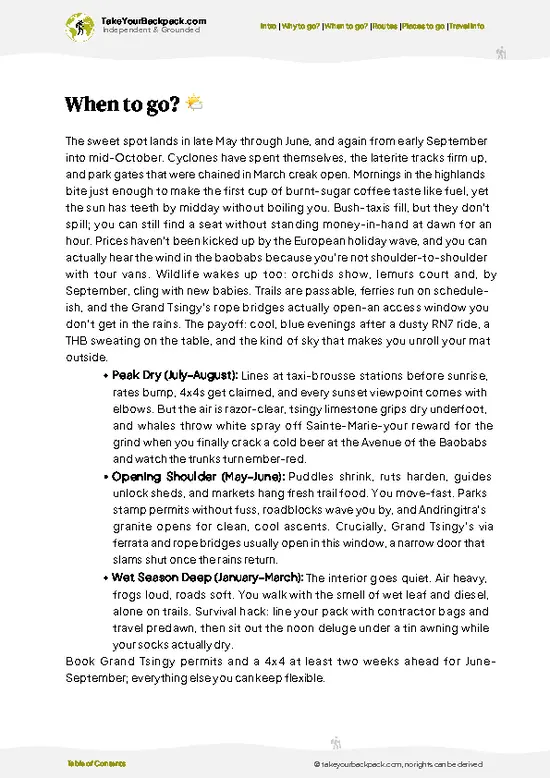
🌤️ When to go?Seasonal considerations and timing


  • Weather: The dry season from May to October is your best bet. Expect clear skies and minimal rain, perfect for beach days and trekking. The wet season (November to April) brings heavy rains and cyclones, which can seriously cramp your plans.

  • Temperature: During the dry months, temperatures hover between 22-28°C (72-82°F), pleasantly warm without the oppressive humidity. The wet season heats up to 28-32°C (82-90°F), but the humidity makes it feel hotter and stickier.

  • Daylight Hours: Around 11-12 hours of daylight year-round, but the dry season offers more consistent sunny mornings, giving you a reliable window for early hikes or snorkeling before afternoon heat or showers.

  • Crowds: Peak season is July and August when European travelers escape winter. You’ll find more tourists and higher
read more 👉

  • Weather: The dry season from May to October is your best bet. Expect clear skies and minimal rain, perfect for beach days and trekking. The wet season (November to April) brings heavy rains and cyclones, which can seriously cramp your plans.

  • Temperature: During the dry months, temperatures hover between 22-28°C (72-82°F), pleasantly warm without the oppressive humidity. The wet season heats up to 28-32°C (82-90°F), but the humidity makes it feel hotter and stickier.

  • Daylight Hours: Around 11-12 hours of daylight year-round, but the dry season offers more consistent sunny mornings, giving you a reliable window for early hikes or snorkeling before afternoon heat or showers.

  • Crowds: Peak season is July and August when European travelers escape winter. You’ll find more tourists and higher prices then, but the vibe is lively. Shoulder months May, June, and September offer a quieter, more local feel without sacrificing good weather.

  • Seasonal Activities: Whale watching peaks from July to September—an absolute must if you’re there then. Coral reefs are healthiest in the dry season, making snorkeling and diving much more rewarding.

  • Price Fluctuations: Accommodation and flights spike during July-August. Booking in shoulder seasons can save you 20-30%, and you’ll dodge the crowds while still enjoying excellent conditions.


Pro-tip: Arrive late May or early September to score the sweet spot—great weather, fewer tourists, and better prices. It’s like having the island almost to yourself.


source: climatestotravel.comJANJanuary: below average for travelingFEBFebruary: below average for travelingMARMarch: below average for travelingAPRApril: fair for travelingMAYMay: highly recommended for travelingJUNJune: highly recommended for travelingJULJuly: excellent for travelingAUGAugust: excellent for travelingSEPSeptember: highly recommended for travelingOCTOctober: good for travelingNOVNovember: fair for travelingDECDecember: fair for traveling
when-to-go

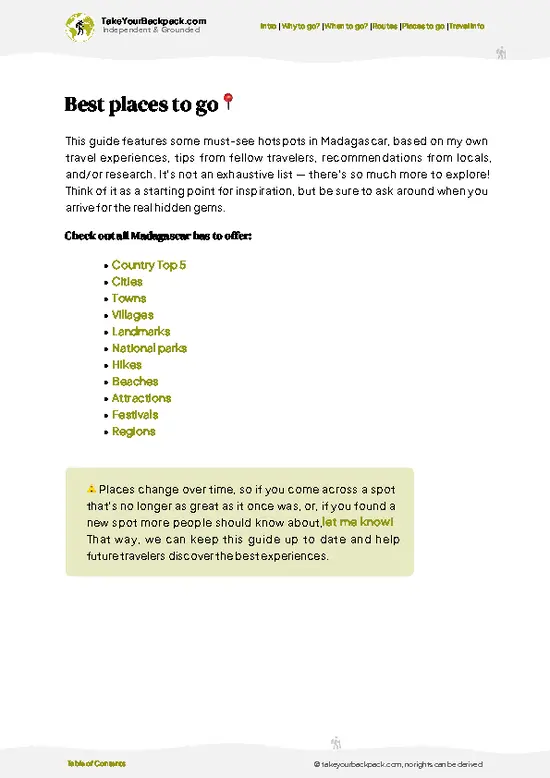
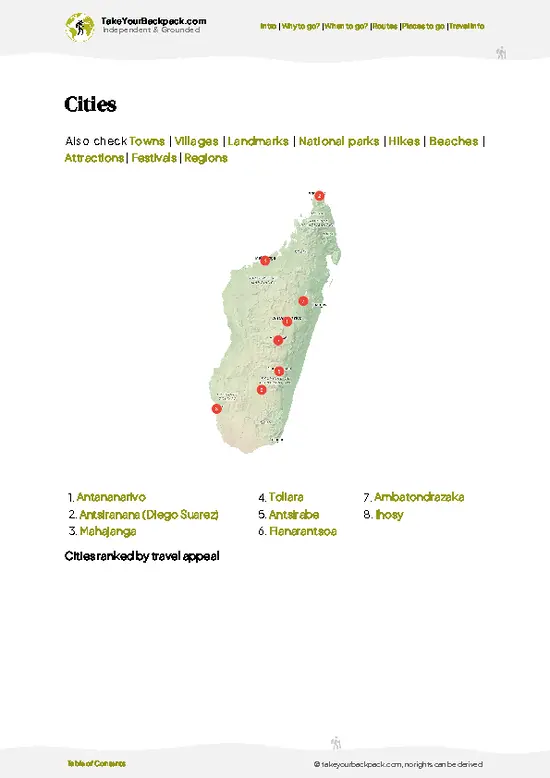
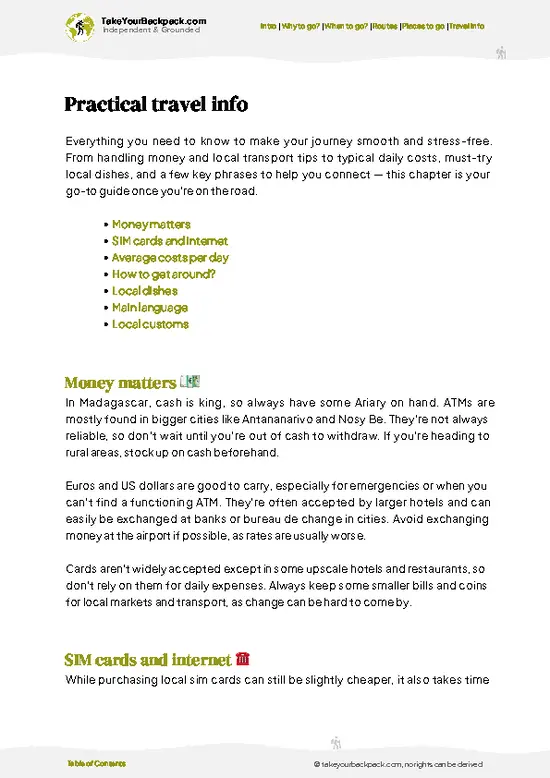
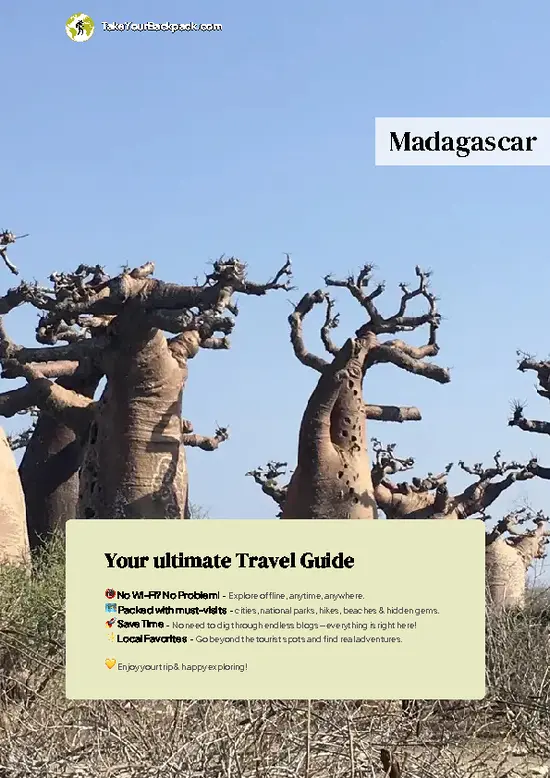
✈️ The backpacker research shortcutMadagascar Travel Guide

An offline-friendly backpacking guide with optimized travel routes, ranked highlights, transport advice, and the best areas to stay.
example page 0 from our offline Travel Guide for Madagascar
example page 1 from our offline Travel Guide for Madagascar
example page 2 from our offline Travel Guide for Madagascar
example page 3 from our offline Travel Guide for Madagascar
example page 4 from our offline Travel Guide for Madagascar
example page 5 from our offline Travel Guide for Madagascar
example page 6 from our offline Travel Guide for Madagascar
example page 7 from our offline Travel Guide for Madagascar
The digital guide (418 pages) contains:
110 highlights, ranked by travel appeal
Optimized 7, 14 & 21-day travel routes
Cities, national parks, landmarks, beaches
How to get around
Offline-friendly for travel without Wi-Fi
👉 Click to see all 30+ guide features

📅 Plan smarter in minutes, not weeks
Month by month travel advice
Festivals & national holidays
Budget expectations

🗺️ Go to the right places, skip the overrated ones
Honest pros & cons of destinations
Top hikes, parks & viewpoints
Lesser-known places most travelers miss
Clear “worth it vs skip it” guidance

🛏️ Travel smoothly without rookie mistakes
Best areas to stay
Transport systems explained simply
Common scams & safety advice
SIM cards, money & practical tips

🌍 Understand the country, not just visit it
Culture & traditions
52 Essential phrases & customs
Festivals worth planning around
Traveler-friendly historical context
Insights that make places more meaningful

📱 Built for real travel conditions
Fully downloadable PDF
Works completely offline
Optimized for phone use
Useful in remote areas & buses
Everything in one place
Save weeks of stressful planning
Get instant access to your full guide. 30‑day money-back guarantee.
+ Add another guide for just US$7.80

By proceeding you agree to our terms.
Sent to your inbox immediately after payment • 100% Secure Checkout
Best Backpacking Travel Advisor 2025 tourism awardBest Backpacking
Travel Advisor
2025
What others say about Take Your Backpack Guides:
⭐⭐⭐⭐⭐
Fantastic, amazing amount of information!
⭐⭐⭐⭐⭐
My goodness this is amazing, it's what I've been looking for hats off too you!
⭐⭐⭐⭐⭐
I think this is absolutely BRILLIANT
⭐⭐⭐⭐
Very complete and informative. It's still missing places, but I gotta to commend you
⭐⭐⭐⭐⭐
This is truly amazing, thank you, can't wait to explore it with my kids!
⭐⭐⭐⭐⭐
Awesome resource, thank you!
⭐⭐⭐⭐⭐
This is amazing! Can't wait to explore the ones I haven't seen
⭐⭐⭐⭐
I love this! Well done, great idea.
⭐⭐⭐⭐⭐
Thanks for taking the time to make this gem!
⭐⭐⭐⭐⭐
This might be the best website I've ever seen.
⭐⭐⭐⭐⭐
Congratulations, and thank you so much for your work; it's incredibly valuable.
⭐⭐⭐⭐
In all seriousness I think you did a great job pointing out the important spots
⭐⭐⭐⭐⭐
10/10 very good
⭐⭐⭐⭐⭐
As someone who's only just starting to visit regularly this is awesome, thank you.
⭐⭐⭐⭐
Thank you very much! I'm going to visit my dad, it's going to be very useful!
⭐⭐⭐⭐⭐
This is really cool! We'll be travelling for the first time and this definitely come in handy.
⭐⭐⭐⭐⭐
You are now our minister of culture, congratulations 👨‍💼
⭐⭐⭐⭐⭐
Just wanted to tell you that this is a pearl! Going to follow your recommendations.
⭐⭐⭐⭐⭐
This is so cool. I'll definitely be using the resource for my travels soon.
⭐⭐⭐⭐⭐
This is very impressive! Good work.
⭐⭐⭐⭐⭐
This is an amazing and informative site. Very well done!

🛏️ Where to stay?Where staying makes the most sense

When you land in the dreamy region of Île aux Nattes, you’ll want to dive into the heart of the local vibe. Start in the village itself. It’s small, safe, and bursting with charm. You’ll find friendly locals and fellow backpackers sharing stories over fresh seafood. The beach is just a stone’s throw away, making it easy to soak up the sun or catch a sunset that’ll make your Instagram followers jealous.

Head to the northern part of the island for a more laid-back atmosphere. This area is quieter, perfect for those seeking solitude or a chance to reflect. You can still connect with others at small … read more 👉
When you land in the dreamy region of Île aux Nattes, you’ll want to dive into the heart of the local vibe. Start in the village itself. It’s small, safe, and bursting with charm. You’ll find friendly locals and fellow backpackers sharing stories over fresh seafood. The beach is just a stone’s throw away, making it easy to soak up the sun or catch a sunset that’ll make your Instagram followers jealous.

Head to the northern part of the island for a more laid-back atmosphere. This area is quieter, perfect for those seeking solitude or a chance to reflect. You can still connect with others at small beachside eateries, where the catch of the day is served with a side of laughter.

If you’re feeling adventurous, consider a short boat ride to nearby villages. These spots offer a glimpse into local life, with vibrant markets and the chance to meet artisans. Just remember, the more remote you go, the more you’ll need to embrace the basics. But that’s part of the charm—sacrificing a bit of comfort for authentic experiences that’ll stick with you long after you leave.

🚌 Getting aroundHow to get around Ile aux Nattes

Ile aux Nattes is a slice of paradise where time feels like a suggestion rather than a rule. The air is thick with the scent of salt and coconut, and the rhythm of life here flows like the gentle waves lapping at the shore. Schedules? They’re more like friendly nudges. You’ll find locals moving with a relaxed grace, and if you’re in a hurry, well, good luck with that! Embrace the chaos, and you’ll discover that the best moments often come when you let go of the clock.


  • Taxi-Brousse: These shared minibuses are the lifeblood of local transport. They run from the main town of Mananjary to the port, with departures starting around 6 AM and the last one around 4 PM. Expect to pay about 5,000 Ariary (around $1.50) for a bumpy ride that takes about an hour. Comfort is basic, but you’ll soak up
read more 👉
Ile aux Nattes is a slice of paradise where time feels like a suggestion rather than a rule. The air is thick with the scent of salt and coconut, and the rhythm of life here flows like the gentle waves lapping at the shore. Schedules? They’re more like friendly nudges. You’ll find locals moving with a relaxed grace, and if you’re in a hurry, well, good luck with that! Embrace the chaos, and you’ll discover that the best moments often come when you let go of the clock.


  • Taxi-Brousse: These shared minibuses are the lifeblood of local transport. They run from the main town of Mananjary to the port, with departures starting around 6 AM and the last one around 4 PM. Expect to pay about 5,000 Ariary (around $1.50) for a bumpy ride that takes about an hour. Comfort is basic, but you’ll soak up the local vibe.


  • Boat Taxi: For a more scenic route, hop on a boat taxi. These small vessels zip between the island and nearby beaches, with prices around 10,000 Ariary ($3) each way. They usually run from dawn until sunset, and the ride is about 30 minutes. It’s a splashy, breezy experience that makes you feel like a local adventurer.


  • Bicycle Rentals: Feeling adventurous? Rent a bicycle for about 5,000 Ariary ($1.50) a day. It’s the best way to explore the island at your own pace. You can pedal along sandy paths, stopping at hidden beaches and local eateries. Just be prepared for some sandy stretches!


  • Walking: The island is small enough that walking is a viable option. Stroll along the beach or through the village, soaking in the sights and sounds. It’s free, and you’ll stumble upon charming spots that you’d miss otherwise. Just remember to wear sunscreen!


For a tactical tip: coordinate your boat taxi rides with the tide. High tide makes for smoother sailing, so check local advice on the best times to go. This little hack can save you from a bumpy ride and let you enjoy the stunning views without the splash!

🍲 FoodLocal Flavors for Backpackers

On Ile aux Nattes, food is a celebration of local flavors and vibrant community. Dive into romazava, a hearty stew made with zebu meat and leafy greens, simmered to perfection. Pair it with rice—the staple here—and you’ve got a meal that feels like a warm hug. Don’t miss out on ravitoto, shredded cassava leaves cooked with pork, offering a rich, earthy taste that’s utterly comforting.

For drinks, seek out ranon’apango, a traditional rice water that’s slightly sweet and refreshingly cool. You’ll find it served in local cafés, where the atmosphere buzzes with laughter and chatter. Street vendors are your best bet for authentic snacks; grab some koba, a sweet treat made from ground peanuts and rice flour, wrapped in banana leaves.

Dining here is casual and communal. Expect to share tables … read more 👉
On Ile aux Nattes, food is a celebration of local flavors and vibrant community. Dive into romazava, a hearty stew made with zebu meat and leafy greens, simmered to perfection. Pair it with rice—the staple here—and you’ve got a meal that feels like a warm hug. Don’t miss out on ravitoto, shredded cassava leaves cooked with pork, offering a rich, earthy taste that’s utterly comforting.

For drinks, seek out ranon’apango, a traditional rice water that’s slightly sweet and refreshingly cool. You’ll find it served in local cafés, where the atmosphere buzzes with laughter and chatter. Street vendors are your best bet for authentic snacks; grab some koba, a sweet treat made from ground peanuts and rice flour, wrapped in banana leaves.

Dining here is casual and communal. Expect to share tables and stories, so don’t hesitate to strike up a conversation. Locals often eat with their hands, so embrace the mess—it’s part of the experience. Just remember to wash up before diving into that delicious romazava! This isn’t just a meal; it’s a chance to connect with the heart of Madagascar.

FAQFrequently asked questions about Ile aux Nattes

2 to 3 days are sufficient to explore Ile aux Nattes thoroughly. This allows time to enjoy its beaches, local villages, and snorkeling spots without rushing. Most travelers find 48 hours enough to experience the island's highlights.
You get around Ile aux Nattes primarily on foot or by bicycle, as the island is small and has no cars. Walking between beaches and villages takes 10 to 30 minutes depending on your destination. Some guesthouses offer bike rentals for about 5,000 Ariary per day.
Ile aux Nattes is known for its pristine white sandy beaches and clear turquoise waters. It is also famous for its relaxed atmosphere and excellent snorkeling opportunities around coral reefs. The island is a quieter alternative to nearby Nosy Boraha (Sainte Marie).
⚠️ Things can change over time, so always validate details locally before you go.

Other Malagasy regions near Ile aux Nattes

Explore more nearby:

  • Nosy Boraha—colonial ruins, whale migration, mangrove creeks, pirate cemetery| 763 km away
  • Nosy Be—volcanic hills, ylang-ylang plantations, crater lakes, lemur reserves| 1104 km away

💡 Not sure where to go next?
Create a personalized itinerary for Madagascar including Ile aux Nattes and the places that fit your trip.

Generate my itinerary

👉 Discover all regions

Or checkout all Madagascar has to offer (think cities, towns, villages, national parks, hikes, beaches, festivals)
Country photo of Madagascar

We 💚 feedbackKey takeaways before you go

Ile aux Nattes is a slice of paradise where you can kick back on pristine beaches and soak in the laid-back vibe. The sunsets? Absolutely killer. But here’s the catch: getting there takes time and a bit of patience. The boat rides can be bumpy, and schedules aren’t always reliable. If you’re cool with that, you’ll find a tranquil escape that feels like a well-kept secret. Just be ready to embrace the journey.

✈️ When did I visit Madagascar?
Madagascar I went backpacking in October 2019. With a friend I rented a 4WD and drove around the southern part of Madagascar.

✍️ Help improve this page!
The information on this page is based on my own backpacking experience in Madagascar, supplemented with up-to-date research and feedback from other travelers. Travel details can change, so if you notice anything outdated or incomplete, feel free to let me know.


🙋‍♂️ Give feedback

👋 Meet the founderWho’s Behind Take Your Backpack?

Johan, backpacker and founder of TakeYourBackpackHi, I’m Johan (Netherlands 🇳🇱), the creator of TakeYourBackpack. Over the past decade, I’ve backpacked through 80+ countries across six continents, gaining extensive experience with independent travel, long-term trips, and overland routes.

This site is built on a combination of firsthand travel experience and carefully curated insights from other backpackers. Many guides are based on places I’ve personally visited, while others bring together tips, observations, and practical advice shared by trusted travelers I’ve met along the way.

The goal is to provide realistic, experience-driven guidance — not generic itineraries — so you can explore destinations with better context, clearer expectations, and more confidence.

Get full Madagascar guide •
Instant download • 110 highlights • Full Offline guide