×

Madagascar🇲🇬 | national parksKalambatritra ReserveMontane ridges, mossy forest, forest-edge villages, highland views | things to do and best time to go

Explore Vohimana ReserveExplore Cap Sainte Marie

Backpacking in Kalambatritra Reserve
👀 For curious travelersnational park ranked #23
By Johan Kruseman 🇳🇱 | Updated October 15, 2026

Kalambatritra is a remote forest reserve with no visitor infrastructure to speak of, and many travelers assume it is a day trip off the Ranomafana route. It sits in southern Madagascar, in the Ihorombe and Atsimo-Atsinanana highlands, east of Ihosy. Trails here are muddy footpaths under moss-draped trees, ending at lemur calls. I asked a village guide whether the ridge path was far. He grinned, said “mora mora,” and handed me a stick. Your first day could mean walking in with a local guide, camping beside the forest edge, and listening for dawn calls.

Discover everything you want to know in the 📖 Madagascar Travel Guide.


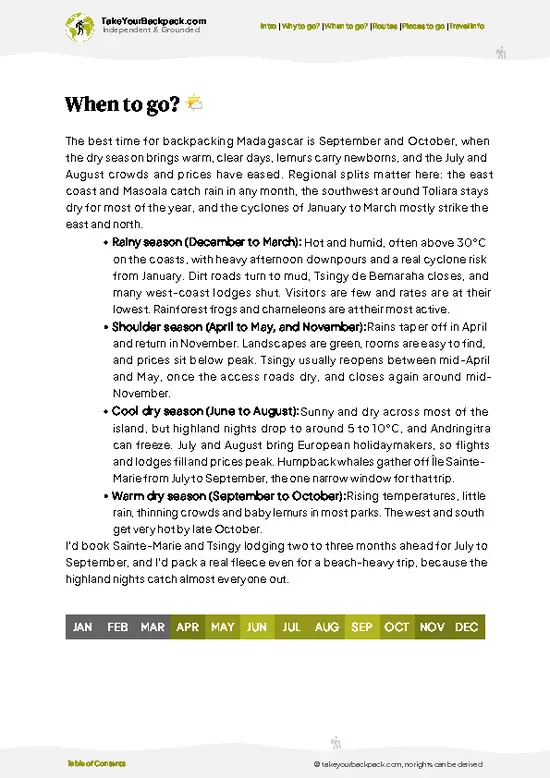
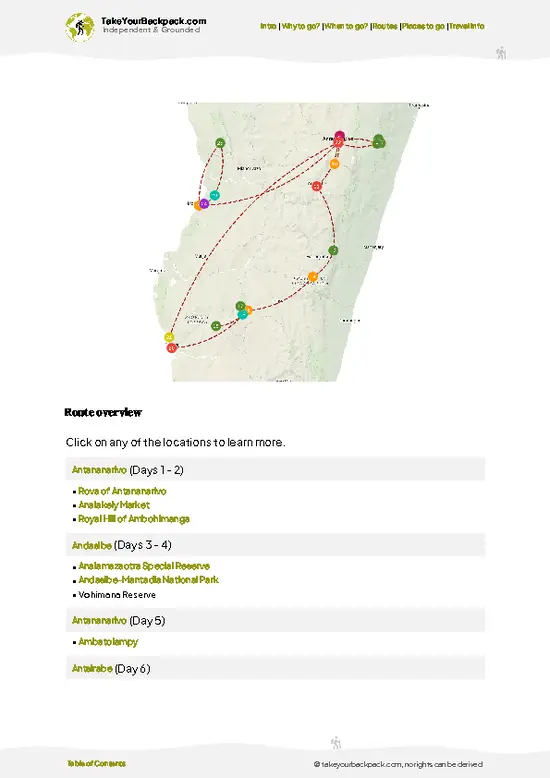
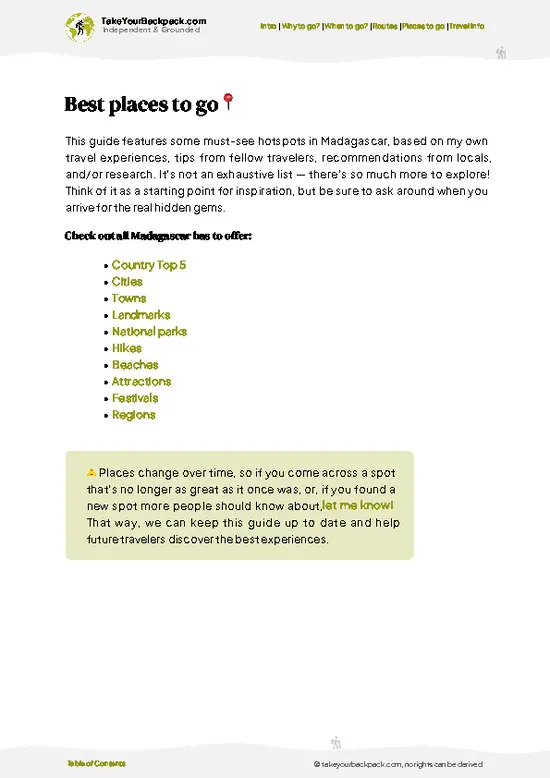
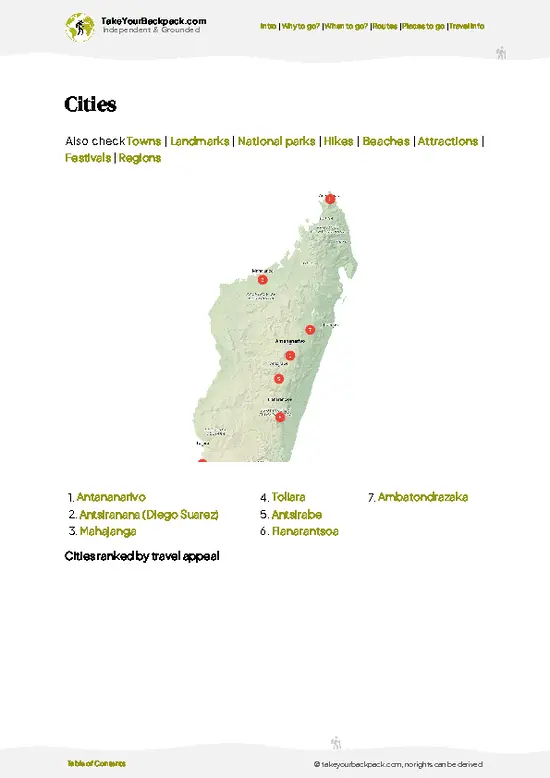
example page 0 from our offline Travel Guide for Madagascar
example page 1 from our offline Travel Guide for Madagascar
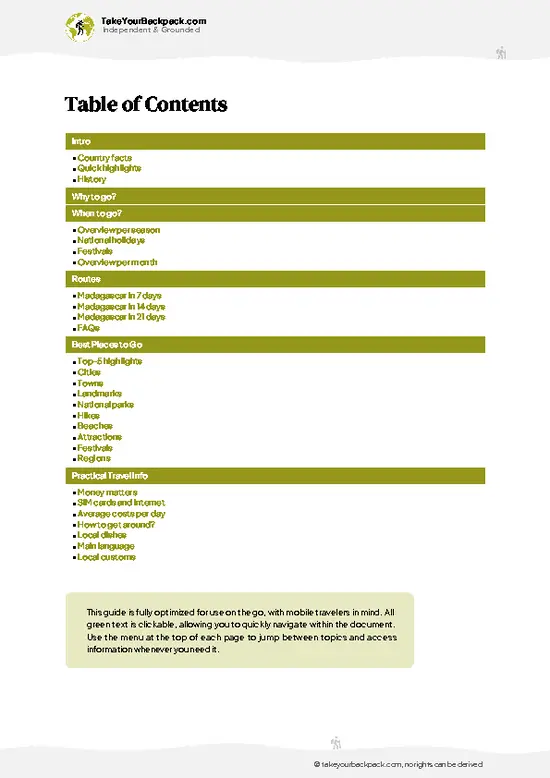
example page 2 from our offline Travel Guide for Madagascar
example page 3 from our offline Travel Guide for Madagascar
example page 4 from our offline Travel Guide for Madagascar
example page 5 from our offline Travel Guide for Madagascar
example page 6 from our offline Travel Guide for Madagascar
example page 7 from our offline Travel Guide for Madagascar
Loading the map 🌍
CLICK TO FILTER
cities
towns
landmarks
national parks
hikes
beaches
attractions
festivals
regions
SHOW COUNTRY’S BESTSHOW ALL

✨ Why go?
Ranked #23 national park in Madagascar
What makes it a must-see national park

Backpackers come for a forest almost nobody else visits. Kalambatritra shelters rare southern lemurs and dense mid-altitude rainforest and cloud forest on rugged ridges, so you can walk for hours with only your guide and the birdsong. Independent travelers get something tours rarely deliver here: village-based guiding arranged on the spot, simple camping near the forest edge, and the pace of a place with no schedule. It suits self-sufficient hikers who carry their own food and accept slow, rough roads in exchange for solitude.

💡 HighlightsEssential experiences to have while exploring Kalambatritra Reserve

  1. Montane rainforest ridges: Mossy, tangled forest on steep slopes, with orchids, ferns and giant trees dripping after mist.
  2. Lemur watching: The reserve shelters several lemur species, and early starts give you the best chance to hear and spot them in the canopy.
  3. Birdlife: Endemic forest birds call all morning, and a patient guide can point out species that rarely show up in busier parks.
  4. Chameleons and reptiles: Night walks with a headlamp reveal chameleons asleep on thin branches and small frogs on leaf litter.
  5. Forest-edge villages: Rice terraces and wooden homes sit right against the trees, and local guides share how people use the forest.
  6. Highland viewpoints: Open ridges break the canopy and give long views over folded green hills and clouds sliding through valleys.
Allow two to four days to see all of it properly.
Spotted a mistake or missing something? Contact us.

🌤️ When to go?Choosing the right time of year

  • Cool dry season (May to September): Best for hiking, with days around 20 to 26°C (68 to 79°F) and nights that can drop to 5 to 10°C (41 to 50°F) at altitude. Daylight lasts about 11 hours.
  • Hot wet season (November to March): Expect 25 to 32°C (77 to 90°F), heavy downpours, muddy tracks and leeches. Cyclone-fed rain can cut roads.
  • Shoulder months (April, October): Drier, greener forest and lemurs active, with almost no other visitors.
Crowds are tiny year-round and prices barely move, so pick your dates by road conditions.

source: climatestotravel.comJANJanuary: below average for travelingFEBFebruary: below average for travelingMARMarch: below average for travelingAPRApril: fair for travelingMAYMay: excellent for travelingJUNJune: excellent for travelingJULJuly: highly recommended for travelingAUGAugust: highly recommended for travelingSEPSeptember: highly recommended for travelingOCTOctober: highly recommended for travelingNOVNovember: fair for travelingDECDecember: below average for traveling
when-to-go

✈️ The backpacker research shortcutMadagascar Travel Guide

An offline-friendly backpacking guide with optimized travel routes, ranked highlights, transport advice, and the best areas to stay.
example page 0 from our offline Travel Guide for Madagascar
example page 1 from our offline Travel Guide for Madagascar
example page 2 from our offline Travel Guide for Madagascar
example page 3 from our offline Travel Guide for Madagascar
example page 4 from our offline Travel Guide for Madagascar
example page 5 from our offline Travel Guide for Madagascar
example page 6 from our offline Travel Guide for Madagascar
example page 7 from our offline Travel Guide for Madagascar
The digital guide (305 pages) contains:
✅ 96 highlights, ranked by travel appeal
✅ Optimized 7, 14 & 21-day travel routes
✅ Cities, national parks, landmarks, beaches
✅ How to get around
✅ Offline-friendly for travel without Wi-Fi
👉 Click to see all 30+ guide features

📅 Plan smarter in minutes, not weeks
✅ Month by month travel advice
✅ Festivals & national holidays
✅ Budget expectations

🗺️ Go to the right places, skip the overrated ones
✅ Honest pros & cons of destinations
✅ Top hikes, parks & viewpoints
✅ Lesser-known places most travelers miss
✅ Clear “worth it vs skip it” guidance

🛏️ Travel smoothly without rookie mistakes
✅ Best areas to stay
✅ Transport systems explained simply
✅ Common scams & safety advice
✅ SIM cards, money & practical tips

🌍 Understand the country, not just visit it
✅ Culture & traditions
✅ 52 Essential phrases & customs
✅ Festivals worth planning around
✅ Traveler-friendly historical context
✅ Insights that make places more meaningful

📱 Built for real travel conditions
✅ Fully downloadable PDF
✅ Works completely offline
✅ Optimized for phone use
✅ Useful in remote areas & buses
✅ Everything in one place
Stop searching, start planning
Get instant access to your full guide. 30‑day money-back guarantee.
+ Add another guide for just

By proceeding you agree to our terms.
Sent to your inbox immediately after payment • 100% Secure Checkout
Best Backpacking Travel Advisor 2025 tourism awardBest Backpacking
Travel Advisor
2025
What others say about Take Your Backpack Guides:
⭐⭐⭐⭐⭐
Fantastic, amazing amount of information!
⭐⭐⭐⭐⭐
My goodness this is amazing, it's what I've been looking for hats off too you!
⭐⭐⭐⭐⭐
I think this is absolutely BRILLIANT
⭐⭐⭐⭐
Very complete and informative. It's still missing places, but I gotta to commend you
⭐⭐⭐⭐⭐
This is truly amazing, thank you, can't wait to explore it with my kids!
⭐⭐⭐⭐⭐
Awesome resource, thank you!
⭐⭐⭐⭐⭐
This is amazing! Can't wait to explore the ones I haven't seen
⭐⭐⭐⭐
I love this! Well done, great idea.
⭐⭐⭐⭐⭐
Thanks for taking the time to make this gem!
⭐⭐⭐⭐⭐
This might be the best website I've ever seen.
⭐⭐⭐⭐⭐
Congratulations, and thank you so much for your work; it's incredibly valuable.
⭐⭐⭐⭐
In all seriousness I think you did a great job pointing out the important spots
⭐⭐⭐⭐⭐
10/10 very good
⭐⭐⭐⭐⭐
As someone who's only just starting to visit regularly this is awesome, thank you.
⭐⭐⭐⭐
Thank you very much! I'm going to visit my dad, it's going to be very useful!
⭐⭐⭐⭐⭐
This is really cool! We'll be travelling for the first time and this definitely come in handy.
⭐⭐⭐⭐⭐
You are now our minister of culture, congratulations 👨‍💼
⭐⭐⭐⭐⭐
Just wanted to tell you that this is a pearl! Going to follow your recommendations.
⭐⭐⭐⭐⭐
This is so cool. I'll definitely be using the resource for my travels soon.
⭐⭐⭐⭐⭐
This is very impressive! Good work.
⭐⭐⭐⭐⭐
This is an amazing and informative site. Very well done!

🛏️ Where to stay?How to pick the right area

Inside the reserve you sleep in your own tent at basic campsites near the forest edge, so bring a sleeping bag warm enough for cold highland nights. The nearest real base is Ambalavao or Ihosy, but the closest village to the reserve is Fenoarivo, where you can arrange local guides and sometimes a simple room. Betroka is the largest town nearby and has a few basic hotels, small restaurants and a market for stocking up on rice, vegetables and water. Ambalavao has the best guesthouse choice, so many travelers sleep there before heading south.

👛 Costs (as of 15 October 2026)What things cost and how to budget

Expect to spend roughly USD 25 to 50 per day at Kalambatritra Reserve, mostly on guides, food and transport rather than lodging. Prices are in US dollars for comparison, though you pay in Malagasy ariary.
CategoryBudget RangeLocal Reality
Entrance feeUSD 5 to 10Paid locally per day, usually bundled with a guide arrangement.
GuideUSD 8 to 15Compulsory in practice, arranged in the nearest village.
CampingUSD 2 to 5Basic sites, bring your own tent. Village rooms cost USD 5 to 10.
Local transportUSD 5 to 15Shared taxi-brousse to Betroka, then a hired vehicle or motorbike onward.
Food and suppliesUSD 5 to 10Rice and zebu meals in villages. Stock up in town.
Total Daily BudgetUSD 25 to 50Per person, per day, in high season.
⚠️ Prices can change and everyone travels differently, so take this as a rough guide. Hope it helps you plan your adventure!

🥾 TrailsDiscover Kalambatritra Reserve's top trails and natural wonders

Kalambatritra has no widely signed, named trail network, so walks are arranged with local guides from the villages near the forest edge. Most people do a few simple routes.
  • Forest-edge loop: A half-day walk from camp through secondary growth and into primary forest, along muddy, root-covered paths. Easy to moderate.
  • Ridge walk: A full-day climb on steep, slippery slopes into mossy highland forest, with the best chance of lemurs and viewpoints. Moderate to hard.
  • Night walk: A short, easy outing with a headlamp for chameleons, frogs and nocturnal lemurs.
Terrain is steep and wet underfoot, so sturdy … read more 👉
Kalambatritra has no widely signed, named trail network, so walks are arranged with local guides from the villages near the forest edge. Most people do a few simple routes.
  • Forest-edge loop: A half-day walk from camp through secondary growth and into primary forest, along muddy, root-covered paths. Easy to moderate.
  • Ridge walk: A full-day climb on steep, slippery slopes into mossy highland forest, with the best chance of lemurs and viewpoints. Moderate to hard.
  • Night walk: A short, easy outing with a headlamp for chameleons, frogs and nocturnal lemurs.
Terrain is steep and wet underfoot, so sturdy boots and rain gear matter. Wildlife is best at dawn. Getting here means a long, rough road journey, and public transport is limited to shared bush taxis, so you may need to hire a vehicle. Crowds are almost nonexistent. Expect a small entrance and guide fee paid locally, and carry cash.
⚠️ Hiking info can sometimes be outdated or inaccurate. Before you hit the trail, check the latest conditions with locals. If you do spot anything that's off, I'd love to hear from you, so I can update it for fellow travelers.

🛡️ SafetyStaying Safe: What Travelers Should Know

Kalambatritra is remote and quiet, with no rangers on every trail, so a local guide is the sensible choice for navigation. Paths are steep, slippery after rain and sometimes unmarked. Nights are cold at altitude, so pack a warm layer and rain jacket. Lemurs and chameleons are harmless, so keep your distance and never feed them. Bring enough food, water treatment and a first-aid kit, because the nearest clinic is far away. Roads turn to mud in the wet season, so allow spare days.

FAQFrequently asked questions about Kalambatritra Reserve

Plan on 3 to 4 days. The reserve is remote, so you lose a day or two just reaching it, and a forest walk to spot ring-tailed lemurs and chameleons takes a full day. Add a spare day in the wet season, when roads from Betroka can turn muddy.
Not easily. Public taxi-brousses run to Betroka, but the last stretch to the reserve has no regular service, so you need to hire a 4x4, a motorbike or arrange a ride from the village. Expect to pay roughly USD 15 to 40 for a hired vehicle, and allow a half day for the final leg.
Yes, an entrance fee is charged, roughly USD 5 to 10 per person per day, paid locally in ariary. A local guide is strongly recommended and costs about USD 8 to 15 per day. Camping inside costs a few dollars extra and no separate trekking permit is usually needed.
⚠️ Things can change over time, so always validate details locally before you go.

Other Malagasy national parks near Kalambatritra Reserve

Explore more nearby:


💡 Not sure where to go next?
Create a personalized itinerary for Madagascar including Kalambatritra Reserve and the places that fit your trip.

Generate my itinerary

👉 Discover all national parks

Or checkout all Madagascar has to offer (think cities, towns, villages, national parks, hikes, beaches, festivals)
Country photo of Madagascar

We 💚 feedbackParting advice and final tips

Many travelers arrive with no food, no cash and a tight schedule, then leave after one rushed walk. Stock up in town, carry small bills, and give yourself three days. Hire a local guide, and the forest opens up.

✈️ When did I visit Madagascar?
Madagascar I went backpacking in October 2019. With a friend I rented a 4WD and drove around the southern part of Madagascar.

✍️ Help improve this page!
The information on this page is based on my own backpacking experience in Madagascar, supplemented with up-to-date research and feedback from other travelers. Travel details can change, so if you notice anything outdated or incomplete, feel free to let me know.


🙋‍♂️ Give feedback

👋 Meet the founderWho’s Behind Take Your Backpack?

Johan, backpacker and founder of TakeYourBackpackHi, I’m Johan (Netherlands 🇳🇱), the creator of TakeYourBackpack. Over the past 3 decades, I’ve backpacked through 90+ countries across six continents, gaining extensive experience with independent travel, long-term trips, and overland routes.

This site is built on a combination of firsthand travel experience and carefully curated insights from other backpackers. Many guides are based on places I’ve personally visited, while others bring together tips, observations, and practical advice shared by trusted travelers I’ve met along the way.

The goal is to provide realistic, experience-driven guidance — not generic itineraries — so you can explore destinations with better context, clearer expectations, and more confidence.