v2.webp)
1. Up-Close Lemur Encounters
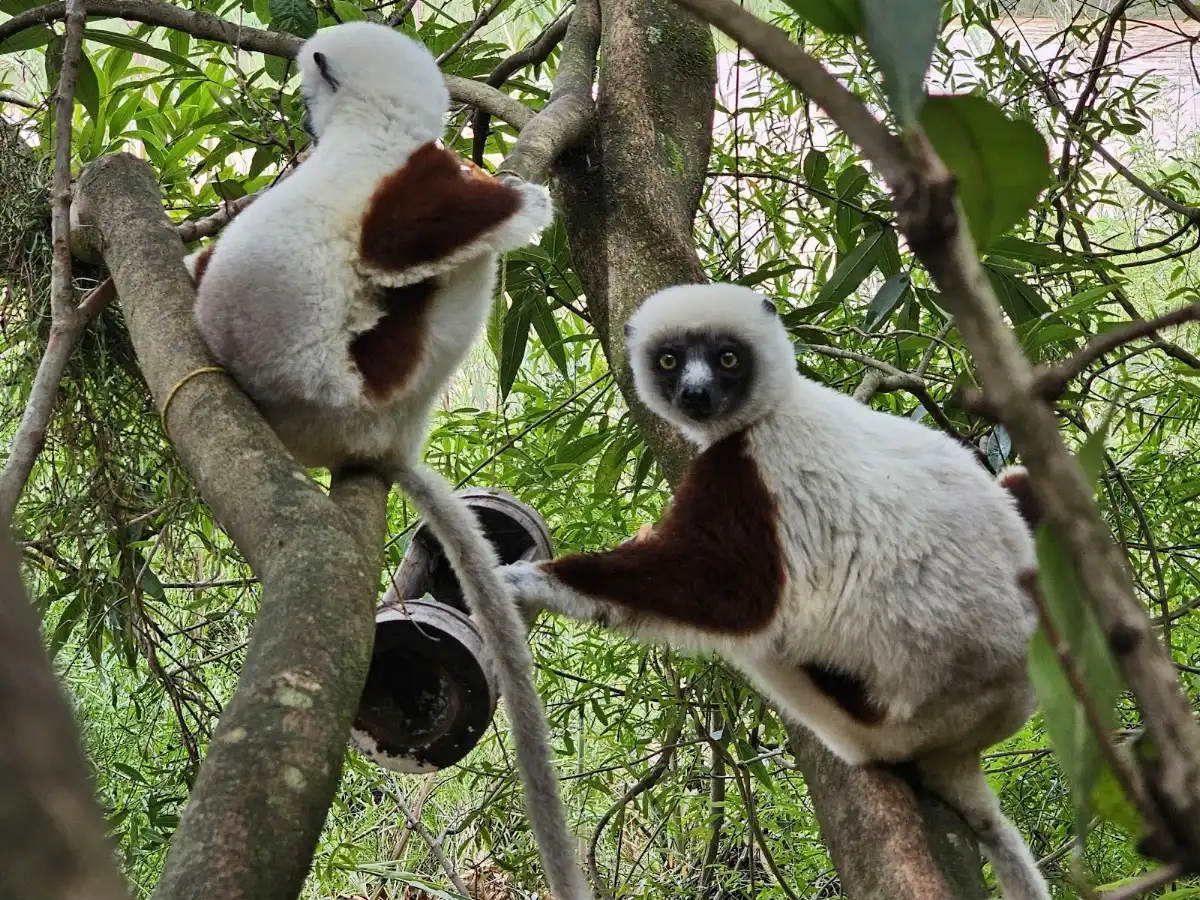
Forget the Instagram fantasy of cuddling a lemur on your shoulder—these are wild animals, not plush toys. But Lemurs’ Park delivers the real thrill: you’re walking through their world, not the other way around. The lemurs here aren’t caged; they leap, sunbathe, and squabble in the open, sometimes just a meter away. You’ll see at least nine species, including the ring-tailed and the brown lemur, living semi-free in a slice of forest that feels more like a backstage pass to Madagascar’s evolutionary oddballs than a zoo. The magic isn’t in a selfie—it’s in watching a sifaka launch itself sideways like a furry parkour champion. This is the main event, and it’s worth every ariary.
2. Guided Walks with Local Experts
Here’s where the park quietly outclasses the big-name … read more 👉
Forget the Instagram fantasy of cuddling a lemur on your shoulder—these are wild animals, not plush toys. But Lemurs’ Park delivers the real thrill: you’re walking through their world, not the other way around. The lemurs here aren’t caged; they leap, sunbathe, and squabble in the open, sometimes just a meter away. You’ll see at least nine species, including the ring-tailed and the brown lemur, living semi-free in a slice of forest that feels more like a backstage pass to Madagascar’s evolutionary oddballs than a zoo. The magic isn’t in a selfie—it’s in watching a sifaka launch itself sideways like a furry parkour champion. This is the main event, and it’s worth every ariary.
2. Guided Walks with Local Experts
Here’s where the park quietly outclasses the big-name … read more 👉
1. Up-Close Lemur Encounters
Forget the Instagram fantasy of cuddling a lemur on your shoulder—these are wild animals, not plush toys. But Lemurs’ Park delivers the real thrill: you’re walking through their world, not the other way around. The lemurs here aren’t caged; they leap, sunbathe, and squabble in the open, sometimes just a meter away. You’ll see at least nine species, including the ring-tailed and the brown lemur, living semi-free in a slice of forest that feels more like a backstage pass to Madagascar’s evolutionary oddballs than a zoo. The magic isn’t in a selfie—it’s in watching a sifaka launch itself sideways like a furry parkour champion. This is the main event, and it’s worth every ariary.
2. Guided Walks with Local Experts
Here’s where the park quietly outclasses the big-name reserves: the guides. These aren’t bored script-readers. Most are Malagasy, deeply knowledgeable, and genuinely passionate about their country’s wildlife. They’ll spot a camouflaged chameleon before you even realize you’re looking at a branch. They’ll explain lemur social drama, point out medicinal plants, and answer questions with the kind of detail that only comes from living alongside these creatures. You’ll leave knowing more than you ever expected about lemur politics and Malagasy conservation headaches.
3. Chameleon and Tortoise Encounters
Lemurs steal the show, but don’t skip the smaller residents. The park is home to several species of chameleons—tiny, color-shifting Houdinis that you’d walk past without a guide’s eagle eye. There are also radiated tortoises, a critically endangered species with shells that look like they were hand-painted by a perfectionist. Watching a chameleon’s tongue shoot out to nab a cricket is pure entertainment, and the tortoises’ slow-motion determination is oddly hypnotic.
4. The Forest Trail Experience
This isn’t a manicured city park. The trails wind through a patch of reforested land, dotted with native trees and thick undergrowth. You’ll hear the slap of lemur feet on branches overhead and the occasional shriek from a territorial male. The air smells of earth and sun-warmed leaves. It’s a sensory reset—no traffic, no city noise, just the soundtrack of Madagascar’s wild heart. This is my personal favorite: the moment you realize you’re not just observing, you’re part of the landscape.
5. Family-Friendly, Low-Stress Adventure
Let’s be real: Madagascar’s national parks can be logistically brutal—long drives, rough trails, and the ever-present risk of getting lost in translation. Lemurs’ Park is the antidote. It’s close to Antananarivo, easy to reach, and manageable for kids, elders, and anyone who doesn’t want to trek for hours. You get a concentrated dose of Madagascar’s wildlife without the exhaustion or the need for expedition-level planning. It’s the rare spot where you can have a genuine wildlife encounter and still make it back to town for dinner.
Forget the Instagram fantasy of cuddling a lemur on your shoulder—these are wild animals, not plush toys. But Lemurs’ Park delivers the real thrill: you’re walking through their world, not the other way around. The lemurs here aren’t caged; they leap, sunbathe, and squabble in the open, sometimes just a meter away. You’ll see at least nine species, including the ring-tailed and the brown lemur, living semi-free in a slice of forest that feels more like a backstage pass to Madagascar’s evolutionary oddballs than a zoo. The magic isn’t in a selfie—it’s in watching a sifaka launch itself sideways like a furry parkour champion. This is the main event, and it’s worth every ariary.
2. Guided Walks with Local Experts
Here’s where the park quietly outclasses the big-name reserves: the guides. These aren’t bored script-readers. Most are Malagasy, deeply knowledgeable, and genuinely passionate about their country’s wildlife. They’ll spot a camouflaged chameleon before you even realize you’re looking at a branch. They’ll explain lemur social drama, point out medicinal plants, and answer questions with the kind of detail that only comes from living alongside these creatures. You’ll leave knowing more than you ever expected about lemur politics and Malagasy conservation headaches.
3. Chameleon and Tortoise Encounters
Lemurs steal the show, but don’t skip the smaller residents. The park is home to several species of chameleons—tiny, color-shifting Houdinis that you’d walk past without a guide’s eagle eye. There are also radiated tortoises, a critically endangered species with shells that look like they were hand-painted by a perfectionist. Watching a chameleon’s tongue shoot out to nab a cricket is pure entertainment, and the tortoises’ slow-motion determination is oddly hypnotic.
4. The Forest Trail Experience
This isn’t a manicured city park. The trails wind through a patch of reforested land, dotted with native trees and thick undergrowth. You’ll hear the slap of lemur feet on branches overhead and the occasional shriek from a territorial male. The air smells of earth and sun-warmed leaves. It’s a sensory reset—no traffic, no city noise, just the soundtrack of Madagascar’s wild heart. This is my personal favorite: the moment you realize you’re not just observing, you’re part of the landscape.
5. Family-Friendly, Low-Stress Adventure
Let’s be real: Madagascar’s national parks can be logistically brutal—long drives, rough trails, and the ever-present risk of getting lost in translation. Lemurs’ Park is the antidote. It’s close to Antananarivo, easy to reach, and manageable for kids, elders, and anyone who doesn’t want to trek for hours. You get a concentrated dose of Madagascar’s wildlife without the exhaustion or the need for expedition-level planning. It’s the rare spot where you can have a genuine wildlife encounter and still make it back to town for dinner.
Spotted a mistake or missing something? Contact us.

Two days tour to Andasibe NP

Antananarivo : Custom Walking Tour With A Guide (Private Tour)

Lemur Day Tour at Andasibe Rainforest and Vakona Lodge Reserve

7- Days Private Tour Baobab Safari

3-Day Private Tour to Andasibe National Park

Private Tour for the Highlights of Madagascar

Madagascar Wildlife Tour for 02 days

Antananarivo: Lemurs Park & City Tour

RN7 Road Trip - Private Multi Day Madagascar Tour

 Best Backpacking
.jpg) Hi, I’m Johan (Netherlands 🇳🇱), the creator of TakeYourBackpack. Over the past decade, I’ve backpacked through 80+ countries across six continents, gaining extensive experience with independent travel, long-term trips, and overland routes.
Hi, I’m Johan (Netherlands 🇳🇱), the creator of TakeYourBackpack. Over the past decade, I’ve backpacked through 80+ countries across six continents, gaining extensive experience with independent travel, long-term trips, and overland routes.