×

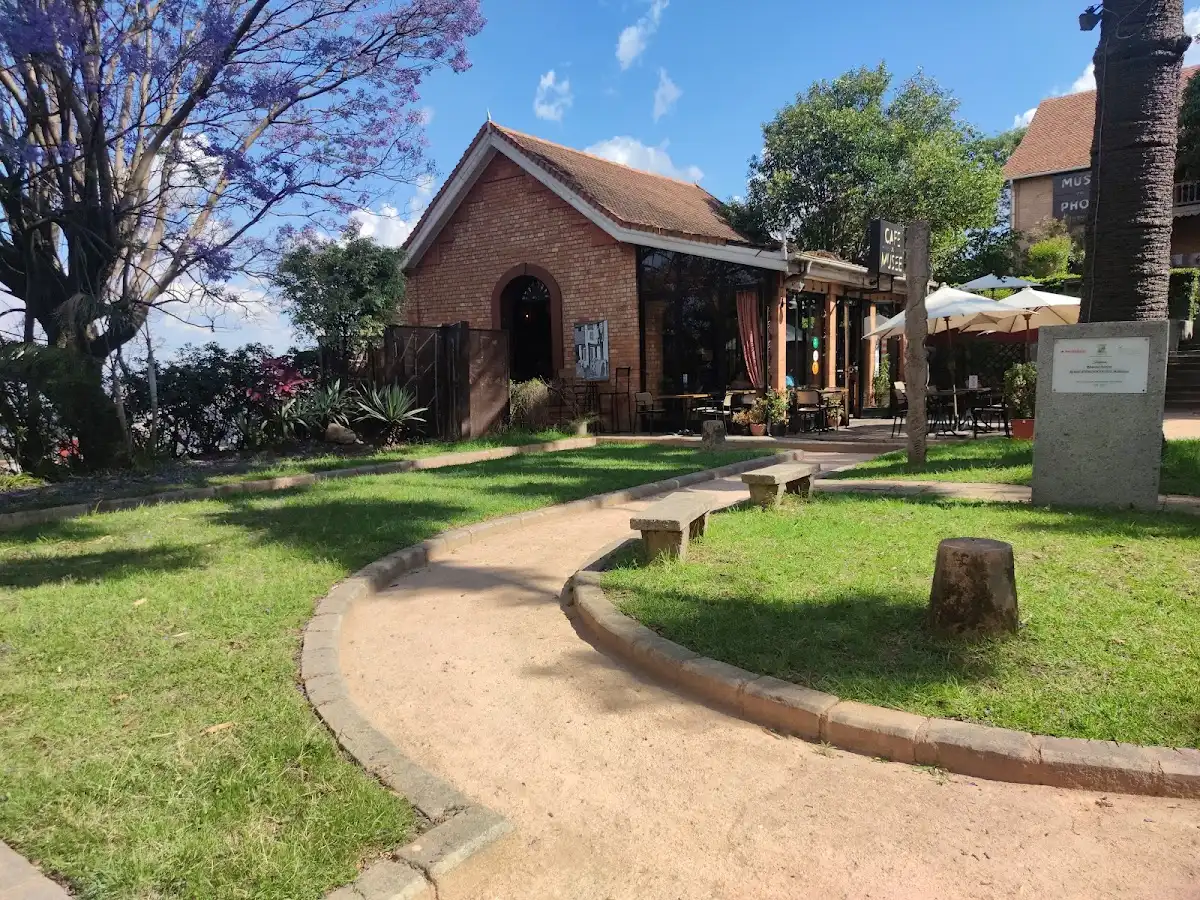
Madagascar🇲🇬 | attractionsMusée de la Photographie de Madagascararchival images, historic portraits, colonial-era photography, visual history | things to do and best time to go

Explore Andafiavaratra Palace MuseumExplore Musée d’Art et d’Archéologie d’Antananarivo

Backpacking in Musée de la Photographie de Madagascar
👍 Recommendedattraction ranked #9
By Johan Kruseman 🇳🇱 | Updated September 3, 2026

Everyone’s Instagram feed will tell you to visit the Musée de la Photographie de Madagascar for its “rare vintage photos”—as if a few sepia prints are the main event. Here’s the truth: the real reason to come isn’t the images themselves, but the way this place cracks open the country’s memory vault. Tucked away in Antananarivo’s upper town, the museum is a quiet, unpretentious spot that lets you time-travel through Madagascar’s colonial scars, independence struggles, and everyday street life—without the usual tourist circus. For backpackers, it’s not a thrill ride or a selfie factory. It’s a slow burn, best for those who want to understand the layers beneath the surface. The crowds are minimal (most tourists skip it), the entry fee is pocket change, and the vibe is refreshingly low-key compared to the city’s louder attractions. If you want adrenaline, look elsewhere. But if you crave context and real stories, this is where Madagascar starts to make sense.

Discover everything you want to know in the 📖 Madagascar Travel Guide.
Loading the map 🌍
CLICK TO FILTER
cities
towns
villages
landmarks
national parks
hikes
beaches
attractions
festivals
regions
SHOW COUNTRY’S BESTSHOW ALL

✨ Why go?
Ranked #9 attraction in Madagascar
What sets this place apart

The Musée de la Photographie de Madagascar isn’t your typical tourist checkbox. Sure, it’s not a sprawling palace or a beach where you can lounge all day, but this place punches way above its weight in cultural heft. Backpackers who carve out time here aren’t just ticking off an attraction—they’re diving into a visual archive that captures Madagascar’s soul through decades of raw, unfiltered moments. The photos don’t just show you the island’s landscapes; they reveal the layers of history, the everyday lives, and the complex identity of a nation often misunderstood or overlooked.

Yes, it’s modest and can get crowded during peak hours, but the payoff is real. You’re not just looking at pretty pictures; you’re witnessing a narrative that challenges stereotypes and invites you to rethink what … read more 👉
The Musée de la Photographie de Madagascar isn’t your typical tourist checkbox. Sure, it’s not a sprawling palace or a beach where you can lounge all day, but this place punches way above its weight in cultural heft. Backpackers who carve out time here aren’t just ticking off an attraction—they’re diving into a visual archive that captures Madagascar’s soul through decades of raw, unfiltered moments. The photos don’t just show you the island’s landscapes; they reveal the layers of history, the everyday lives, and the complex identity of a nation often misunderstood or overlooked.

Yes, it’s modest and can get crowded during peak hours, but the payoff is real. You’re not just looking at pretty pictures; you’re witnessing a narrative that challenges stereotypes and invites you to rethink what you thought you knew about Madagascar. For anyone trekking through the country, this museum is a milestone—a pause that enriches your journey with context and depth. It’s a rare spot where effort meets reward in a way that feels genuine, not commercialized. If you want to understand Madagascar beyond the postcards, this is where you start.
Want to include Musée de la Photographie de Madagascar in your Madagascar route?
Create a personalized Madagascar itinerary that includes Musée de la Photographie de Madagascar and the places that fit your trip — based on your travel style, budget, and available time. Get your route in seconds.

Generate my trip

💡 HighlightsPlaces and moments you shouldn't skip

1. The Early Malagasy Portraits
Forget the Instagram filters—these are the real deal. The museum’s collection of 19th and early 20th-century Malagasy portraits is a crash course in the country’s soul, long before the world cared about hashtags. You’ll see faces that stare straight through you: queens in ceremonial silk, highland farmers, children with eyes full of mischief and defiance. These aren’t just old photos; they’re time machines. The detail is raw, the stories unvarnished. If you want to understand Madagascar beyond the tourist gloss, start here.


2. Colonial-Era Street Scenes
Here’s where the museum pulls back the curtain on the city’s past. The black-and-white street photography from the French colonial period is a jolt—rickshaws, bustling markets, and architecture that’s both beautiful … read more 👉
1. The Early Malagasy Portraits
Forget the Instagram filters—these are the real deal. The museum’s collection of 19th and early 20th-century Malagasy portraits is a crash course in the country’s soul, long before the world cared about hashtags. You’ll see faces that stare straight through you: queens in ceremonial silk, highland farmers, children with eyes full of mischief and defiance. These aren’t just old photos; they’re time machines. The detail is raw, the stories unvarnished. If you want to understand Madagascar beyond the tourist gloss, start here.


2. Colonial-Era Street Scenes
Here’s where the museum pulls back the curtain on the city’s past. The black-and-white street photography from the French colonial period is a jolt—rickshaws, bustling markets, and architecture that’s both beautiful and bruised by history. You’ll spot the contradictions: European hats next to Malagasy headscarves, colonial order clashing with local chaos. It’s not pretty, but it’s real, and it’s the kind of context you’ll never get from a guidebook or a travel influencer’s feed.


3. The Malagasy Photographers’ Gallery
This is where the museum earns its stripes. Instead of just showing you what outsiders saw, it gives Malagasy photographers the spotlight. Their work is bold, sometimes political, and always personal. Expect everything from gritty urban scenes to poetic landscapes—often with a sly sense of humor or a sharp social critique. It’s a reminder that Madagascar isn’t just a backdrop for foreign adventurers; it’s a place with its own storytellers. This is my personal favorite, because it’s where the museum’s pulse beats loudest.


4. The Camera Collection
If you geek out over gear, don’t skip this. The museum’s display of vintage cameras—some battered, some pristine—tracks the evolution of photography in Madagascar. You’ll see everything from boxy wooden contraptions to Soviet-era workhorses, each with a story. It’s not just about nostalgia; it’s about the ingenuity required to document a country where resources were always scarce. The battered cameras are a badge of honor, not a museum prop.


5. Temporary Exhibitions
Here’s the wildcard. The museum regularly rotates in contemporary exhibitions—sometimes spotlighting up-and-coming Malagasy artists, sometimes tackling tough topics like environmental change or urbanization. These shows are unpredictable, sometimes raw, and always a reminder that Madagascar’s story is still being written. If you catch a good one, it’ll stick with you long after you leave.


If you’re expecting a sterile, air-conditioned Instagram trap, you’ll be disappointed. But if you want to see Madagascar’s history and creativity through the lens of people who actually live it, this place delivers—no filter needed.
Spotted a mistake or missing something? Contact us.

Things to do near Musée de la Photographie de Madagascar

Ratings based on Tripadvisor reviews. When you book through this link, you support our work at no extra cost to you.

🌤️ When to go?Best time to visit Musée de la Photographie de Madagascar


  • Weather: Madagascar’s dry season from May to October is your best bet. Expect less rain, which means fewer mudslides and easier access to the Musée de la Photographie. The wet season, November to April, brings heavy rains that can turn roads into rivers and dampen your plans.

  • Temperature: During the dry months, temperatures hover between 18-25°C (64-77°F), comfortable for wandering through exhibits without sweating buckets. The wet season heats up to 25-30°C (77-86°F), which can make indoor museum visits a bit sticky and less pleasant.

  • Daylight Hours: From June to August, daylight stretches to about 11-12 hours, giving you ample time to explore the museum and nearby sites without rushing. The shorter days in December and January mean less time for sightseeing after your visit.

  • Crowds:
read more 👉

  • Weather: Madagascar’s dry season from May to October is your best bet. Expect less rain, which means fewer mudslides and easier access to the Musée de la Photographie. The wet season, November to April, brings heavy rains that can turn roads into rivers and dampen your plans.

  • Temperature: During the dry months, temperatures hover between 18-25°C (64-77°F), comfortable for wandering through exhibits without sweating buckets. The wet season heats up to 25-30°C (77-86°F), which can make indoor museum visits a bit sticky and less pleasant.

  • Daylight Hours: From June to August, daylight stretches to about 11-12 hours, giving you ample time to explore the museum and nearby sites without rushing. The shorter days in December and January mean less time for sightseeing after your visit.

  • Crowds: Tourist numbers peak in July and August, so expect more visitors and a busier atmosphere. If you want to avoid the crush, aim for shoulder months like May or September when the museum is quieter but still accessible.

  • Seasonal Activities: The dry season aligns with local festivals and cultural events, adding layers to your visit beyond the museum walls. The wet season, while less convenient, offers lush landscapes outside the city but can limit your mobility.

  • Price Fluctuations: Accommodation and flights spike during the dry season, especially July and August. Visiting in May or September can save you some cash without sacrificing the experience.


Pro-tip: Hit the Musée de la Photographie in late May or early September—fewer crowds, decent weather, and better prices. You’ll get the real Madagascar vibe without the tourist circus.


source: climatestotravel.comJANJanuary: fair for travelingFEBFebruary: below average for travelingMARMarch: below average for travelingAPRApril: fair for travelingMAYMay: highly recommended for travelingJUNJune: highly recommended for travelingJULJuly: good for travelingAUGAugust: good for travelingSEPSeptember: highly recommended for travelingOCTOctober: highly recommended for travelingNOVNovember: fair for travelingDECDecember: fair for traveling
madagascar-attraction-musee-de-la-photographie-de-madagascar
© Google |

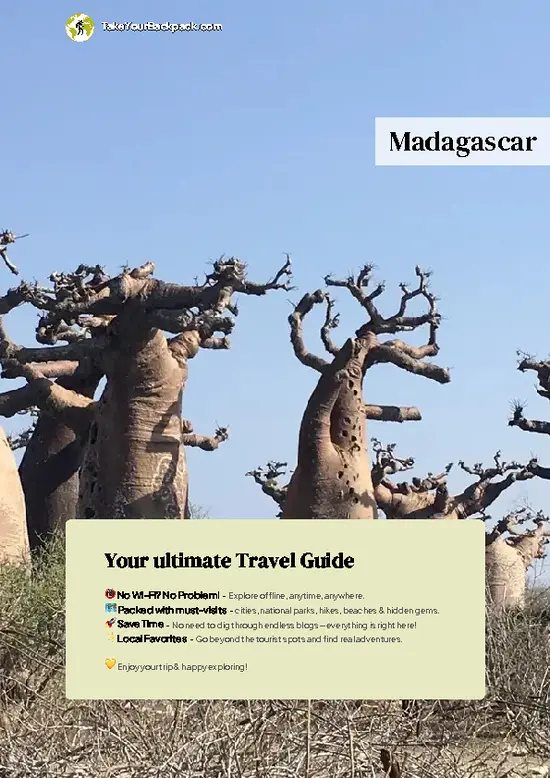
✈️ The backpacker research shortcutMadagascar Travel Guide

An offline-friendly backpacking guide with optimized travel routes, ranked highlights, transport advice, and the best areas to stay.
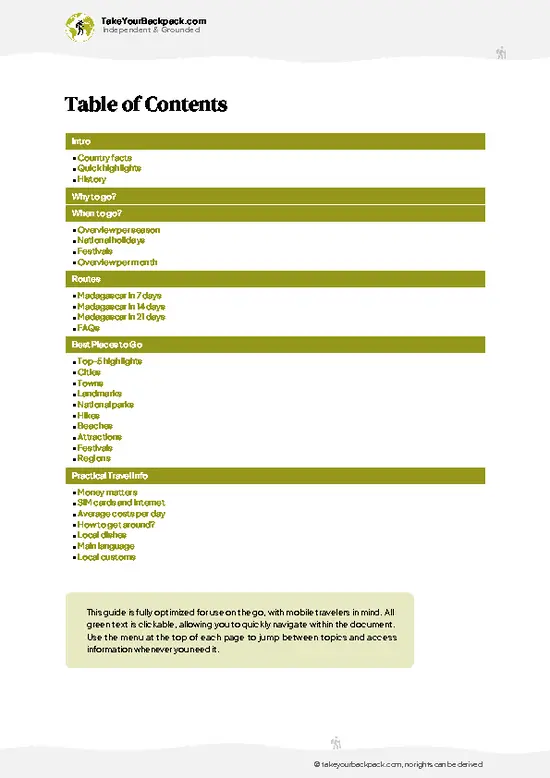
example page 0 from our offline Travel Guide for Madagascar
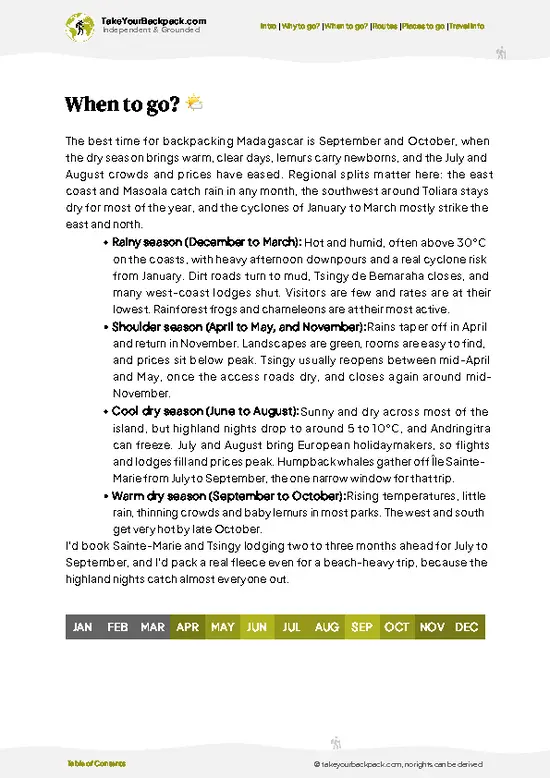
example page 1 from our offline Travel Guide for Madagascar
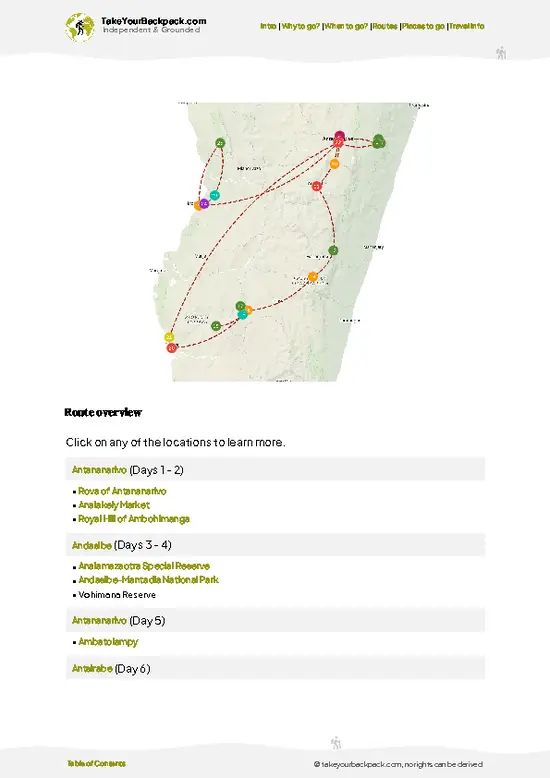
example page 2 from our offline Travel Guide for Madagascar
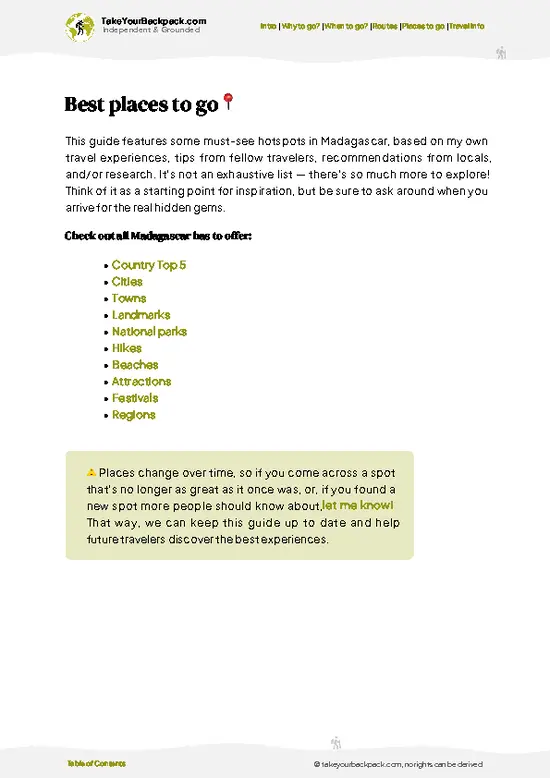
example page 3 from our offline Travel Guide for Madagascar
example page 4 from our offline Travel Guide for Madagascar
example page 5 from our offline Travel Guide for Madagascar
example page 6 from our offline Travel Guide for Madagascar
example page 7 from our offline Travel Guide for Madagascar
The digital guide (418 pages) contains:
110 highlights, ranked by travel appeal
Optimized 7, 14 & 21-day travel routes
Cities, national parks, landmarks, beaches
How to get around
Offline-friendly for travel without Wi-Fi
👉 Click to see all 30+ guide features

📅 Plan smarter in minutes, not weeks
Month by month travel advice
Festivals & national holidays
Budget expectations

🗺️ Go to the right places, skip the overrated ones
Honest pros & cons of destinations
Top hikes, parks & viewpoints
Lesser-known places most travelers miss
Clear “worth it vs skip it” guidance

🛏️ Travel smoothly without rookie mistakes
Best areas to stay
Transport systems explained simply
Common scams & safety advice
SIM cards, money & practical tips

🌍 Understand the country, not just visit it
Culture & traditions
52 Essential phrases & customs
Festivals worth planning around
Traveler-friendly historical context
Insights that make places more meaningful

📱 Built for real travel conditions
Fully downloadable PDF
Works completely offline
Optimized for phone use
Useful in remote areas & buses
Everything in one place
Save weeks of stressful planning
Get instant access to your full guide. 30‑day money-back guarantee.
+ Add another guide for just US$7.80

By proceeding you agree to our terms.
Sent to your inbox immediately after payment • 100% Secure Checkout
Best Backpacking Travel Advisor 2025 tourism awardBest Backpacking
Travel Advisor
2025
What others say about Take Your Backpack Guides:
⭐⭐⭐⭐⭐
Fantastic, amazing amount of information!
⭐⭐⭐⭐⭐
My goodness this is amazing, it's what I've been looking for hats off too you!
⭐⭐⭐⭐⭐
I think this is absolutely BRILLIANT
⭐⭐⭐⭐
Very complete and informative. It's still missing places, but I gotta to commend you
⭐⭐⭐⭐⭐
This is truly amazing, thank you, can't wait to explore it with my kids!
⭐⭐⭐⭐⭐
Awesome resource, thank you!
⭐⭐⭐⭐⭐
This is amazing! Can't wait to explore the ones I haven't seen
⭐⭐⭐⭐
I love this! Well done, great idea.
⭐⭐⭐⭐⭐
Thanks for taking the time to make this gem!
⭐⭐⭐⭐⭐
This might be the best website I've ever seen.
⭐⭐⭐⭐⭐
Congratulations, and thank you so much for your work; it's incredibly valuable.
⭐⭐⭐⭐
In all seriousness I think you did a great job pointing out the important spots
⭐⭐⭐⭐⭐
10/10 very good
⭐⭐⭐⭐⭐
As someone who's only just starting to visit regularly this is awesome, thank you.
⭐⭐⭐⭐
Thank you very much! I'm going to visit my dad, it's going to be very useful!
⭐⭐⭐⭐⭐
This is really cool! We'll be travelling for the first time and this definitely come in handy.
⭐⭐⭐⭐⭐
You are now our minister of culture, congratulations 👨‍💼
⭐⭐⭐⭐⭐
Just wanted to tell you that this is a pearl! Going to follow your recommendations.
⭐⭐⭐⭐⭐
This is so cool. I'll definitely be using the resource for my travels soon.
⭐⭐⭐⭐⭐
This is very impressive! Good work.
⭐⭐⭐⭐⭐
This is an amazing and informative site. Very well done!

🛏️ Where to stay?Best areas and accommodation options

If you’re heading to the Musée de la Photographie de Madagascar, brace yourself: this isn’t your polished, postcard-perfect museum experience. It’s raw, gritty, and deeply rooted in Malagasy culture, which means the surroundings reflect that same authenticity. Now, where to crash? Forget the fancy hotel zones—they’re pricey and sterile. Instead, aim for the neighborhoods just outside the museum’s immediate vicinity where locals live and backpackers mingle.

Antananarivo’s central districts around the museum, like Isoraka and Analakely, are your best bets. These areas buzz with street vendors, … read more 👉
If you’re heading to the Musée de la Photographie de Madagascar, brace yourself: this isn’t your polished, postcard-perfect museum experience. It’s raw, gritty, and deeply rooted in Malagasy culture, which means the surroundings reflect that same authenticity. Now, where to crash? Forget the fancy hotel zones—they’re pricey and sterile. Instead, aim for the neighborhoods just outside the museum’s immediate vicinity where locals live and backpackers mingle.

Antananarivo’s central districts around the museum, like Isoraka and Analakely, are your best bets. These areas buzz with street vendors, small eateries, and a lively mix of locals and travelers. It’s safe enough if you keep your wits, and the social vibe is strong—perfect for solo backpackers looking to swap stories over a cheap meal or a local brew. You’ll find guesthouses and budget lodgings that don’t pretend to be luxury but offer clean beds and a chance to connect with others.

Yes, the streets can be chaotic, and the infrastructure isn’t polished. But that’s the point. Staying here means you’re not just visiting Madagascar’s photographic history—you’re living its present. The real magic is in the everyday hustle, the unexpected conversations, and the chance to see the city through local eyes, not just a sanitized tourist lens.

👛 Costs (as of 3 September 2026)What things cost and how to budget

As of the most recent estimates, the Musée de la Photographie de Madagascar in Antananarivo charges an entrance fee of 20,000 Ariary (approximately €5) for non-residents, 10,000 Ariary (approximately €2.50) for residents, and 2,000 Ariary (approximately €0.50) for young people aged 13 to 25. Children under 12 years old can enter for free. The ticket grants access to the projection rooms and the main exhibition hall. The museum is open from Tuesday to Sunday, 10:00 AM to 5:00 PM, and is closed on Mondays. ([photo-madagascar.com](https://www.photo-madagascar.com/informations-pratiques/?utm_source=openai))

source: photo-madagascar.com
⚠️ Prices can change and everyone travels differently, so take this as a rough guide. Hope it helps you plan your adventure!

FAQTraveler FAQ

1 to 2 hours is sufficient to visit Musée de la Photographie de Madagascar. This allows time to view the permanent and temporary exhibits without rushing. The museum is compact but rich in photographic history.
Yes, Musée de la Photographie de Madagascar is worth the entrance fee, which is typically around 5,000 Ariary. It offers unique insights into Madagascar's cultural and historical photography, making it valuable for photography enthusiasts and cultural travelers.
To get to Musée de la Photographie de Madagascar, head to Antananarivo, the capital city. The museum is located in the city center and is accessible by taxi or local buses from major points in Antananarivo, usually within a 10-15 minute ride from the main train station or bus terminals.
⚠️ Things can change over time, so always validate details locally before you go.

Other Malagasy attractions near Musée de la Photographie de Madagascar

Explore more nearby:


💡 Not sure where to go next?
Create a personalized itinerary for Madagascar including Musée de la Photographie de Madagascar and the places that fit your trip.

Generate my itinerary

👉 Discover all attractions

Or checkout all Madagascar has to offer (think cities, towns, villages, national parks, hikes, beaches, festivals)
Country photo of Madagascar

We 💚 feedbackWhat to keep in mind

The Musée de la Photographie de Madagascar isn’t your typical tourist stop, and that’s exactly why it’s worth your time. The photos capture raw, unfiltered slices of Malagasy life that no glossy travel ad can touch. But heads up: it’s not a polished, easy-in-and-out museum. The layout can feel chaotic, and English info is sparse. If you’re patient and curious, you’ll walk away with a deeper, real connection to Madagascar’s soul.

✈️ When did I visit Madagascar?
Madagascar I went backpacking in October 2019. With a friend I rented a 4WD and drove around the southern part of Madagascar.

✍️ Help improve this page!
The information on this page is based on my own backpacking experience in Madagascar, supplemented with up-to-date research and feedback from other travelers. Travel details can change, so if you notice anything outdated or incomplete, feel free to let me know.


🙋‍♂️ Give feedback

👋 Meet the founderWho’s Behind Take Your Backpack?

Johan, backpacker and founder of TakeYourBackpackHi, I’m Johan (Netherlands 🇳🇱), the creator of TakeYourBackpack. Over the past decade, I’ve backpacked through 80+ countries across six continents, gaining extensive experience with independent travel, long-term trips, and overland routes.

This site is built on a combination of firsthand travel experience and carefully curated insights from other backpackers. Many guides are based on places I’ve personally visited, while others bring together tips, observations, and practical advice shared by trusted travelers I’ve met along the way.

The goal is to provide realistic, experience-driven guidance — not generic itineraries — so you can explore destinations with better context, clearer expectations, and more confidence.

Get full Madagascar guide •
Instant download • 110 highlights • Full Offline guide