×

Madagascar🇲🇬 | townsSakarahasapphire mines, dry bushland, roadside stalls | things to do and best time to go

Explore RanohiraExplore Soanierana Ivongo

Backpacking in Sakaraha
👌 Worth visitingtown ranked #21
By Johan Kruseman 🇳🇱 | Updated September 3, 2026

Forget the idea that Sakaraha is some wild-west gemstone bazaar where every backpacker strikes sapphire. It’s a dusty, sun-baked town in southwest Madagascar, about halfway between Toliara and Isalo National Park. Sakaraha is more pit stop than destination: a place where red earth clings to your boots and the air smells faintly of grilled zebu and diesel. You’ll find a few basic guesthouses, a lively market, and the occasional bush taxi rolling in, but nightlife is a distant rumor. It’s practical—cheaper and less hectic than Toliara, but with fewer comforts and almost no backpacker scene. Most travelers pause here to break up the long, bumpy RN7 journey or to arrange a foray into Zombitse-Vohibasia National Park, just up the road. Safety is typical for rural Madagascar—watch your bag, but the vibe is more sleepy than sketchy.

Discover everything you want to know in the 📖 Madagascar Travel Guide.
Loading the map 🌍
CLICK TO FILTER
cities
towns
villages
landmarks
national parks
hikes
beaches
attractions
festivals
regions
SHOW COUNTRY’S BESTSHOW ALL

✨ Why go?
Ranked #21 town in Madagascar
What makes it a must-see town

Sakaraha serves as a gateway for backpackers heading to Madagascar’s stunning landscapes. Its convenient location makes it easy to access nearby hikes and pristine beaches. The walkable streets invite exploration, while small-scale hostels and guesthouses offer a cozy atmosphere where travelers can connect. You’ll find local food stalls serving up fresh, flavorful dishes that reflect the region’s culture. Most backpackers tend to linger a few days, soaking in the laid-back vibe, making it ideal for slow travelers and solo adventurers. It’s a place where the journey feels as rewarding as the destination.
Want to include Sakaraha in your Madagascar route?
Create a personalized Madagascar itinerary that includes Sakaraha and the places that fit your trip — based on your travel style, budget, and available time. Get your route in seconds.

Generate my trip

💡 HighlightsWhat this place is best known for

  • Marché central de Sakaraha (the town market) — The real heartbeat of the town: noisy vegetable and spice stalls, cheap snacks, local textiles and second-hand clothes. Best in the morning for a proper, colorful slice of daily life.
  • RN7 Zebu/cattle market — A raw, honest slice of Malagasy rural economy: zebu trading, loud bargaining and the odd ceremonial animal. Go early and watch how prices and social ties are negotiated.
  • Bara tombs and aloalo carvings (town cemetery) — You’ll find carved funerary posts and distinct Bara burial traditions inside and just around town. It’s culturally rich but sensitive—ask before photographing and keep respectful distance.
  • Local carvers’ and horn-workers’ workshops — Small, walk-in workshops where artisans shape zebu horn and wood into utilitarian items
read more 👉
  • Marché central de Sakaraha (the town market) — The real heartbeat of the town: noisy vegetable and spice stalls, cheap snacks, local textiles and second-hand clothes. Best in the morning for a proper, colorful slice of daily life.
  • RN7 Zebu/cattle market — A raw, honest slice of Malagasy rural economy: zebu trading, loud bargaining and the odd ceremonial animal. Go early and watch how prices and social ties are negotiated.
  • Bara tombs and aloalo carvings (town cemetery) — You’ll find carved funerary posts and distinct Bara burial traditions inside and just around town. It’s culturally rich but sensitive—ask before photographing and keep respectful distance.
  • Local carvers’ and horn-workers’ workshops — Small, walk-in workshops where artisans shape zebu horn and wood into utilitarian items and souvenirs. Watching a piece come together is way more interesting than buying the same mass-made thing in a tourist shop.
  • Sakaraha taxi-brousse hub / main crossroads — Not glamorous, but invaluable: the place to feel the comings and goings of the region, arrange onward travel on RN7, and snack at roadside food stalls while watching people-watching turn into real life.
  • Local religious buildings (churches & mosques) — Simple, community-run places of worship where local rhythms and languages are visible. If a service is happening and you’re welcome, it’s a great way to meet locals and hear music you won’t hear elsewhere.
  • Traditional healers and medicinal-plant stalls — You’ll often find knowledgeable elders and sellers of traditional remedies in town; conversations about plants, remedies and practices are a grounded way to connect with local knowledge (ask before photographing or recording).
  • Small local eateries and food stalls — Real Malagasy home cooking served cheaply: grilled skewers, rice dishes and fresh fruit. Eating where locals eat is a cultural highlight in its own right—and cheaper than any restaurant guide.
  • Community projects and school visits (with permission) — Sakaraha hosts small education and development projects that welcome respectful visitors. A short visit (ask ahead) gives a meaningful look at daily life and lets you contribute something tangible.
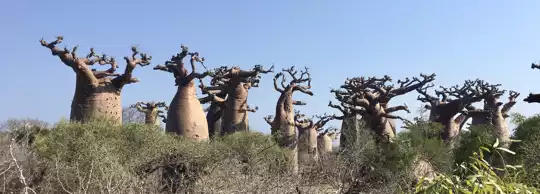
  • Sunset strolls around the town outskirts — Walkable paths just outside the central streets open up to low scrub, classic southwestern light and roadside baobabs or scattered kiosks—simple, free, and a lovely way to end the day.

A few excellent day trips close to Sakaraha are Zombitse-Vohibasia National Park (fantastic for birds and dry-forest wildlife — my personal favorite), the sapphire fields around Ilakaka, and the dramatic canyons of Isalo National Park.
Spotted a mistake or missing something? Contact us.
🏘️ NeighborhoodsNeighborhood guide to Sakaraha

Sakaraha is a vibrant hub for backpackers, offering a mix of local culture and adventure.

Centre Ville: This is the heartbeat of Sakaraha. You’ll find bustling markets and street food stalls. It’s walkable, with affordable guesthouses. The nightlife is lively but not overwhelming, perfect for short stays.

Andranovory: A quieter area, ideal for those seeking a peaceful retreat. It’s a bit farther from the main action, but the tranquility is worth it. Great for longer stays, with cozy lodges and easy access to nature trails.

Ambalavato: This neighborhood has a laid-back vibe, with a few bars and cafes. It’s a good balance between nightlife and relaxation. Transport options are decent, making it suitable for both short and extended visits.

⌛️ 1 dayA smart one-day plan

Sakaraha, Madagascar, is a vibrant town that pulses with the rhythm of daily life, offering a unique glimpse into local culture away from the typical tourist trail. Start your morning at the bustling market, where the air is thick with the scent of fresh spices and ripe tropical fruits. Engage with vendors; their smiles and stories are as rich as the produce they sell.

In the afternoon, head to the nearby Avenue de la Liberté, where you can wander through charming neighborhoods. Stop by the local artisan shops; the handwoven baskets and intricate wood carvings tell tales of craftsmanship passed down through generations. Don’t miss the lesser-known Parc National de Zombitse-Vohibasia, a short drive away. The quiet trails here reveal endemic wildlife and stunning landscapes, rewarding your … read more 👉
Sakaraha, Madagascar, is a vibrant town that pulses with the rhythm of daily life, offering a unique glimpse into local culture away from the typical tourist trail. Start your morning at the bustling market, where the air is thick with the scent of fresh spices and ripe tropical fruits. Engage with vendors; their smiles and stories are as rich as the produce they sell.

In the afternoon, head to the nearby Avenue de la Liberté, where you can wander through charming neighborhoods. Stop by the local artisan shops; the handwoven baskets and intricate wood carvings tell tales of craftsmanship passed down through generations. Don’t miss the lesser-known Parc National de Zombitse-Vohibasia, a short drive away. The quiet trails here reveal endemic wildlife and stunning landscapes, rewarding your effort with a sense of solitude and connection to nature.

As evening falls, find a local eatery to savor a plate of romazava, a traditional Malagasy stew. The warmth of the food mirrors the hospitality of the people, wrapping up your day in Sakaraha with a sense of belonging and discovery.
Turn your Sakaraha visit into an Madagascar adventure
Build a complete Madagascar route with Sakaraha, hidden gems, must-see destinations, and realistic travel times included.

Generate my trip

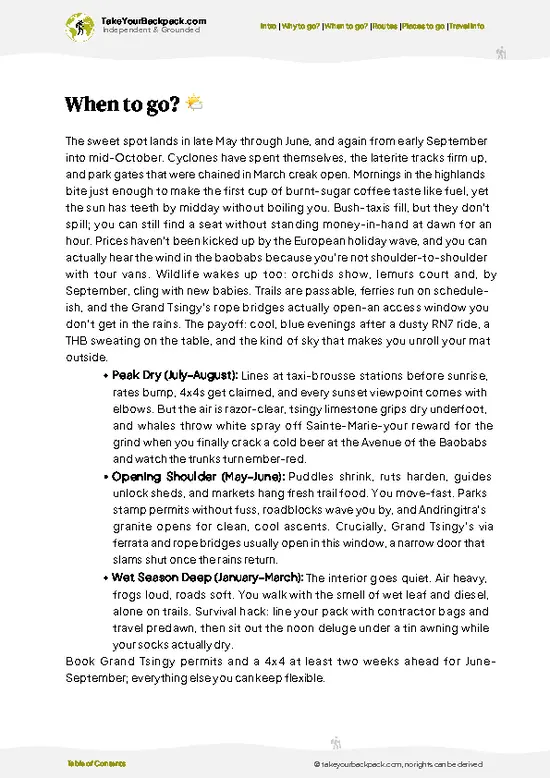
🌤️ When to go?Choosing the right time of year


  • Weather: The dry season from May to October is your best bet—clear skies, minimal rain, and dusty trails that won’t turn into mud baths.

  • Temperature: Daytime highs hover around 22-28°C (72-82°F), perfect for hiking without overheating; nights can dip to 10°C (50°F), so pack layers.

  • Daylight Hours: Expect about 11-12 hours of daylight, enough to start early and explore without rushing before sunset.

  • Crowds: Tourist numbers peak in July and August; visiting shoulder months like May or September means fewer people and a quieter vibe.

  • Seasonal Activities: Dry months are ideal for spotting wildlife and trekking to the nearby Isalo National Park without the hassle of slippery paths.

  • Price Fluctuations: Accommodation and transport costs rise during peak season; traveling just before
read more 👉

  • Weather: The dry season from May to October is your best bet—clear skies, minimal rain, and dusty trails that won’t turn into mud baths.

  • Temperature: Daytime highs hover around 22-28°C (72-82°F), perfect for hiking without overheating; nights can dip to 10°C (50°F), so pack layers.

  • Daylight Hours: Expect about 11-12 hours of daylight, enough to start early and explore without rushing before sunset.

  • Crowds: Tourist numbers peak in July and August; visiting shoulder months like May or September means fewer people and a quieter vibe.

  • Seasonal Activities: Dry months are ideal for spotting wildlife and trekking to the nearby Isalo National Park without the hassle of slippery paths.

  • Price Fluctuations: Accommodation and transport costs rise during peak season; traveling just before or after can save you a decent chunk of cash.


Pro-tip: Aim for early May or late September—cool, dry, and calm—so you get the full rugged charm of Sakaraha without the crowds or the mud.


source: climatestotravel.comJANJanuary: fair for travelingFEBFebruary: below average for travelingMARMarch: fair for travelingAPRApril: good for travelingMAYMay: excellent for travelingJUNJune: highly recommended for travelingJULJuly: highly recommended for travelingAUGAugust: highly recommended for travelingSEPSeptember: excellent for travelingOCTOctober: highly recommended for travelingNOVNovember: fair for travelingDECDecember: fair for traveling
when-to-go

✈️ The backpacker research shortcutMadagascar Travel Guide

An offline-friendly backpacking guide with optimized travel routes, ranked highlights, transport advice, and the best areas to stay.
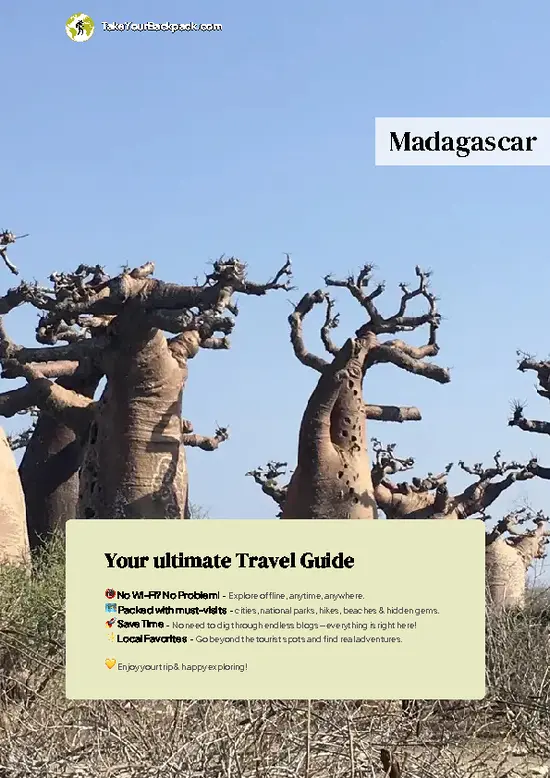
example page 0 from our offline Travel Guide for Madagascar
example page 1 from our offline Travel Guide for Madagascar
example page 2 from our offline Travel Guide for Madagascar
example page 3 from our offline Travel Guide for Madagascar
example page 4 from our offline Travel Guide for Madagascar
example page 5 from our offline Travel Guide for Madagascar
example page 6 from our offline Travel Guide for Madagascar
example page 7 from our offline Travel Guide for Madagascar
The digital guide (418 pages) contains:
110 highlights, ranked by travel appeal
Optimized 7, 14 & 21-day travel routes
Cities, national parks, landmarks, beaches
How to get around
Offline-friendly for travel without Wi-Fi
👉 Click to see all 30+ guide features

📅 Plan smarter in minutes, not weeks
Month by month travel advice
Festivals & national holidays
Budget expectations

🗺️ Go to the right places, skip the overrated ones
Honest pros & cons of destinations
Top hikes, parks & viewpoints
Lesser-known places most travelers miss
Clear “worth it vs skip it” guidance

🛏️ Travel smoothly without rookie mistakes
Best areas to stay
Transport systems explained simply
Common scams & safety advice
SIM cards, money & practical tips

🌍 Understand the country, not just visit it
Culture & traditions
52 Essential phrases & customs
Festivals worth planning around
Traveler-friendly historical context
Insights that make places more meaningful

📱 Built for real travel conditions
Fully downloadable PDF
Works completely offline
Optimized for phone use
Useful in remote areas & buses
Everything in one place
Save weeks of stressful planning
Get instant access to your full guide. 30‑day money-back guarantee.
+ Add another guide for just US$7.80

By proceeding you agree to our terms.
Sent to your inbox immediately after payment • 100% Secure Checkout
Best Backpacking Travel Advisor 2025 tourism awardBest Backpacking
Travel Advisor
2025
What others say about Take Your Backpack Guides:
⭐⭐⭐⭐⭐
Fantastic, amazing amount of information!
⭐⭐⭐⭐⭐
My goodness this is amazing, it's what I've been looking for hats off too you!
⭐⭐⭐⭐⭐
I think this is absolutely BRILLIANT
⭐⭐⭐⭐
Very complete and informative. It's still missing places, but I gotta to commend you
⭐⭐⭐⭐⭐
This is truly amazing, thank you, can't wait to explore it with my kids!
⭐⭐⭐⭐⭐
Awesome resource, thank you!
⭐⭐⭐⭐⭐
This is amazing! Can't wait to explore the ones I haven't seen
⭐⭐⭐⭐
I love this! Well done, great idea.
⭐⭐⭐⭐⭐
Thanks for taking the time to make this gem!
⭐⭐⭐⭐⭐
This might be the best website I've ever seen.
⭐⭐⭐⭐⭐
Congratulations, and thank you so much for your work; it's incredibly valuable.
⭐⭐⭐⭐
In all seriousness I think you did a great job pointing out the important spots
⭐⭐⭐⭐⭐
10/10 very good
⭐⭐⭐⭐⭐
As someone who's only just starting to visit regularly this is awesome, thank you.
⭐⭐⭐⭐
Thank you very much! I'm going to visit my dad, it's going to be very useful!
⭐⭐⭐⭐⭐
This is really cool! We'll be travelling for the first time and this definitely come in handy.
⭐⭐⭐⭐⭐
You are now our minister of culture, congratulations 👨‍💼
⭐⭐⭐⭐⭐
Just wanted to tell you that this is a pearl! Going to follow your recommendations.
⭐⭐⭐⭐⭐
This is so cool. I'll definitely be using the resource for my travels soon.
⭐⭐⭐⭐⭐
This is very impressive! Good work.
⭐⭐⭐⭐⭐
This is an amazing and informative site. Very well done!

🛏️ Where to stay?Best areas and accommodation options

In Sakaraha, backpackers find their rhythm best around the town center near the main market. This area hums with local life—the scent of fresh zebu meat grilling, the chatter of vendors, and the warm, dusty light of late afternoon. It’s safe enough to wander after dark, with a steady flow of fellow travelers and budget lodgings that lean toward simple hostels or guesthouses. Staying here means you’re plugged into the social pulse, where swapping stories over a cheap meal is effortless. Other parts of town feel quieter and less connected, making the center the natural hub for solo adventurers craving both security and camaraderie.

🚌 Getting aroundHow to get around Sakaraha

Sakaraha moves at its own rhythm—less a clock-driven town and more a place where the sun’s position and the chatter of locals set the pace. The air carries the dry scent of spiny forest and dust, and the streets hum with a mix of motorbikes, zebu carts, and pedestrians weaving through the midday heat. You won’t find strict timetables here; instead, transit is a dance of intuition and local cues. Knowing when and how to move means tuning into this flow, which rewards patience and a willingness to blend in rather than rush.


  • Walking: The most reliable and immersive way to get around. Distances between key spots are manageable, and walking lets you soak in the cracked earth, roadside stalls, and the occasional waft of grilled meat. No cost, but bring water and sun protection.

  • Taxi-Brousse:
read more 👉
Sakaraha moves at its own rhythm—less a clock-driven town and more a place where the sun’s position and the chatter of locals set the pace. The air carries the dry scent of spiny forest and dust, and the streets hum with a mix of motorbikes, zebu carts, and pedestrians weaving through the midday heat. You won’t find strict timetables here; instead, transit is a dance of intuition and local cues. Knowing when and how to move means tuning into this flow, which rewards patience and a willingness to blend in rather than rush.


  • Walking: The most reliable and immersive way to get around. Distances between key spots are manageable, and walking lets you soak in the cracked earth, roadside stalls, and the occasional waft of grilled meat. No cost, but bring water and sun protection.

  • Taxi-Brousse: These shared minibuses are the backbone of regional travel. They leave when full, so timing is flexible but unpredictable. Expect a dusty, bumpy ride for about 5,000-7,000 MGA per trip. Comfort is basic, but it’s the fastest way to reach nearby towns.

  • Motorbike Taxis: Quick and nimble, these dart through traffic and can get you across town in minutes. Negotiate fares upfront—usually around 1,000-2,000 MGA for short hops. Helmets are rare, so hold on tight and enjoy the wind and dust.

  • Zebu Cart: Slow but authentic, these carts offer a glimpse into rural life. They’re not for speed but for experience, often used for short hauls or carrying goods. Prices vary, so haggle gently.

👛 Costs (as of 3 September 2026)Travel costs and budget guide for Sakaraha

Backpacking in Sakaraha, Madagascar, means embracing a raw, off-the-beaten-path vibe where every dollar counts and every experience feels earned. Here’s how your daily costs typically break down:
  • Dorm Accommodation: Expect to pay around €5 to €10 per night for a basic dorm bed. Options are limited and simple—think mosquito nets, shared bathrooms, and a fan if you’re lucky. It’s not luxury, but it’s enough to crash after a day exploring.
  • Meals: Local eateries serve up hearty Malagasy dishes for about €2 to €4 per meal. Rice with zebu meat or fresh veggies is the norm. Street food snacks like sambos (fried pastries) cost less than a euro. Cooking your own food is rare here, so budget for three meals a day.
  • Local Transport: Getting around means relying on bush taxis or shared minibuses, which
read more 👉
Backpacking in Sakaraha, Madagascar, means embracing a raw, off-the-beaten-path vibe where every dollar counts and every experience feels earned. Here’s how your daily costs typically break down:
  • Dorm Accommodation: Expect to pay around €5 to €10 per night for a basic dorm bed. Options are limited and simple—think mosquito nets, shared bathrooms, and a fan if you’re lucky. It’s not luxury, but it’s enough to crash after a day exploring.
  • Meals: Local eateries serve up hearty Malagasy dishes for about €2 to €4 per meal. Rice with zebu meat or fresh veggies is the norm. Street food snacks like sambos (fried pastries) cost less than a euro. Cooking your own food is rare here, so budget for three meals a day.
  • Local Transport: Getting around means relying on bush taxis or shared minibuses, which cost roughly €1 to €3 for short trips around town or nearby villages. If you want to hire a private taxi for a day trip, expect to pay closer to €15 to €25, depending on distance.
  • Basic Activities/Entry Fees: Entrance to local parks or natural sites near Sakaraha usually runs between €3 and €7. Guided tours, if you opt for one, can push that up to €15 or more, but going solo is doable if you’re comfortable navigating.
  • Miscellaneous Expenses: This includes bottled water, snacks, phone credit, or small tips. Budget around €1 to €3 daily. Keep in mind, clean drinking water isn’t always available, so bottled water is a must.

All told, you’re looking at roughly €12 to €30 per day to keep things rolling in Sakaraha. It’s a place where simplicity rules, and the modest budget reflects the straightforward lifestyle. The payoff is in the raw landscapes and genuine local encounters, not in polished tourist infrastructure.


source: madagascar-tourisme.com
⚠️ Prices can change and everyone travels differently, so take this as a rough guide. Hope it helps you plan your adventure!

🚌 Day tripsEasy escapes and nearby places

Sakaraha is a backpacker’s dream base, offering easy access to Madagascar’s wild heart. The vibrant local markets and the scent of spices in the air set the stage for your adventures. Here are some day trips that will elevate your experience.

Isalo National Park
A must-do, Isalo’s rugged landscapes are a feast for the eyes. The drive takes about two hours, and you’ll want to budget around $10 for transport. Hike through canyons and past natural pools, where the sun filters through the rock formations, creating a magical glow. The best time to visit is during the dry season, from May to October. Many first-timers underestimate the park’s size; plan for a full day to soak it all in.
👉 Explore Isalo National Park

Ranohira Village
Just a short ride from Sakaraha, Ranohira offers a glimpse … read more 👉
Sakaraha is a backpacker’s dream base, offering easy access to Madagascar’s wild heart. The vibrant local markets and the scent of spices in the air set the stage for your adventures. Here are some day trips that will elevate your experience.

Isalo National Park
A must-do, Isalo’s rugged landscapes are a feast for the eyes. The drive takes about two hours, and you’ll want to budget around $10 for transport. Hike through canyons and past natural pools, where the sun filters through the rock formations, creating a magical glow. The best time to visit is during the dry season, from May to October. Many first-timers underestimate the park’s size; plan for a full day to soak it all in.
👉 Explore Isalo National Park

Ranohira Village
Just a short ride from Sakaraha, Ranohira offers a glimpse into local life. The journey takes about 30 minutes, costing around $5. Explore the village, meet friendly locals, and enjoy a traditional meal. The atmosphere is relaxed, perfect for unwinding after a day of hiking. Avoid rushing; take your time to connect with the community.


Tsimanampetsotsa National Park
This park is about an hour away and costs roughly $15 for transport. It’s a unique ecosystem, home to stunning baobabs and flamingos. The best time to visit is early morning when the light dances on the water. Many travelers miss the chance to explore the park’s hidden trails; don’t be one of them.
Want to know what more Madagascar offers?
The Madagascar Travel Guide describes 110 highlights, from cities to national parks, from beaches to hikes

Get the Travel Guide -

🛡️ SafetyStaying Safe: What Travelers Should Know

Sakaraha is generally safe, but a few practical tips can enhance your experience. Stay aware in crowded markets; pickpockets can be sneaky. If you’re wandering solo at night, stick to well-lit areas and keep your belongings close.

Common scams are rare, but some locals might overcharge for services. Always agree on prices upfront, especially for transport. The atmosphere is relaxed, but a confident demeanor goes a long way. Engage with locals; they appreciate genuine interest, which can lead to authentic experiences.

FAQCommon questions from travelers

Sakaraha is worth visiting primarily for its proximity to the Isalo National Park, a major attraction in Madagascar. The town itself is small and serves mostly as a gateway for park visitors rather than a destination with many attractions. It is best appreciated as a stopover for those exploring the natural landscapes nearby.
You need about 2 to 3 days in Sakaraha to fully explore Isalo National Park and enjoy the local surroundings. This allows time for hiking, wildlife spotting, and visiting natural pools and canyons within the park. Staying overnight in Sakaraha or nearby is recommended to maximize the experience.
Yes, Sakaraha can be visited as a day trip from nearby towns such as Ilakaka or Ranohira, but it will be a long day due to travel times. The distance from Ranohira to Sakaraha is approximately 60 kilometers, which can take around 1.5 to 2 hours by car. For a more relaxed visit, an overnight stay is preferable.
⚠️ Things can change over time, so always validate details locally before you go.

Other Malagasy towns near Sakaraha

Explore more nearby:

  • Ranohira—Isalo park access, sandstone cliffs, small hotels| 100 km away
  • Betroka—barren plateaus, Bara cattle herders, southern crossroads| 166 km away
  • Ambalavao—granite outcrops, zebu markets, Antemoro paper workshops| 275 km away

💡 Not sure where to go next?
Create a personalized itinerary for Madagascar including Sakaraha and the places that fit your trip.

Generate my itinerary

👉 Discover all towns

Or checkout all Madagascar has to offer (think cities, towns, villages, national parks, hikes, beaches, festivals)
Country photo of Madagascar

We 💚 feedbackKey takeaways before you go

Sakaraha’s allure lies in its raw, untouched beauty. The air is thick with the scent of baobabs, and the sunsets paint the sky in fiery hues. But be ready for the dust and bumpy roads; they’re part of the adventure. Embrace the grit, and the rewards will follow.

✈️ When did I visit Madagascar?
Madagascar I went backpacking in October 2019. With a friend I rented a 4WD and drove around the southern part of Madagascar.

✍️ Help improve this page!
The information on this page is based on my own backpacking experience in Madagascar, supplemented with up-to-date research and feedback from other travelers. Travel details can change, so if you notice anything outdated or incomplete, feel free to let me know.


🙋‍♂️ Give feedback

👋 Meet the founderWho’s Behind Take Your Backpack?

Johan, backpacker and founder of TakeYourBackpackHi, I’m Johan (Netherlands 🇳🇱), the creator of TakeYourBackpack. Over the past decade, I’ve backpacked through 80+ countries across six continents, gaining extensive experience with independent travel, long-term trips, and overland routes.

This site is built on a combination of firsthand travel experience and carefully curated insights from other backpackers. Many guides are based on places I’ve personally visited, while others bring together tips, observations, and practical advice shared by trusted travelers I’ve met along the way.

The goal is to provide realistic, experience-driven guidance — not generic itineraries — so you can explore destinations with better context, clearer expectations, and more confidence.

Get full Madagascar guide •
Instant download • 110 highlights • Full Offline guide