×

Malawi🇲🇼 | townsKasunguMiombo park gateway, Kamuzu Academy, woodcarvers, compact town | things to do and best time to go

Explore NtcheuExplore Dowa

Backpacking in Kasungu
🌟 Highlighttown ranked #5
By Johan Kruseman 🇳🇱 | Updated October 22, 2026

Years ago Kasungu was a place you passed through with the windows up, a petrol-and-maize stop on the long road north. Today it is a small, dusty trading town in the central region of Malawi, and travelers stop on purpose, mostly for the national park on its doorstep. Streets are red dirt at the edges, loud with minibus horns and bicycle taxis, and the market smells of smoke, fried dough and dried fish. You get a plate of chicken and nsima for pennies and a seat among locals. Evenings are quiet, with a few guesthouses and bars, so meeting other backpackers takes luck, usually among safari-bound travelers. Buses from Lilongwe and Mzuzu make it easy to reach. Unlike Lilongwe, which is a sprawling capital of errands, Kasungu is compact enough to cross on foot before lunch.

Discover everything you want to know in the 📖 Malawi Travel Guide.


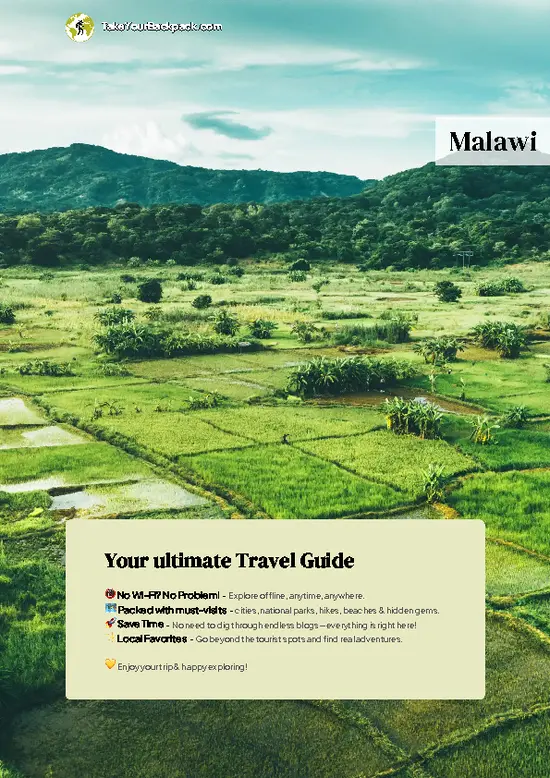
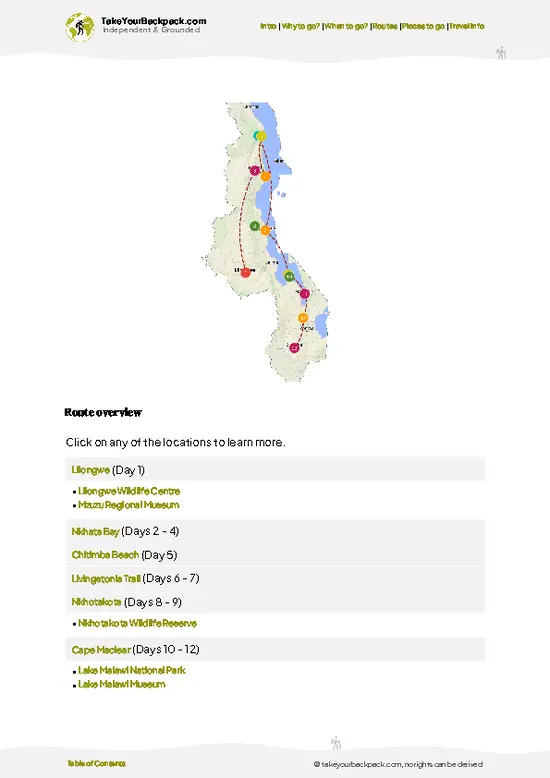
example page 0 from our offline Travel Guide for Malawi
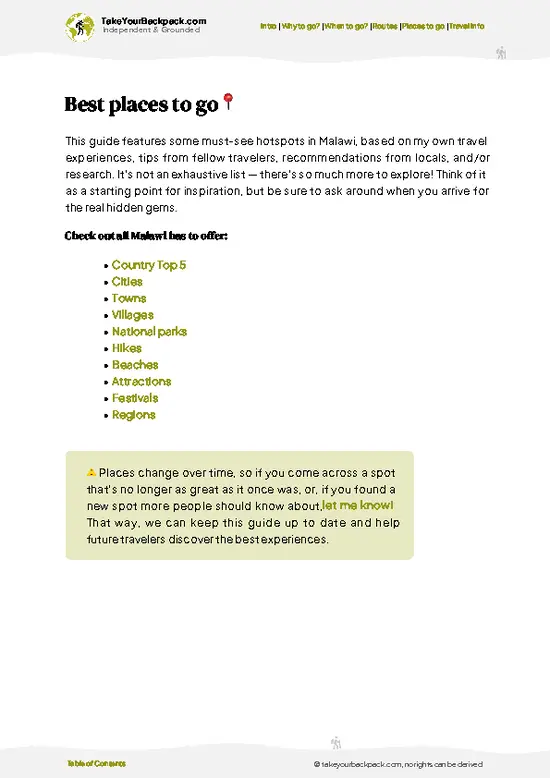
example page 1 from our offline Travel Guide for Malawi
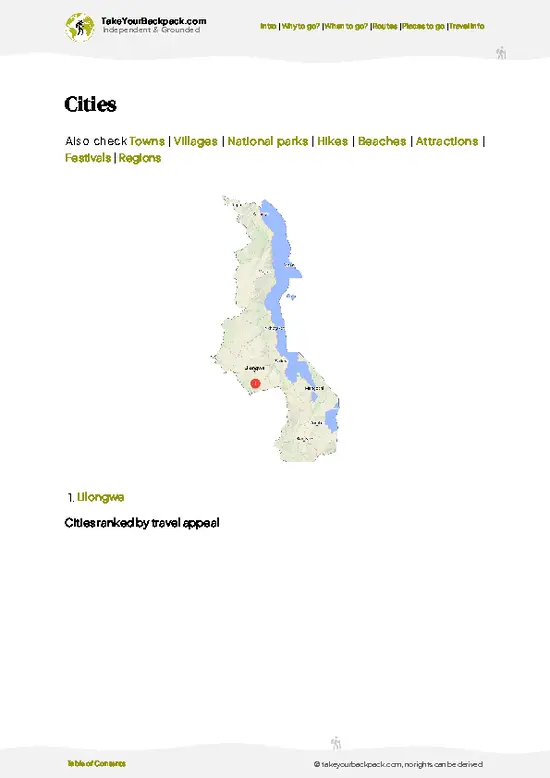
example page 2 from our offline Travel Guide for Malawi
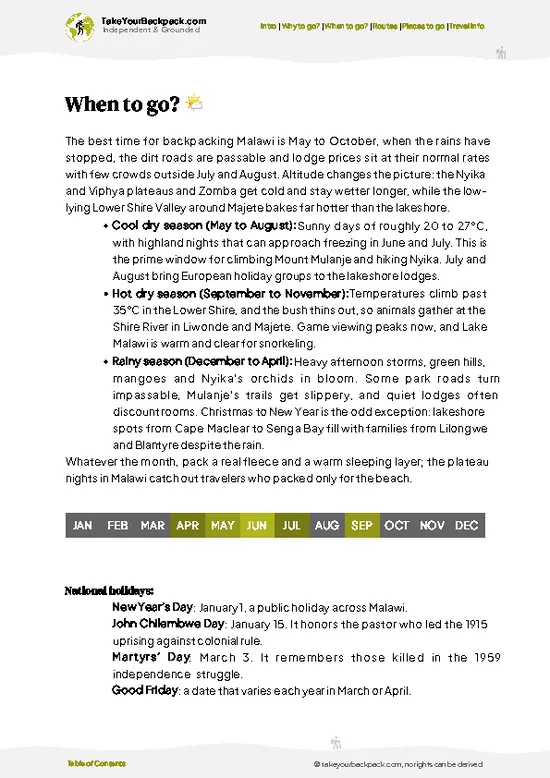
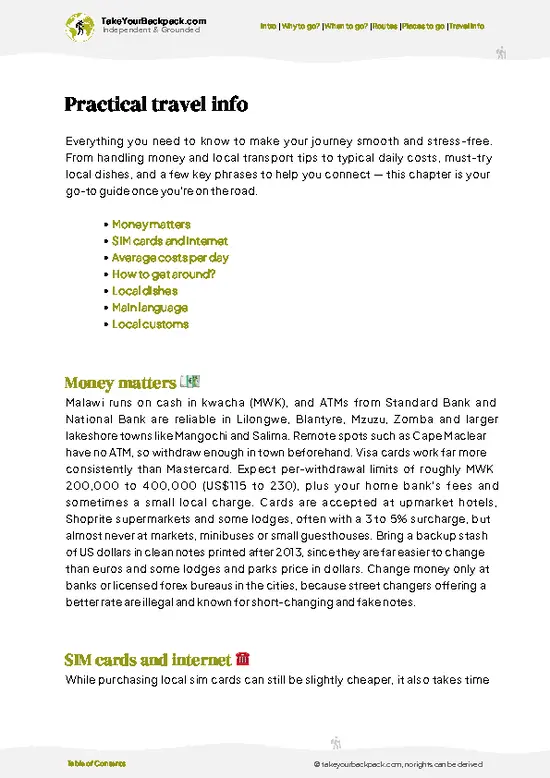
example page 3 from our offline Travel Guide for Malawi
example page 4 from our offline Travel Guide for Malawi
example page 5 from our offline Travel Guide for Malawi
example page 6 from our offline Travel Guide for Malawi
example page 7 from our offline Travel Guide for Malawi
Loading the map 🌍
CLICK TO FILTER
cities
towns
villages
national parks
hikes
beaches
attractions
festivals
regions
SHOW COUNTRY’S BESTSHOW ALL

✨ Why go?
Ranked #5 town in Malawi
Why visitors keep coming back

Kasungu works as a launch pad for Kasungu National Park, one of Malawi’s largest parks, where miombo woodland, elephants and open dambos replace the crowded lake scene. Most travelers stay one or two nights: one to sort out the park, another to recover. The town itself is small and walkable, with a lively central market where you can eat cheaply and watch daily trade, and a handful of simple guesthouses where owners tend to chat. It suits solo travelers who like unscripted days, wildlife lovers on a tight budget, and slow travelers breaking up the road between Lilongwe and the north. It does not suit anyone after nightlife or a big hostel crowd. Expect early starts, dust, and conversations that begin with a handshake. The Kamuzu Academy area, with its Greek-columned campus, adds a quirky story to the stay.

💡 HighlightsDon't-miss highlights and experiences

  1. Kasungu National Park: The town’s headline draw, about 30 minutes from the center by vehicle. Miombo woodland shelters elephants, buffalo, antelope and many birds, and game drives or guided walks fit here. Go in the dry months for easier sightings. Entry runs about US$10 to 20 plus a vehicle fee, and a half day to full day is right.
  2. Kasungu Central Market: Stalls of tomatoes, dried fish, secondhand clothes and tin-roofed food counters. Go in the morning when produce is freshest. Free to wander, and a meal of nsima with relish costs about US$1 to 2. Allow one to two hours.
  3. Kamuzu Academy: A boarding school founded by Malawi’s first president, built in a British public school style with columned buildings and a Latin and Greek curriculum. Visits depend on permission at the gate, so ask politely
… read more 👉
  1. Kasungu National Park: The town’s headline draw, about 30 minutes from the center by vehicle. Miombo woodland shelters elephants, buffalo, antelope and many birds, and game drives or guided walks fit here. Go in the dry months for easier sightings. Entry runs about US$10 to 20 plus a vehicle fee, and a half day to full day is right.
  2. Kasungu Central Market: Stalls of tomatoes, dried fish, secondhand clothes and tin-roofed food counters. Go in the morning when produce is freshest. Free to wander, and a meal of nsima with relish costs about US$1 to 2. Allow one to two hours.
  3. Kamuzu Academy: A boarding school founded by Malawi’s first president, built in a British public school style with columned buildings and a Latin and Greek curriculum. Visits depend on permission at the gate, so ask politely and go on a weekday morning. Allow about one hour.
  4. Chamama Hill area lookout: A short climb on the edge of town gives a wide view over rooftops, maize fields and woodland. Late afternoon is cooler and softer for photos. It is free and takes about one to two hours round trip, ideally with a local guide.
  5. Roadside craft and woodcarving stalls: Along the main road you find carved animals, baskets and stools. Prices are negotiable, and mornings are calmer for bargaining. Expect to spend US$2 to 15 for a piece and 30 to 45 minutes.
For day trips beyond the town, look to the Lake Malawi shoreline at Nkhotakota and the forest reserves toward Dwangwa. Start with Kasungu National Park, because its best wildlife viewing happens in the cool early hours and the rest of the town fits around that.
Spotted a mistake or missing something? Contact us.

Things to do near Kasungu

Ratings based on Tripadvisor reviews. When you book through this link, you support our work at no extra cost to you.

🏘️ NeighborhoodsUnderstanding the local layout

Kasungu is a compact trading town on the M1 highway, and everything a backpacker needs sits within a few dusty kilometers of the main road.
  • Main Market and Bus Stage: The loudest, most useful corner. Vendors stack tomatoes, dried fish and secondhand clothes under tarps, minibus conductors shout destinations, and diesel haze hangs in the afternoon heat. Walk it in the morning, then eat a plate of nsima with beans from a stall counter for the sort of lunch locals actually have.
  • Along the M1 Strip: Banks, ATMs, supermarkets, fuel stations and roadside grills line the highway. It is flat and walkable, though trucks rattle past and shade is thin. Grilled chicken and chips at dusk, eaten at a plastic table, is the payoff.
  • Chipala and Residential Quarters: Quieter streets of brick houses, mango trees
… read more 👉
Kasungu is a compact trading town on the M1 highway, and everything a backpacker needs sits within a few dusty kilometers of the main road.
  • Main Market and Bus Stage: The loudest, most useful corner. Vendors stack tomatoes, dried fish and secondhand clothes under tarps, minibus conductors shout destinations, and diesel haze hangs in the afternoon heat. Walk it in the morning, then eat a plate of nsima with beans from a stall counter for the sort of lunch locals actually have.
  • Along the M1 Strip: Banks, ATMs, supermarkets, fuel stations and roadside grills line the highway. It is flat and walkable, though trucks rattle past and shade is thin. Grilled chicken and chips at dusk, eaten at a plastic table, is the payoff.
  • Chipala and Residential Quarters: Quieter streets of brick houses, mango trees and kids playing football on bare earth. Roosters wake you early and the nights are dark and calm. Wander here for a glimpse of ordinary Kasungu life and friendly greetings.
  • Kasungu National Park Road: West of town, a rough road runs toward the park gate, about 30 km away. It is not walkable, but the red dirt, miombo woodland and the chance of elephants at the end make the ride the point.

⌛️ 1 dayA smart one-day plan

7:00 AM, Kasungu National Park: Do not skip it. Arrange a vehicle or guide the day before and reach the gate early, when elephants and antelope are most active and the air is cool. Spend about three hours on a game drive or guided walk, then return to town.
11:00 AM, Kamuzu Academy: Ask at the gate for a look at the columned buildings and manicured grounds. It is a surprising sight among the farm fields, and a short ride from the center by taxi or bicycle taxi.
12:30 PM, Central Market: Walk the stalls and eat nsima with chicken or beans at a food counter. The noise, smoke and haggling are the point, so linger a bit.
2:30 PM, Roadside carvers: Browse woodcarvings and baskets at the stalls on the main road. Bargain gently and move on when the heat peaks.
4:00 PM, Chamama Hill lookout: Less visited, … read more 👉
7:00 AM, Kasungu National Park: Do not skip it. Arrange a vehicle or guide the day before and reach the gate early, when elephants and antelope are most active and the air is cool. Spend about three hours on a game drive or guided walk, then return to town.
11:00 AM, Kamuzu Academy: Ask at the gate for a look at the columned buildings and manicured grounds. It is a surprising sight among the farm fields, and a short ride from the center by taxi or bicycle taxi.
12:30 PM, Central Market: Walk the stalls and eat nsima with chicken or beans at a food counter. The noise, smoke and haggling are the point, so linger a bit.
2:30 PM, Roadside carvers: Browse woodcarvings and baskets at the stalls on the main road. Bargain gently and move on when the heat peaks.
4:00 PM, Chamama Hill lookout: Less visited, this short climb on the town edge brings a wide view over fields and woodland. Go with a local guide and take water.
6:00 PM, Guesthouse terrace: Finish with a cold drink and a simple dinner. Evenings are quiet, so use the time to swap tips with other guests.

🌤️ When to go?Weather, crowds, and seasonal trade-offs

May to August is the most comfortable window for Kasungu, with dry days and cool, crisp mornings.
  • Cool Dry Season (May to August): Daytime highs of 22 to 27°C (72 to 81°F), nights as low as 8 to 12°C (46 to 54°F). Roads are firm and the park is easiest to explore. Prices stay modest.
  • Hot Season (September to November): Highs reach 30 to 35°C (86 to 95°F). Grass thins, so wildlife is easier to spot at waterholes, but afternoons are punishing.
  • Rainy Season (December to April): Highs of 26 to 30°C (79 to 86°F) with heavy downpours. Dirt roads turn to mud, park tracks can close, and the landscape glows green. Fewer travelers and lower lodging rates.
  • Daylight: Days run about 11 to 13 hours across the year, so plan travel for the morning.
Book park transport early in July and August, when Malawian school holidays and visiting groups fill vehicles.

source: climatestotravel.comJANJanuary: fair for travelingFEBFebruary: fair for travelingMARMarch: fair for travelingAPRApril: fair for travelingMAYMay: highly recommended for travelingJUNJune: highly recommended for travelingJULJuly: excellent for travelingAUGAugust: excellent for travelingSEPSeptember: highly recommended for travelingOCTOctober: highly recommended for travelingNOVNovember: fair for travelingDECDecember: fair for traveling
when-to-go

✈️ The backpacker research shortcutMalawi Travel Guide

An offline-friendly backpacking guide with optimized travel routes, ranked highlights, transport advice, and the best areas to stay.
example page 0 from our offline Travel Guide for Malawi
example page 1 from our offline Travel Guide for Malawi
example page 2 from our offline Travel Guide for Malawi
example page 3 from our offline Travel Guide for Malawi
example page 4 from our offline Travel Guide for Malawi
example page 5 from our offline Travel Guide for Malawi
example page 6 from our offline Travel Guide for Malawi
example page 7 from our offline Travel Guide for Malawi
The digital guide (263 pages) contains:
✅ 65 highlights, ranked by travel appeal
✅ Optimized 5, 10 & 15-day travel routes
✅ Cities, national parks, landmarks, beaches
✅ How to get around
✅ Offline-friendly for travel without Wi-Fi
👉 Click to see all 30+ guide features

📅 Plan smarter in minutes, not weeks
✅ Month by month travel advice
✅ Festivals & national holidays
✅ Budget expectations

🗺️ Go to the right places, skip the overrated ones
✅ Honest pros & cons of destinations
✅ Top hikes, parks & viewpoints
✅ Lesser-known places most travelers miss
✅ Clear “worth it vs skip it” guidance

🛏️ Travel smoothly without rookie mistakes
✅ Best areas to stay
✅ Transport systems explained simply
✅ Common scams & safety advice
✅ SIM cards, money & practical tips

🌍 Understand the country, not just visit it
✅ Culture & traditions
✅ 52 Essential phrases & customs
✅ Festivals worth planning around
✅ Traveler-friendly historical context
✅ Insights that make places more meaningful

📱 Built for real travel conditions
✅ Fully downloadable PDF
✅ Works completely offline
✅ Optimized for phone use
✅ Useful in remote areas & buses
✅ Everything in one place
Stop searching, start planning
Get instant access to your full guide. 30‑day money-back guarantee.
+ Add another guide for just

By proceeding you agree to our terms.
Sent to your inbox immediately after payment • 100% Secure Checkout
Best Backpacking Travel Advisor 2025 tourism awardBest Backpacking
Travel Advisor
2025
What others say about Take Your Backpack Guides:
⭐⭐⭐⭐⭐
Fantastic, amazing amount of information!
⭐⭐⭐⭐⭐
My goodness this is amazing, it's what I've been looking for hats off too you!
⭐⭐⭐⭐⭐
I think this is absolutely BRILLIANT
⭐⭐⭐⭐
Very complete and informative. It's still missing places, but I gotta to commend you
⭐⭐⭐⭐⭐
This is truly amazing, thank you, can't wait to explore it with my kids!
⭐⭐⭐⭐⭐
Awesome resource, thank you!
⭐⭐⭐⭐⭐
This is amazing! Can't wait to explore the ones I haven't seen
⭐⭐⭐⭐
I love this! Well done, great idea.
⭐⭐⭐⭐⭐
Thanks for taking the time to make this gem!
⭐⭐⭐⭐⭐
This might be the best website I've ever seen.
⭐⭐⭐⭐⭐
Congratulations, and thank you so much for your work; it's incredibly valuable.
⭐⭐⭐⭐
In all seriousness I think you did a great job pointing out the important spots
⭐⭐⭐⭐⭐
10/10 very good
⭐⭐⭐⭐⭐
As someone who's only just starting to visit regularly this is awesome, thank you.
⭐⭐⭐⭐
Thank you very much! I'm going to visit my dad, it's going to be very useful!
⭐⭐⭐⭐⭐
This is really cool! We'll be travelling for the first time and this definitely come in handy.
⭐⭐⭐⭐⭐
You are now our minister of culture, congratulations 👨‍💼
⭐⭐⭐⭐⭐
Just wanted to tell you that this is a pearl! Going to follow your recommendations.
⭐⭐⭐⭐⭐
This is so cool. I'll definitely be using the resource for my travels soon.
⭐⭐⭐⭐⭐
This is very impressive! Good work.
⭐⭐⭐⭐⭐
This is an amazing and informative site. Very well done!

🛏️ Where to stay?Choosing the right base

The best area for a budget bed in Kasungu is near the main road and bus stage, where guesthouses are most plentiful and you can leave at dawn for an early minibus. Expect simple private rooms with fans and shared or basic bathrooms rather than classic dorm hostels, since the town sees few backpackers. Rooms are usually available without booking, except around public holidays and when conferences or park groups are in town.

The trade-off is noise. Trucks roll through the highway corridor, roosters start before dawn, and bars can play music into the evening, so pack earplugs and ask for a room … read more 👉
The best area for a budget bed in Kasungu is near the main road and bus stage, where guesthouses are most plentiful and you can leave at dawn for an early minibus. Expect simple private rooms with fans and shared or basic bathrooms rather than classic dorm hostels, since the town sees few backpackers. Rooms are usually available without booking, except around public holidays and when conferences or park groups are in town.

The trade-off is noise. Trucks roll through the highway corridor, roosters start before dawn, and bars can play music into the evening, so pack earplugs and ask for a room at the back. Streets are lit only patchily at night, but short walks between guesthouse, restaurants and the stage are generally fine.

The quieter residential areas a little away from the highway suit you better if you want sleep and a calmer setting. Rooms there are often a bit cheaper, though you walk or take a bicycle taxi to reach the market and transport. If you are heading to Kasungu National Park, choose whichever side of town puts you closest to the park road.

🚌 Getting aroundMoving around without the hassle

Your own feet are the easiest way to get around Kasungu, because the town center, the main market and the bus stage all sit within a flat 15 to 20 minute stroll of each other along the M1 corridor. Traffic is light apart from minibuses and trucks grinding through on the highway, and dust from the shoulder coats your shoes by lunchtime. Public transport exists but runs on a fill-up-and-go basis, so plan on patience.
  • Walking. Free, and the best way to see the market stalls stacked with tomatoes, dried fish and secondhand clothes. Mornings are cool and smell of woodsmoke and frying doughnuts (mandasi); by midday the sun is hard on tarmac, so carry water. Streets off the main road are packed red earth, and after rain they turn slick and orange.
  • Bicycle taxis (kabaza). A padded seat over the rear
… read more 👉
Your own feet are the easiest way to get around Kasungu, because the town center, the main market and the bus stage all sit within a flat 15 to 20 minute stroll of each other along the M1 corridor. Traffic is light apart from minibuses and trucks grinding through on the highway, and dust from the shoulder coats your shoes by lunchtime. Public transport exists but runs on a fill-up-and-go basis, so plan on patience.
  • Walking. Free, and the best way to see the market stalls stacked with tomatoes, dried fish and secondhand clothes. Mornings are cool and smell of woodsmoke and frying doughnuts (mandasi); by midday the sun is hard on tarmac, so carry water. Streets off the main road are packed red earth, and after rain they turn slick and orange.
  • Bicycle taxis (kabaza). A padded seat over the rear wheel, a rider pedaling you along dirt lanes at walking-to-jogging pace. Expect to pay US$0.30 to 1 for most hops inside town, and agree the price before you sit. You feel every rut, but you also get a breeze and a close look at back-street life that a car never gives.
  • Minibuses. These are the workhorses for reaching villages and nearby towns, usually US$0.50 to 3 depending on distance. They leave when full, often between about 5 am and late afternoon, and rarely run after dark. Inside it is cramped, loud with radio music and smells of sweat and groundnuts, but the fares are the lowest around and conversation comes free.
  • Long-distance coaches. Services along the M1 stop at Kasungu on the way between Lilongwe and the north, with Lilongwe about 2 to 2.5 hours away for roughly US$3 to 6. Buy a seat early in the morning, since later buses may arrive already packed. The ride rolls through tobacco and maize country, and you will see roadside stalls selling sugarcane and tomatoes at every stop.
  • Taxis. Few and informal, usually a saloon car waiting near the market or bus stage. A ride across town costs about US$2 to 5, and a negotiated round trip to Kasungu National Park gate can run US$15 to 30. They are the comfortable choice after dark, when walking unlit streets loses its appeal.

👛 Costs (as of 22 October 2026)How expensive it really is

Kasungu costs a backpacker about US$34 a day. Simple guesthouses, market meals and shared minibuses keep that figure low, and park visits are the main extra.
CategoryBudget RangeLocal Reality
Dorm accommodationUS$8 to 15No true dorms; basic private guesthouse rooms with a fan. Prices dip in the rainy season.
MealsUS$6 to 12Nsima with relish or grilled chicken and chips at stalls costs US$1.50 to 3. Restaurants charge more.
Local transportUS$1 to 4Bicycle taxis and short minibus hops. Intercity rides cost extra.
Basic activities/entry feesUS$5 to 10Village walks and guides are cheap. Park entry and transport push this much higher on a park day.
Miscellaneous expensesUS$2 to 4Water, mobile data, snacks and small tips. Pay in local currency in cash.
Total Daily BudgetUS$22 to 45About US$34 a day on
… read more 👉
Kasungu costs a backpacker about US$34 a day. Simple guesthouses, market meals and shared minibuses keep that figure low, and park visits are the main extra.
CategoryBudget RangeLocal Reality
Dorm accommodationUS$8 to 15No true dorms; basic private guesthouse rooms with a fan. Prices dip in the rainy season.
MealsUS$6 to 12Nsima with relish or grilled chicken and chips at stalls costs US$1.50 to 3. Restaurants charge more.
Local transportUS$1 to 4Bicycle taxis and short minibus hops. Intercity rides cost extra.
Basic activities/entry feesUS$5 to 10Village walks and guides are cheap. Park entry and transport push this much higher on a park day.
Miscellaneous expensesUS$2 to 4Water, mobile data, snacks and small tips. Pay in local currency in cash.
Total Daily BudgetUS$22 to 45About US$34 a day on a typical budget.
Buy fruit and vegetables at the main market and eat at stalls where locals queue, which can halve your food spending.
⚠️ Prices can change and everyone travels differently, so take this as a rough guide. Hope it helps you plan your adventure!

🚌 Day tripsBest day trips from Kasungu

Kasungu works as a base for one standout day trip and a few modest ones, but public transport to the best sites is limited, so plan ahead.
Kasungu National Park:
Malawi's second-largest park holds miombo woodland, elephants, buffalo, antelope and strong birdlife. The gate is roughly 30 km from town on a rough road, about 1 to 1.5 hours by private vehicle. Budget US$40 to 90 for transport shared among a group, plus entry and guide fees. Go May to October, when animals gather at water. First-timers often arrive too late and miss the cool morning hours.
👉 Explore Kasungu National Park
Chamama Hill and Local Villages:
A half-day outing by bicycle taxi or on foot into the surrounding farmland gives you views over tobacco and maize fields and a taste of rural life. Costs are small, about US$2 to 8 … read more 👉
Kasungu works as a base for one standout day trip and a few modest ones, but public transport to the best sites is limited, so plan ahead.
Kasungu National Park:
Malawi's second-largest park holds miombo woodland, elephants, buffalo, antelope and strong birdlife. The gate is roughly 30 km from town on a rough road, about 1 to 1.5 hours by private vehicle. Budget US$40 to 90 for transport shared among a group, plus entry and guide fees. Go May to October, when animals gather at water. First-timers often arrive too late and miss the cool morning hours.
👉 Explore Kasungu National Park
Chamama Hill and Local Villages:
A half-day outing by bicycle taxi or on foot into the surrounding farmland gives you views over tobacco and maize fields and a taste of rural life. Costs are small, about US$2 to 8 with a local guide. Visit in the dry months, when paths are firm. Bring a small gift or pay for any photos and visits you arrange.

Lilongwe:
The capital sits 2 to 3 hours south by minibus at US$4 to 7 each way. It suits a day of the craft market, Old Town and good coffee, but leave Lilongwe by mid-afternoon to catch a return bus.
👉 Explore Lilongwe

🍲 FoodWhat to Eat & Drink

In Kasungu, the culinary scene is a vibrant tapestry of flavors that reflect local culture. You can’t visit without trying nsima, a staple made from maize flour, often served with a variety of relishes like simbi (small fish) or chicken stew. The texture is comforting, and it’s a communal dish, inviting you to share and connect.

Street food stalls are your best bet for an authentic experience. The markets buzz with life, where vendors serve up chikanda, a delicious groundnut cake, and samosas bursting with spiced fillings. Grab a seat on a low bench, and you’ll be right in the thick of it, soaking up the local vibe.

When it comes to drinks, don’t miss out on Chibuku, a traditional beer made from maize. It’s often enjoyed in groups, so be prepared to share a calabash with new friends. Etiquette … read more 👉
In Kasungu, the culinary scene is a vibrant tapestry of flavors that reflect local culture. You can’t visit without trying nsima, a staple made from maize flour, often served with a variety of relishes like simbi (small fish) or chicken stew. The texture is comforting, and it’s a communal dish, inviting you to share and connect.

Street food stalls are your best bet for an authentic experience. The markets buzz with life, where vendors serve up chikanda, a delicious groundnut cake, and samosas bursting with spiced fillings. Grab a seat on a low bench, and you’ll be right in the thick of it, soaking up the local vibe.

When it comes to drinks, don’t miss out on Chibuku, a traditional beer made from maize. It’s often enjoyed in groups, so be prepared to share a calabash with new friends. Etiquette here is relaxed; it’s all about enjoying the moment. Just remember, meals are often a leisurely affair, so take your time and savor the flavors.

🛡️ SafetySafety Tips and Common Scams in Kasungu

Kasungu is a calm, small town where most problems are minor. The main risk is opportunistic theft in crowded spots like the bus stage and market, so keep your phone and wallet in a front pocket and bags zipped. Touts at the stage may quote inflated fares, so ask a couple of people the standard price before boarding, and have small notes ready. Solo travelers, women included, generally find people friendly, but streets are poorly lit after dark, so use a bicycle taxi or short walk on main roads rather than wandering at night. Highway traffic is the bigger physical hazard; cross carefully, as trucks move fast. Offers of guiding or help at the park road usually come with a fee, so agree it first. Carry a copy of your passport and cash in small bills.

FAQTraveler FAQ

Kasungu is worth a stop mainly for Kasungu National Park, about 30 km west, where elephants, buffalo and birds roam miombo woodland. The town itself is a working market stop with few sights, but it is a handy halfway point between Lilongwe and Mzuzu. Most travelers spend one night in town and one day in the park.
Kasungu needs 1 to 2 days for most travelers. One day covers the market and a wander through town, while a second day lets you visit Kasungu National Park, which takes about 1 to 1.5 hours each way by private vehicle. Add an extra night if you want a guided walk or game drive in the dry season, May to October.
Kasungu can be visited as a day trip from Lilongwe, but it is tight. Minibuses take about 2 to 3 hours each way and cost US$4 to 7, leaving little time on the ground, and the national park needs extra transport. Staying one night in Kasungu makes a park visit far more realistic.
⚠️ Things can change over time, so always validate details locally before you go.

Other Malawian towns near Kasungu

Explore more nearby:

  • Mponela—M1 produce stalls, bus rank, farm economy, no-frills stop| 62 km away
  • Ntchisi—Mist forest reserve, summit trail, highland market, pine-scented hills| 69 km away
  • Dowa—Granite ridge, hill footpaths, woodcarving stalls, cool plateau air| 85 km away

💡 Not sure where to go next?
Create a personalized itinerary for Malawi including Kasungu and the places that fit your trip.

Generate my itinerary

👉 Discover all towns

Or checkout all Malawi has to offer (think cities, towns, villages, national parks, hikes, beaches, festivals)
Country photo of Malawi

We 💚 feedbackIs it worth it?

Kasungu rewards those who notice the Kamuzu Academy, a Greek-columned campus in the middle of tobacco country that most travelers drive straight past. I would stop, ask politely at the gate, and bring small change for the market afterward. Skip trying to squeeze in a night out; spend the energy on an early park start.

✍️ Help improve this page!
The information on this page is based on in-depth research, insights shared by experienced travelers, and feedback from the local travel community in Malawi. While every effort is made to keep the information accurate and current, conditions can change — so if you spot anything incorrect or outdated, please get in touch.


🙋‍♂️ Give feedback

👋 Meet the founderWho’s Behind Take Your Backpack?

Johan, backpacker and founder of TakeYourBackpackHi, I’m Johan (Netherlands 🇳🇱), the creator of TakeYourBackpack. Over the past 3 decades, I’ve backpacked through 90+ countries across six continents, gaining extensive experience with independent travel, long-term trips, and overland routes.

This site is built on a combination of firsthand travel experience and carefully curated insights from other backpackers. Many guides are based on places I’ve personally visited, while others bring together tips, observations, and practical advice shared by trusted travelers I’ve met along the way.

The goal is to provide realistic, experience-driven guidance — not generic itineraries — so you can explore destinations with better context, clearer expectations, and more confidence.