×

Malawi🇲🇼 | townsNkhotakotaLivingstone mango tree, stoneware pottery, wildlife reserve, central shore | things to do and best time to go

Explore KarongaExplore Mulanje

Backpacking in Nkhotakota
🏆 Top picktown ranked #4
By Johan Kruseman 🇳🇱 | Updated October 22, 2026

The decision most travelers face in Nkhotakota is whether to stay a night or two on the lakeshore or push straight on, and the answer tips toward staying if you want swimming, quiet and a look at the wildlife reserve in the hills behind. The town sits on the western shore of Lake Malawi, in the central region of Malawi, roughly halfway up the lakeshore road. The market is loud with radios, fried dough and drying fish, and the old slave-trade mango tree is worth a short visit. The beach strip is where the lake’s pale sand, warm water and woodsmoke evenings make the stay worthwhile. The town itself is workaday, dusty and flat, so don’t expect cafés or a stroll-and-browse center. Reaching it is easy on the main M5 road, and minibuses stop here constantly. Socially it is low-key: a few lodges and campsites, early nights, and other backpackers mostly met over dinner. Bring enough cash, because ATMs are unreliable.

Discover everything you want to know in the 📖 Malawi Travel Guide.


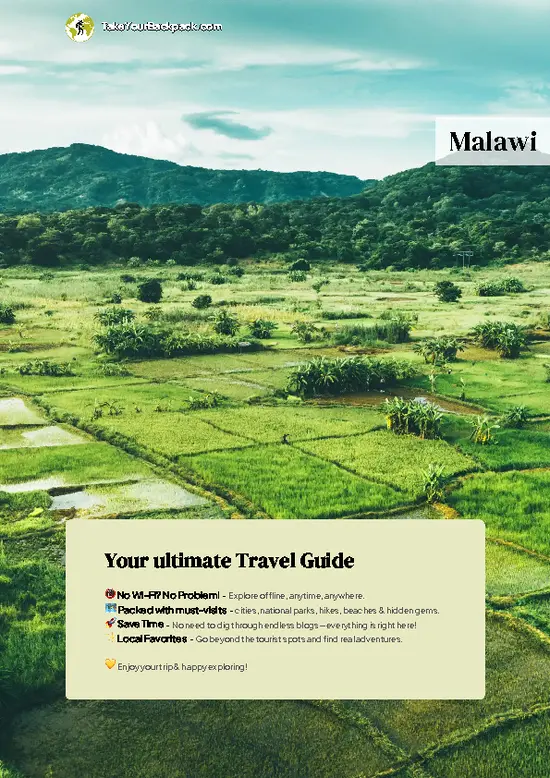
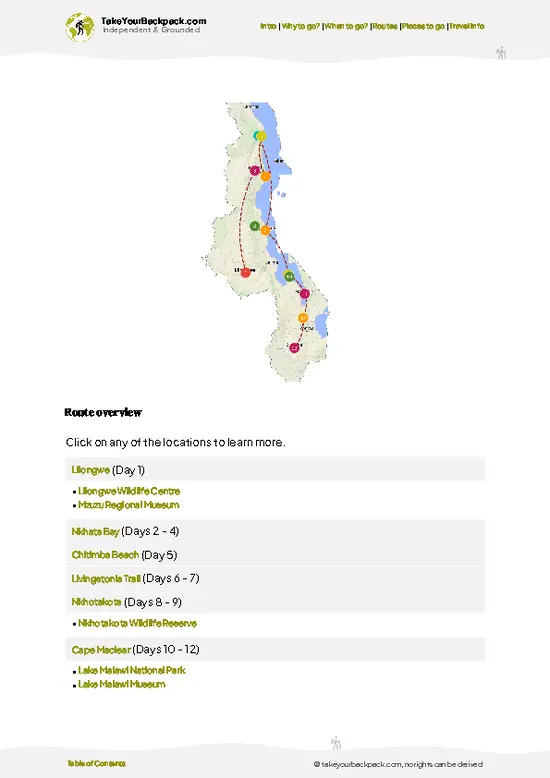
example page 0 from our offline Travel Guide for Malawi
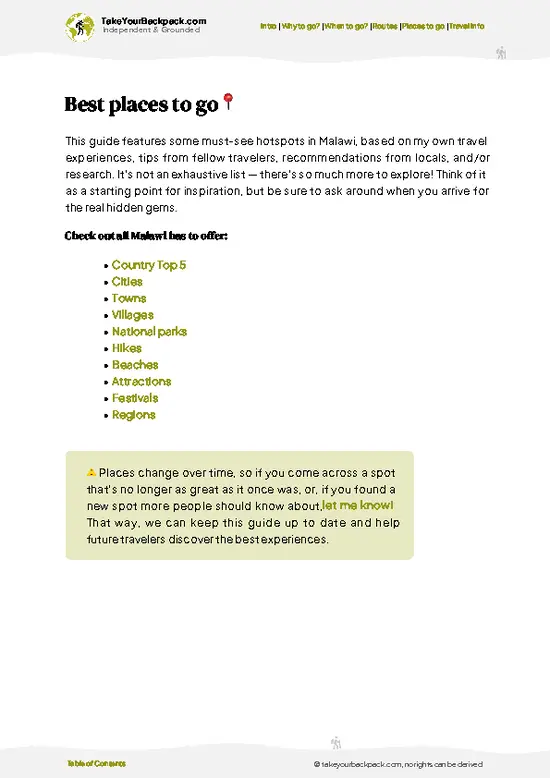
example page 1 from our offline Travel Guide for Malawi
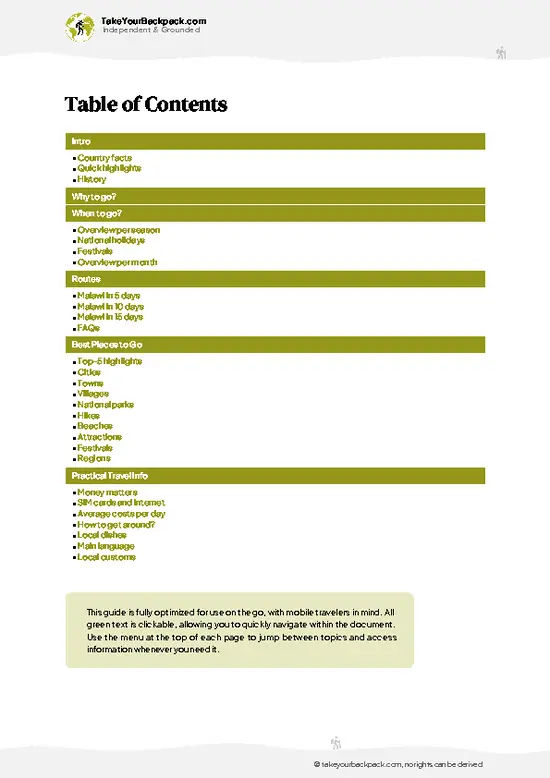
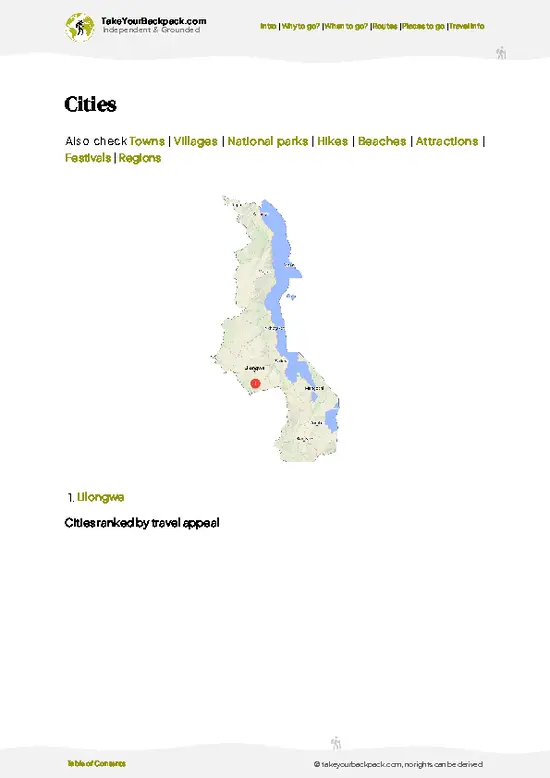
example page 2 from our offline Travel Guide for Malawi
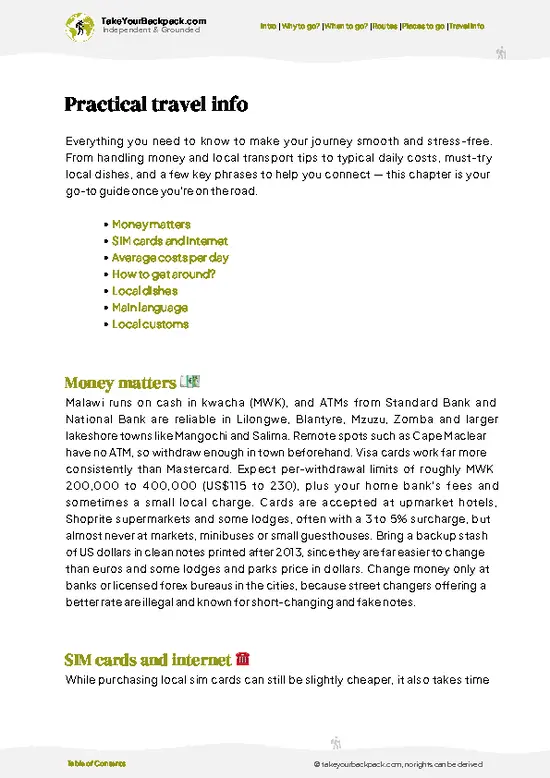
example page 3 from our offline Travel Guide for Malawi
example page 4 from our offline Travel Guide for Malawi
example page 5 from our offline Travel Guide for Malawi
example page 6 from our offline Travel Guide for Malawi
example page 7 from our offline Travel Guide for Malawi
Loading the map 🌍
CLICK TO FILTER
cities
towns
villages
national parks
hikes
beaches
attractions
festivals
regions
SHOW COUNTRY’S BESTSHOW ALL

✨ Why go?
Ranked #4 town in Malawi
The unique appeal for travelers

Nkhotakota earns its place on a Lake Malawi route as the spot where you stop moving and start doing things. The town sits on a long, flat shoreline, and the main draw is the water: you can paddle out in a hired dugout, swim off sandy stretches, and watch fishermen haul nets in the early morning. Nearby, Nkhotakota Wildlife Reserve is Malawi’s oldest and largest protected area, with miles of miombo woodland and rivers that suit hikers and anyone who wants elephants without a safari crowd. In town, the old Livingstone’s Acacia Tree and the historic slave-trading past give the stay some depth beyond the beach.

Most people give it two or three days. One to see the town and market, one for the reserve, and a spare for lakeside lounging. Evenings are quiet. You will meet other travelers at the … read more 👉
Nkhotakota earns its place on a Lake Malawi route as the spot where you stop moving and start doing things. The town sits on a long, flat shoreline, and the main draw is the water: you can paddle out in a hired dugout, swim off sandy stretches, and watch fishermen haul nets in the early morning. Nearby, Nkhotakota Wildlife Reserve is Malawi’s oldest and largest protected area, with miles of miombo woodland and rivers that suit hikers and anyone who wants elephants without a safari crowd. In town, the old Livingstone’s Acacia Tree and the historic slave-trading past give the stay some depth beyond the beach.

Most people give it two or three days. One to see the town and market, one for the reserve, and a spare for lakeside lounging. Evenings are quiet. You will meet other travelers at the handful of lodges and campsites, mostly overlanders, volunteers and the odd cyclist, so it suits solo travelers who like easy conversation over a cold Carlsberg or Kuche Kuche rather than a party. Slow travelers and nature-minded hikers will enjoy it most. If you need nightlife or a packed list of sights, treat it as a single overnight stop.

💡 HighlightsMust-see experiences and standout moments

  1. Livingstone Tree: A huge mango tree where David Livingstone met Chief Jumbe in 1863 to discuss ending the slave trade. It is a short, shaded visit with a small memorial. Go in the morning, and expect a small donation or no fee. Allow 20 to 30 minutes.
  2. Nkhotakota Pottery: A well-known craft studio just outside town, where you can see stoneware being thrown and buy pieces from about US$3 to 30. Visit in the morning when potters are working. Allow 45 minutes to an hour.
  3. Nkhotakota Wildlife Reserve: Malawi’s oldest and largest reserve, with miombo woodland, rivers, elephants relocated here in recent years, and strong birdlife. Park fees are roughly US$10 to 20 per person plus guide costs, with game drives or walks costing extra. Go in the dry months for easier access and better sightings. Allow
… read more 👉
  1. Livingstone Tree: A huge mango tree where David Livingstone met Chief Jumbe in 1863 to discuss ending the slave trade. It is a short, shaded visit with a small memorial. Go in the morning, and expect a small donation or no fee. Allow 20 to 30 minutes.
  2. Nkhotakota Pottery: A well-known craft studio just outside town, where you can see stoneware being thrown and buy pieces from about US$3 to 30. Visit in the morning when potters are working. Allow 45 minutes to an hour.
  3. Nkhotakota Wildlife Reserve: Malawi’s oldest and largest reserve, with miombo woodland, rivers, elephants relocated here in recent years, and strong birdlife. Park fees are roughly US$10 to 20 per person plus guide costs, with game drives or walks costing extra. Go in the dry months for easier access and better sightings. Allow a full day.
  4. Main Market: Piles of tomatoes, dried fish, cassava and secondhand clothes, with plenty of chatter and smoke from cooking fires. Entry is free and snacks cost under US$1 to 2. Visit early, before the heat. Allow 30 to 45 minutes.
  5. Lakeshore beach: A long strip of sand with warm, usually clear water and fishing canoes pulled up at dawn. It is free to walk, and lodges charge small fees for day use. Late afternoon is best for swimming. Allow 1 to 3 hours.
Nkhotakota also works as a base for day trips to Kasungu National Park, Senga Bay and the Chia Lagoon area. Together, the town sights take about half a day, and the reserve adds another full day.
Spotted a mistake or missing something? Contact us.

Things to do near Nkhotakota

Ratings based on Tripadvisor reviews. When you book through this link, you support our work at no extra cost to you.

🏘️ NeighborhoodsWhere things are and how it's laid out

Nkhotakota is small enough to cover on foot or by bicycle taxi, and its three areas feel very different from one another.
  • Central Market and Main Street: This is where you should spend your first morning. Stalls are stacked with tomatoes, dried kapenta, and secondhand clothes, and the air smells of frying dough and woodsmoke. Minibuses idle and honk at the edge of it. It is flat and compact, so walking works, but midday heat on the tarmac is heavy.
  • Old Slave Trade Quarter and Livingstone’s Tree: A short walk from the center, the huge mango tree stands where David Livingstone met the slave trader Jumbe in 1863. The site is modest and quiet, with shade, a few plaques, and the hum of cicadas. It deserves thirty minutes, not more. The old Jumbe’s house area nearby is more atmospheric for its history
… read more 👉
Nkhotakota is small enough to cover on foot or by bicycle taxi, and its three areas feel very different from one another.
  • Central Market and Main Street: This is where you should spend your first morning. Stalls are stacked with tomatoes, dried kapenta, and secondhand clothes, and the air smells of frying dough and woodsmoke. Minibuses idle and honk at the edge of it. It is flat and compact, so walking works, but midday heat on the tarmac is heavy.
  • Old Slave Trade Quarter and Livingstone’s Tree: A short walk from the center, the huge mango tree stands where David Livingstone met the slave trader Jumbe in 1863. The site is modest and quiet, with shade, a few plaques, and the hum of cicadas. It deserves thirty minutes, not more. The old Jumbe’s house area nearby is more atmospheric for its history than for anything on display.
  • Lakeshore and Beach Road: Sandy lanes lead to fishermen hauling nets at dawn, dugout canoes on the shingle, and the slap of small waves. Fish dries on racks in the sun, and you will smell it well before you see it. Evenings are quiet, with a few beer spots playing music and nothing resembling nightlife. Walking is easy, though sand tires your legs. Skip swimming close to the fish landing, and go further along the beach for cleaner water.

⌛️ 1 dayA smart one-day plan

8:00 AM, Livingstone Tree: Start at the mango tree where Livingstone met Chief Jumbe. Stand in the shade, read the plaque, and picture the caravan routes that once ended here. Walk or take a short bicycle-taxi ride to the market afterward.
9:15 AM, Main Market: Browse the stalls for fruit, dried lake fish and fresh doughnuts, and grab breakfast from a vendor. The crowds are thinner now, and sellers are happy to chat. Then head toward the lakefront.
10:30 AM, Fishing landing beaches: Walk the shoreline away from the lodges to where local fishermen sort and dry their catch. This is not on the standard route, but it shows the lake’s working side, with nets, canoes and children playing in the shallows. Be polite about photographs.
12:30 PM, Lunch by the lake: Eat grilled chambo with nsima at a lakeside … read more 👉
8:00 AM, Livingstone Tree: Start at the mango tree where Livingstone met Chief Jumbe. Stand in the shade, read the plaque, and picture the caravan routes that once ended here. Walk or take a short bicycle-taxi ride to the market afterward.
9:15 AM, Main Market: Browse the stalls for fruit, dried lake fish and fresh doughnuts, and grab breakfast from a vendor. The crowds are thinner now, and sellers are happy to chat. Then head toward the lakefront.
10:30 AM, Fishing landing beaches: Walk the shoreline away from the lodges to where local fishermen sort and dry their catch. This is not on the standard route, but it shows the lake’s working side, with nets, canoes and children playing in the shallows. Be polite about photographs.
12:30 PM, Lunch by the lake: Eat grilled chambo with nsima at a lakeside spot, and rest through the hottest hours.
2:30 PM, Nkhotakota Pottery: Take a short ride to the studio to watch potters at work and pick up a small piece that packs easily in a bag.
4:30 PM, Beach swim: Return to the lakeshore for a swim in the warm water while the fishing boats head out.
6:30 PM, Dinner and stars: Finish at your lodge with a cold drink and a simple meal, then enjoy the dark sky over the lake.

🌤️ When to go?Best time to visit Nkhotakota

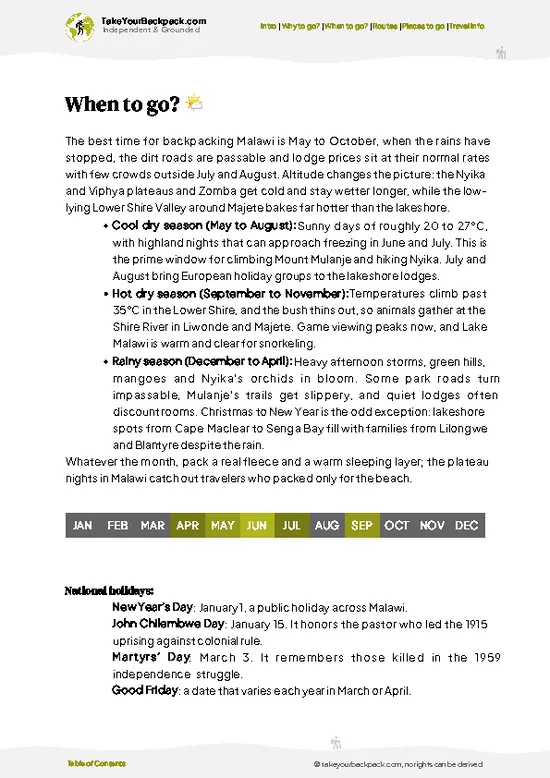
  • Cool Dry Season (May to August): Days reach 25 to 28°C (77 to 82°F) and nights drop to 14 to 17°C (57 to 63°F). The lake is calm, mornings are crisp, and the sun sets early, with roughly 11 hours of daylight. Prices stay steady.
  • Hot Season (September to November): Highs climb to 31 to 35°C (88 to 95°F). Swimming is wonderful, but the afternoons are sticky. Crowds are thin, and this is a good month for kayaking and fishing trips.
  • Rainy Season (December to April): Warm and humid at 27 to 32°C (81 to 90°F), with heavy downpours that turn dirt roads to mud. Greens are lush, and some lodges cut rates. Mosquitoes peak.
Book Nkhotakota Wildlife Reserve trips for June to October, when paths are dry and animals gather near water.

source: climatestotravel.comJANJanuary: below average for travelingFEBFebruary: below average for travelingMARMarch: below average for travelingAPRApril: fair for travelingMAYMay: highly recommended for travelingJUNJune: highly recommended for travelingJULJuly: excellent for travelingAUGAugust: excellent for travelingSEPSeptember: highly recommended for travelingOCTOctober: highly recommended for travelingNOVNovember: fair for travelingDECDecember: below average for traveling
when-to-go

✈️ The backpacker research shortcutMalawi Travel Guide

An offline-friendly backpacking guide with optimized travel routes, ranked highlights, transport advice, and the best areas to stay.
example page 0 from our offline Travel Guide for Malawi
example page 1 from our offline Travel Guide for Malawi
example page 2 from our offline Travel Guide for Malawi
example page 3 from our offline Travel Guide for Malawi
example page 4 from our offline Travel Guide for Malawi
example page 5 from our offline Travel Guide for Malawi
example page 6 from our offline Travel Guide for Malawi
example page 7 from our offline Travel Guide for Malawi
The digital guide (263 pages) contains:
✅ 65 highlights, ranked by travel appeal
✅ Optimized 5, 10 & 15-day travel routes
✅ Cities, national parks, landmarks, beaches
✅ How to get around
✅ Offline-friendly for travel without Wi-Fi
👉 Click to see all 30+ guide features

📅 Plan smarter in minutes, not weeks
✅ Month by month travel advice
✅ Festivals & national holidays
✅ Budget expectations

🗺️ Go to the right places, skip the overrated ones
✅ Honest pros & cons of destinations
✅ Top hikes, parks & viewpoints
✅ Lesser-known places most travelers miss
✅ Clear “worth it vs skip it” guidance

🛏️ Travel smoothly without rookie mistakes
✅ Best areas to stay
✅ Transport systems explained simply
✅ Common scams & safety advice
✅ SIM cards, money & practical tips

🌍 Understand the country, not just visit it
✅ Culture & traditions
✅ 52 Essential phrases & customs
✅ Festivals worth planning around
✅ Traveler-friendly historical context
✅ Insights that make places more meaningful

📱 Built for real travel conditions
✅ Fully downloadable PDF
✅ Works completely offline
✅ Optimized for phone use
✅ Useful in remote areas & buses
✅ Everything in one place
Stop searching, start planning
Get instant access to your full guide. 30‑day money-back guarantee.
+ Add another guide for just

By proceeding you agree to our terms.
Sent to your inbox immediately after payment • 100% Secure Checkout
Best Backpacking Travel Advisor 2025 tourism awardBest Backpacking
Travel Advisor
2025
What others say about Take Your Backpack Guides:
⭐⭐⭐⭐⭐
Fantastic, amazing amount of information!
⭐⭐⭐⭐⭐
My goodness this is amazing, it's what I've been looking for hats off too you!
⭐⭐⭐⭐⭐
I think this is absolutely BRILLIANT
⭐⭐⭐⭐
Very complete and informative. It's still missing places, but I gotta to commend you
⭐⭐⭐⭐⭐
This is truly amazing, thank you, can't wait to explore it with my kids!
⭐⭐⭐⭐⭐
Awesome resource, thank you!
⭐⭐⭐⭐⭐
This is amazing! Can't wait to explore the ones I haven't seen
⭐⭐⭐⭐
I love this! Well done, great idea.
⭐⭐⭐⭐⭐
Thanks for taking the time to make this gem!
⭐⭐⭐⭐⭐
This might be the best website I've ever seen.
⭐⭐⭐⭐⭐
Congratulations, and thank you so much for your work; it's incredibly valuable.
⭐⭐⭐⭐
In all seriousness I think you did a great job pointing out the important spots
⭐⭐⭐⭐⭐
10/10 very good
⭐⭐⭐⭐⭐
As someone who's only just starting to visit regularly this is awesome, thank you.
⭐⭐⭐⭐
Thank you very much! I'm going to visit my dad, it's going to be very useful!
⭐⭐⭐⭐⭐
This is really cool! We'll be travelling for the first time and this definitely come in handy.
⭐⭐⭐⭐⭐
You are now our minister of culture, congratulations 👨‍💼
⭐⭐⭐⭐⭐
Just wanted to tell you that this is a pearl! Going to follow your recommendations.
⭐⭐⭐⭐⭐
This is so cool. I'll definitely be using the resource for my travels soon.
⭐⭐⭐⭐⭐
This is very impressive! Good work.
⭐⭐⭐⭐⭐
This is an amazing and informative site. Very well done!

🛏️ Where to stay?Choosing the right base

Stay near the lakeshore on the beach road, which is where almost all budget beds in Nkhotakota are found. Expect simple rooms, a few dorm-style options, and campsites, usually for US$8 to 25 a night. Mornings bring the sound of waves and fishermen rather than traffic, and a short walk gets you to the market for breakfast and supplies. Many places have lake views, shaded gardens, and kitchen or restaurant access, which keeps food costs low. Nights are quiet, with only an occasional radio or bar a few lanes away, and the sandy paths are dark, so carry a headlamp after sunset. If you want to be close … read more 👉
Stay near the lakeshore on the beach road, which is where almost all budget beds in Nkhotakota are found. Expect simple rooms, a few dorm-style options, and campsites, usually for US$8 to 25 a night. Mornings bring the sound of waves and fishermen rather than traffic, and a short walk gets you to the market for breakfast and supplies. Many places have lake views, shaded gardens, and kitchen or restaurant access, which keeps food costs low. Nights are quiet, with only an occasional radio or bar a few lanes away, and the sandy paths are dark, so carry a headlamp after sunset. If you want to be close to minibuses heading north or south, the second choice is the area around the main road and market. It is noisier, with early engines and street chatter from around 5 am, but it is the most convenient for early departures, and a few basic guesthouses charge US$6 to 12. Beds are limited in school holidays and around festivals, so book ahead at the lakeshore in July and August.

🚌 Getting aroundMoving around without the hassle

A shared minibus or bicycle taxi around Nkhotakota costs roughly US$0.20 to 0.60 per ride, paid in cash in kwacha at the end of the trip. Town itself is flat and small, so most backpackers walk, then hop on a bicycle taxi for the beach or the road to the highway. Minibuses to other towns are frequent in the morning, but they leave only when full.
  • Walking: Free, and the best way to see the market, Livingstone’s Tree, and the lakeshore. Go early or late, because midday sun on the tarmac is fierce, and bring water.
  • Bicycle taxis (kabaza): US$0.20 to 0.60 for short hops. You perch on a padded rear seat while the rider pedals past maize stalls and goats. They are a fun and cheap choice, but agree on the price before you sit down. Many stop around dusk.
  • Minibuses: Shared vans along the M5 lake road
… read more 👉
A shared minibus or bicycle taxi around Nkhotakota costs roughly US$0.20 to 0.60 per ride, paid in cash in kwacha at the end of the trip. Town itself is flat and small, so most backpackers walk, then hop on a bicycle taxi for the beach or the road to the highway. Minibuses to other towns are frequent in the morning, but they leave only when full.
  • Walking: Free, and the best way to see the market, Livingstone’s Tree, and the lakeshore. Go early or late, because midday sun on the tarmac is fierce, and bring water.
  • Bicycle taxis (kabaza): US$0.20 to 0.60 for short hops. You perch on a padded rear seat while the rider pedals past maize stalls and goats. They are a fun and cheap choice, but agree on the price before you sit down. Many stop around dusk.
  • Minibuses: Shared vans along the M5 lake road run to Salima (about 1.5 to 2 hours, US$3 to 5) and Kasungu or Lilongwe (about 3 to 4 hours, US$5 to 9). They are cramped, loud, and often packed with produce, so keep your bag on your lap. Departures start around 5 or 6 am, and the last ones leave by mid-afternoon.
  • Motorbike taxis: About US$1 to 3 for longer runs, such as out to the reserve gate or distant lodges. They are faster on rough tracks but offer no helmet in many cases, so judge the rider before you go. Skip them in rain.
  • Private pickup or car hire: Lodges can arrange a driver for the reserve or the lake for roughly US$40 to 80 a day including fuel. This is the only practical option for remote tracks, and splitting it between travelers makes the cost reasonable.

👛 Costs (as of 22 October 2026)What things cost and how to budget

Nkhotakota costs about US$32 to 57 a day for a backpacker, with the lower end for dorms and market meals. Travelers pay in kwacha, but these figures are in US dollars.
CategoryBudget RangeLocal Reality
Dorm accommodationUS$8 to 15Simple beds and campsites near the lakeshore, with higher prices in July and August.
MealsUS$6 to 12Nsima with fish or beans at local eateries costs little, while lodge dinners run higher.
Local transportUS$1 to 4Bicycle taxis and minibuses for short hops.
Basic activities/entry feesUS$8 to 20Reserve fees, guided walks, or a boat trip, with Livingstone’s Tree usually inexpensive.
Miscellaneous expensesUS$3 to 6Water, SIM data, snacks, and the occasional beer.
Total Daily BudgetUS$32 to 57Around US$41 for a typical day in high season.
Buy fish straight from fishermen on the … read more 👉
Nkhotakota costs about US$32 to 57 a day for a backpacker, with the lower end for dorms and market meals. Travelers pay in kwacha, but these figures are in US dollars.
CategoryBudget RangeLocal Reality
Dorm accommodationUS$8 to 15Simple beds and campsites near the lakeshore, with higher prices in July and August.
MealsUS$6 to 12Nsima with fish or beans at local eateries costs little, while lodge dinners run higher.
Local transportUS$1 to 4Bicycle taxis and minibuses for short hops.
Basic activities/entry feesUS$8 to 20Reserve fees, guided walks, or a boat trip, with Livingstone’s Tree usually inexpensive.
Miscellaneous expensesUS$3 to 6Water, SIM data, snacks, and the occasional beer.
Total Daily BudgetUS$32 to 57Around US$41 for a typical day in high season.
Buy fish straight from fishermen on the beach in the morning and cook or ask a lodge kitchen to prepare it, which costs far less than a restaurant dinner.
⚠️ Prices can change and everyone travels differently, so take this as a rough guide. Hope it helps you plan your adventure!

🚌 Day tripsExploring the surroundings

Nkhotakota works well as a base for nature and lake outings, and all of these trips fit in one day with a driver or a ride from a lodge.
Nkhotakota Wildlife Reserve:
Malawi’s oldest and largest reserve, with miombo woodland, elephants, and hippos, is about 30 to 60 minutes from town depending on the gate. Entry and guided walks or drives usually come to US$15 to 40 per person plus transport. Go from June to October when animals gather near water. First-timers often arrive without booking a guide, so arrange one in advance.
👉 Explore Nkhotakota Wildlife Reserve
Chia Lagoon:
To the south, this lake-side lagoon is ideal for birdwatching and a lazy swim. It takes about 1 to 1.5 hours by road, and a day costs roughly US$10 to 25 with a ride. Early morning is best for birds, and midday is hot and shadeless, … read more 👉
Nkhotakota works well as a base for nature and lake outings, and all of these trips fit in one day with a driver or a ride from a lodge.
Nkhotakota Wildlife Reserve:
Malawi’s oldest and largest reserve, with miombo woodland, elephants, and hippos, is about 30 to 60 minutes from town depending on the gate. Entry and guided walks or drives usually come to US$15 to 40 per person plus transport. Go from June to October when animals gather near water. First-timers often arrive without booking a guide, so arrange one in advance.
👉 Explore Nkhotakota Wildlife Reserve
Chia Lagoon:
To the south, this lake-side lagoon is ideal for birdwatching and a lazy swim. It takes about 1 to 1.5 hours by road, and a day costs roughly US$10 to 25 with a ride. Early morning is best for birds, and midday is hot and shadeless, so bring a hat.

Kuti Wildlife Reserve and Livingstonia Beach:
For a calmer outing, head along the lake road to nearby sandy bays outside town. The ride is 1 to 2 hours depending on the place, and costs stay low at US$5 to 15 with minibus connections. Swim in clear, shallow water and eat fresh chambo from a beach stall. Do not leave belongings unattended on empty stretches.

🍲 FoodEating & Drinking in Nkhotakota

In Nkhotakota, food is a direct line to the heart of Malawi’s lakeside life. The must-try dish is undoubtedly nsima, a thick maize porridge that’s the backbone of every meal here. It’s simple but grounding, usually paired with flavorful relishes like fish from Lake Malawi—fresh, grilled, or stewed with tomatoes and onions. Don’t miss sampling chambo, the local tilapia, which carries the lake’s essence in every bite.

Backpackers will find themselves drawn to the bustling markets and street stalls where the air is thick with the scent of frying fish and smoky charcoal. These spots are where locals gather, making it easy to dive into authentic flavors and lively chatter. Casual eateries offer hearty plates without fuss, often served on banana leaves or simple plates, emphasizing the food’s freshness … read more 👉
In Nkhotakota, food is a direct line to the heart of Malawi’s lakeside life. The must-try dish is undoubtedly nsima, a thick maize porridge that’s the backbone of every meal here. It’s simple but grounding, usually paired with flavorful relishes like fish from Lake Malawi—fresh, grilled, or stewed with tomatoes and onions. Don’t miss sampling chambo, the local tilapia, which carries the lake’s essence in every bite.

Backpackers will find themselves drawn to the bustling markets and street stalls where the air is thick with the scent of frying fish and smoky charcoal. These spots are where locals gather, making it easy to dive into authentic flavors and lively chatter. Casual eateries offer hearty plates without fuss, often served on banana leaves or simple plates, emphasizing the food’s freshness over presentation.

Drinking here is about chibuku, a traditional sorghum beer with a tangy, earthy kick that locals sip from calabashes or shared mugs. It’s a social glue, best enjoyed slowly while swapping stories. Expect a relaxed, communal vibe—sharing food and drink is part of the rhythm, and refusing an offer can feel like missing out on a connection. In Nkhotakota, eating and drinking are less about formality and more about joining the flow of daily life.

🛡️ SafetyStaying Safe: What Travelers Should Know

Nkhotakota is a relaxed lakeside town where most problems are small. Petty theft is the main issue, so keep phones and cash out of sight at the market and on minibuses, and do not leave bags unattended on the beach. After dark, sandy lanes along the lakeshore are poorly lit, so walk in pairs or take a bicycle taxi and carry a headlamp. Solo travelers, including women, usually find locals friendly, though conservative dress at the market earns smoother interactions. Touts at the bus stop may quote inflated fares, so ask a local what the usual price is and pay at the end. Hawkers and persistent boat or craft sellers are more annoying than dangerous, and a calm no thank you works. Bilharzia is present in parts of the lake, so ask lodge staff about safer swimming spots. Use mosquito protection at dusk, as malaria risk is real.

FAQCommon questions from travelers

Nkhotakota is worth a stop of two or three days rather than just a stopover. You get Lake Malawi beaches, Livingstone’s Tree, and the nearby Nkhotakota Wildlife Reserve, where elephants roam woodland about 30 to 60 minutes away. Budget around US$32 to 55 a day.
Two to three days suit Nkhotakota well. One day covers the market, Livingstone’s Tree, and the lakeshore, and a second goes to the wildlife reserve with entry fees around US$15 to 40. Add a third for lagoon birding or simply swimming.
Nkhotakota is a long day trip from Lilongwe, about 3 to 4 hours each way by minibus at roughly US$5 to 9, so it is a poor fit unless you have a car. A better plan is to stay one or two nights. From Salima it is easier, at about 1.5 to 2 hours each way.
⚠️ Things can change over time, so always validate details locally before you go.

Other Malawian towns near Nkhotakota

Explore more nearby:

  • Ntchisi—Mist forest reserve, summit trail, highland market, pine-scented hills| 58 km away
  • Dowa—Granite ridge, hill footpaths, woodcarving stalls, cool plateau air| 88 km away
  • Kasungu—Miombo park gateway, Kamuzu Academy, woodcarvers, compact town| 88 km away

💡 Not sure where to go next?
Create a personalized itinerary for Malawi including Nkhotakota and the places that fit your trip.

Generate my itinerary

👉 Discover all towns

Or checkout all Malawi has to offer (think cities, towns, villages, national parks, hikes, beaches, festivals)
Country photo of Malawi

We 💚 feedbackParting advice and final tips

Give Nkhotakota two nights: one for the lake and the town’s history, one for a long day in the wildlife reserve. A single night leaves you rushing, and a third is only worth it if you want pure beach time. I would bring cash, insect repellent and a book for slow evenings.

✍️ Help improve this page!
The information on this page is based on in-depth research, insights shared by experienced travelers, and feedback from the local travel community in Malawi. While every effort is made to keep the information accurate and current, conditions can change — so if you spot anything incorrect or outdated, please get in touch.


🙋‍♂️ Give feedback

👋 Meet the founderWho’s Behind Take Your Backpack?

Johan, backpacker and founder of TakeYourBackpackHi, I’m Johan (Netherlands 🇳🇱), the creator of TakeYourBackpack. Over the past 3 decades, I’ve backpacked through 90+ countries across six continents, gaining extensive experience with independent travel, long-term trips, and overland routes.

This site is built on a combination of firsthand travel experience and carefully curated insights from other backpackers. Many guides are based on places I’ve personally visited, while others bring together tips, observations, and practical advice shared by trusted travelers I’ve met along the way.

The goal is to provide realistic, experience-driven guidance — not generic itineraries — so you can explore destinations with better context, clearer expectations, and more confidence.