×

Malawi🇲🇼 | festivalsTumaini FestivalDzaleka Refugee Camp, multicultural performances, community workshops | things to do and best time to go

Explore Sand Music FestivalExplore Mulhako wa Alhomwe

Backpacking in Tumaini
🏆 Top pickfestival ranked #3
By Johan Kruseman 🇳🇱 | Updated September 3, 2026

Here’s what most travelers miss: Tumaini Festival is free. Yes, actually free—no wristband hustle, no last-minute ticket gouge. That’s a rare gift, especially when you’re counting every kwacha for the next leg of your journey. Tumaini Festival explodes each November atop the rocky outcrop of Dzaleka Refugee Camp, just north of Lilongwe, Malawi’s capital. This isn’t your average festival circuit stop. It’s a kinetic, open-air collision of Malawian rhythms, Congolese rumba, hip-hop, reggae, and spoken word, all stitched together by performers from across Africa and the world. The crowd? Backpackers, local families, artists, and refugees—everyone shoulder-to-shoulder, dancing on red dust. The vibe is raw, electric, and radically welcoming. Three days, sun up to midnight, no velvet ropes. You come for the music, but you stay for the sense of possibility—proof that the best moments don’t always come with a price tag.

Discover everything you want to know in the 📖 Malawi Travel Guide.


Get your Malawi guide
82 ranked highlights, routes & tips, works offline (326 pages)
Loading the map 🌍
CLICK TO FILTER
cities
towns
villages
landmarks
national parks
hikes
beaches
attractions
festivals
regions
SHOW COUNTRY’S BESTSHOW ALL

✨ Why go?
Ranked #3 festival in Malawi
Why Tumaini should be on your travel list

Backpackers flock to the Tumaini Festival in Malawi for a rush of social energy and a taste of temporary community. This isn’t just a festival; it’s a vibrant cultural immersion where you can dance, share stories, and connect with locals and fellow travelers alike. The affordability of Tumaini compared to similar events makes it a budget-friendly highlight, allowing you to splurge on experiences rather than just tickets.

Planning your route around this festival means weaving it into a larger adventure, creating a seamless flow between exploration and celebration. You’ll find that the festival acts as a catalyst, energizing your journey and enriching your travel narrative. Don’t miss the chance to dive into this unique experience; it’s where the heart of Malawi beats strongest.
Want to include Tumaini Festival in your Malawi route?
Create a personalized Malawi itinerary that includes Tumaini Festival and the places that fit your trip — based on your travel style, budget, and available time. Get your route in seconds.

Generate my trip

💡 HighlightsEssential experiences to have while celebrating the Tumaini

  • Electric live music mash-ups: Expect a potent mix of Malawian rhythms and contemporary sounds, where traditional instruments meet Afrobeat, reggae and hip-hop. Sets often spill offstage into impromptu jam sessions, so dancing is basically mandatory.
  • Traditional dance, masks and storytelling: Performances bring old rituals and community stories to life, from intricate group dances to masked ceremonies like Gule Wamkulu. It’s a rare chance to see living cultural practices presented with pride and context rather than just as spectacle.
  • Food stalls and communal feasting: The festival food scene is where locals and visitors collide over plates of nsima, fresh fish, fritters and spicy sauces. Small pop-up kitchens and shared benches make trying new dishes easy and sociable.
  • Craft market and
read more 👉
  • Electric live music mash-ups: Expect a potent mix of Malawian rhythms and contemporary sounds, where traditional instruments meet Afrobeat, reggae and hip-hop. Sets often spill offstage into impromptu jam sessions, so dancing is basically mandatory.
  • Traditional dance, masks and storytelling: Performances bring old rituals and community stories to life, from intricate group dances to masked ceremonies like Gule Wamkulu. It’s a rare chance to see living cultural practices presented with pride and context rather than just as spectacle.
  • Food stalls and communal feasting: The festival food scene is where locals and visitors collide over plates of nsima, fresh fish, fritters and spicy sauces. Small pop-up kitchens and shared benches make trying new dishes easy and sociable.
  • Craft market and live artisan demos: Local makers sell beadwork, wood carving, textiles and more, often demonstrating their craft on the spot. You can haggle a little, learn how something’s made, and walk away with a one-off souvenir that actually supports the artist.
  • Hands-on workshops and community vibe: Drumming circles, dance classes, spoken-word sessions and youth art projects invite you to join in rather than just watch. The overall atmosphere is relaxed and collaborative, so expect late-night hangouts, friendly conversation and opportunities to swap skills.
Spotted a mistake or missing something? Contact us.

Things to do near Tumaini Festival

Ratings based on Tripadvisor reviews. When you book through this link, you support our work at no extra cost to you.

🌤️ When to go?When is the celebration of Tumaini Festival?


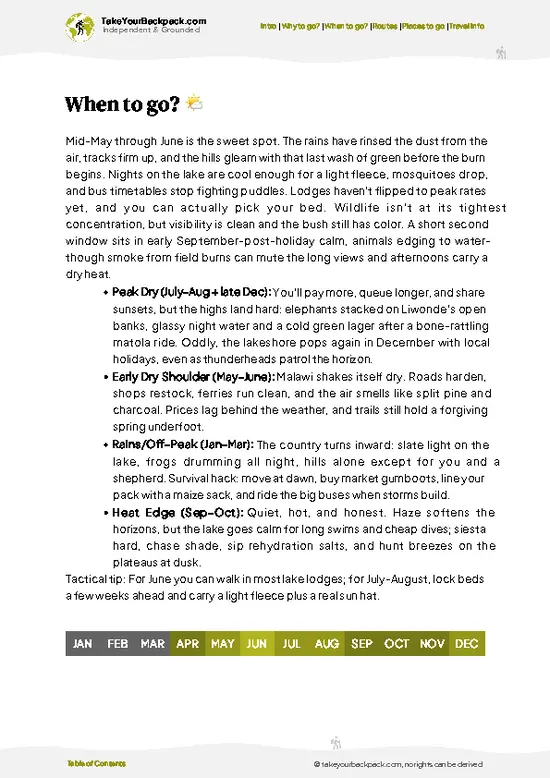
  • Weather: The Tumaini Festival thrives in Malawi’s dry season, from May to October. Expect clear skies and minimal rain, which means your gear stays dry and trails stay firm. Avoid the wet season (November to April) when heavy rains can turn paths into mudslides and dampen the vibe.

  • Temperature: Daytime temps hover between 20-25°C (68-77°F) during the festival months—perfect for long days outdoors without overheating. Nights can dip to 10-15°C (50-59°F), so pack a light jacket to stay comfortable after sunset.

  • Daylight Hours: With roughly 11 to 12 hours of daylight, you get ample time to explore before the festival’s evening events kick off. Early sunsets in the dry season mean you’ll want to plan your hikes and sightseeing efficiently.

  • Crowds: The festival draws a lively but manageable
read more 👉

  • Weather: The Tumaini Festival thrives in Malawi’s dry season, from May to October. Expect clear skies and minimal rain, which means your gear stays dry and trails stay firm. Avoid the wet season (November to April) when heavy rains can turn paths into mudslides and dampen the vibe.

  • Temperature: Daytime temps hover between 20-25°C (68-77°F) during the festival months—perfect for long days outdoors without overheating. Nights can dip to 10-15°C (50-59°F), so pack a light jacket to stay comfortable after sunset.

  • Daylight Hours: With roughly 11 to 12 hours of daylight, you get ample time to explore before the festival’s evening events kick off. Early sunsets in the dry season mean you’ll want to plan your hikes and sightseeing efficiently.

  • Crowds: The festival draws a lively but manageable crowd during peak dry months. Arriving early in the season can help you avoid the busiest days, giving you space to soak in performances without feeling boxed in.

  • Seasonal Activities: Dry season aligns with local harvests and cultural ceremonies, enriching the festival experience. You’ll catch authentic dances, crafts, and food that vanish during the rainy months.

  • Price Fluctuations: Accommodation and transport costs spike during the festival’s peak in July and August. Booking early or aiming for shoulder months like May or September can save you cash without sacrificing the festival’s energy.


Pro-tip: Time your visit for early dry season—when the weather is crisp, crowds are lighter, and prices haven’t peaked—to maximize your stamina and wallet for the festival’s full throttle experience.


source: climatestotravel.comJANJanuary: not recommended for travelingFEBFebruary: not recommended for travelingMARMarch: not recommended for travelingAPRApril: not recommended for travelingMAYMay: excellent for travelingJUNJune: excellent for travelingJULJuly: excellent for travelingAUGAugust: excellent for travelingSEPSeptember: excellent for travelingOCTOctober: excellent for travelingNOVNovember: not recommended for travelingDECDecember: not recommended for traveling

✈️ The backpacker research shortcutMalawi Travel Guide

An offline-friendly backpacking guide with optimized travel routes, ranked highlights, transport advice, and the best areas to stay.
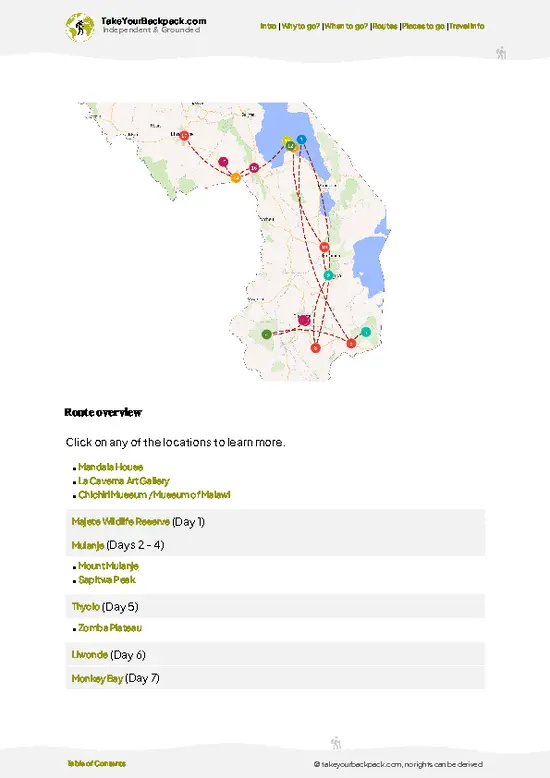
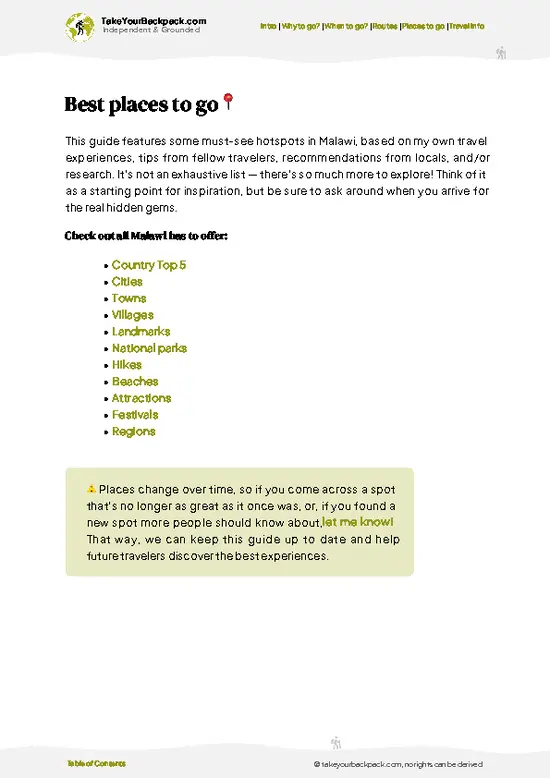
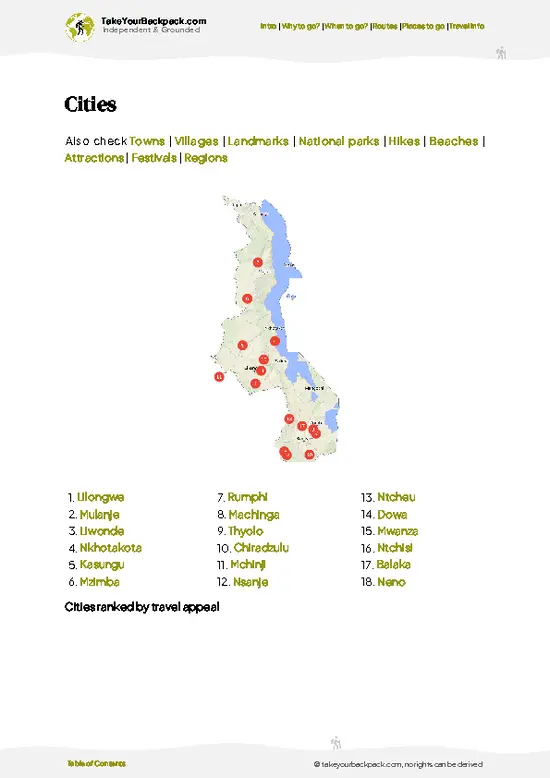
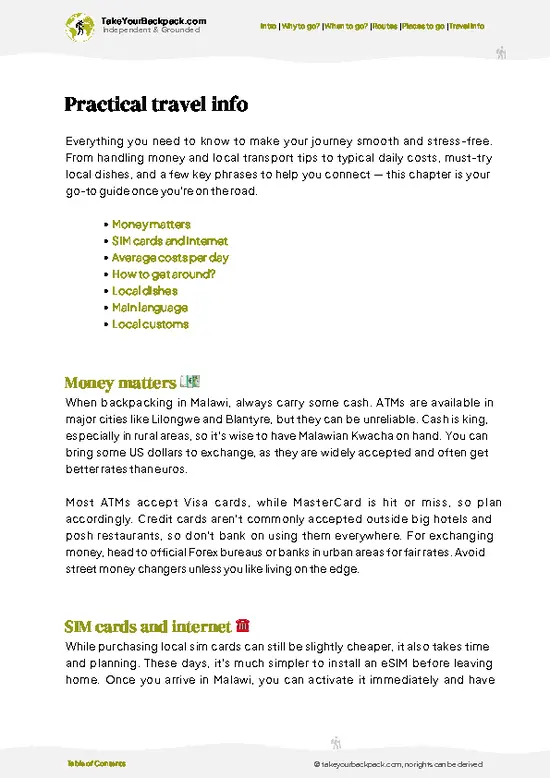
example page 0 from our offline Travel Guide for Malawi
example page 1 from our offline Travel Guide for Malawi
example page 2 from our offline Travel Guide for Malawi
example page 3 from our offline Travel Guide for Malawi
example page 4 from our offline Travel Guide for Malawi
example page 5 from our offline Travel Guide for Malawi
example page 6 from our offline Travel Guide for Malawi
example page 7 from our offline Travel Guide for Malawi
The digital guide (326 pages) contains:
82 highlights, ranked by travel appeal
Optimized 5, 10 & 15-day travel routes
Cities, national parks, landmarks, beaches
How to get around
Offline-friendly for travel without Wi-Fi
👉 Click to see all 30+ guide features

📅 Plan smarter in minutes, not weeks
Month by month travel advice
Festivals & national holidays
Budget expectations

🗺️ Go to the right places, skip the overrated ones
Honest pros & cons of destinations
Top hikes, parks & viewpoints
Lesser-known places most travelers miss
Clear “worth it vs skip it” guidance

🛏️ Travel smoothly without rookie mistakes
Best areas to stay
Transport systems explained simply
Common scams & safety advice
SIM cards, money & practical tips

🌍 Understand the country, not just visit it
Culture & traditions
52 Essential phrases & customs
Festivals worth planning around
Traveler-friendly historical context
Insights that make places more meaningful

📱 Built for real travel conditions
Fully downloadable PDF
Works completely offline
Optimized for phone use
Useful in remote areas & buses
Everything in one place
Save weeks of stressful planning
Get instant access to your full guide. 30‑day money-back guarantee.
+ Add another guide for just US$7.80

By proceeding you agree to our terms.
Sent to your inbox immediately after payment • 100% Secure Checkout
Best Backpacking Travel Advisor 2025 tourism awardBest Backpacking
Travel Advisor
2025
What others say about Take Your Backpack Guides:
⭐⭐⭐⭐⭐
Fantastic, amazing amount of information!
⭐⭐⭐⭐⭐
My goodness this is amazing, it's what I've been looking for hats off too you!
⭐⭐⭐⭐⭐
I think this is absolutely BRILLIANT
⭐⭐⭐⭐
Very complete and informative. It's still missing places, but I gotta to commend you
⭐⭐⭐⭐⭐
This is truly amazing, thank you, can't wait to explore it with my kids!
⭐⭐⭐⭐⭐
Awesome resource, thank you!
⭐⭐⭐⭐⭐
This is amazing! Can't wait to explore the ones I haven't seen
⭐⭐⭐⭐
I love this! Well done, great idea.
⭐⭐⭐⭐⭐
Thanks for taking the time to make this gem!
⭐⭐⭐⭐⭐
This might be the best website I've ever seen.
⭐⭐⭐⭐⭐
Congratulations, and thank you so much for your work; it's incredibly valuable.
⭐⭐⭐⭐
In all seriousness I think you did a great job pointing out the important spots
⭐⭐⭐⭐⭐
10/10 very good
⭐⭐⭐⭐⭐
As someone who's only just starting to visit regularly this is awesome, thank you.
⭐⭐⭐⭐
Thank you very much! I'm going to visit my dad, it's going to be very useful!
⭐⭐⭐⭐⭐
This is really cool! We'll be travelling for the first time and this definitely come in handy.
⭐⭐⭐⭐⭐
You are now our minister of culture, congratulations 👨‍💼
⭐⭐⭐⭐⭐
Just wanted to tell you that this is a pearl! Going to follow your recommendations.
⭐⭐⭐⭐⭐
This is so cool. I'll definitely be using the resource for my travels soon.
⭐⭐⭐⭐⭐
This is very impressive! Good work.
⭐⭐⭐⭐⭐
This is an amazing and informative site. Very well done!

🛏️ Where to stay?Best areas to stay in Malawi

When you’re gearing up for the Tumaini Festival in Malawi, your base matters. Head to the lively area around Nkhata Bay. It’s buzzing with backpacker-friendly spots, where you can swap stories over a cold drink or join a group for a sunset hike. The vibe is welcoming, and you’ll find plenty of fellow travelers eager to share tips and adventures.

Another solid choice is the lakeside town of Mangochi. It’s a bit quieter but offers a relaxed atmosphere perfect for unwinding after festival festivities. Look for communal spaces where you can connect with others, and don’t miss the local markets for … read more 👉
When you’re gearing up for the Tumaini Festival in Malawi, your base matters. Head to the lively area around Nkhata Bay. It’s buzzing with backpacker-friendly spots, where you can swap stories over a cold drink or join a group for a sunset hike. The vibe is welcoming, and you’ll find plenty of fellow travelers eager to share tips and adventures.

Another solid choice is the lakeside town of Mangochi. It’s a bit quieter but offers a relaxed atmosphere perfect for unwinding after festival festivities. Look for communal spaces where you can connect with others, and don’t miss the local markets for authentic eats.

Stay alert for hidden costs, like transport fees or overpriced meals. Stick to local eateries and shared transport to keep your budget intact. This way, you’ll have more energy and funds for the festival’s vibrant experiences. Embrace the journey; it’s all part of the adventure!

👛 Costs (as of 3 September 2026)Typical daily expenses

The Tumaini Festival in Malawi is a vibrant celebration of culture and music, but navigating the costs can be tricky. Here’s a breakdown to keep your budget intact while you soak in the experience.
  • Festival Tickets: Expect to pay around $10 to $30 for a general admission ticket. Prices can vary based on the lineup and any special events. Grab your tickets early to avoid last-minute price hikes.
  • Accommodation: Options range from budget hostels at about $10 to $20 per night to mid-range hotels costing $30 to $70. If you want a more immersive experience, consider camping, which might set you back around $5 to $15 per night.
  • Local Transport: Getting around can be affordable. Minibus fares typically range from $1 to $5, depending on the distance. If you’re feeling adventurous, bike rentals can be
read more 👉
The Tumaini Festival in Malawi is a vibrant celebration of culture and music, but navigating the costs can be tricky. Here’s a breakdown to keep your budget intact while you soak in the experience.
  • Festival Tickets: Expect to pay around $10 to $30 for a general admission ticket. Prices can vary based on the lineup and any special events. Grab your tickets early to avoid last-minute price hikes.
  • Accommodation: Options range from budget hostels at about $10 to $20 per night to mid-range hotels costing $30 to $70. If you want a more immersive experience, consider camping, which might set you back around $5 to $15 per night.
  • Local Transport: Getting around can be affordable. Minibus fares typically range from $1 to $5, depending on the distance. If you’re feeling adventurous, bike rentals can be found for about $5 a day, giving you the freedom to explore at your own pace.
  • Food & Drinks: Street food is your best friend here. Meals can cost as little as $2 to $5. If you opt for sit-down restaurants, budget around $10 to $20 per meal. Don’t forget to factor in drinks, which can add another $1 to $5, depending on your choice.
  • Miscellaneous Expenses: Always set aside some cash for souvenirs, tips, or unexpected costs. A safe estimate is around $20 to $50, depending on how much you want to splurge.

Keep these figures in mind to avoid surprises. The festival is all about the experience, so allocate your budget wisely to enjoy every moment.


source: malawitourism.com
⚠️ Prices can change and everyone travels differently, so take this as a rough guide. Hope it helps you plan your adventure!

🍲 FoodWhat to Eat & Drink

At the Tumaini Festival in Malawi, food and drink are as vibrant as the music. Dive into nsima, a staple made from maize flour, often served with simmered greens or a spicy relish. Don’t miss the grilled fish from Lake Malawi—fresh and smoky, it’s a must-try.

Festival stalls buzz with energy, offering local specialties like chicken stew and samosas. Grab a Malawian beer or a refreshing sugarcane juice to wash it down.

Be ready to share; it’s part of the culture. Lines can be long, but that’s where the camaraderie builds. Cash is king here, so stash some kwacha for those tasty bites. Serving sizes are generous, so pace yourself—there’s plenty to savor. Embrace the flavors and the spirit of togetherness; it’s what makes this festival truly special.

FAQCommon questions from travelers

Tumaini Festival takes place annually in July. It usually spans 2 to 3 days, featuring music, art, and cultural events.
The cost to attend Tumaini Festival varies, but general admission tickets typically range from 10 to 30 USD. Prices can depend on the day and type of access, such as single-day or full festival passes.
Yes, you need to purchase tickets in advance for Tumaini Festival. Buying tickets early is recommended as the event can sell out, especially for popular days or performances.
⚠️ Things can change over time, so always validate details locally before you go.

Other Malawian festivals near Tumaini

Explore more nearby:


💡 Not sure where to go next?
Create a personalized itinerary for Malawi including Tumaini and the places that fit your trip.

Generate my itinerary

👉 Discover all festivals

Or checkout all Malawi has to offer (think cities, towns, villages, national parks, hikes, beaches, festivals)
Country photo of Malawi

We 💚 feedbackIs it worth it?

The Tumaini Festival pulses with energy and warmth, a true celebration of community. You’ll be swept up in the music and laughter, but don’t underestimate the sun—bring sunscreen and hydrate like it’s your job. The best surprise? The local food stalls; they’ll blow your taste buds away. Embrace the chaos; it’s where the magic happens.

✍️ Help improve this page!
The information on this page is based on in-depth research, insights shared by experienced travelers, and feedback from the local travel community in Malawi. While every effort is made to keep the information accurate and current, conditions can change — so if you spot anything incorrect or outdated, please get in touch.


🙋‍♂️ Give feedback

👋 Meet the founderWho’s Behind Take Your Backpack?

Johan, backpacker and founder of TakeYourBackpackHi, I’m Johan (Netherlands 🇳🇱), the creator of TakeYourBackpack. Over the past decade, I’ve backpacked through 80+ countries across six continents, gaining extensive experience with independent travel, long-term trips, and overland routes.

This site is built on a combination of firsthand travel experience and carefully curated insights from other backpackers. Many guides are based on places I’ve personally visited, while others bring together tips, observations, and practical advice shared by trusted travelers I’ve met along the way.

The goal is to provide realistic, experience-driven guidance — not generic itineraries — so you can explore destinations with better context, clearer expectations, and more confidence.

Get full Malawi guide •
Instant download • 82 highlights • Full Offline guide