×

Malaysia🇲🇾 | villagesBarioKelabit Highlands, rice terraces, longhouse communities | things to do and best time to go

Explore Mulu CavesExplore Petronas Twin Towers & KLCC Esplanade

Backpacking in Bario
🏆 Top pickvillage ranked #1
By Johan Kruseman 🇳🇱 | Updated June 11, 2026

Your boots sink half an inch into cool, springy rice-paddy mud while mist hangs low enough to bead on your eyelashes, and somewhere behind you a rooster and a chainsaw argue over who owns the morning. Woodsmoke drifts from a longhouse kitchen, mixing with the green, wet smell of jungle. This is Bario, a highland village in northern Sarawak, deep in Malaysian Borneo, closer in spirit to old trade routes than to any city.

For backpackers, Bario is both reward and filter. It’s remote, slow, and small; you usually fly in on a tiny plane or grind in over logging roads, which keeps the crowds away. People stop here to walk between Kelabit villages, climb nearby ridges for big-sky views, and taste rice that was growing a few weeks ago. Evenings are quiet: shared dinners, low voices, early nights, maybe one other traveler in your homestay. Compared with more accessible spots like Bakelalan or Miri, Bario feels rougher, greener, more inward-looking — less “scene,” more headspace.

Discover everything you want to know in the 📖 Malaysia Travel Guide.
Loading the map 🌍
CLICK TO FILTER
cities
towns
villages
landmarks
national parks
hikes
beaches
attractions
festivals
regions
SHOW COUNTRY’S BESTSHOW ALL

✨ Why go?
Ranked #1 village in Malaysia
Reasons people choose to visit here

Bario, a village in Malaysia, is a breath of fresh air for backpackers seeking a slower pace. Nestled in the highlands, it offers a unique atmosphere that feels worlds away from the bustling cities. The cool mountain air carries the scent of pine and earth, inviting you to linger. This isn’t just a stopover; it’s a chance to connect with local character. The villagers are warm and welcoming, often eager to share their stories and traditions, making it a perfect spot for solo travelers or couples looking for a more intimate experience.

Bario serves as a gateway to hikes that lead you through lush landscapes and rice paddies, with trails that vary from easy strolls to challenging treks. It’s also a strategic pause between busier destinations like Miri and the beaches of Borneo. Many travelers … read more 👉
Bario, a village in Malaysia, is a breath of fresh air for backpackers seeking a slower pace. Nestled in the highlands, it offers a unique atmosphere that feels worlds away from the bustling cities. The cool mountain air carries the scent of pine and earth, inviting you to linger. This isn’t just a stopover; it’s a chance to connect with local character. The villagers are warm and welcoming, often eager to share their stories and traditions, making it a perfect spot for solo travelers or couples looking for a more intimate experience.

Bario serves as a gateway to hikes that lead you through lush landscapes and rice paddies, with trails that vary from easy strolls to challenging treks. It’s also a strategic pause between busier destinations like Miri and the beaches of Borneo. Many travelers find themselves staying longer than planned, drawn in by the tranquility and the chance to unwind. The village feels social yet peaceful, with a few cozy guesthouses and communal spaces where you can share stories over a cup of local coffee. If you’re a slow traveler or a hiker, Bario is more than a stop; it’s a refreshing retreat that enriches your journey.
Want to include Bario in your Malaysia route?
Create a personalized Malaysia itinerary that includes Bario and the places that fit your trip — based on your travel style, budget, and available time. Get your route in seconds.

Generate my trip

💡 HighlightsPlaces and moments you shouldn't skip

  1. Kelabit longhouses — Communal wooden longhouses where Kelabit families live; visiting one gives a real look at daily life, local crafts, shared cooking, and traditional architecture that you won’t get in a hotel.
  2. Bario padi fields and rice-drying racks — High-altitude paddy plots and the ubiquitous bamboo racks where the famous Bario rice is dried; great for photography, seeing traditional cultivation, and tasting freshly harvested rice.
  3. Local homestays — Family-run homestays inside the village that offer hands-on experiences: cooking Kelabit dishes, swapping stories, sleeping in a real community setting, and joining morning chores.
  4. Bario airstrip (airport) — A tiny highland airstrip that’s the gateway to the village; the landings and takeoffs over the rice fields and ridges are worth
read more 👉
  1. Kelabit longhouses — Communal wooden longhouses where Kelabit families live; visiting one gives a real look at daily life, local crafts, shared cooking, and traditional architecture that you won’t get in a hotel.
  2. Bario padi fields and rice-drying racks — High-altitude paddy plots and the ubiquitous bamboo racks where the famous Bario rice is dried; great for photography, seeing traditional cultivation, and tasting freshly harvested rice.
  3. Local homestays — Family-run homestays inside the village that offer hands-on experiences: cooking Kelabit dishes, swapping stories, sleeping in a real community setting, and joining morning chores.
  4. Bario airstrip (airport) — A tiny highland airstrip that’s the gateway to the village; the landings and takeoffs over the rice fields and ridges are worth seeing and give a good sense of how remote the place is.
  5. Village walking trails & viewpoints — Short trails from the village to nearby ridgelines and lookout points that frame the paddy mosaics and surrounding rainforest—ideal for sunrise, evening light, and easy day hikes.
Nearby visitable highlights for day trips include Ba’kelalan, Long Lellang, and Gunung Murud — my personal favorite is Ba’kelalan for its fruit orchards, sunsets, and relaxed highland vibe.
Spotted a mistake or missing something? Contact us.

🌤️ When to go?Best time to visit Bario


  • Weather: Bario sits high in the Kelabit Highlands, so expect a cool, misty climate. The dry season from March to September is your best bet—less rain means clearer trails and fewer mudslides. The wet season, October to February, brings heavy tropical downpours that can turn paths into slippery challenges.

  • Temperature: Daytime temps hover around 20-25°C (68-77°F), perfect for trekking without overheating. Nights dip to 10-15°C (50-59°F), so pack layers. The cool air feels crisp, especially in the early morning when mist clings to the forest.

  • Daylight Hours: Near the equator, daylight is steady year-round—about 12 hours. This consistency lets you plan hikes without worrying about early sunsets, but mornings start dim and foggy, so give yourself time to warm up.

  • Crowds: Bario is off
read more 👉

  • Weather: Bario sits high in the Kelabit Highlands, so expect a cool, misty climate. The dry season from March to September is your best bet—less rain means clearer trails and fewer mudslides. The wet season, October to February, brings heavy tropical downpours that can turn paths into slippery challenges.

  • Temperature: Daytime temps hover around 20-25°C (68-77°F), perfect for trekking without overheating. Nights dip to 10-15°C (50-59°F), so pack layers. The cool air feels crisp, especially in the early morning when mist clings to the forest.

  • Daylight Hours: Near the equator, daylight is steady year-round—about 12 hours. This consistency lets you plan hikes without worrying about early sunsets, but mornings start dim and foggy, so give yourself time to warm up.

  • Crowds: Bario is off the beaten path, so crowds are minimal year-round. However, the dry season draws more trekkers and cultural tourists, especially during local festivals, adding a lively buzz without overwhelming the village’s quiet charm.

  • Seasonal Activities: Visit during the rice harvest season (June-July) to witness traditional Kelabit ceremonies and vibrant community gatherings. This timing enriches your experience with authentic cultural immersion beyond just the landscape.

  • Price Fluctuations: Accommodation and guide fees tend to rise slightly in the dry season due to higher demand. Booking early can secure better rates and ensure availability, especially during festival periods.


Pro-tip: Aim for late June or early July—when the air smells of ripening rice, the weather is stable, and the village pulses with cultural life. It’s the sweet spot where nature and tradition meet without the hassle of heavy rains or tourist crowds.


source: climatestotravel.comJANJanuary: fair for travelingFEBFebruary: fair for travelingMARMarch: highly recommended for travelingAPRApril: highly recommended for travelingMAYMay: highly recommended for travelingJUNJune: excellent for travelingJULJuly: excellent for travelingAUGAugust: highly recommended for travelingSEPSeptember: highly recommended for travelingOCTOctober: fair for travelingNOVNovember: below average for travelingDECDecember: fair for traveling
malaysia-city-bario
© Google |

✈️ The backpacker research shortcutMalaysia Travel Guide

An offline-friendly backpacking guide with optimized travel routes, ranked highlights, transport advice, and the best areas to stay.
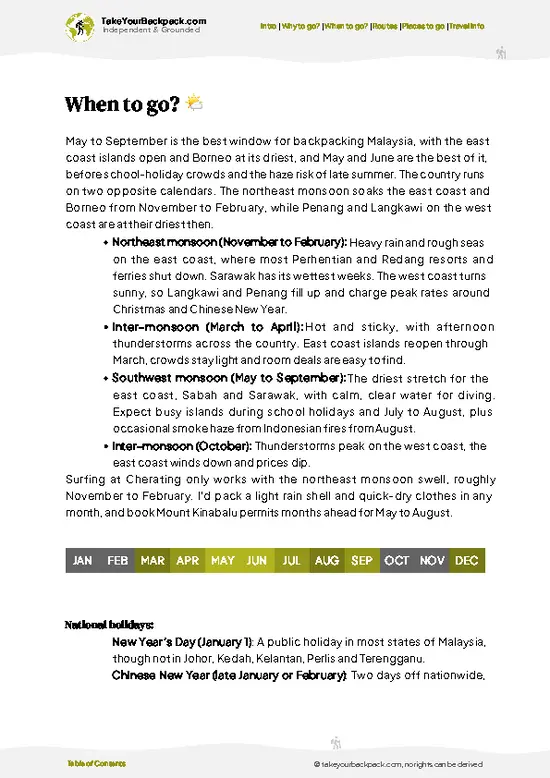
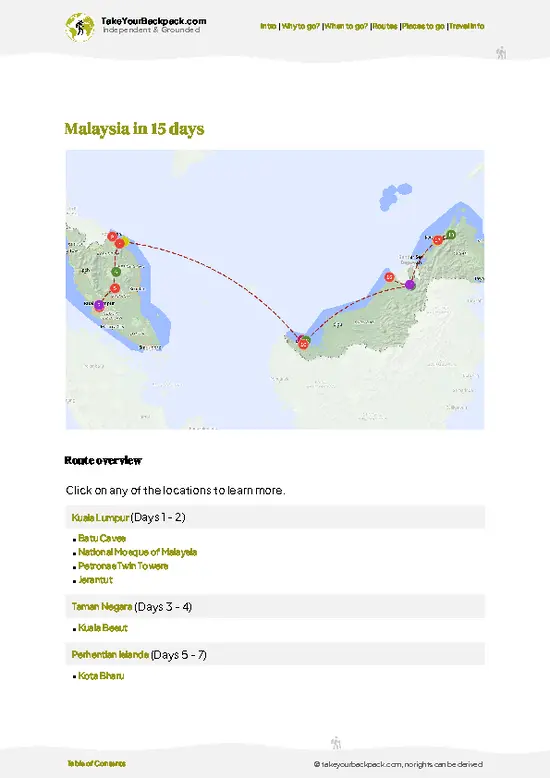
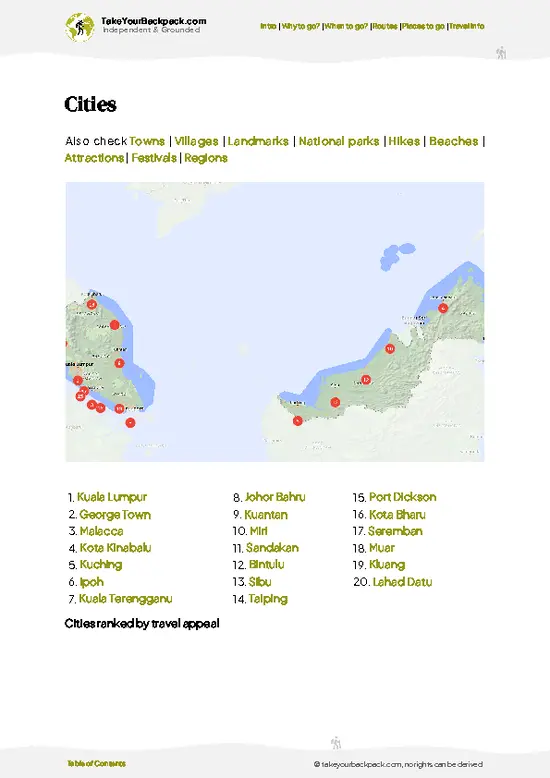
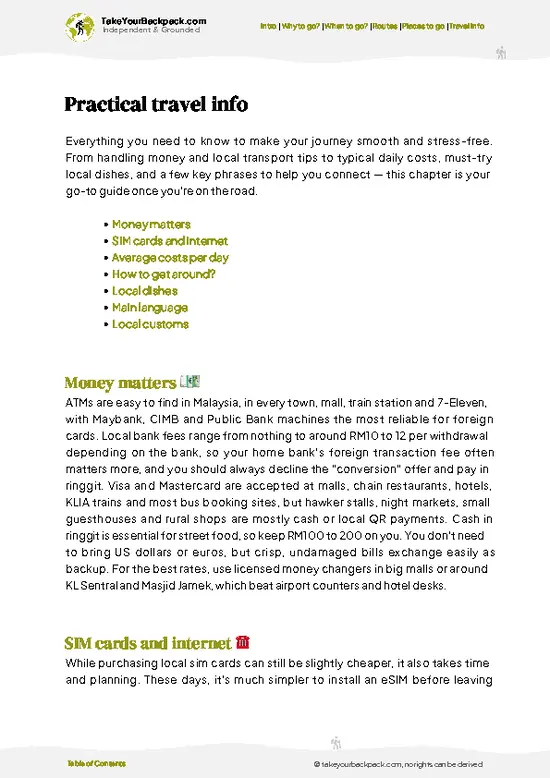
example page 0 from our offline Travel Guide for Malaysia
example page 1 from our offline Travel Guide for Malaysia
example page 2 from our offline Travel Guide for Malaysia
example page 3 from our offline Travel Guide for Malaysia
example page 4 from our offline Travel Guide for Malaysia
example page 5 from our offline Travel Guide for Malaysia
example page 6 from our offline Travel Guide for Malaysia
example page 7 from our offline Travel Guide for Malaysia
The digital guide (407 pages) contains:
107 highlights, ranked by travel appeal
Optimized 5, 10 & 15-day travel routes
Cities, national parks, landmarks, beaches
How to get around
Offline-friendly for travel without Wi-Fi
👉 Click to see all 30+ guide features

📅 Plan smarter in minutes, not weeks
Month by month travel advice
Festivals & national holidays
Budget expectations

🗺️ Go to the right places, skip the overrated ones
Honest pros & cons of destinations
Top hikes, parks & viewpoints
Lesser-known places most travelers miss
Clear “worth it vs skip it” guidance

🛏️ Travel smoothly without rookie mistakes
Best areas to stay
Transport systems explained simply
Common scams & safety advice
SIM cards, money & practical tips

🌍 Understand the country, not just visit it
Culture & traditions
52 Essential phrases & customs
Festivals worth planning around
Traveler-friendly historical context
Insights that make places more meaningful

📱 Built for real travel conditions
Fully downloadable PDF
Works completely offline
Optimized for phone use
Useful in remote areas & buses
Everything in one place
Save weeks of stressful planning
Get instant access to your full guide. 30‑day money-back guarantee.


By proceeding you agree to our terms.
Sent to your inbox immediately after payment • 100% Secure Checkout
Best Backpacking Travel Advisor 2025 tourism awardBest Backpacking
Travel Advisor
2025
What others say about Take Your Backpack Guides:
⭐⭐⭐⭐⭐
Fantastic, amazing amount of information!
⭐⭐⭐⭐⭐
My goodness this is amazing, it's what I've been looking for hats off too you!
⭐⭐⭐⭐⭐
I think this is absolutely BRILLIANT
⭐⭐⭐⭐
Very complete and informative. It's still missing places, but I gotta to commend you
⭐⭐⭐⭐⭐
This is truly amazing, thank you, can't wait to explore it with my kids!
⭐⭐⭐⭐⭐
Awesome resource, thank you!
⭐⭐⭐⭐⭐
This is amazing! Can't wait to explore the ones I haven't seen
⭐⭐⭐⭐
I love this! Well done, great idea.
⭐⭐⭐⭐⭐
Thanks for taking the time to make this gem!
⭐⭐⭐⭐⭐
This might be the best website I've ever seen.
⭐⭐⭐⭐⭐
Congratulations, and thank you so much for your work; it's incredibly valuable.
⭐⭐⭐⭐
In all seriousness I think you did a great job pointing out the important spots
⭐⭐⭐⭐⭐
10/10 very good
⭐⭐⭐⭐⭐
As someone who's only just starting to visit regularly this is awesome, thank you.
⭐⭐⭐⭐
Thank you very much! I'm going to visit my dad, it's going to be very useful!
⭐⭐⭐⭐⭐
This is really cool! We'll be travelling for the first time and this definitely come in handy.
⭐⭐⭐⭐⭐
You are now our minister of culture, congratulations 👨‍💼
⭐⭐⭐⭐⭐
Just wanted to tell you that this is a pearl! Going to follow your recommendations.
⭐⭐⭐⭐⭐
This is so cool. I'll definitely be using the resource for my travels soon.
⭐⭐⭐⭐⭐
This is very impressive! Good work.
⭐⭐⭐⭐⭐
This is an amazing and informative site. Very well done!

🛏️ Where to stay?Choosing the right base

Bario is a place where the air carries the scent of damp earth and wild orchids, and the light filters through mist like a soft veil. Staying here as a backpacker means embracing simplicity, but with a few smart choices, you can turn that simplicity into a rich experience.

The best spots to stay are the longhouses—traditional Kelabit communal homes. They’re not just accommodations; they’re living history. Places like Pa’ Umor or Pa’ Lungan offer rooms within these longhouses, where you’ll wake to the sound of roosters and the smell of wood smoke. It’s basic—expect shared bathrooms and simple … read more 👉
Bario is a place where the air carries the scent of damp earth and wild orchids, and the light filters through mist like a soft veil. Staying here as a backpacker means embracing simplicity, but with a few smart choices, you can turn that simplicity into a rich experience.

The best spots to stay are the longhouses—traditional Kelabit communal homes. They’re not just accommodations; they’re living history. Places like Pa’ Umor or Pa’ Lungan offer rooms within these longhouses, where you’ll wake to the sound of roosters and the smell of wood smoke. It’s basic—expect shared bathrooms and simple meals—but that’s the point. You’re stepping into a rhythm that’s been here for centuries. Booking directly through local homestay programs supports the community and ensures you get a genuine welcome, not a tourist veneer.

If you want a touch more comfort without losing authenticity, Bario’s small guesthouses like Bario Inn provide private rooms with hot showers and Wi-Fi. It’s a good fallback if you’re coming in wet from the trails or need to catch up on planning. But don’t expect luxury; the charm here is in the quiet and the connection to the land.

The logic is simple: choose a longhouse for immersion and stories, a guesthouse for practicality. Either way, you’re paying for access to a culture that’s as rich as the mountain air—so pack light, bring patience, and let the village’s slow pulse set your pace.

🚌 Day tripsShort trips worth adding

Bario, Malaysia, is a backpacker’s dream base, offering a gateway to lush landscapes and rich culture. The village itself is a blend of earthy scents and vibrant local life, making it the perfect launchpad for day trips that reveal the heart of Borneo.

Trip to the Kelabit Highlands
A trek into the Kelabit Highlands is a must. Just a couple of hours from Bario, you’ll find yourself surrounded by rolling hills and traditional longhouses. The air is crisp, and the sounds of nature envelop you. This trip typically costs around RM 20 for transport, and the best time to go is during the dry season, from March to October. A common mistake? Underestimating the terrain; sturdy shoes are essential. The reward? A chance to connect with the Kelabit people and their stories, all while soaking in breathtaking … read more 👉
Bario, Malaysia, is a backpacker’s dream base, offering a gateway to lush landscapes and rich culture. The village itself is a blend of earthy scents and vibrant local life, making it the perfect launchpad for day trips that reveal the heart of Borneo.

Trip to the Kelabit Highlands
A trek into the Kelabit Highlands is a must. Just a couple of hours from Bario, you’ll find yourself surrounded by rolling hills and traditional longhouses. The air is crisp, and the sounds of nature envelop you. This trip typically costs around RM 20 for transport, and the best time to go is during the dry season, from March to October. A common mistake? Underestimating the terrain; sturdy shoes are essential. The reward? A chance to connect with the Kelabit people and their stories, all while soaking in breathtaking views. 👉 Explore Bario

Visit to the Bario Rice Fields
The Bario Rice Fields are a short, scenic walk from the village. Here, you can witness the meticulous process of rice cultivation, a staple of local life. The vibrant green fields stretch out like a patchwork quilt, and the scent of fresh earth fills the air. This trip is free if you wander on your own, but consider hiring a local guide for RM 50 to gain deeper insights. The best time to visit is during the planting season, usually between May and June. Many first-timers miss the chance to engage with farmers; don’t be shy—ask questions! 👉 Explore Bario

Exploration of the Bario Caves
Just a short ride away, the Bario Caves offer a fascinating glimpse into the region’s geology. The caves are cool and dark, with stalactites hanging like ancient chandeliers. Expect to spend about RM 30 for transport and entrance fees. The ideal time to explore is early morning when the light filters through the cave openings, creating a mystical atmosphere. A common pitfall is not bringing a flashlight; the caves can be quite dark. The experience is both eerie and exhilarating, revealing the hidden wonders of Borneo. 👉 Explore Bario

Hiking to the Batu Buli Waterfall
For those craving adventure, the hike to Batu Buli Waterfall is exhilarating. It takes about an hour to reach the falls, where the sound of rushing water is a refreshing reward after the trek. The cost is minimal—around RM 10 for transport. The best time to go is after a rain, when the waterfall is at its most powerful. Many newcomers underestimate the trail; it can be slippery, so tread carefully. The sight of the waterfall cascading into a natural pool is worth every step. 👉 Explore Bario
Want to know what more Malaysia offers?
The Malaysia Travel Guide describes 107 highlights, from cities to national parks, from beaches to hikes

Get the Travel Guide -

Other destinations worth considering

Bario isn’t the only highlight in Malaysia. Explore all what Malaysia has to offer.
Country photo of Malaysia

We 💚 feedbackIs it worth it?

Bario is a slice of authenticity, where the air is thick with the scent of wild ginger and the sound of laughter echoes through the rice paddies. You’ll connect with the local Kelabit culture in a way that feels genuine, not staged. But be ready for the challenge: the remoteness means limited amenities and sporadic transport. Embrace the discomfort; it’s part of the journey. The payoff? A deeper understanding of a way of life that’s beautifully untouched.

✈️ When did I visit Malaysia?
As part of my 1.5 year travel around the world trip, I visited Malaysia in January 2016.

✍️ Help improve this page!
The information on this page is based on my own backpacking experience in Malaysia, supplemented with up-to-date research and feedback from other travelers. Travel details can change, so if you notice anything outdated or incomplete, feel free to let me know.


🙋‍♂️ Give feedback

👋 Meet the founderWho’s Behind Take Your Backpack?

Johan, backpacker and founder of TakeYourBackpackHi, I’m Johan (Netherlands 🇳🇱), the creator of TakeYourBackpack. Over the past decade, I’ve backpacked through 80+ countries across six continents, gaining extensive experience with independent travel, long-term trips, and overland routes.

This site is built on a combination of firsthand travel experience and carefully curated insights from other backpackers. Many guides are based on places I’ve personally visited, while others bring together tips, observations, and practical advice shared by trusted travelers I’ve met along the way.

The goal is to provide realistic, experience-driven guidance — not generic itineraries — so you can explore destinations with better context, clearer expectations, and more confidence.

Get full Malaysia guide •
Instant download • 107 highlights • Full Offline guide