×

Malaysia🇲🇾 | landmarksGua Tempurungunderground river, marble chambers, stalactite formations | things to do and best time to go

Explore Batu CavesExplore Mulu Caves

Backpacking in Gua Tempurung
👌 Worth visitingunique site ranked #3
By Johan Kruseman 🇳🇱 | Updated September 23, 2026

Everyone shows up to Gua Tempurung for the “epic cave photos” and the brag that they did some hardcore spelunking. Honestly? The photos are fine, but that’s not the point. What actually matters is how deep inside Perak’s limestone spine you feel your body slow down and your senses switch on. Gua Tempurung sits near Gopeng, between Ipoh and Kampar in peninsular Malaysia, and it’s one of the easiest big caves in the country to tack onto a backpacking loop.

The wow-factor is real once you’re past the concrete walkways: huge chambers, echoing darkness, and that damp mineral smell that says you’re properly underground. It’s cheap by global standards, but pricier than a typical Malaysian day out, and the guided tours can feel a bit regimented. Crowds spike on weekends and school holidays, and the lighting is more “theme park” than mystical. Still, if you pick a quieter time and go for a longer, wetter route, the vibe shifts from tourist attraction to genuine adventure.

Discover everything you want to know in the 📖 Malaysia Travel Guide.


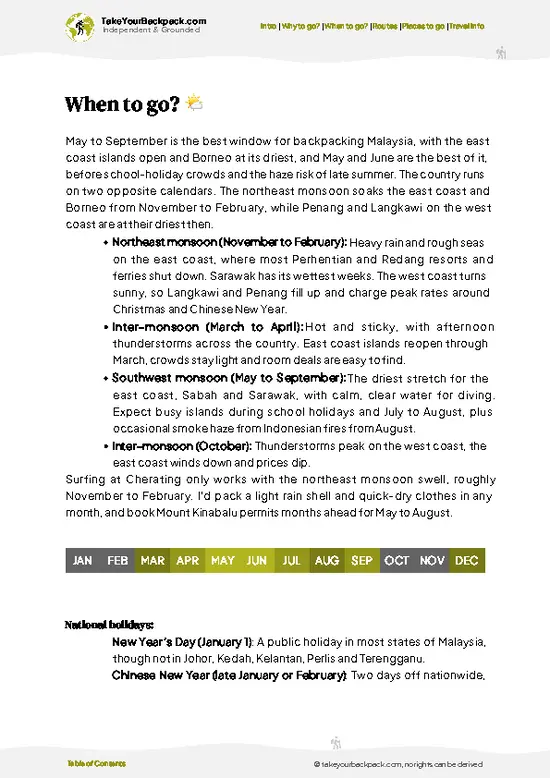
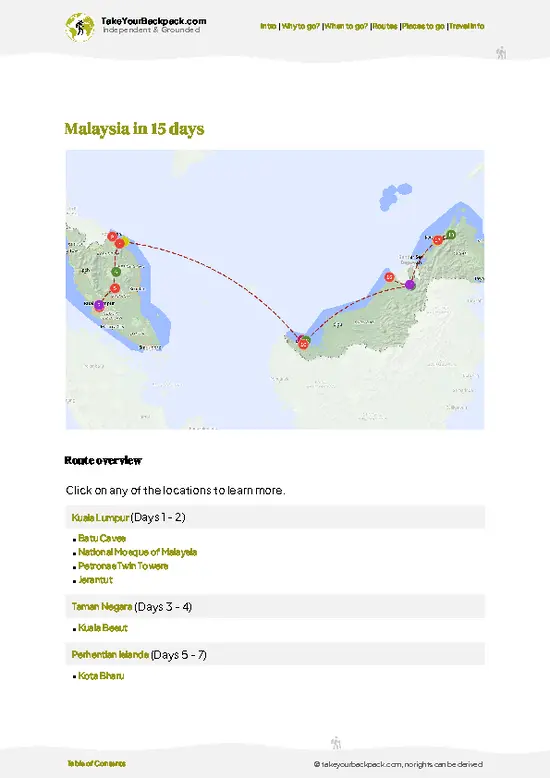
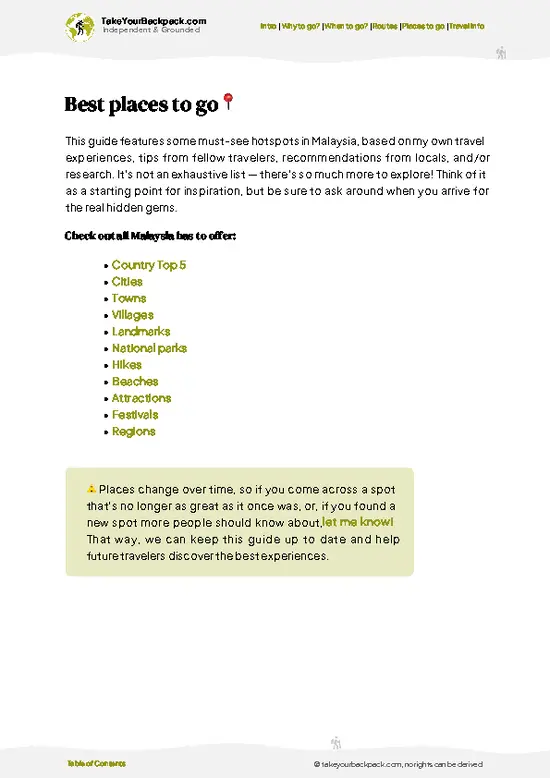
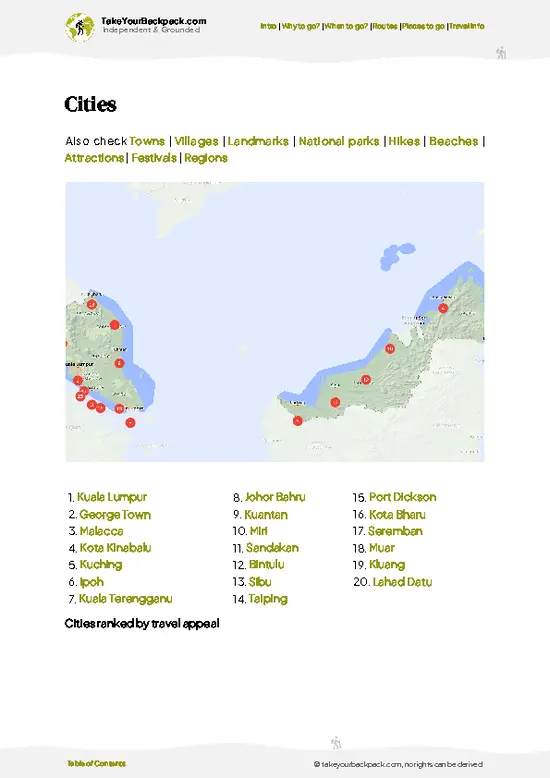
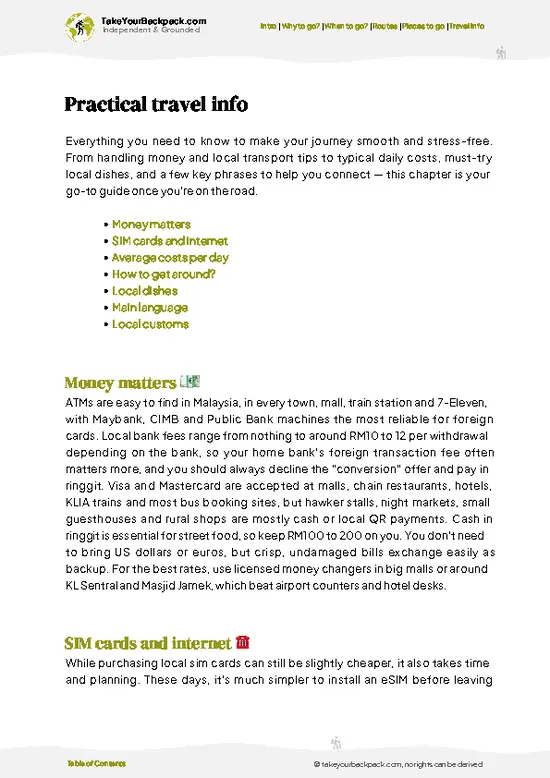
example page 0 from our offline Travel Guide for Malaysia
example page 1 from our offline Travel Guide for Malaysia
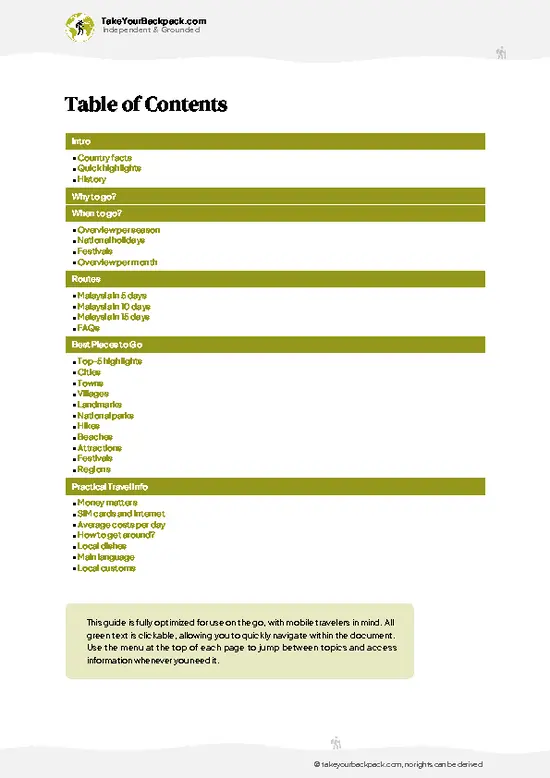
example page 2 from our offline Travel Guide for Malaysia
example page 3 from our offline Travel Guide for Malaysia
example page 4 from our offline Travel Guide for Malaysia
example page 5 from our offline Travel Guide for Malaysia
example page 6 from our offline Travel Guide for Malaysia
example page 7 from our offline Travel Guide for Malaysia
Loading the map 🌍
CLICK TO FILTER
cities
towns
villages
landmarks
national parks
hikes
beaches
attractions
festivals
regions
SHOW COUNTRY’S BESTSHOW ALL

✨ Why go?
Ranked #3 unique site in Malaysia
Reasons people choose to visit here

Gua Tempurung isn’t just another cave; it’s a thrilling adventure that packs a punch for backpackers. Sure, it’s popular, but don’t let the crowds scare you off. The real magic lies in its stunning limestone formations and the chance to explore a cave system that’s over 400 million years old.

You can choose from several guided tours that range from easy strolls to full-on spelunking escapades. The cost is low, making it a no-brainer for budget travelers. Plus, the experience is immersive—think climbing, wading through water, and navigating narrow passages.

Gua Tempurung fits perfectly into a broader route through Malaysia. It’s just a short bus ride from Ipoh, a city known for its food and street art. After a day of caving, you can dive into local cuisine without breaking the bank.

This … read more 👉
Gua Tempurung isn’t just another cave; it’s a thrilling adventure that packs a punch for backpackers. Sure, it’s popular, but don’t let the crowds scare you off. The real magic lies in its stunning limestone formations and the chance to explore a cave system that’s over 400 million years old.

You can choose from several guided tours that range from easy strolls to full-on spelunking escapades. The cost is low, making it a no-brainer for budget travelers. Plus, the experience is immersive—think climbing, wading through water, and navigating narrow passages.

Gua Tempurung fits perfectly into a broader route through Malaysia. It’s just a short bus ride from Ipoh, a city known for its food and street art. After a day of caving, you can dive into local cuisine without breaking the bank.

This isn’t just a stop; it’s a highlight that adds depth to your journey. The combination of effort and reward here is unmatched. You’ll leave with stories that Instagram can’t capture—just you, the cave, and the thrill of adventure.

💡 HighlightsTop highlights of Gua Tempurung

  • Immense cavernous halls (the Grand Dome) — Huge, cathedral-like chambers with ceilings you can’t easily picture until you’re under them. The scale and natural acoustics give a real wow moment — perfect for a slow, camera-out pause to feel how small you are in geological time.
  • Stalactites, stalagmites and flowstones — Intricate mineral sculptures: draperies, columns and rippled flowstone that took thousands of years to form. The variety and detail here make it a geology nerd’s dream and a great place to spot weird, photogenic shapes.
  • Underground river & wet adventure (personal favorite) — A hands-on section where you wade, scramble or float through dark tunnels of moving water. It’s the most visceral way to experience the cave: slippery, a bit muddy, and absolutely memorable — bring a headlamp
… read more 👉
  • Immense cavernous halls (the Grand Dome) — Huge, cathedral-like chambers with ceilings you can’t easily picture until you’re under them. The scale and natural acoustics give a real wow moment — perfect for a slow, camera-out pause to feel how small you are in geological time.
  • Stalactites, stalagmites and flowstones — Intricate mineral sculptures: draperies, columns and rippled flowstone that took thousands of years to form. The variety and detail here make it a geology nerd’s dream and a great place to spot weird, photogenic shapes.
  • Underground river & wet adventure (personal favorite) — A hands-on section where you wade, scramble or float through dark tunnels of moving water. It’s the most visceral way to experience the cave: slippery, a bit muddy, and absolutely memorable — bring a headlamp and expect to get wet.
  • Long passageways — part of one of Peninsular Malaysia’s larger cave systems — Several kilometres of interconnected passages give a real sense of exploration, from wide chambers to narrow squeezes. Walking those stretches shows how dynamic karst landscapes can be, not just single “pretty rooms.”
  • Sunlight shafts and skylights — Where the cave opens to the surface you get dramatic light beams and pockets of green, which contrast sharply with the gloom inside. Those spots are great for photos and for a quick mood reset on the tour.
  • Bat colonies and cave life — Expect to see bats, swifts and a surprising array of cave-adapted critters (plus the evidence they leave behind). It’s a useful reminder that caves are living ecosystems — noisy, smelly, and fascinating in equal measure.
  • Guided tours, history and local stories — Tours range from easy, lit pathways to full-on adventure treks; guides point out geological features, local legends and practical safety tips. The human element — the way guides explain formation, folklore and past uses of the cave — brings the place to life beyond just pretty rock.
Spotted a mistake or missing something? Contact us.

Things to do near Gua Tempurung

Ratings based on Tripadvisor reviews. When you book through this link, you support our work at no extra cost to you.

🌤️ When to go?Weather, crowds, and seasonal trade-offs

  • Weather: The dry season from May to September is your best bet. Rain can flood parts of Gua Tempurung’s caves, shutting down sections and turning trails into slippery nightmares. Expect heavy tropical downpours from November to March, which can kill your vibe and your safety.
  • Temperature: Inside the caves, it’s a steady 24-26°C (75-79°F), a cool break from Malaysia’s usual 28-32°C (82-90°F) heat outside. This consistency means you can plan your visit any time during dry months without sweating buckets underground.
  • Daylight Hours: Malaysia sits near the equator, so daylight stays around 12 hours year-round. Start early to avoid the afternoon rush and catch the caves in their quietest, most mysterious light.
  • Crowds: Weekends and public holidays pack the place with noisy groups and selfie
… read more 👉
  • Weather: The dry season from May to September is your best bet. Rain can flood parts of Gua Tempurung’s caves, shutting down sections and turning trails into slippery nightmares. Expect heavy tropical downpours from November to March, which can kill your vibe and your safety.
  • Temperature: Inside the caves, it’s a steady 24-26°C (75-79°F), a cool break from Malaysia’s usual 28-32°C (82-90°F) heat outside. This consistency means you can plan your visit any time during dry months without sweating buckets underground.
  • Daylight Hours: Malaysia sits near the equator, so daylight stays around 12 hours year-round. Start early to avoid the afternoon rush and catch the caves in their quietest, most mysterious light.
  • Crowds: Weekends and public holidays pack the place with noisy groups and selfie sticks. Midweek visits are your secret weapon for a more intimate experience, especially in the dry season.
  • Seasonal Activities: The dry months open up longer cave tours and river trekking inside the cave system. Wet season limits you to shorter, safer routes, which means less bang for your buck.
  • Price Fluctuations: Entrance fees stay stable year-round, but expect local guides to hike prices during peak holiday seasons. Booking midweek or off-peak can save you a few ringgit and hassle.
Pro-tip: Hit Gua Tempurung early on a weekday during the dry season to dodge crowds, avoid muddy trails, and get the full cave adventure without the tourist circus.


source: climatestotravel.comJANJanuary: fair for travelingFEBFebruary: fair for travelingMARMarch: fair for travelingAPRApril: good for travelingMAYMay: excellent for travelingJUNJune: excellent for travelingJULJuly: excellent for travelingAUGAugust: excellent for travelingSEPSeptember: excellent for travelingOCTOctober: good for travelingNOVNovember: below average for travelingDECDecember: below average for traveling
malaysia-unique-site-gua-tempurung
© Google |

✈️ The backpacker research shortcutMalaysia Travel Guide

An offline-friendly backpacking guide with optimized travel routes, ranked highlights, transport advice, and the best areas to stay.
example page 0 from our offline Travel Guide for Malaysia
example page 1 from our offline Travel Guide for Malaysia
example page 2 from our offline Travel Guide for Malaysia
example page 3 from our offline Travel Guide for Malaysia
example page 4 from our offline Travel Guide for Malaysia
example page 5 from our offline Travel Guide for Malaysia
example page 6 from our offline Travel Guide for Malaysia
example page 7 from our offline Travel Guide for Malaysia
The digital guide (400 pages) contains:
✅ 106 highlights, ranked by travel appeal
✅ Optimized 5, 10 & 15-day travel routes
✅ Cities, national parks, landmarks, beaches
✅ How to get around
✅ Offline-friendly for travel without Wi-Fi
👉 Click to see all 30+ guide features

📅 Plan smarter in minutes, not weeks
✅ Month by month travel advice
✅ Festivals & national holidays
✅ Budget expectations

🗺️ Go to the right places, skip the overrated ones
✅ Honest pros & cons of destinations
✅ Top hikes, parks & viewpoints
✅ Lesser-known places most travelers miss
✅ Clear “worth it vs skip it” guidance

🛏️ Travel smoothly without rookie mistakes
✅ Best areas to stay
✅ Transport systems explained simply
✅ Common scams & safety advice
✅ SIM cards, money & practical tips

🌍 Understand the country, not just visit it
✅ Culture & traditions
✅ 52 Essential phrases & customs
✅ Festivals worth planning around
✅ Traveler-friendly historical context
✅ Insights that make places more meaningful

📱 Built for real travel conditions
✅ Fully downloadable PDF
✅ Works completely offline
✅ Optimized for phone use
✅ Useful in remote areas & buses
✅ Everything in one place
Stop searching, start planning
Get instant access to your full guide. 30‑day money-back guarantee.
+ Add another guide for just

By proceeding you agree to our terms.
Sent to your inbox immediately after payment • 100% Secure Checkout
Best Backpacking Travel Advisor 2025 tourism awardBest Backpacking
Travel Advisor
2025
What others say about Take Your Backpack Guides:
⭐⭐⭐⭐⭐
Fantastic, amazing amount of information!
⭐⭐⭐⭐⭐
My goodness this is amazing, it's what I've been looking for hats off too you!
⭐⭐⭐⭐⭐
I think this is absolutely BRILLIANT
⭐⭐⭐⭐
Very complete and informative. It's still missing places, but I gotta to commend you
⭐⭐⭐⭐⭐
This is truly amazing, thank you, can't wait to explore it with my kids!
⭐⭐⭐⭐⭐
Awesome resource, thank you!
⭐⭐⭐⭐⭐
This is amazing! Can't wait to explore the ones I haven't seen
⭐⭐⭐⭐
I love this! Well done, great idea.
⭐⭐⭐⭐⭐
Thanks for taking the time to make this gem!
⭐⭐⭐⭐⭐
This might be the best website I've ever seen.
⭐⭐⭐⭐⭐
Congratulations, and thank you so much for your work; it's incredibly valuable.
⭐⭐⭐⭐
In all seriousness I think you did a great job pointing out the important spots
⭐⭐⭐⭐⭐
10/10 very good
⭐⭐⭐⭐⭐
As someone who's only just starting to visit regularly this is awesome, thank you.
⭐⭐⭐⭐
Thank you very much! I'm going to visit my dad, it's going to be very useful!
⭐⭐⭐⭐⭐
This is really cool! We'll be travelling for the first time and this definitely come in handy.
⭐⭐⭐⭐⭐
You are now our minister of culture, congratulations 👨‍💼
⭐⭐⭐⭐⭐
Just wanted to tell you that this is a pearl! Going to follow your recommendations.
⭐⭐⭐⭐⭐
This is so cool. I'll definitely be using the resource for my travels soon.
⭐⭐⭐⭐⭐
This is very impressive! Good work.
⭐⭐⭐⭐⭐
This is an amazing and informative site. Very well done!

🛏️ Where to stay?Where staying makes the most sense

When you’re heading to Gua Tempurung, you want a place that feels like home, not just a bed. The area around the cave is buzzing with backpacker-friendly vibes.

Start in Ipoh, the nearest city. It’s a hub for budget travelers, with a mix of hostels and guesthouses that cater to solo adventurers. The streets are alive with local food stalls, and you can find a community of fellow backpackers eager to share stories over a bowl of noodles. Plus, it’s a short bus ride to Gua Tempurung, making it super convenient.

If you’re looking for something a bit quieter, consider Kampung Gua Tempurung itself. … read more 👉
When you’re heading to Gua Tempurung, you want a place that feels like home, not just a bed. The area around the cave is buzzing with backpacker-friendly vibes.

Start in Ipoh, the nearest city. It’s a hub for budget travelers, with a mix of hostels and guesthouses that cater to solo adventurers. The streets are alive with local food stalls, and you can find a community of fellow backpackers eager to share stories over a bowl of noodles. Plus, it’s a short bus ride to Gua Tempurung, making it super convenient.

If you’re looking for something a bit quieter, consider Kampung Gua Tempurung itself. This small village offers a more authentic experience. You’ll find homestays that let you connect with locals. It’s a chance to escape the crowds and soak in the natural beauty.

Safety is generally good in both areas, but always trust your instincts. Keep your valuables close and be aware of your surroundings.

Ultimately, choose a spot that feels right for you. Whether it’s the social buzz of Ipoh or the tranquil charm of Kampung Gua Tempurung, both offer a unique backdrop for your adventure.

👛 Costs (as of 23 September 2026)Typical daily expenses

Visiting Gua Tempurung in Malaysia can be a thrilling adventure, but it’s essential to know what you’re getting into financially. Here’s a breakdown of typical costs to help you plan your trip wisely.
  • Entrance Fee: Expect to pay around €5 to €10 (USD $6 to $12) for a standard entry ticket. There are different packages depending on the cave tour you choose, with longer, more challenging routes costing more.
  • Guided Tours: If you want a guide, which is highly recommended for safety and insight, budget an additional €10 to €20 (USD $12 to $24). This usually includes equipment like helmets and headlamps.
  • Transportation: Getting to Gua Tempurung from nearby cities like Ipoh can cost between €3 to €10 (USD $4 to $12) for a bus or taxi. If you’re driving, factor in fuel costs, which can vary based on
… read more 👉
Visiting Gua Tempurung in Malaysia can be a thrilling adventure, but it’s essential to know what you’re getting into financially. Here’s a breakdown of typical costs to help you plan your trip wisely.
  • Entrance Fee: Expect to pay around €5 to €10 (USD $6 to $12) for a standard entry ticket. There are different packages depending on the cave tour you choose, with longer, more challenging routes costing more.
  • Guided Tours: If you want a guide, which is highly recommended for safety and insight, budget an additional €10 to €20 (USD $12 to $24). This usually includes equipment like helmets and headlamps.
  • Transportation: Getting to Gua Tempurung from nearby cities like Ipoh can cost between €3 to €10 (USD $4 to $12) for a bus or taxi. If you’re driving, factor in fuel costs, which can vary based on your vehicle.
  • Food and Drinks: There are limited food options on-site. Bring snacks or plan to spend around €5 to €15 (USD $6 to $18) for a meal at nearby eateries. Water is essential, so don’t forget to pack some or buy it there.
  • Equipment Rental: If you’re not bringing your own gear, renting basic equipment like a wetsuit or climbing gear can set you back about €5 to €15 (USD $6 to $18). Check what’s included in your tour package to avoid extra costs.

Understanding these costs will help you enjoy the real magic of Gua Tempurung without any financial surprises.
⚠️ Prices can change and everyone travels differently, so take this as a rough guide. Hope it helps you plan your adventure!

FAQFrequently asked questions about Gua Tempurung

Gua Tempurung is a limestone cave located near Ipoh in Perak, Malaysia, known for its impressive stalactites and stalagmites formations. It stretches about 1.9 kilometers and is one of the largest caves in Peninsular Malaysia open to the public.
You need around 2 to 3 hours to explore Gua Tempurung, depending on the tour type. Basic tours cover about 1 kilometer and take 1.5 to 2 hours, while adventure tours can last up to 3 hours and include crawling and wading through water.
To get to Gua Tempurung, take a bus or taxi from Ipoh, which is about 15 kilometers away. Ipoh is accessible by train or bus from Kuala Lumpur, and from Ipoh, local transport or taxis can reach the cave in about 20 minutes.
⚠️ Things can change over time, so always validate details locally before you go.

Other Malaysian landmarks near Gua Tempurung

Explore more nearby:

  • Batu Caves—towering limestone, Hindu shrines, steep stairway| 142 km away
  • Mulu Caves—vast chambers, rainforest setting, bat exodus| 1513 km away

💡 Not sure where to go next?
Create a personalized itinerary for Malaysia including Gua Tempurung and the places that fit your trip.

Generate my itinerary

👉 Discover all landmarks

Or checkout all Malaysia has to offer (think cities, towns, villages, national parks, hikes, beaches, festivals)
Country photo of Malaysia

We 💚 feedbackWhat to keep in mind

Gua Tempurung is a wild ride through Malaysia’s underground. The limestone formations are jaw-dropping, and the thrill of navigating the caves is unmatched. But let’s be real: the crowds can be overwhelming, especially on weekends. If you’re not into sharing your adventure with a hundred other tourists, aim for a weekday visit. It’s worth it for the raw beauty and the chance to connect with nature—just be prepared for the hustle.

✈️ When did I visit Malaysia?
As part of my 1.5 year travel around the world trip, I visited Malaysia in January 2016.

✍️ Help improve this page!
The information on this page is based on my own backpacking experience in Malaysia, supplemented with up-to-date research and feedback from other travelers. Travel details can change, so if you notice anything outdated or incomplete, feel free to let me know.


🙋‍♂️ Give feedback

👋 Meet the founderWho’s Behind Take Your Backpack?

Johan, backpacker and founder of TakeYourBackpackHi, I’m Johan (Netherlands 🇳🇱), the creator of TakeYourBackpack. Over the past 3 decades, I’ve backpacked through 90+ countries across six continents, gaining extensive experience with independent travel, long-term trips, and overland routes.

This site is built on a combination of firsthand travel experience and carefully curated insights from other backpackers. Many guides are based on places I’ve personally visited, while others bring together tips, observations, and practical advice shared by trusted travelers I’ve met along the way.

The goal is to provide realistic, experience-driven guidance — not generic itineraries — so you can explore destinations with better context, clearer expectations, and more confidence.