×

Malaysia🇲🇾 | citiesKuchingriverfront promenade, cat statues, Sarawak cuisine | things to do and best time to go

Explore MiriExplore Sandakan

Backpacking in Kuching
🏆 Top pickcity ranked #5
By Johan Kruseman 🇳🇱 | Updated October 15, 2026

Kuching is not for you if you need big-city chaos, bar crawls till sunrise, or a checklist of “top 10” sights you can brag about in one selfie dump. But if you like slow-burn cities where value hides in food stalls, river walks, and day trips into real jungle, Kuching quietly over-delivers. It sits in Sarawak, on the northwest coast of Borneo, far from the Peninsular Malaysia circuit of KL-Penang-Langkawi. The old waterfront, Chinese shophouses, and the quirky cat statues feel low-key, but you’re here for Bako National Park, orangutan centers, kampung homestays, and cheap, excellent food. It’s safe, walkable, and cheaper than Kota Kinabalu, with fewer backpackers and less nightlife, so meeting people takes a hostel common room, not a bar crawl. The vibe: gentle, slightly sleepy, but deeply rewarding if you like playing the long game.

Discover everything you want to know in the 📖 Malaysia Travel Guide.


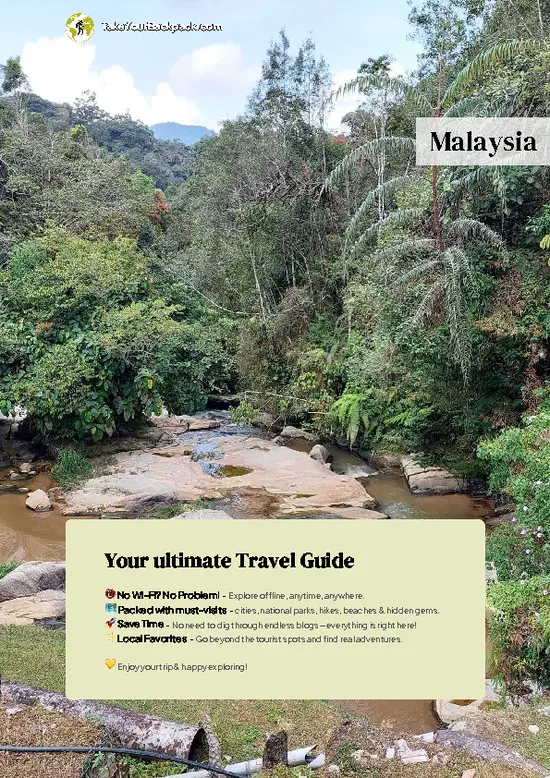
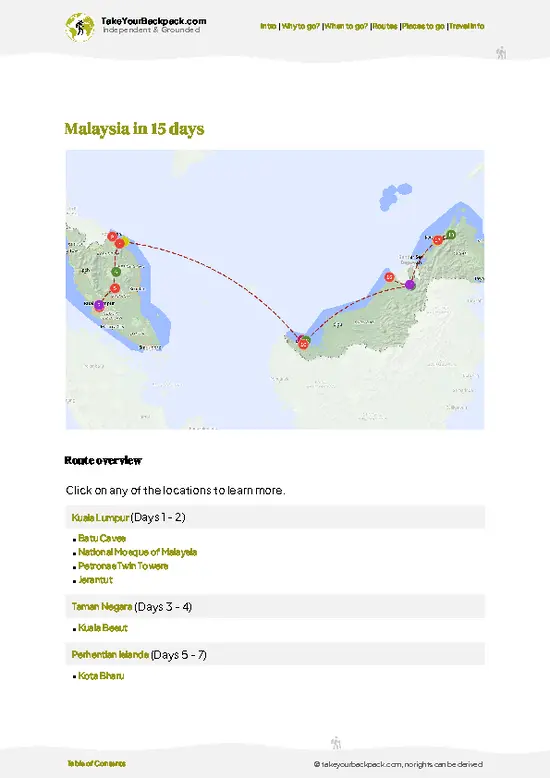
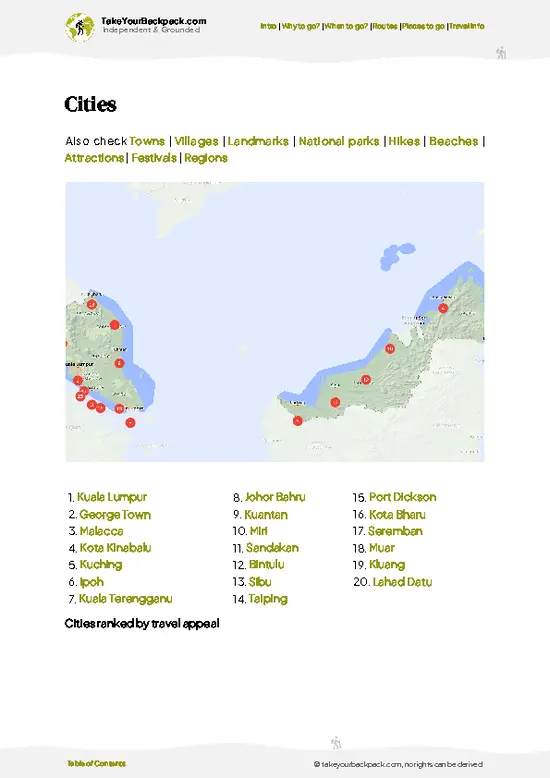
example page 0 from our offline Travel Guide for Malaysia
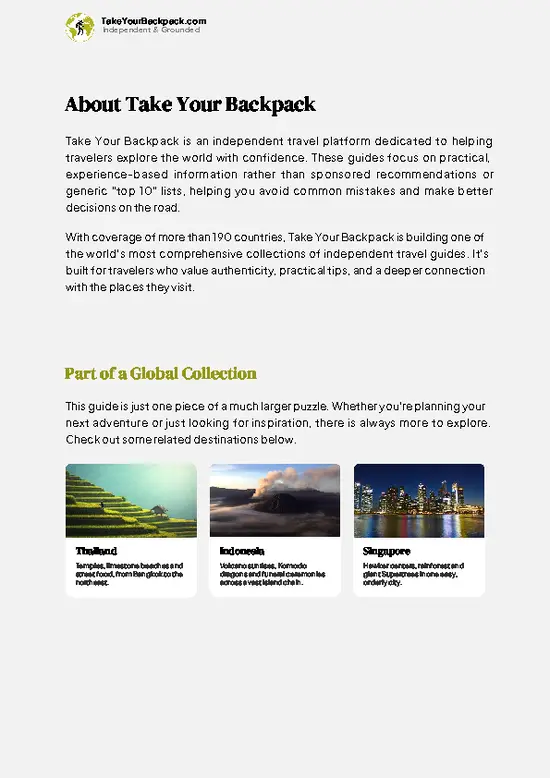
example page 1 from our offline Travel Guide for Malaysia
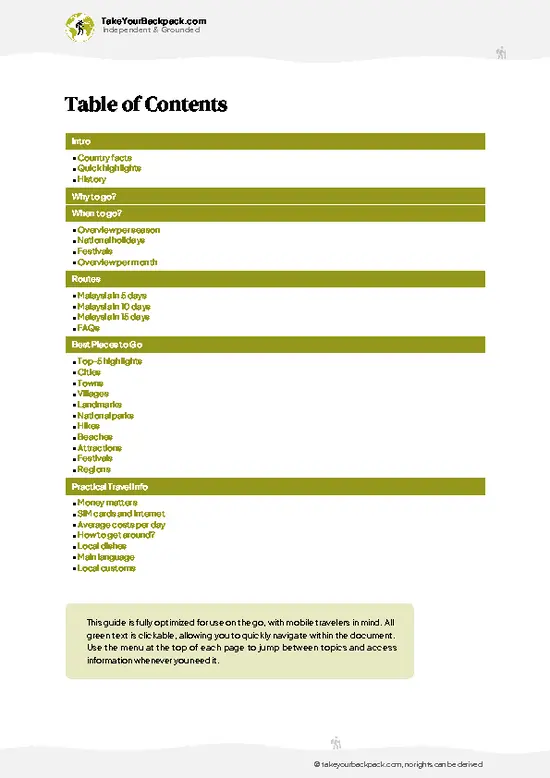
example page 2 from our offline Travel Guide for Malaysia
example page 3 from our offline Travel Guide for Malaysia
example page 4 from our offline Travel Guide for Malaysia
example page 5 from our offline Travel Guide for Malaysia
example page 6 from our offline Travel Guide for Malaysia
example page 7 from our offline Travel Guide for Malaysia
Loading the map 🌍
CLICK TO FILTER
cities
towns
villages
landmarks
national parks
hikes
beaches
attractions
festivals
regions
SHOW COUNTRY’S BESTSHOW ALL

✨ Why go?
Ranked #5 city in Malaysia
Why visitors keep coming back

Kuching is a backpacker’s haven that strikes a balance between affordability and experience. It’s not just a stopover; it’s a basecamp for day trips into the wild, with easy access to rainforests and national parks. The hostel scene is vibrant, offering budget-friendly options that foster a sense of community among travelers. You’ll find street food that’s both delicious and cheap, making it easy to fuel up without breaking the bank.

The city is walkable, allowing you to soak in the local culture without the hassle of transport. When the sun sets, the nightlife comes alive, with plenty of bars and eateries to unwind after a day of exploration. Plus, Kuching’s location makes onward travel to other parts of Borneo straightforward. If you’re looking for a place that combines value with a rich … read more 👉
Kuching is a backpacker’s haven that strikes a balance between affordability and experience. It’s not just a stopover; it’s a basecamp for day trips into the wild, with easy access to rainforests and national parks. The hostel scene is vibrant, offering budget-friendly options that foster a sense of community among travelers. You’ll find street food that’s both delicious and cheap, making it easy to fuel up without breaking the bank.

The city is walkable, allowing you to soak in the local culture without the hassle of transport. When the sun sets, the nightlife comes alive, with plenty of bars and eateries to unwind after a day of exploration. Plus, Kuching’s location makes onward travel to other parts of Borneo straightforward. If you’re looking for a place that combines value with a rich tapestry of experiences, Kuching fits the bill perfectly. Just be prepared to linger a bit longer than you planned!

💡 HighlightsWhat this place is best known for

  1. Kuching Waterfront (Esplanade) — The city’s social spine: riverside strolls, sunset views, hawker stalls, ferries to the opposite bank, and people-watching that tells you more about Kuching than any guidebook.
  2. Sarawak Museum (Muzium Sarawak) — One of Borneo’s best natural history and ethnography museums; the displays on Dayak cultures, tribal artifacts, and local biodiversity give real context to the region you’re standing in.
  3. Fort Margherita & The Brooke Gallery — A riverside Brooke-era fort with a small but excellent gallery about the White Rajahs; climb around the grounds for neat photo angles of the river and DUN building across the way.
  4. The Astana & Sarawak State Legislative Assembly precinct — The Astana (the Governor’s riverfront residence) and the striking DUN building opposite
… read more 👉
  1. Kuching Waterfront (Esplanade) — The city’s social spine: riverside strolls, sunset views, hawker stalls, ferries to the opposite bank, and people-watching that tells you more about Kuching than any guidebook.
  2. Sarawak Museum (Muzium Sarawak) — One of Borneo’s best natural history and ethnography museums; the displays on Dayak cultures, tribal artifacts, and local biodiversity give real context to the region you’re standing in.
  3. Fort Margherita & The Brooke Gallery — A riverside Brooke-era fort with a small but excellent gallery about the White Rajahs; climb around the grounds for neat photo angles of the river and DUN building across the way.
  4. The Astana & Sarawak State Legislative Assembly precinct — The Astana (the Governor’s riverfront residence) and the striking DUN building opposite are best experienced from a boat or the waterfront; the architecture and history speak to Kuching’s colonial plus local ruling past.
  5. Kuching Cat Museum — Quirky but culturally relevant: this oddly thorough museum (yes, all about cats) explains why Kuching embraces the feline identity, with artifacts, pop culture pieces, and local folklore.
  6. Main Bazaar & Carpenter Street — Narrow, historic streets lined with antique shops, tattoo studios, craft stalls and old shophouses; perfect for finding textiles, souvenirs, and small artisan workshops while soaking up Chinatown-era vibes.
  7. Tua Pek Kong Temple & the Chinese temple cluster — One of Kuching’s oldest and most photogenic temples, right by the waterfront; incense, carved roofs and local rituals make it a small, vibrant window into Chinese-Sarawakian life.
  8. Old Courthouse Complex & Sarawak Textile Museum — The restored colonial courthouse houses rotating cultural exhibits and the Textile Museum next door; it’s a compact place to learn about local weaving traditions and the city’s civic past.
  9. Cat Statue Trail — Scattered bronze cat sculptures and quirky installations are dotted around the waterfront and old town; it’s an easy, fun walking trail that connects heritage spots and makes exploring feel playful.
  10. Kuching Civic Centre (Observation Tower) — Climb the viewing tower for one of the best panoramic shots of Kuching’s skyline and river; a short visit that helps you orient geographically and appreciate how compact and green the city really is.
A few great day trips just outside Kuching: Bako National Park (my personal favorite for wildlife and weird coastline), Semenggoh Orangutan Rehabilitation Centre, and Annah Rais Longhouse — all easily reached from the city for a proper taste of Sarawak’s nature and culture.
Spotted a mistake or missing something? Contact us.

Things to do in Kuching

Ratings based on Tripadvisor reviews. When you book through this link, you support our work at no extra cost to you.

🏘️ NeighborhoodsKey areas and districts to know

Kuching is a vibrant city that offers a unique blend of culture, nature, and urban life, making it a fantastic base for backpackers. Here’s a breakdown of key neighborhoods to help you navigate your stay.

Waterfront: This area is the heart of Kuching. The riverside promenade is perfect for evening strolls. You’ll find budget-friendly hostels and local eateries. It’s walkable, with easy access to attractions like the Sarawak Museum. Nightlife is lively but not overwhelming, making it suitable for both short and longer stays.

Padungan: Known for its food scene, Padungan is a haven for street food lovers. The vibe is casual, and prices are reasonable. It’s a bit quieter than the Waterfront but still offers bars and cafes. Transport options are good, with buses and taxis readily available. Ideal … read more 👉
Kuching is a vibrant city that offers a unique blend of culture, nature, and urban life, making it a fantastic base for backpackers. Here’s a breakdown of key neighborhoods to help you navigate your stay.

Waterfront: This area is the heart of Kuching. The riverside promenade is perfect for evening strolls. You’ll find budget-friendly hostels and local eateries. It’s walkable, with easy access to attractions like the Sarawak Museum. Nightlife is lively but not overwhelming, making it suitable for both short and longer stays.

Padungan: Known for its food scene, Padungan is a haven for street food lovers. The vibe is casual, and prices are reasonable. It’s a bit quieter than the Waterfront but still offers bars and cafes. Transport options are good, with buses and taxis readily available. Ideal for those wanting to immerse themselves in local culture for a few days.

Batu Kawa: This neighborhood is more residential and less touristy. It’s a great spot for longer stays if you want to experience daily life in Kuching. Costs are lower, and you’ll find local markets and parks. However, it’s less walkable, so be prepared to rely on public transport or rideshares.

Damai Beach: If you crave a beach escape, head to Damai. It’s a bit pricier, but the stunning views and relaxed atmosphere make it worth it. Perfect for unwinding after city exploration. Access requires a short drive, so it’s better for longer stays.

⌛️ 1 dayWhat you can realistically do in a day

Kuching, the capital of Sarawak, is a city that pulses with a unique blend of cultures, history, and nature. Its riverside charm and vibrant street life make it a captivating spot for a day of exploration. You’ll find a mix of colonial architecture, bustling markets, and a laid-back vibe that invites you to linger.

Start your morning at the Kuching Waterfront. Grab a kopi (local coffee) from a nearby stall and stroll along the Sarawak River. The view of the Astana and Fort Margherita is a perfect backdrop for your caffeine fix. After soaking in the scenery, head to the nearby Main Bazaar. This street is a treasure trove of handicrafts and local art. Don’t rush; take your time to chat with the artisans and perhaps pick up a unique souvenir.

In the afternoon, make your way to the Semenggoh … read more 👉
Kuching, the capital of Sarawak, is a city that pulses with a unique blend of cultures, history, and nature. Its riverside charm and vibrant street life make it a captivating spot for a day of exploration. You’ll find a mix of colonial architecture, bustling markets, and a laid-back vibe that invites you to linger.

Start your morning at the Kuching Waterfront. Grab a kopi (local coffee) from a nearby stall and stroll along the Sarawak River. The view of the Astana and Fort Margherita is a perfect backdrop for your caffeine fix. After soaking in the scenery, head to the nearby Main Bazaar. This street is a treasure trove of handicrafts and local art. Don’t rush; take your time to chat with the artisans and perhaps pick up a unique souvenir.

In the afternoon, make your way to the Semenggoh Nature Reserve, about a 30-minute drive from the city center. This isn’t just another tourist stop; it’s a chance to see orangutans in their natural habitat. Arrive in time for the feeding session, where you can witness these magnificent creatures swing through the trees. It’s a humbling experience that connects you to the wild heart of Borneo.

As evening falls, return to the city and explore the vibrant food scene in the Carpenter Street area. Try the laksa at a local eatery—it’s a dish that packs a punch. After dinner, wander through the night market. Here, you’ll find everything from street food to handmade crafts, and the energy is infectious.

Kuching may be small, but it’s rich in experiences that linger long after you leave. Embrace the rhythm of the city, and you’ll find that every moment is a high-value experience waiting to unfold.

🌤️ When to go?Seasonal considerations and timing

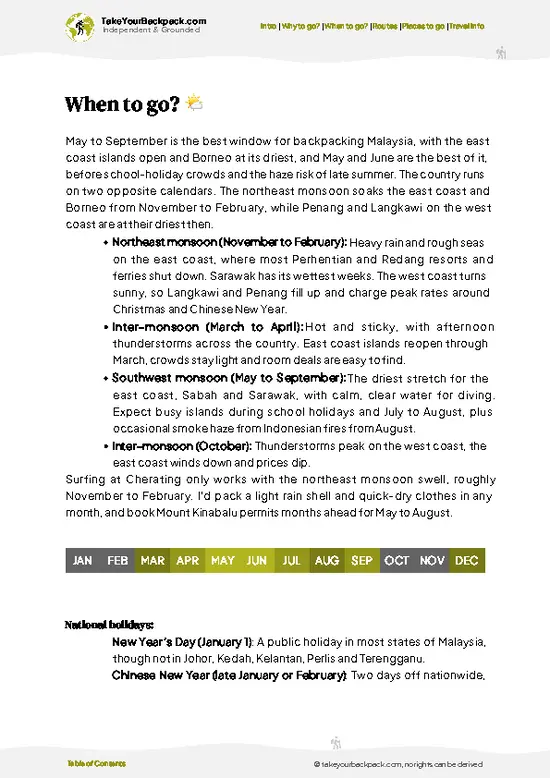
  • Topic: Weather - Kuching’s tropical climate means it’s hot and humid year-round, but the dry season from May to September offers less rain, making trekking and city exploration smoother. Expect frequent showers outside this window, especially November to February.
  • Topic: Temperature - Daily highs hover around 31-33°C (88-91°F) consistently, with lows rarely dipping below 23°C (73°F). The heat is steady, so timing your activities for early mornings or late afternoons is key.
  • Topic: Daylight Hours - Near the equator, daylight stays steady at about 12 hours year-round. No drastic shifts, so your itinerary won’t need adjusting for daylight changes.
  • Topic: Crowds - Peak tourist influx aligns with the dry season and local festivals, especially Gawai Dayak in June. This means more energy but
… read more 👉
  • Topic: Weather - Kuching’s tropical climate means it’s hot and humid year-round, but the dry season from May to September offers less rain, making trekking and city exploration smoother. Expect frequent showers outside this window, especially November to February.
  • Topic: Temperature - Daily highs hover around 31-33°C (88-91°F) consistently, with lows rarely dipping below 23°C (73°F). The heat is steady, so timing your activities for early mornings or late afternoons is key.
  • Topic: Daylight Hours - Near the equator, daylight stays steady at about 12 hours year-round. No drastic shifts, so your itinerary won’t need adjusting for daylight changes.
  • Topic: Crowds - Peak tourist influx aligns with the dry season and local festivals, especially Gawai Dayak in June. This means more energy but also higher prices and busier sites.
  • Topic: Seasonal Activities - Dry months favor outdoor adventures like Bako National Park hikes and river cruises. Rainy months can limit these but open up cultural experiences indoors.
  • Topic: Price Fluctuations - Accommodation and tours spike during dry season and festivals. Off-peak months offer better deals but come with the trade-off of wetter weather.
Pro-tip: Aim for late April or early October to balance fewer crowds, manageable rain, and better prices—your sweet spot for smart, comfortable backpacking in Kuching.


source: climatestotravel.comJANJanuary: fair for travelingFEBFebruary: fair for travelingMARMarch: good for travelingAPRApril: highly recommended for travelingMAYMay: excellent for travelingJUNJune: highly recommended for travelingJULJuly: excellent for travelingAUGAugust: excellent for travelingSEPSeptember: excellent for travelingOCTOctober: highly recommended for travelingNOVNovember: fair for travelingDECDecember: fair for traveling
malaysia-city-kuching
© Google |

✈️ The backpacker research shortcutMalaysia Travel Guide

An offline-friendly backpacking guide with optimized travel routes, ranked highlights, transport advice, and the best areas to stay.
example page 0 from our offline Travel Guide for Malaysia
example page 1 from our offline Travel Guide for Malaysia
example page 2 from our offline Travel Guide for Malaysia
example page 3 from our offline Travel Guide for Malaysia
example page 4 from our offline Travel Guide for Malaysia
example page 5 from our offline Travel Guide for Malaysia
example page 6 from our offline Travel Guide for Malaysia
example page 7 from our offline Travel Guide for Malaysia
The digital guide (400 pages) contains:
✅ 106 highlights, ranked by travel appeal
✅ Optimized 5, 10 & 15-day travel routes
✅ Cities, national parks, landmarks, beaches
✅ How to get around
✅ Offline-friendly for travel without Wi-Fi
👉 Click to see all 30+ guide features

📅 Plan smarter in minutes, not weeks
✅ Month by month travel advice
✅ Festivals & national holidays
✅ Budget expectations

🗺️ Go to the right places, skip the overrated ones
✅ Honest pros & cons of destinations
✅ Top hikes, parks & viewpoints
✅ Lesser-known places most travelers miss
✅ Clear “worth it vs skip it” guidance

🛏️ Travel smoothly without rookie mistakes
✅ Best areas to stay
✅ Transport systems explained simply
✅ Common scams & safety advice
✅ SIM cards, money & practical tips

🌍 Understand the country, not just visit it
✅ Culture & traditions
✅ 52 Essential phrases & customs
✅ Festivals worth planning around
✅ Traveler-friendly historical context
✅ Insights that make places more meaningful

📱 Built for real travel conditions
✅ Fully downloadable PDF
✅ Works completely offline
✅ Optimized for phone use
✅ Useful in remote areas & buses
✅ Everything in one place
Stop searching, start planning
Get instant access to your full guide. 30‑day money-back guarantee.
+ Add another guide for just

By proceeding you agree to our terms.
Sent to your inbox immediately after payment • 100% Secure Checkout
Best Backpacking Travel Advisor 2025 tourism awardBest Backpacking
Travel Advisor
2025
What others say about Take Your Backpack Guides:
⭐⭐⭐⭐⭐
Fantastic, amazing amount of information!
⭐⭐⭐⭐⭐
My goodness this is amazing, it's what I've been looking for hats off too you!
⭐⭐⭐⭐⭐
I think this is absolutely BRILLIANT
⭐⭐⭐⭐
Very complete and informative. It's still missing places, but I gotta to commend you
⭐⭐⭐⭐⭐
This is truly amazing, thank you, can't wait to explore it with my kids!
⭐⭐⭐⭐⭐
Awesome resource, thank you!
⭐⭐⭐⭐⭐
This is amazing! Can't wait to explore the ones I haven't seen
⭐⭐⭐⭐
I love this! Well done, great idea.
⭐⭐⭐⭐⭐
Thanks for taking the time to make this gem!
⭐⭐⭐⭐⭐
This might be the best website I've ever seen.
⭐⭐⭐⭐⭐
Congratulations, and thank you so much for your work; it's incredibly valuable.
⭐⭐⭐⭐
In all seriousness I think you did a great job pointing out the important spots
⭐⭐⭐⭐⭐
10/10 very good
⭐⭐⭐⭐⭐
As someone who's only just starting to visit regularly this is awesome, thank you.
⭐⭐⭐⭐
Thank you very much! I'm going to visit my dad, it's going to be very useful!
⭐⭐⭐⭐⭐
This is really cool! We'll be travelling for the first time and this definitely come in handy.
⭐⭐⭐⭐⭐
You are now our minister of culture, congratulations 👨‍💼
⭐⭐⭐⭐⭐
Just wanted to tell you that this is a pearl! Going to follow your recommendations.
⭐⭐⭐⭐⭐
This is so cool. I'll definitely be using the resource for my travels soon.
⭐⭐⭐⭐⭐
This is very impressive! Good work.
⭐⭐⭐⭐⭐
This is an amazing and informative site. Very well done!

🛏️ Where to stay?Best areas to stay in Malaysia

Kuching’s best backpacker zones cluster around the city center and the waterfront, where safety, social buzz, and budget options intersect smartly. The area near the Waterfront and Main Bazaar is a no-brainer for solo travelers craving a mix of culture and community. It’s compact, walkable, and packed with affordable hostels that double as social hubs. You’re steps from street food stalls, quirky cafes, and riverside views that don’t cost a dime. This spot trades a bit of quiet for constant energy—perfect if you want to meet fellow travelers without sacrificing safety.

A short walk inland, the … read more 👉
Kuching’s best backpacker zones cluster around the city center and the waterfront, where safety, social buzz, and budget options intersect smartly. The area near the Waterfront and Main Bazaar is a no-brainer for solo travelers craving a mix of culture and community. It’s compact, walkable, and packed with affordable hostels that double as social hubs. You’re steps from street food stalls, quirky cafes, and riverside views that don’t cost a dime. This spot trades a bit of quiet for constant energy—perfect if you want to meet fellow travelers without sacrificing safety.

A short walk inland, the Padungan district offers a slightly quieter vibe with a solid lineup of budget accommodations. It’s less touristy but still lively, with local markets and eateries that keep costs low and authenticity high. The trade-off here is a bit more distance from the riverfront’s nightlife, but you gain a more relaxed pace and fewer crowds.

Avoid the sprawling suburbs unless you have wheels or endless patience for taxis. They’re cheaper but isolate you from the city’s pulse, turning your trip into a logistical puzzle rather than a seamless adventure. In Kuching, proximity equals value—choose your base where the city’s rhythm meets your comfort and wallet.

🚌 Getting aroundHow to get around Kuching

Kuching moves at its own rhythm—neither a frantic rush nor a strict timetable. It’s a city where the pulse is set by the slow churn of riverboats and the steady hum of scooters weaving through narrow streets. You won’t find a clock dictating every step, but there’s a subtle order beneath the surface chaos. Here, time bends around the flow of daily life, and your transit choices become a strategic dance between patience, cost, and ease.
  • Walking: The most straightforward and free way to explore Kuching’s compact center. Streets are pedestrian-friendly, and many key attractions cluster close together. Ideal for soaking in local life, but expect tropical heat and occasional humidity to slow your pace.
  • Local Bus (Sarawak Metro): Runs from early morning around 6:30 AM until about 9 PM. Fares hover
… read more 👉
Kuching moves at its own rhythm—neither a frantic rush nor a strict timetable. It’s a city where the pulse is set by the slow churn of riverboats and the steady hum of scooters weaving through narrow streets. You won’t find a clock dictating every step, but there’s a subtle order beneath the surface chaos. Here, time bends around the flow of daily life, and your transit choices become a strategic dance between patience, cost, and ease.
  • Walking: The most straightforward and free way to explore Kuching’s compact center. Streets are pedestrian-friendly, and many key attractions cluster close together. Ideal for soaking in local life, but expect tropical heat and occasional humidity to slow your pace.
  • Local Bus (Sarawak Metro): Runs from early morning around 6:30 AM until about 9 PM. Fares hover under 2 MYR, making it the cheapest motorized option. Buses are slow and can be crowded, but they cover most of the city and outskirts. Comfort is basic—think hard plastic seats and open windows—but the price and reach make it a budget staple.
  • Grab (Ride-Hailing): Available 24/7 with dynamic pricing that spikes during peak hours or rain. Expect to pay around 5-15 MYR for typical city rides. Faster and more comfortable than buses, with air conditioning and door-to-door service. The trade-off is cost and occasional surge pricing, but it’s a solid middle ground when time is tight.
  • Water Taxi (Tambang): Runs roughly from 7 AM to 7 PM along the Sarawak River. Fares are about 3-5 MYR per trip. It’s a scenic, breezy alternative to road traffic and offers a unique perspective on the city’s layout. Not the fastest option, but unbeatable for atmosphere and avoiding jams.
  • Bicycle Rental: Available at select spots for about 10-20 MYR per day. Kuching’s flat terrain makes cycling a viable option for the adventurous budget traveler. It’s faster than walking and gives you freedom beyond bus routes, but be ready for tropical sun and occasional traffic.

Understanding these options lets you play the Kuching transit game smartly: sacrifice a little time for big savings, or spend a bit more to reclaim hours and comfort. Either way, you’re in control.

👛 Costs (as of 15 October 2026)Typical daily expenses

Backpacking in Kuching, Malaysia, offers a clear trade-off between cost and comfort, with prices that reward those who know where to look and how to balance their daily spend.
  • Dorm Accommodation (High Season): Expect to pay around $8 to $12 USD per night for a bed in a clean, basic dorm. High season pushes prices up slightly due to demand, but it’s still very affordable compared to many Southeast Asian cities.
  • Dorm Accommodation (Off-Season): Drop to about $5 to $8 USD per night when the tourist flow slows. Off-season deals can include perks like free breakfast or better location options, so timing your visit can stretch your budget further.
  • Meals: Street food and local eateries dominate here. You’ll spend roughly $2 to $5 USD per meal, with dishes like Sarawak laksa or kolo mee offering
… read more 👉
Backpacking in Kuching, Malaysia, offers a clear trade-off between cost and comfort, with prices that reward those who know where to look and how to balance their daily spend.
  • Dorm Accommodation (High Season): Expect to pay around $8 to $12 USD per night for a bed in a clean, basic dorm. High season pushes prices up slightly due to demand, but it’s still very affordable compared to many Southeast Asian cities.
  • Dorm Accommodation (Off-Season): Drop to about $5 to $8 USD per night when the tourist flow slows. Off-season deals can include perks like free breakfast or better location options, so timing your visit can stretch your budget further.
  • Meals: Street food and local eateries dominate here. You’ll spend roughly $2 to $5 USD per meal, with dishes like Sarawak laksa or kolo mee offering hearty, flavorful options that won’t break the bank. Splurging on a nicer restaurant meal might push you to $8-$12 USD, but it’s rarely necessary for a satisfying experience.
  • Local Transport: Buses and shared taxis are the norm, with single rides costing about $0.50 to $1.50 USD. This is the cheapest way to get around, but be prepared for some waiting and less predictable schedules.
  • City Transport Pass: Kuching doesn’t have a widespread city transport pass system like bigger metropolises. Budget travelers rely on cash fares or occasional ride-hailing apps, which can cost $2 to $5 USD per trip depending on distance and time of day.
  • Basic Activities/Entry Fees: Many cultural sites and museums charge modest fees, typically $1 to $3 USD. Nature parks or guided tours can be pricier, around $10 to $20 USD, but these are optional and can be budgeted selectively.
  • Miscellaneous Expenses: Think snacks, bottled water, occasional coffee, or small souvenirs. Around $2 to $5 USD daily is a reasonable buffer to keep things comfortable without overspending.

Add it all up, and you’re looking at a daily budget ranging from roughly $15 on a shoestring off-season day to about $35 if you lean into a bit more comfort and activity. Kuching rewards the savvy traveler who balances timing and choices, turning every dollar saved into an opportunity for a richer experience.


source: sarawak.travel
⚠️ Prices can change and everyone travels differently, so take this as a rough guide. Hope it helps you plan your adventure!

🚌 Day tripsWhere to go beyond the main area

Kuching, Malaysia, is a fantastic launchpad for day trips that blend adventure with cultural immersion. Here are some top picks that pack a punch without draining your wallet.

Bako National Park
Just a short 30-minute drive and a quick boat ride from Kuching, Bako National Park is a must for nature lovers. The park is famous for its diverse ecosystems, from mangroves to dipterocarp forests. You’ll likely spot proboscis monkeys swinging through the trees. Bring a packed lunch and hike the trails; the views are worth every step. Expect to spend around RM 30 for park entry and transport. The best time to visit is during the dry season, from March to October, when trails are less muddy. A common mistake? Underestimating the time needed for hikes—plan for at least half a day.
👉 Explore Bako … read more 👉
Kuching, Malaysia, is a fantastic launchpad for day trips that blend adventure with cultural immersion. Here are some top picks that pack a punch without draining your wallet.

Bako National Park
Just a short 30-minute drive and a quick boat ride from Kuching, Bako National Park is a must for nature lovers. The park is famous for its diverse ecosystems, from mangroves to dipterocarp forests. You’ll likely spot proboscis monkeys swinging through the trees. Bring a packed lunch and hike the trails; the views are worth every step. Expect to spend around RM 30 for park entry and transport. The best time to visit is during the dry season, from March to October, when trails are less muddy. A common mistake? Underestimating the time needed for hikes—plan for at least half a day.
👉 Explore Bako National Park

Semenggoh Nature Reserve
Only about 30 minutes from Kuching, Semenggoh is where you can witness orangutans in their natural habitat. The feeding times are your best chance to see these magnificent creatures up close. Entry is around RM 10, and you’ll want to arrive early to snag a good spot. The reserve is open year-round, but the dry season offers better visibility. Many first-timers miss the morning feeding, thinking they can catch it later—don’t make that mistake!


Kuching Wetlands National Park
This hidden gem is a 45-minute boat ride from the city. The wetlands are teeming with wildlife, including crocodiles and various bird species. A guided tour costs about RM 100, but it’s worth it for the insights and spotting opportunities. The best time to go is during the early morning or late afternoon for optimal wildlife activity. A common oversight is not bringing binoculars—trust me, you’ll want them!


Kampung Annah Rais
Just an hour from Kuching, this traditional Bidayuh village offers a glimpse into local life. You can explore longhouses and enjoy a meal with a local family for around RM 50. The experience is richer during cultural festivals, but any time is good for a visit. Many backpackers miss the chance to engage with the locals—don’t just take photos; share stories!

🍲 FoodLocal Cuisine & Drinks

Kuching’s food scene is a delightful maze of flavors that beckons you to explore. Start with Sarawak laksa, a spicy noodle soup that’s a local staple. The rich, coconut-based broth is a warm hug on a rainy day. Then there’s kolo mee, a simple yet addictive dish of springy noodles tossed in soy sauce, often topped with char siu.

Street food is where the magic happens. Head to the open-air markets where sizzling skewers of satay and fragrant nasi lemak fill the air with mouthwatering aromas. Grab a plate, find a spot, and dive in. The communal vibe is infectious; you’ll likely share a table with locals who are eager to chat.

When it comes to drinks, don’t miss out on teh tarik, a frothy milk tea that’s a work of art in itself. Watch as vendors pour it from a height, creating a perfect blend … read more 👉
Kuching’s food scene is a delightful maze of flavors that beckons you to explore. Start with Sarawak laksa, a spicy noodle soup that’s a local staple. The rich, coconut-based broth is a warm hug on a rainy day. Then there’s kolo mee, a simple yet addictive dish of springy noodles tossed in soy sauce, often topped with char siu.

Street food is where the magic happens. Head to the open-air markets where sizzling skewers of satay and fragrant nasi lemak fill the air with mouthwatering aromas. Grab a plate, find a spot, and dive in. The communal vibe is infectious; you’ll likely share a table with locals who are eager to chat.

When it comes to drinks, don’t miss out on teh tarik, a frothy milk tea that’s a work of art in itself. Watch as vendors pour it from a height, creating a perfect blend of flavors.

Etiquette is relaxed; just dig in and enjoy. Remember, in Kuching, food is more than sustenance; it’s a way to connect.

🛡️ SafetySafety Tips and Common Scams in Kuching

Kuching is generally safe, but like any city, it has its quirks. Stay alert in crowded markets like the Main Bazaar, where pickpockets might lurk. If you’re solo, especially at night, stick to well-lit areas and avoid empty streets. The waterfront is lively, but keep your wits about you after dark.

Scams are rare, but be cautious of overly friendly locals offering unsolicited help, as they might expect a tip. Taxis are reliable, but always agree on a fare beforehand or ensure the meter is running.

Annoyances can include persistent street vendors; a polite “no, thank you” usually suffices. Carry yourself confidently, and you’ll navigate Kuching’s streets with ease. Embrace the local vibe, and you’ll find it welcoming.

FAQCommon questions from travelers

3 to 4 days are sufficient to explore Kuching, covering its main attractions like the Sarawak Cultural Village, Bako National Park, and the waterfront. This allows time for day trips and experiencing local food markets. Additional days are needed if planning extensive jungle trekking or island visits.
Yes, Kuching is safe for solo backpackers with low crime rates and a friendly local population. Basic precautions like avoiding poorly lit areas at night and securing valuables are advised. The city is well-patrolled and has a relaxed atmosphere suitable for solo travelers.
Kuching is known for its unique blend of cultures, colonial architecture, and proximity to natural attractions like Bako National Park. It is famous for its vibrant waterfront, diverse food scene, and being a gateway to Sarawak's rainforests and wildlife. The city also hosts the annual Rainforest World Music Festival.
⚠️ Things can change over time, so always validate details locally before you go.

Other Malaysian cities near Kuching

Explore more nearby:

  • Sibu—rejang river, night markets, Foochow heritage| 183 km away
  • Bintulu—industrial port, Similajau park, Melanau culture| 348 km away
  • Miri—oil heritage, coastal parks, gateway to caves| 512 km away

💡 Not sure where to go next?
Create a personalized itinerary for Malaysia including Kuching and the places that fit your trip.

Generate my itinerary

👉 Discover all cities

Or checkout all Malaysia has to offer (think cities, towns, villages, national parks, hikes, beaches, festivals)
Country photo of Malaysia

We 💚 feedbackWhat to keep in mind

Kuching is a treasure trove of culture and cuisine, where every street corner tells a story. The vibrant local food scene is a must-try, especially the laksa that’ll make your taste buds dance. But be prepared: the humidity can be relentless. If you’re not a fan of sticky weather, plan your outdoor adventures for early mornings or late afternoons. Embrace the quirks, and you’ll find Kuching’s charm irresistible.

✈️ When did I visit Malaysia?
As part of my 1.5 year travel around the world trip, I visited Malaysia in January 2016.

✍️ Help improve this page!
The information on this page is based on my own backpacking experience in Malaysia, supplemented with up-to-date research and feedback from other travelers. Travel details can change, so if you notice anything outdated or incomplete, feel free to let me know.


🙋‍♂️ Give feedback

👋 Meet the founderWho’s Behind Take Your Backpack?

Johan, backpacker and founder of TakeYourBackpackHi, I’m Johan (Netherlands 🇳🇱), the creator of TakeYourBackpack. Over the past 3 decades, I’ve backpacked through 90+ countries across six continents, gaining extensive experience with independent travel, long-term trips, and overland routes.

This site is built on a combination of firsthand travel experience and carefully curated insights from other backpackers. Many guides are based on places I’ve personally visited, while others bring together tips, observations, and practical advice shared by trusted travelers I’ve met along the way.

The goal is to provide realistic, experience-driven guidance — not generic itineraries — so you can explore destinations with better context, clearer expectations, and more confidence.