v2.webp)
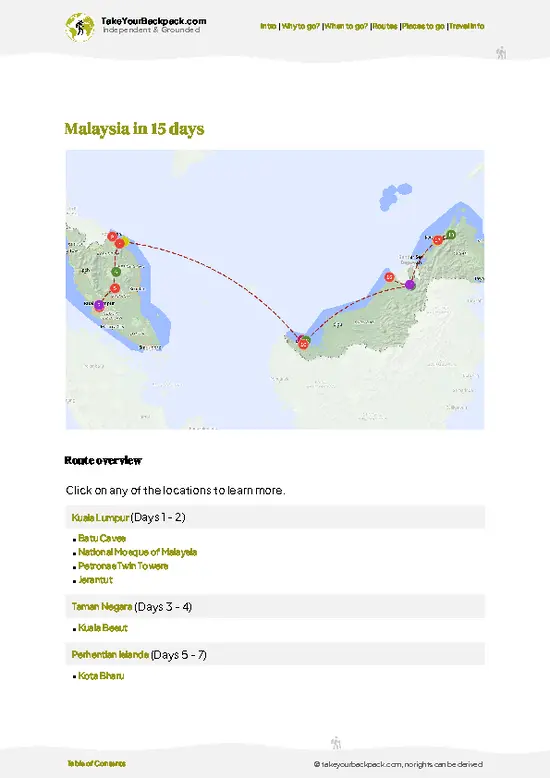
- Wisma Sanyan — The landmark high-rise that punctuates Sibu’s skyline. It’s a good reference point, has shops and events on the lower floors, and you’ll hear locals point to it when giving directions — handy for getting your bearings.
- Lau King Howe Hospital Memorial Museum — A small, surprisingly interesting museum about the old colonial-era hospital and Sibu’s medical history. It’s compact, full of photos and stories, and gives a real sense of how the town developed in the 20th century.
- Sibu Central Market — Where everyday life happens. Fresh produce, dried goods, snacks, and local hawker stalls: ideal for tasting Foochow-style bites and seeing how locals shop. Great for photography and cheap, honest food.
- Sibu Waterfront / Rajang Riverfront — A relaxed riverside promenade with views
- Wisma Sanyan — The landmark high-rise that punctuates Sibu’s skyline. It’s a good reference point, has shops and events on the lower floors, and you’ll hear locals point to it when giving directions — handy for getting your bearings.
- Lau King Howe Hospital Memorial Museum — A small, surprisingly interesting museum about the old colonial-era hospital and Sibu’s medical history. It’s compact, full of photos and stories, and gives a real sense of how the town developed in the 20th century.
- Sibu Central Market — Where everyday life happens. Fresh produce, dried goods, snacks, and local hawker stalls: ideal for tasting Foochow-style bites and seeing how locals shop. Great for photography and cheap, honest food.
- Sibu Waterfront / Rajang Riverfront — A relaxed riverside promenade with views of the Rajang River, river traffic, and evening life. Good for a stroll at sunset, watching boats, and catching impromptu street food or festivals.
- Tua Pek Kong Temple (Sibu) — One of the town’s active Chinese temples, vibrant with color and daily rituals. Visiting gives a close-up on local Chinese faith practices and the community’s links to Sibu’s history.
- Sibu Heritage Centre — Exhibits and displays about the different communities that shaped Sibu — Foochow migrants, Dayak groups, and more. It helps connect what you see on the streets with the town’s wider cultural story.
- Old Shophouse/Old Town Area — Wander the older shophouse streets and you’ll find faded signboards, kopi shops, and small family businesses — the texture of Sibu. It’s low on tourist gloss and high on atmosphere.
- Lanang Bridge viewpoints — The approaches and viewpoints around the bridge offer different perspectives of the river and town. Not a museum, but useful for photography and seeing how the modern town links to riverside life.
- Local Hawker Centres & Coffee Shops — Not a single venue, but the cluster of open-air stalls and kopitiams where locals eat. The real Sibu is tasted here: simple noodles, kueh, and kopi — cheap, filling, and culturally telling.
- Sibu Civic/Cultural Events (check local listings) — Sibu’s true character often shows up at small fairs, Chinese New Year performances, or community festivals held in town halls and parks. Timing matters — check what’s on and you’ll catch local music, dances, and food stalls.
Spotted a mistake or missing something? Contact us.

 Best Backpacking
.jpg) Hi, I’m Johan (Netherlands 🇳🇱), the creator of TakeYourBackpack. Over the past 3 decades, I’ve backpacked through 90+ countries across six continents, gaining extensive experience with independent travel, long-term trips, and overland routes.
Hi, I’m Johan (Netherlands 🇳🇱), the creator of TakeYourBackpack. Over the past 3 decades, I’ve backpacked through 90+ countries across six continents, gaining extensive experience with independent travel, long-term trips, and overland routes.