×

Mali🇲🇱 | townsDiémaSahelian plains, livestock trading, transit stop | things to do and best time to go

Explore KolokaniExplore Youwarou

Backpacking in Diéma
👌 Worth visitingtown ranked #19
By Johan Kruseman 🇳🇱 | Updated September 3, 2026

The real fork in the road at Diéma is whether to pause here or push on—because Diéma, set in western Mali between Kayes and Nioro du Sahel, is less a destination than a crossroads. The town’s dust and diesel linger in the air, but so does the relief of a cold drink after hours on the road. For backpackers, Diéma is a practical stop: a place to regroup, grab a plate of rice and sauce, and catch your breath before the next leg. There’s no old town to wander or nightlife to chase, but the market’s rhythm and the slow, social evenings offer a glimpse of daily Malian life. Transport is straightforward—bush taxis and buses rule, and everything you need is within a short walk. It’s quieter and less touristy than Kayes, but also less scenic; think utility over charm. Costs are low, safety is typical for rural Mali (caution, but not paranoia), and you’ll likely be the only foreigner in town—so don’t expect a hostel crowd, but do expect curious, genuine smiles.

Discover everything you want to know in the 📖 Mali Travel Guide.
Safety warning

The current risk level for Mali is high. Check the advice before going.


Get your Mali guide
72 ranked highlights, routes & tips, works offline (299 pages)
Loading the map 🌍
CLICK TO FILTER
cities
towns
landmarks
national parks
hikes
attractions
festivals
regions
SHOW COUNTRY’S BESTSHOW ALL

✨ Why go?
Ranked #19 town in Mali
Reasons people choose to visit here

Diéma serves as a gateway for backpackers exploring Mali’s rugged beauty. Its walkable streets invite you to meander, soaking in the local vibe. Small-scale guesthouses offer cozy beds and a chance to connect with fellow travelers. The local food is a treat; savor spicy stews and fresh bread while chatting with friendly locals. It’s a perfect base for hikes into nearby landscapes or cultural sites, making it ideal for slow travelers and solo adventurers. Most visitors stay a few days, enjoying the balance of social atmosphere and quiet moments. If you’re seeking a genuine experience, Diéma is a worthwhile stop.
Want to include Diéma in your Mali route?
Create a personalized Mali itinerary that includes Diéma and the places that fit your trip — based on your travel style, budget, and available time. Get your route in seconds.

Generate my trip

💡 HighlightsMust-see experiences and standout moments

  • Marché central (Central Market) — The town’s busiest place from dawn: stalls of millet, spices, cheap clothes and second-hand shoes, great for snacks, photographing daily life, and practicing a few Bambara phrases with vendors.
  • Grande Mosquée de Diéma (Main Mosque) — The spiritual heart where Friday prayers gather the town; even if you don’t enter, the courtyard rhythms and call to prayer give a clear sense of local life and belief.
  • Marché aux bestiaux (Livestock Market) — A weekly spectacle of herders, cattle and bargaining that reveals pastoral economy, local dress and the Sahelian trading tempo — lively, dusty, and excellent for people-watching.
  • Place de la Mairie (Town Hall and Square) — Where official business, election posters and informal gatherings happen; a good spot to catch
read more 👉
  • Marché central (Central Market) — The town’s busiest place from dawn: stalls of millet, spices, cheap clothes and second-hand shoes, great for snacks, photographing daily life, and practicing a few Bambara phrases with vendors.
  • Grande Mosquée de Diéma (Main Mosque) — The spiritual heart where Friday prayers gather the town; even if you don’t enter, the courtyard rhythms and call to prayer give a clear sense of local life and belief.
  • Marché aux bestiaux (Livestock Market) — A weekly spectacle of herders, cattle and bargaining that reveals pastoral economy, local dress and the Sahelian trading tempo — lively, dusty, and excellent for people-watching.
  • Place de la Mairie (Town Hall and Square) — Where official business, election posters and informal gatherings happen; a good spot to catch street conversation, transport departures and the pulse of community news.
  • Former cercle administrative building — The old colonial-era administrative hub near the centre; architecturally simple but historically telling, it’s a place to imagine Diéma’s past role in regional administration.
  • Artisan quarter and leatherworkers — Small workshops where craftsmen dye leather, weave mats and repair household gear; you can watch work, haggle over a practical souvenir, and support local skills directly.
  • Griot houses and impromptu music spots — Family compounds or café corners where storytellers and musicians practice — hearing a local praise song or kora piece in person is the quickest route to understanding cultural memory.
  • Gare routière (Bus/transport hub) — Chaotic, noisy and indispensable: the transport hub is where routes meet, fares are negotiated and travel stories get traded — excellent for orientation and catching onward buses.
  • Women’s market and cooperatives — Areas run mostly by women selling foodstuffs, shea butter and handmade goods; these stalls show daily subsistence economy and are friendlier for conversations and small purchases.
  • Community well / gathering point — A simple but social spot where water collection, gossip and chores intersect; visiting in the morning gives a real, unfiltered look at everyday routines.
A few easy day trips from Diéma include the regional hub of Kayes, the historic trading town of Nioro, and the smaller rural villages and riverbanks in the surrounding Diéma cercle that show traditional village life.
Spotted a mistake or missing something? Contact us.
🏘️ NeighborhoodsHow different areas shape the experience

Diéma offers a unique blend of culture and accessibility, making it a fascinating stop for backpackers.

Centre Ville: This is the heartbeat of Diéma. You’ll find bustling markets and local eateries. It’s walkable, with a vibrant atmosphere that pulses with life. Perfect for short stays, but it can get noisy at night.

Quartier des Artisans: A quieter area, ideal for those seeking a more laid-back vibe. Here, you can watch artisans at work and enjoy local crafts. It’s less touristy, making it a great spot for longer stays.

Zone Résidentielle: This neighborhood offers a glimpse into daily life. It’s more spacious and peaceful, with fewer distractions. Transport access is decent, but you’ll need to walk a bit to reach the main attractions. Perfect for those who want to immerse themselves in local culture.

⌛️ 1 day1-day itinerary for Diéma

Diéma, Mali, is a vibrant tapestry of daily life, where the pulse of the market mingles with the scent of spices and the laughter of children. Start your morning at the bustling market in the heart of the town. The air is thick with the aroma of fresh produce and local delicacies. Grab a flaky *brioche* from a street vendor and sip on sweet, milky tea while soaking in the lively chatter around you.

In the afternoon, wander through the narrow streets of the *Quartier de la Gare*. Here, you’ll find artisans crafting intricate woodwork and textiles. Stop by the small workshop of a local craftsman, where you can see the meticulous process of creating traditional Malian masks. This isn’t on the usual tourist path, but it’s a genuine glimpse into the culture.

As the sun sets, head to the banks … read more 👉
Diéma, Mali, is a vibrant tapestry of daily life, where the pulse of the market mingles with the scent of spices and the laughter of children. Start your morning at the bustling market in the heart of the town. The air is thick with the aroma of fresh produce and local delicacies. Grab a flaky *brioche* from a street vendor and sip on sweet, milky tea while soaking in the lively chatter around you.

In the afternoon, wander through the narrow streets of the *Quartier de la Gare*. Here, you’ll find artisans crafting intricate woodwork and textiles. Stop by the small workshop of a local craftsman, where you can see the meticulous process of creating traditional Malian masks. This isn’t on the usual tourist path, but it’s a genuine glimpse into the culture.

As the sun sets, head to the banks of the Niger River. The golden light reflects off the water, creating a serene backdrop for your evening. Enjoy a simple dinner at a local eatery, savoring spicy *tiguadege na* while listening to the sounds of the night. This day in Diéma isn’t just about sights; it’s about feeling the rhythm of life here.
Turn your Diéma visit into an Mali adventure
Build a complete Mali route with Diéma, hidden gems, must-see destinations, and realistic travel times included.

Generate my trip

🌤️ When to go?Seasonal considerations and timing


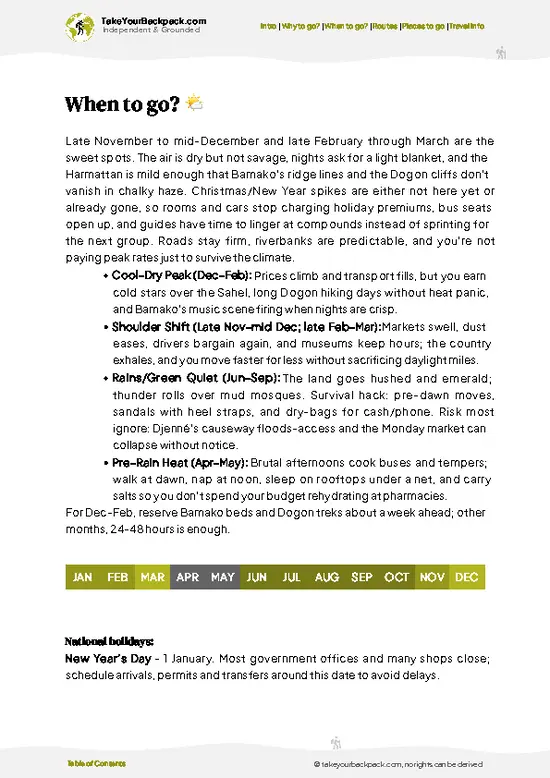
  • Weather: The dry season from November to February offers clear skies and minimal dust, making trekking and exploring more comfortable. Avoid the rainy season (June to September) when heavy rains turn paths to mud and rivers swell unpredictably.

  • Temperature: Daytime highs in the dry season hover around 30°C (86°F), dropping to a pleasant 15°C (59°F) at night. The hot season (March to May) can scorch you with highs near 40°C (104°F), sapping energy fast.

  • Daylight Hours: Expect roughly 11 to 12 hours of daylight year-round, with sunrise around 6:30 AM and sunset near 6:30 PM, giving you ample time for hikes and village visits without rushing.

  • Crowds: Diéma sees few tourists year-round, but the dry season attracts local festivals and markets, adding vibrant energy without overwhelming
read more 👉

  • Weather: The dry season from November to February offers clear skies and minimal dust, making trekking and exploring more comfortable. Avoid the rainy season (June to September) when heavy rains turn paths to mud and rivers swell unpredictably.

  • Temperature: Daytime highs in the dry season hover around 30°C (86°F), dropping to a pleasant 15°C (59°F) at night. The hot season (March to May) can scorch you with highs near 40°C (104°F), sapping energy fast.

  • Daylight Hours: Expect roughly 11 to 12 hours of daylight year-round, with sunrise around 6:30 AM and sunset near 6:30 PM, giving you ample time for hikes and village visits without rushing.

  • Crowds: Diéma sees few tourists year-round, but the dry season attracts local festivals and markets, adding vibrant energy without overwhelming the town.

  • Seasonal Activities: The dry months coincide with cultural events and easier access to remote villages, letting you experience authentic life and traditional crafts at their peak.

  • Price Fluctuations: Prices for lodging and guides rise slightly in the dry season due to demand but remain reasonable compared to more touristy spots. The rainy season offers cheaper rates but at the cost of comfort and accessibility.


Pro-tip: Aim for late November to early February—cool, dry, and alive with local color—so you earn every breathtaking moment without battling heat or mud.


source: climatestotravel.comJANJanuary: excellent for travelingFEBFebruary: excellent for travelingMARMarch: fair for travelingAPRApril: fair for travelingMAYMay: fair for travelingJUNJune: below average for travelingJULJuly: below average for travelingAUGAugust: below average for travelingSEPSeptember: below average for travelingOCTOctober: good for travelingNOVNovember: highly recommended for travelingDECDecember: excellent for traveling
when-to-go

✈️ The backpacker research shortcutMali Travel Guide

An offline-friendly backpacking guide with optimized travel routes, ranked highlights, transport advice, and the best areas to stay.
example page 0 from our offline Travel Guide for Mali
example page 1 from our offline Travel Guide for Mali
example page 2 from our offline Travel Guide for Mali
example page 3 from our offline Travel Guide for Mali
example page 4 from our offline Travel Guide for Mali
example page 5 from our offline Travel Guide for Mali
example page 6 from our offline Travel Guide for Mali
example page 7 from our offline Travel Guide for Mali
The digital guide (299 pages) contains:
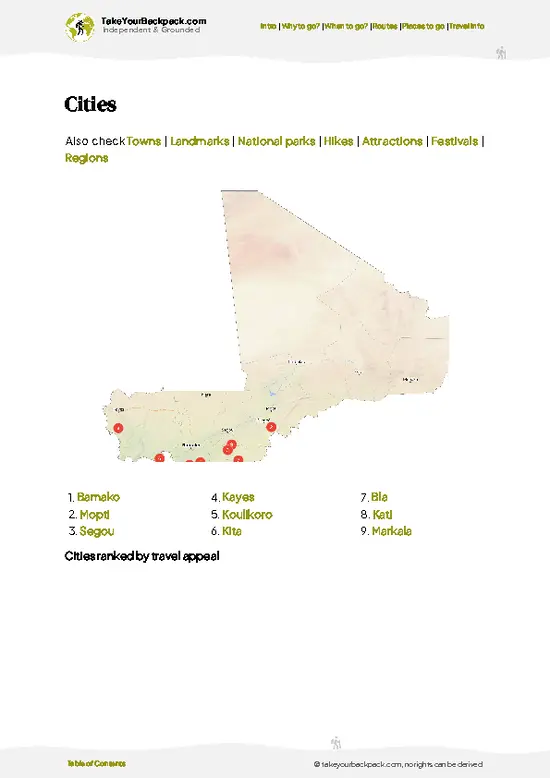
72 highlights, ranked by travel appeal
Optimized 5, 10 & 15-day travel routes
Cities, national parks, landmarks, beaches
How to get around
Offline-friendly for travel without Wi-Fi
👉 Click to see all 30+ guide features

📅 Plan smarter in minutes, not weeks
Month by month travel advice
Festivals & national holidays
Budget expectations

🗺️ Go to the right places, skip the overrated ones
Honest pros & cons of destinations
Top hikes, parks & viewpoints
Lesser-known places most travelers miss
Clear “worth it vs skip it” guidance

🛏️ Travel smoothly without rookie mistakes
Best areas to stay
Transport systems explained simply
Common scams & safety advice
SIM cards, money & practical tips

🌍 Understand the country, not just visit it
Culture & traditions
52 Essential phrases & customs
Festivals worth planning around
Traveler-friendly historical context
Insights that make places more meaningful

📱 Built for real travel conditions
Fully downloadable PDF
Works completely offline
Optimized for phone use
Useful in remote areas & buses
Everything in one place
Save weeks of stressful planning
Get instant access to your full guide. 30‑day money-back guarantee.
+ Add another guide for just US$7.80

By proceeding you agree to our terms.
Sent to your inbox immediately after payment • 100% Secure Checkout
Best Backpacking Travel Advisor 2025 tourism awardBest Backpacking
Travel Advisor
2025
What others say about Take Your Backpack Guides:
⭐⭐⭐⭐⭐
Fantastic, amazing amount of information!
⭐⭐⭐⭐⭐
My goodness this is amazing, it's what I've been looking for hats off too you!
⭐⭐⭐⭐⭐
I think this is absolutely BRILLIANT
⭐⭐⭐⭐
Very complete and informative. It's still missing places, but I gotta to commend you
⭐⭐⭐⭐⭐
This is truly amazing, thank you, can't wait to explore it with my kids!
⭐⭐⭐⭐⭐
Awesome resource, thank you!
⭐⭐⭐⭐⭐
This is amazing! Can't wait to explore the ones I haven't seen
⭐⭐⭐⭐
I love this! Well done, great idea.
⭐⭐⭐⭐⭐
Thanks for taking the time to make this gem!
⭐⭐⭐⭐⭐
This might be the best website I've ever seen.
⭐⭐⭐⭐⭐
Congratulations, and thank you so much for your work; it's incredibly valuable.
⭐⭐⭐⭐
In all seriousness I think you did a great job pointing out the important spots
⭐⭐⭐⭐⭐
10/10 very good
⭐⭐⭐⭐⭐
As someone who's only just starting to visit regularly this is awesome, thank you.
⭐⭐⭐⭐
Thank you very much! I'm going to visit my dad, it's going to be very useful!
⭐⭐⭐⭐⭐
This is really cool! We'll be travelling for the first time and this definitely come in handy.
⭐⭐⭐⭐⭐
You are now our minister of culture, congratulations 👨‍💼
⭐⭐⭐⭐⭐
Just wanted to tell you that this is a pearl! Going to follow your recommendations.
⭐⭐⭐⭐⭐
This is so cool. I'll definitely be using the resource for my travels soon.
⭐⭐⭐⭐⭐
This is very impressive! Good work.
⭐⭐⭐⭐⭐
This is an amazing and informative site. Very well done!

🛏️ Where to stay?Choosing the right base

In Diéma, the best spot for backpackers is the town center, where the pulse of daily life hums strongest. This area is compact, making it easy to navigate on foot, and it’s where you’ll find the few budget guesthouses and informal hostels that cater to solo travelers. The streets here carry the scent of fresh market spices and the sound of local chatter, creating a social atmosphere that’s both safe and inviting. Compared to the quieter, more residential outskirts, staying central means you’re steps away from food stalls, transport links, and the kind of spontaneous connections that turn a simple stopover into a memorable chapter.

🚌 Getting aroundHow to get from A to B

Diéma moves at its own rhythm—less clockwork, more pulse. The sun hits the dusty streets with a fierce clarity by mid-morning, and that’s when the town wakes fully, not with a bang but a slow swell of voices, scooters, and the occasional clatter of a donkey cart. Timetables exist, but they’re more like guidelines scribbled in sand, shifting with the mood of the day and the whims of drivers. You’ll find the best way to get around is to tune into this flow, blending patience with a readiness to jump on the next ride that feels right. The air carries a mix of earth and cooking fires, grounding you in the moment even as you navigate the practicalities of transit.


  • Walking: The heart of Diéma is compact enough to explore on foot, especially early morning or late afternoon when the heat softens;
read more 👉
Diéma moves at its own rhythm—less clockwork, more pulse. The sun hits the dusty streets with a fierce clarity by mid-morning, and that’s when the town wakes fully, not with a bang but a slow swell of voices, scooters, and the occasional clatter of a donkey cart. Timetables exist, but they’re more like guidelines scribbled in sand, shifting with the mood of the day and the whims of drivers. You’ll find the best way to get around is to tune into this flow, blending patience with a readiness to jump on the next ride that feels right. The air carries a mix of earth and cooking fires, grounding you in the moment even as you navigate the practicalities of transit.


  • Walking: The heart of Diéma is compact enough to explore on foot, especially early morning or late afternoon when the heat softens; it’s free, flexible, and lets you soak in the town’s textures and smells up close.

  • Shared Taxis: These minibuses run irregularly from dawn until dusk, costing about 200-300 CFA per trip; they’re the fastest way to cover longer distances but expect stops and starts as they fill up.

  • Motorcycle Taxis (Moto): Available all day, these dart through traffic and narrow alleys, charging around 100-200 CFA for short hops; they’re quick but hold on tight and be ready for a bumpy ride.

  • Donkey Carts: A slower, more local mode, perfect for short trips or carrying goods; negotiate prices upfront, usually under 500 CFA, and enjoy the unhurried pace that lets you see the town from a different angle.

👛 Costs (as of 3 September 2026)Travel costs and budget guide for Diéma

Backpacking in Diéma, Mali, means embracing simplicity and local rhythms, with costs reflecting the town’s modest scale and limited tourist infrastructure. Here’s what you can expect to spend daily:
  • Dorm Accommodation: Options are sparse and basic, often in guesthouses or small inns rather than formal hostels. Expect to pay around €5-€10 per night for a shared room or simple lodging. The rooms are functional, with minimal amenities, but clean enough to rest after a day of exploring.
  • Meals: Eating local is both a necessity and a treat. Street food and small local eateries offer filling meals for about €1-€3 each. A typical day’s food budget might hover around €3-€6, covering breakfast, lunch, and dinner. Expect staple dishes like millet porridge, rice with sauce, or grilled meat, often accompanied
read more 👉
Backpacking in Diéma, Mali, means embracing simplicity and local rhythms, with costs reflecting the town’s modest scale and limited tourist infrastructure. Here’s what you can expect to spend daily:
  • Dorm Accommodation: Options are sparse and basic, often in guesthouses or small inns rather than formal hostels. Expect to pay around €5-€10 per night for a shared room or simple lodging. The rooms are functional, with minimal amenities, but clean enough to rest after a day of exploring.
  • Meals: Eating local is both a necessity and a treat. Street food and small local eateries offer filling meals for about €1-€3 each. A typical day’s food budget might hover around €3-€6, covering breakfast, lunch, and dinner. Expect staple dishes like millet porridge, rice with sauce, or grilled meat, often accompanied by fresh, local produce.
  • Local Transport: Transport options are limited and informal. Shared taxis or bush taxis are the norm, with short rides costing roughly €0.50-€1.50. If you’re moving around town or nearby villages, budget around €1-€3 daily. Walking is common and often the best way to soak in the atmosphere.
  • Basic Activities/Entry Fees: Diéma isn’t a hotspot for paid tourist attractions. Most cultural experiences come from wandering markets, visiting local mosques, or chatting with residents, which are free. If you do encounter any small entry fees for local sites or events, they’ll be minimal—around €1 or less.
  • Miscellaneous Expenses: This covers essentials like water, snacks, or occasional phone credit. Plan for about €1-€2 daily. Bottled water is a must in this climate, and local SIM cards or top-ups are cheap but necessary for staying connected.

In total, a realistic daily budget for backpacking in Diéma falls between €10 and €20. This range gives you enough to cover basic lodging, local meals, transport, and small extras without cutting corners on essentials. The modest costs reflect the town’s quiet pace and straightforward lifestyle, making it accessible for travelers who value authenticity over luxury.
⚠️ Prices can change and everyone travels differently, so take this as a rough guide. Hope it helps you plan your adventure!

🚌 Day tripsEasy escapes and nearby places

Diéma, Mali, serves as a fantastic launchpad for day trips that reveal the heart of West Africa. The vibrant culture, rich history, and stunning landscapes are just a bus ride away.

Bandiagara Escarpment
This UNESCO World Heritage site is a must-see. The dramatic cliffs rise steeply, offering breathtaking views and a glimpse into the Dogon culture. It takes about two hours to reach the nearest village, and you can expect to spend around $10 for transport. The best time to visit is during the dry season, from November to February, when the air is crisp and the skies are clear. A common mistake is underestimating the hike; wear sturdy shoes and bring plenty of water.
👉 Explore Bandiagara Escarpment

Sikasso
Just a three-hour ride from Diéma, Sikasso is a lively town with a rich history. … read more 👉
Diéma, Mali, serves as a fantastic launchpad for day trips that reveal the heart of West Africa. The vibrant culture, rich history, and stunning landscapes are just a bus ride away.

Bandiagara Escarpment
This UNESCO World Heritage site is a must-see. The dramatic cliffs rise steeply, offering breathtaking views and a glimpse into the Dogon culture. It takes about two hours to reach the nearest village, and you can expect to spend around $10 for transport. The best time to visit is during the dry season, from November to February, when the air is crisp and the skies are clear. A common mistake is underestimating the hike; wear sturdy shoes and bring plenty of water.
👉 Explore Bandiagara Escarpment

Sikasso
Just a three-hour ride from Diéma, Sikasso is a lively town with a rich history. Explore the bustling markets, where the scent of spices fills the air, and visit the impressive ruins of the old fortress. Budget around $15 for the round trip. The ideal time to go is early morning, when the town is waking up and the light is perfect for photos. Many first-timers miss the local street food; don’t skip the grilled skewers!


Lake Sélingué
A serene escape about an hour away, Lake Sélingué offers a refreshing break. You can swim, fish, or simply relax by the water. The trip costs around $5, making it a budget-friendly option. Visit in the late afternoon to catch the sunset, which paints the sky in vibrant hues. A common oversight is not bringing a picnic; pack some snacks to enjoy by the shore.
Want to know what more Mali offers?
The Mali Travel Guide describes 72 highlights, from cities to national parks, from beaches to hikes

Get the Travel Guide -

🛡️ SafetyStaying Safe: What Travelers Should Know

Diéma is generally safe, but like anywhere, a little awareness goes a long way. Stick to well-lit areas at night, especially if you’re solo. The market can be bustling, and while most vendors are friendly, be cautious of overly eager sellers. They might try to upsell or distract you while another person approaches. Keep your belongings close and be mindful of your surroundings. A confident demeanor and a friendly smile can often disarm potential annoyances. Enjoy the vibrant atmosphere, but stay grounded in your surroundings.

FAQFrequently asked questions about Diéma

Diéma is primarily a stopover rather than a destination for extended visits. It is a small town with limited tourist infrastructure and attractions, mainly serving travelers moving through the Kayes region. The town offers basic markets and local culture but lacks significant sights for long stays.
One day is generally sufficient to experience Diéma. This allows time to explore the local market and interact with residents without rushing. Staying longer is uncommon unless using it as a rest point during travel across western Mali.
Yes, Diéma can be visited as a day trip from Kayes, which is about 135 kilometers away. The journey by road takes roughly 3 to 4 hours each way, making a day trip feasible but long. Travelers should plan for early departure and late return to maximize time in Diéma.
⚠️ Things can change over time, so always validate details locally before you go.

Other Malian towns near Diéma

Explore more nearby:

  • Kolokani—Traditional markets, Fulani settlements, rural crossroads| 165 km away
  • Bafoulabé—River confluence, colonial relics, ferry crossing| 194 km away
  • Kéniéba—Gold mining, border proximity, hilly terrain| 290 km away

💡 Not sure where to go next?
Create a personalized itinerary for Mali including Diéma and the places that fit your trip.

Generate my itinerary

👉 Discover all towns

Or checkout all Mali has to offer (think cities, towns, villages, national parks, hikes, beaches, festivals)
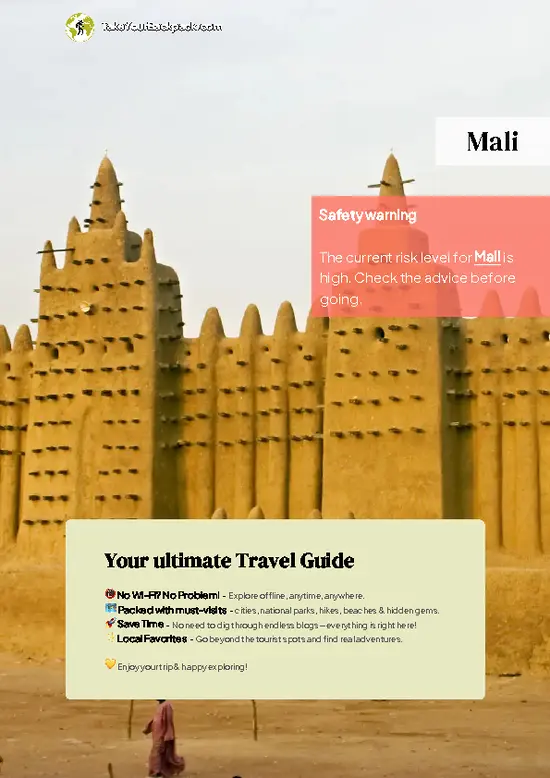
Country photo of Mali

We 💚 feedbackParting advice and final tips

Diéma pulses with life, especially at sunset when the sky ignites in orange and purple. The best surprise? The warmth of the locals; they’ll share stories over sweet mint tea. Just be ready for the heat—stay hydrated, and embrace the slower pace.

✍️ Help improve this page!
The information on this page is based on in-depth research, insights shared by experienced travelers, and feedback from the local travel community in Mali. While every effort is made to keep the information accurate and current, conditions can change — so if you spot anything incorrect or outdated, please get in touch.


🙋‍♂️ Give feedback

👋 Meet the founderWho’s Behind Take Your Backpack?

Johan, backpacker and founder of TakeYourBackpackHi, I’m Johan (Netherlands 🇳🇱), the creator of TakeYourBackpack. Over the past decade, I’ve backpacked through 80+ countries across six continents, gaining extensive experience with independent travel, long-term trips, and overland routes.

This site is built on a combination of firsthand travel experience and carefully curated insights from other backpackers. Many guides are based on places I’ve personally visited, while others bring together tips, observations, and practical advice shared by trusted travelers I’ve met along the way.

The goal is to provide realistic, experience-driven guidance — not generic itineraries — so you can explore destinations with better context, clearer expectations, and more confidence.

Get full Mali guide •
Instant download • 72 highlights • Full Offline guide