v2.webp)
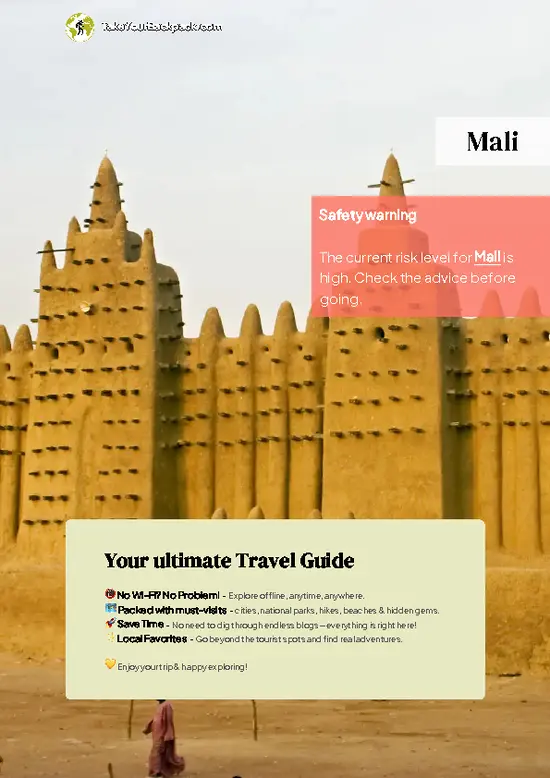
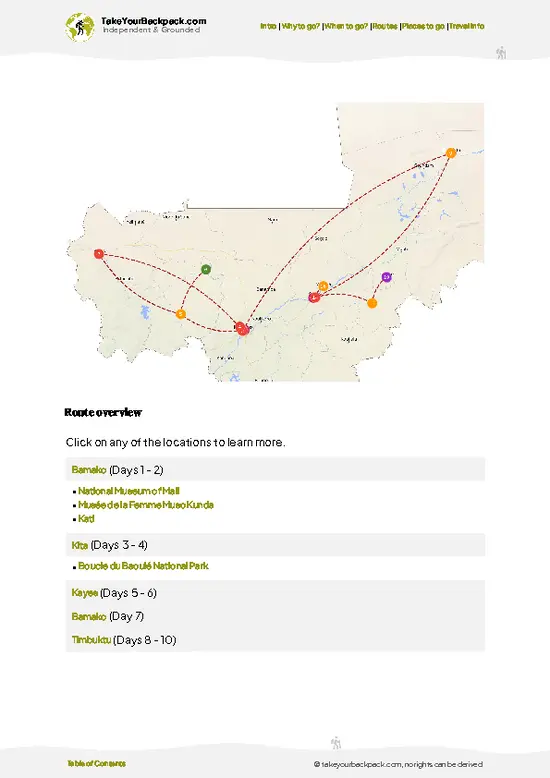
- Niono Market: The town’s trading hub, piled with local rice, millet, fish from the canals and cloth. Go in the morning when stalls are full. Free to enter, 1 to 2 hours.
- Canal banks of the Office du Niger: Walk or cycle the earthen paths beside the irrigation canals, with paddies, herons and women washing clothes. Best in the cooler morning. Free, 2 to 3 hours.
- Rice fields around town: The paddies are greenest after the rains and golden at harvest. Farmers often welcome a polite greeting and a chat. Free, 1 to 2 hours.
- Rice mills: Local mills husk the harvest, and the noise and dust show how the grain reaches your plate. Ask permission at the gate first. Usually free, 30 minutes.
- Evening tea stands: Sit with the men brewing three rounds of sweet green tea by the roadside. Best after sunset. About
- Niono Market: The town’s trading hub, piled with local rice, millet, fish from the canals and cloth. Go in the morning when stalls are full. Free to enter, 1 to 2 hours.
- Canal banks of the Office du Niger: Walk or cycle the earthen paths beside the irrigation canals, with paddies, herons and women washing clothes. Best in the cooler morning. Free, 2 to 3 hours.
- Rice fields around town: The paddies are greenest after the rains and golden at harvest. Farmers often welcome a polite greeting and a chat. Free, 1 to 2 hours.
- Rice mills: Local mills husk the harvest, and the noise and dust show how the grain reaches your plate. Ask permission at the gate first. Usually free, 30 minutes.
- Evening tea stands: Sit with the men brewing three rounds of sweet green tea by the roadside. Best after sunset. About €0.30 to 0.60, 1 hour.
Spotted a mistake or missing something? Contact us.

 Best Backpacking
.jpg) Hi, I’m Johan (Netherlands 🇳🇱), the creator of TakeYourBackpack. Over the past 3 decades, I’ve backpacked through 90+ countries across six continents, gaining extensive experience with independent travel, long-term trips, and overland routes.
Hi, I’m Johan (Netherlands 🇳🇱), the creator of TakeYourBackpack. Over the past 3 decades, I’ve backpacked through 90+ countries across six continents, gaining extensive experience with independent travel, long-term trips, and overland routes.