×

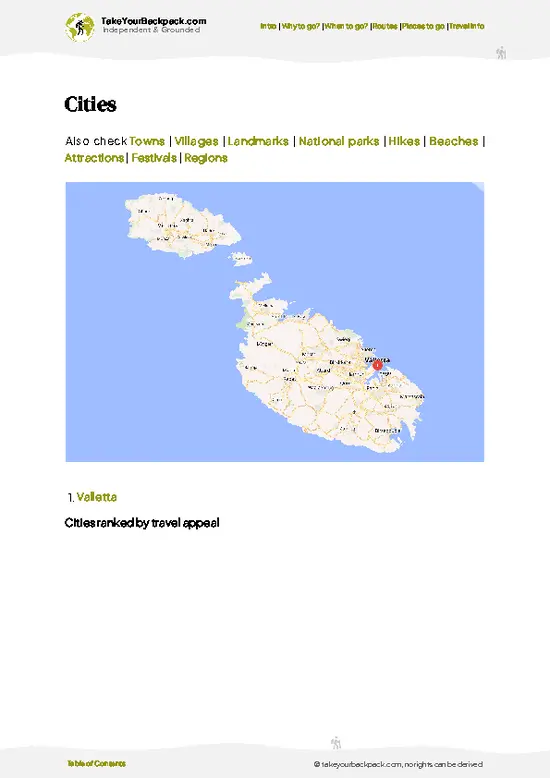
Malta🇲🇹 | townsKalkaraCreek quay, luzzu boats, naval cemetery, Bighi headland | things to do and best time to go

Explore Three CitiesExplore Marsaxlokk

Backpacking in Kalkara
👀 For curious travelerstown ranked #11
By Johan Kruseman 🇳🇱 | Updated November 6, 2026

The dghajsa boatman nudges his bow against the stone steps and Birgu’s fortified skyline slides across Kalkara Creek, gulls arguing overhead. Kalkara sits in the Grand Harbour area of eastern Malta, just southeast of Valletta, and it is a quiet fishing-village-turned-residential neighborhood. Streets are narrow and steep, the parish church anchors a small square, and cafés fill with locals rather than backpackers. Don’t expect hostels or nightlife here. Its value is calm creekside walks, a handful of honest bakeries and an easy hop to Birgu and Valletta, so meeting other travelers happens elsewhere. Reach it by bus or by ferry from Valletta, and bring cash for the small shops.

Discover everything you want to know in the 📖 Malta Travel Guide.


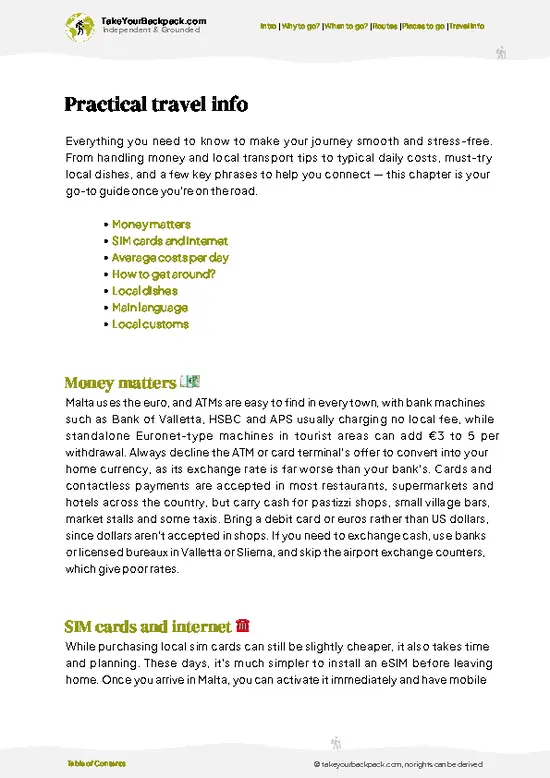
example page 0 from our offline Travel Guide for Malta
example page 1 from our offline Travel Guide for Malta
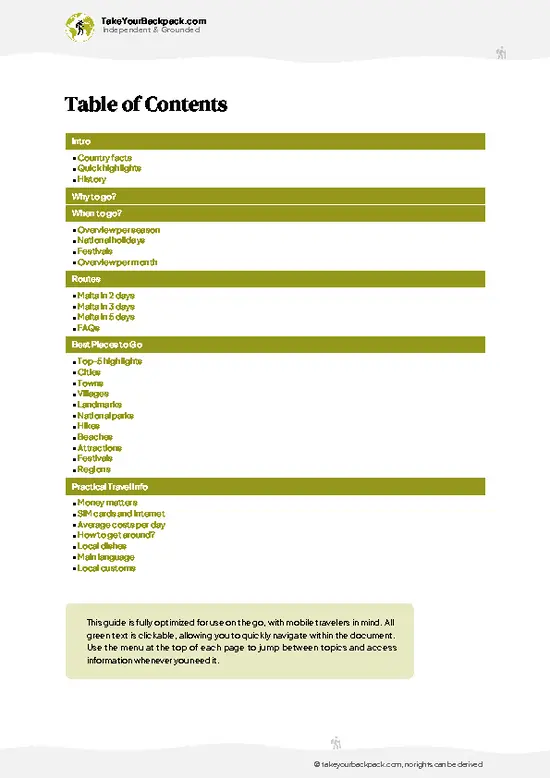
example page 2 from our offline Travel Guide for Malta
example page 3 from our offline Travel Guide for Malta
example page 4 from our offline Travel Guide for Malta
example page 5 from our offline Travel Guide for Malta
example page 6 from our offline Travel Guide for Malta
example page 7 from our offline Travel Guide for Malta
Loading the map 🌍
CLICK TO FILTER
cities
towns
landmarks
national parks
hikes
beaches
attractions
festivals
regions
SHOW COUNTRY’S BESTSHOW ALL

✨ Why go?
Ranked #11 town in Malta
What makes this town worth visiting

Kalkara works as a slow-travel pause rather than a headline stop. You come for the creek, where fishing boats rock beside the stone quay, and for the walk to Rinella Creek and the old shoreline paths that give a different angle on the harbor forts. It suits solo travelers who want a local rhythm: morning bread, a long wander, an evening drink with neighbors rather than a pub crawl. Most people stay a night or two at most, usually as a quieter alternative to Valletta or Sliema, and some simply drop in for an afternoon. The former Bighi Hospital, now the Esplora science center, and the Saint Joseph parish church give the town enough character to fill a few hours. Anyone chasing hostels, social dorms or late bars should look elsewhere.

💡 HighlightsKey sights and experiences for travelers

  1. Kalkara Creek waterfront: the heart of the village, where painted luzzu boats bob beside the quay and Birgu’s bastions face you across the water. It is free, takes 30 to 60 minutes, and is best when the light is soft and the fishermen are mending nets.
  2. Saint Joseph Parish Church: a baroque church on the main square, dedicated to the village patron and the center of local festa life. Entry is free, usually open around services, and 15 to 20 minutes is plenty. Visit in the morning.
  3. Bighi Hospital exterior: the grand neoclassical naval hospital on the headland, designed in the early 19th century, with big views across the harbor. Viewing from outside the grounds is free and takes about 30 minutes. Go on a clear afternoon.
  4. Chapel of St Roque, Wied Għammieq: a small chapel in the old cemetery that
… read more 👉
  1. Kalkara Creek waterfront: the heart of the village, where painted luzzu boats bob beside the quay and Birgu’s bastions face you across the water. It is free, takes 30 to 60 minutes, and is best when the light is soft and the fishermen are mending nets.
  2. Saint Joseph Parish Church: a baroque church on the main square, dedicated to the village patron and the center of local festa life. Entry is free, usually open around services, and 15 to 20 minutes is plenty. Visit in the morning.
  3. Bighi Hospital exterior: the grand neoclassical naval hospital on the headland, designed in the early 19th century, with big views across the harbor. Viewing from outside the grounds is free and takes about 30 minutes. Go on a clear afternoon.
  4. Chapel of St Roque, Wied Għammieq: a small chapel in the old cemetery that began with the 1837 cholera epidemic, rebuilt in the 1950s. Free to look at, 15 minutes, best combined with a coastal stroll.
  5. Kalkara Naval Cemetery: an old British naval burial ground in a walled hillside setting, where weathered headstones record sailors’ lives and ships. It is free, quiet, and takes 30 to 45 minutes. Late morning is peaceful.
Nearby, Birgu’s fortified streets and Fort Saint Angelo, the Three Cities, Valletta and the Rinella area are all easy day trips from Kalkara. Start with the creek waterfront, because the morning light and working boats set the tone for everything else.
Spotted a mistake or missing something? Contact us.

Things to do around Kalkara

Ratings based on Tripadvisor reviews. When you book through this link, you support our work at no extra cost to you.

🏘️ NeighborhoodsKey areas and districts to know

Kalkara is a small harbor town you can cross on foot in ten minutes, so think of it as three compact pockets rather than districts.
  • The Creek Front (Kalkara Marina): Boats rock against the quay below the old Naval Hospital, and the water here faces Valletta’s bastions across Grand Harbour. Walk it at dusk when the limestone walls go gold, and you get one of the best free skylines on the island.
  • The Village Core: Narrow lanes run up from the waterfront to the parish church of St. Joseph, with a bakery, a few bars and grocers selling pastizzi. Go in the morning and you leave with a warm pastizz and the feel of a place where everyone knows each other.
  • The Ridge and Bighi: The road climbs toward the former Bighi hospital, with wide views over the harbor mouth and the Fort Ricasoli side. It is steep,
… read more 👉
Kalkara is a small harbor town you can cross on foot in ten minutes, so think of it as three compact pockets rather than districts.
  • The Creek Front (Kalkara Marina): Boats rock against the quay below the old Naval Hospital, and the water here faces Valletta’s bastions across Grand Harbour. Walk it at dusk when the limestone walls go gold, and you get one of the best free skylines on the island.
  • The Village Core: Narrow lanes run up from the waterfront to the parish church of St. Joseph, with a bakery, a few bars and grocers selling pastizzi. Go in the morning and you leave with a warm pastizz and the feel of a place where everyone knows each other.
  • The Ridge and Bighi: The road climbs toward the former Bighi hospital, with wide views over the harbor mouth and the Fort Ricasoli side. It is steep, so go after the heat fades, and you are rewarded with breezy quiet.
Nightlife is mellow, mostly a drink on the waterfront. For louder evenings, Valletta and Birgu are a short hop away.

⌛️ 1 dayWhat you can realistically do in a day

8:30 AM, Kalkara Creek waterfront: Start here, because the creek is the village’s best face. Watch the boats, buy a pastry at a local bakery, and look across to Birgu’s bastions. Allow 45 minutes.
9:30 AM, Saint Joseph Parish Church: Walk uphill to the main square for the baroque facade and a quiet look inside. The streets are steep, so take it slowly.
10:30 AM, Kalkara Naval Cemetery: A lesser-known stop. Rows of weathered naval headstones sit on a hillside, each telling a short story of life at sea. It is peaceful and rarely crowded.
12:30 PM, Lunch in the village: Choose a small local café for ftira or pastizzi and a coffee. Sit outside if the sun is out.
2:00 PM, Bighi Hospital viewpoint: Walk along the shoreline toward the headland and take in the huge neoclassical building and harbor views. … read more 👉
8:30 AM, Kalkara Creek waterfront: Start here, because the creek is the village’s best face. Watch the boats, buy a pastry at a local bakery, and look across to Birgu’s bastions. Allow 45 minutes.
9:30 AM, Saint Joseph Parish Church: Walk uphill to the main square for the baroque facade and a quiet look inside. The streets are steep, so take it slowly.
10:30 AM, Kalkara Naval Cemetery: A lesser-known stop. Rows of weathered naval headstones sit on a hillside, each telling a short story of life at sea. It is peaceful and rarely crowded.
12:30 PM, Lunch in the village: Choose a small local café for ftira or pastizzi and a coffee. Sit outside if the sun is out.
2:00 PM, Bighi Hospital viewpoint: Walk along the shoreline toward the headland and take in the huge neoclassical building and harbor views. Stay about 40 minutes.
4:00 PM, Ferry or walk to Birgu: Cross the creek by boat or on foot and wander Birgu’s old streets until evening. A drink on the waterfront there closes the day well.

🌤️ When to go?Best time to visit Kalkara

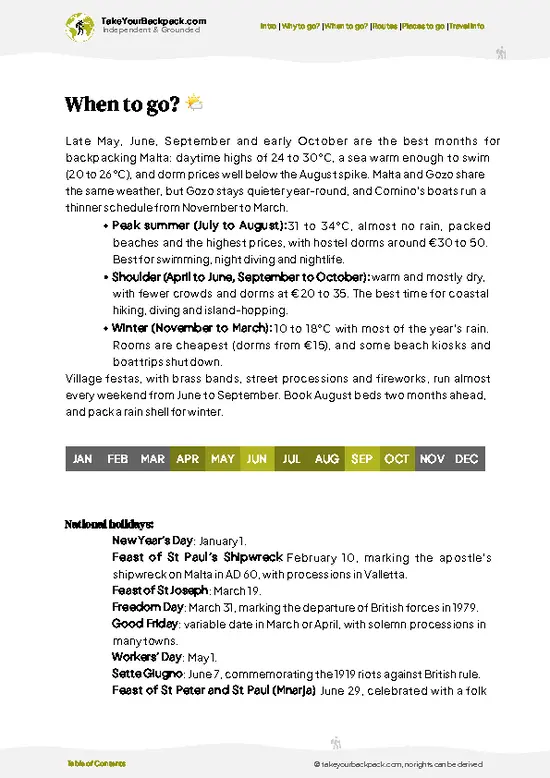
Kalkara is best between April and early June or from late September to October, when the sea is warm and the lanes are walkable.
  • Spring (March to May): 15 to 23°C (59 to 73°F), wildflowers on the ridge, lighter crowds and lower prices.
  • Summer (June to August): 27 to 33°C (81 to 91°F), long bright days, and heat that makes midday walking miserable. Harbor festivals and village feasts bring noise and higher prices.
  • Autumn (September to November): 19 to 28°C (66 to 82°F), swimmable water, and occasional heavy rain storms late in the season.
  • Winter (December to February): 10 to 16°C (50 to 61°F), windy and showery, with the cheapest beds and shorter daylight.
Aim for May or October for warm days and calm prices.

source: climatestotravel.comJANJanuary: fair for travelingFEBFebruary: fair for travelingMARMarch: good for travelingAPRApril: highly recommended for travelingMAYMay: highly recommended for travelingJUNJune: highly recommended for travelingJULJuly: good for travelingAUGAugust: good for travelingSEPSeptember: highly recommended for travelingOCTOctober: highly recommended for travelingNOVNovember: fair for travelingDECDecember: fair for traveling
malta-city-kalkara
© Google | Beata Matysiak

✈️ The backpacker research shortcutMalta Travel Guide

An offline-friendly backpacking guide with optimized travel routes, ranked highlights, transport advice, and the best areas to stay.
example page 0 from our offline Travel Guide for Malta
example page 1 from our offline Travel Guide for Malta
example page 2 from our offline Travel Guide for Malta
example page 3 from our offline Travel Guide for Malta
example page 4 from our offline Travel Guide for Malta
example page 5 from our offline Travel Guide for Malta
example page 6 from our offline Travel Guide for Malta
example page 7 from our offline Travel Guide for Malta
The digital guide (186 pages) contains:
✅ 52 highlights, ranked by travel appeal
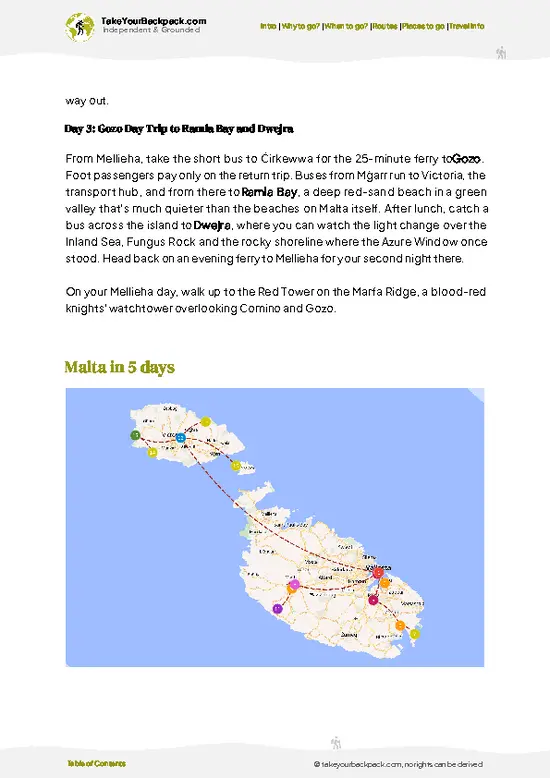
✅ Optimized 2, 3 & 5-day travel routes
✅ Cities, national parks, landmarks, beaches
✅ How to get around
✅ Offline-friendly for travel without Wi-Fi
👉 Click to see all 30+ guide features

📅 Plan smarter in minutes, not weeks
✅ Month by month travel advice
✅ Festivals & national holidays
✅ Budget expectations

🗺️ Go to the right places, skip the overrated ones
✅ Honest pros & cons of destinations
✅ Top hikes, parks & viewpoints
✅ Lesser-known places most travelers miss
✅ Clear “worth it vs skip it” guidance

🛏️ Travel smoothly without rookie mistakes
✅ Best areas to stay
✅ Transport systems explained simply
✅ Common scams & safety advice
✅ SIM cards, money & practical tips

🌍 Understand the country, not just visit it
✅ Culture & traditions
✅ 52 Essential phrases & customs
✅ Festivals worth planning around
✅ Traveler-friendly historical context
✅ Insights that make places more meaningful

📱 Built for real travel conditions
✅ Fully downloadable PDF
✅ Works completely offline
✅ Optimized for phone use
✅ Useful in remote areas & buses
✅ Everything in one place
Stop searching, start planning
Get instant access to your full guide. 30‑day money-back guarantee.
+ Add another guide for just

By proceeding you agree to our terms.
Sent to your inbox immediately after payment • 100% Secure Checkout
Best Backpacking Travel Advisor 2025 tourism awardBest Backpacking
Travel Advisor
2025
What others say about Take Your Backpack Guides:
⭐⭐⭐⭐⭐
Fantastic, amazing amount of information!
⭐⭐⭐⭐⭐
My goodness this is amazing, it's what I've been looking for hats off too you!
⭐⭐⭐⭐⭐
I think this is absolutely BRILLIANT
⭐⭐⭐⭐
Very complete and informative. It's still missing places, but I gotta to commend you
⭐⭐⭐⭐⭐
This is truly amazing, thank you, can't wait to explore it with my kids!
⭐⭐⭐⭐⭐
Awesome resource, thank you!
⭐⭐⭐⭐⭐
This is amazing! Can't wait to explore the ones I haven't seen
⭐⭐⭐⭐
I love this! Well done, great idea.
⭐⭐⭐⭐⭐
Thanks for taking the time to make this gem!
⭐⭐⭐⭐⭐
This might be the best website I've ever seen.
⭐⭐⭐⭐⭐
Congratulations, and thank you so much for your work; it's incredibly valuable.
⭐⭐⭐⭐
In all seriousness I think you did a great job pointing out the important spots
⭐⭐⭐⭐⭐
10/10 very good
⭐⭐⭐⭐⭐
As someone who's only just starting to visit regularly this is awesome, thank you.
⭐⭐⭐⭐
Thank you very much! I'm going to visit my dad, it's going to be very useful!
⭐⭐⭐⭐⭐
This is really cool! We'll be travelling for the first time and this definitely come in handy.
⭐⭐⭐⭐⭐
You are now our minister of culture, congratulations 👨‍💼
⭐⭐⭐⭐⭐
Just wanted to tell you that this is a pearl! Going to follow your recommendations.
⭐⭐⭐⭐⭐
This is so cool. I'll definitely be using the resource for my travels soon.
⭐⭐⭐⭐⭐
This is very impressive! Good work.
⭐⭐⭐⭐⭐
This is an amazing and informative site. Very well done!

🛏️ Where to stay?How to pick the right area

The best budget base near Kalkara is the neighboring Three Cities area, mainly Birgu, with Valletta a second option. Kalkara itself has very few beds, mostly guesthouses and apartment rentals, so you will rarely find a dorm in the village.
Birgu has the densest cluster of hostels and small guesthouses nearby, plus a quiet waterfront that feels safe to walk at night. Expect noise only around weekend bar evenings and during feast days. Kalkara is a 10 to 15 minute walk away, or a short bus ride.
Valletta has the most dorm choices and the best transport links, with every island route starting at its … read more 👉
The best budget base near Kalkara is the neighboring Three Cities area, mainly Birgu, with Valletta a second option. Kalkara itself has very few beds, mostly guesthouses and apartment rentals, so you will rarely find a dorm in the village.
Birgu has the densest cluster of hostels and small guesthouses nearby, plus a quiet waterfront that feels safe to walk at night. Expect noise only around weekend bar evenings and during feast days. Kalkara is a 10 to 15 minute walk away, or a short bus ride.
Valletta has the most dorm choices and the best transport links, with every island route starting at its main bus terminal. Streets are lively until late, so bring earplugs if you are a light sleeper. Beds are dearer there than in Birgu, so book early in summer.
If you want true calm, a rented room in Kalkara is peaceful after dark, and the bus connection to Valletta runs frequently through the day.

🚌 Getting aroundHow to get from A to B

Kalkara has no train station, so the first thing to know is that buses drop you at stops along the main road above Kalkara Creek, and from there it is a downhill stroll of five to ten minutes to the waterfront and the small square. The town is tiny and hilly in places, so most backpackers walk everything and use the bus only to reach Valletta, Birgu and beyond. Kalkara is quiet, traffic is light inside the old streets, and buses run reliably but crowd up at commuter hours.
  • Walking: Free, and the best way to see Kalkara. Lanes of honey-colored limestone houses drop toward the creek, with steep steps in places, so go slowly and you end up at the water with fishing boats and a view across to Birgu.
  • Public bus: Fare is €2.50 per journey in summer (14 June to 18 October) and €2 in winter. Services
… read more 👉
Kalkara has no train station, so the first thing to know is that buses drop you at stops along the main road above Kalkara Creek, and from there it is a downhill stroll of five to ten minutes to the waterfront and the small square. The town is tiny and hilly in places, so most backpackers walk everything and use the bus only to reach Valletta, Birgu and beyond. Kalkara is quiet, traffic is light inside the old streets, and buses run reliably but crowd up at commuter hours.
  • Walking: Free, and the best way to see Kalkara. Lanes of honey-colored limestone houses drop toward the creek, with steep steps in places, so go slowly and you end up at the water with fishing boats and a view across to Birgu.
  • Public bus: Fare is €2.50 per journey in summer (14 June to 18 October) and €2 in winter. Services link Kalkara with Valletta in roughly 15 to 25 minutes depending on traffic, and the Explore card (€25 for 7 days) pays off fast if you plan several trips. Sit on the left going out for glimpses of Grand Harbour.
  • Walk to Birgu: Around 15 to 20 minutes along the waterfront, free and mostly flat. You arrive among the yachts and cafés of Vittoriosa Marina, which is a good spot for an unhurried coffee.
  • Harbour ferry and dgħajsa: From Birgu, small water taxis cross to Valletta for about €2 to 3 per person, a few minutes over the water. You get the fortress walls rising right above you, which beats any bus window. The Sliema to Valletta ferry costs €3 one way and €5 return by day if you head north.
  • Taxi or ride-hailing app: Rides to Valletta usually cost about €10 to 15. Handy for late nights when buses are thin, and you are back at your door within 10 to 15 minutes.

👛 Costs (as of 6 November 2026)Money, prices, and spending tips

Kalkara costs a backpacker about €62 a day in high season, and paying in euros keeps things simple. Most spending goes on a bed and one proper meal, since the village itself is small and quiet.
CategoryBudget RangeLocal Reality
Dorm accommodation€20 to 35Beds are scarce in Kalkara itself, so many travelers book dorms in nearby Valletta or Sliema and pay summer peaks.
Meals€15 to 25Pastizzi at around €0.60 to 1 each, a bakery lunch, and a simple pasta or fish dinner in Birgu.
Local transport€2 to 5A single bus ride costs €2.50 in summer, €2 in winter. The 12-journey card is €19.
Basic activities/entry fees€0 to 10Wandering the creek and walking to Birgu is free. Fort and museum entries run roughly €6 to 15.
Miscellaneous expenses€3 to 8Water, a coffee, a beer at around €2.50 to 4.
Total Daily Budget€62High-season
… read more 👉
Kalkara costs a backpacker about €62 a day in high season, and paying in euros keeps things simple. Most spending goes on a bed and one proper meal, since the village itself is small and quiet.
CategoryBudget RangeLocal Reality
Dorm accommodation€20 to 35Beds are scarce in Kalkara itself, so many travelers book dorms in nearby Valletta or Sliema and pay summer peaks.
Meals€15 to 25Pastizzi at around €0.60 to 1 each, a bakery lunch, and a simple pasta or fish dinner in Birgu.
Local transport€2 to 5A single bus ride costs €2.50 in summer, €2 in winter. The 12-journey card is €19.
Basic activities/entry fees€0 to 10Wandering the creek and walking to Birgu is free. Fort and museum entries run roughly €6 to 15.
Miscellaneous expenses€3 to 8Water, a coffee, a beer at around €2.50 to 4.
Total Daily Budget€62High-season dorm bed included.
Fill a bottle from the tap-water supplies at your accommodation and buy bakery snacks instead of café lunches to trim a few euros each day.
⚠️ Prices can change and everyone travels differently, so take this as a rough guide. Hope it helps you plan your adventure!

🚌 Day tripsExploring the surroundings

Kalkara works well as a base because buses fan out from Valletta and the harbor ferries are close.Valletta: Cross by water taxi or bus in 15 to 20 minutes and spend the day in St. John’s Co-Cathedral, the Upper Barrakka Gardens and the cheap bakeries. Budget around €15 to 25 including entry. Go on a weekday morning, since cruise-ship crowds fill the main street by noon.
👉 Explore VallettaMdina: The old walled capital sits quiet and sandy-colored inland, about 60 to 75 minutes by bus with one change in Valletta. Costs are about €6 for transport plus a few euros for entry fees, and coffee is pricey. A common mistake is arriving at midday, when tour groups cram the lanes, so aim for early morning or evening.
👉 Explore MdinaMarsaxlokk: This fishing village is about 30 to 40 minutes by bus from Valletta, … read more 👉
Kalkara works well as a base because buses fan out from Valletta and the harbor ferries are close.Valletta: Cross by water taxi or bus in 15 to 20 minutes and spend the day in St. John’s Co-Cathedral, the Upper Barrakka Gardens and the cheap bakeries. Budget around €15 to 25 including entry. Go on a weekday morning, since cruise-ship crowds fill the main street by noon.
👉 Explore VallettaMdina: The old walled capital sits quiet and sandy-colored inland, about 60 to 75 minutes by bus with one change in Valletta. Costs are about €6 for transport plus a few euros for entry fees, and coffee is pricey. A common mistake is arriving at midday, when tour groups cram the lanes, so aim for early morning or evening.
👉 Explore MdinaMarsaxlokk: This fishing village is about 30 to 40 minutes by bus from Valletta, with painted luzzu boats and a Sunday fish market. Lunch of grilled catch runs €15 to 25. Go on Sunday for the market, but expect crowds and arrive before 10 a.m.
👉 Explore MarsaxlokkSliema: A bus or ferry gets you there in 30 to 45 minutes for a coastal promenade walk and swimming off the rocks. Allow about €5 to 10 for transport and snacks. Summer weekends are packed, so go on a weekday.
👉 Explore Sliema

🛡️ SafetyScams, Hazards, and Annoyances

Kalkara is very safe, and the usual dangers are petty ones. Walk the lanes and waterfront at night without worry, including solo, though the dim stretch toward Bighi is best left until daylight. Pickpocketing is rare here but occurs on crowded Valletta buses, so keep your bag zipped in front of you. Taxis are metered or app-based, and unlicensed drivers near the Valletta terminal sometimes quote inflated fares, so agree the price first. Summer sun and steep hills catch more visitors out than crime, so carry water. During village feasts, fireworks go off late and noise can run past midnight.

FAQTraveler FAQ

Kalkara deserves a few hours to half a day, ideally as part of a longer Grand Harbour stay. Its quiet creek, fishing boats and old limestone lanes are lovely, and the walk to Birgu takes 15 to 20 minutes. Sights are few, so use it as a calm stretch of the day rather than a main destination.
One day covers Kalkara easily, and a half day is plenty for the creek, the lanes and the walk along the water. Add a second day to explore Birgu's forts and Valletta, both reachable by bus in roughly 15 to 25 minutes. Most travelers sleeping nearby spend one to three nights across the whole harbour area.
Yes, Kalkara works well as a day trip from Valletta, with buses taking roughly 15 to 25 minutes for €2 to 2.50 per journey. Combine it with Birgu on foot and a ferry back across the harbour for about €2 to 3. Leave by late afternoon in summer to avoid crowded buses.
⚠️ Things can change over time, so always validate details locally before you go.

Other Maltese towns near Kalkara

Explore more nearby:

  • Birgu—Fort St. Angelo, Inquisitor’s Palace, wartime tunnels, marina dinners| 1 km away
  • Bormla—Dockyard Creek, Cottonera Lines bastions, baroque basilica dome, rough-edged streets| 1 km away
  • Senglea—Gardjola lookout, yacht marina, wooden balconies, dgħajsa boats| 1 km away

💡 Not sure where to go next?
Create a personalized itinerary for Malta including Kalkara and the places that fit your trip.

Generate my itinerary

👉 Discover all towns

Or checkout all Malta has to offer (think cities, towns, villages, national parks, hikes, beaches, festivals)
Country photo of Malta

We 💚 feedbackIs it worth it?

Kalkara gets treated as a pass-through, and that is the mistake. Travelers rush from the ferry to Birgu or Valletta and miss the creek at its best. Slow down, take a morning walk along the quay, and only then cross the water. Bring cash, because small shops here still prefer it.

✍️ Help improve this page!
The information on this page is based on in-depth research, insights shared by experienced travelers, and feedback from the local travel community in Malta. While every effort is made to keep the information accurate and current, conditions can change — so if you spot anything incorrect or outdated, please get in touch.


🙋‍♂️ Give feedback

👋 Meet the founderWho’s Behind Take Your Backpack?

Johan, backpacker and founder of TakeYourBackpackHi, I’m Johan (Netherlands 🇳🇱), the creator of TakeYourBackpack. Over the past 3 decades, I’ve backpacked through 90+ countries across six continents, gaining extensive experience with independent travel, long-term trips, and overland routes.

This site is built on a combination of firsthand travel experience and carefully curated insights from other backpackers. Many guides are based on places I’ve personally visited, while others bring together tips, observations, and practical advice shared by trusted travelers I’ve met along the way.

The goal is to provide realistic, experience-driven guidance — not generic itineraries — so you can explore destinations with better context, clearer expectations, and more confidence.