v2.webp)
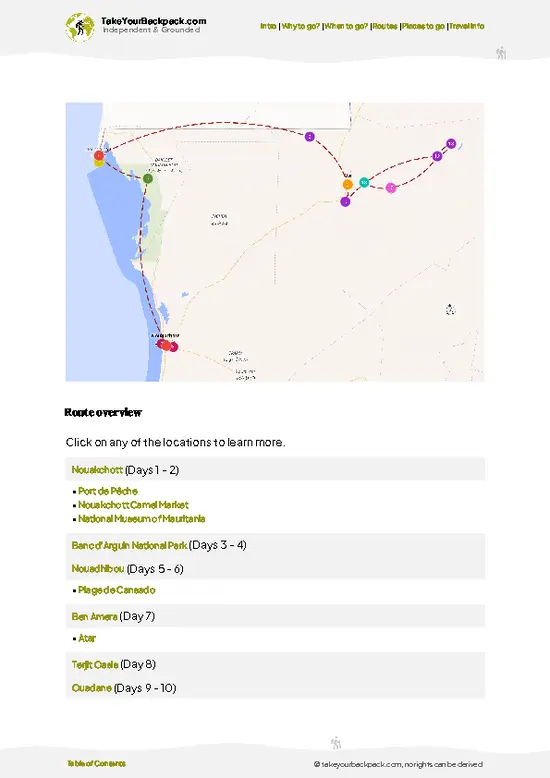
- Palm groves around Aoujeft: The green belt of date palms is the town’s defining feature, shaded and cooler than the rocky ground around it. Walk it in the morning or near dusk. Free, 1 to 2 hours.
- Local market area: A small cluster of stalls selling vegetables, dates, tea, sugar and basic goods. Go in the morning when stock is freshest. Entry is free, and 30 to 45 minutes is enough; bring small change for snacks of US$1 to 2.
- Tea with a local family: Mauritanian tea is poured three times, strong, then sweeter, then mild. If invited, accept, and bring a small gift of sugar or tea worth US$2 to 4. Allow 1 to 2 hours, best in the late afternoon.
- Dunes and rocky edges outside the settlement: A short walk from the buildings brings you to open sand and stone with long views toward the Adrar hills.
- Palm groves around Aoujeft: The green belt of date palms is the town’s defining feature, shaded and cooler than the rocky ground around it. Walk it in the morning or near dusk. Free, 1 to 2 hours.
- Local market area: A small cluster of stalls selling vegetables, dates, tea, sugar and basic goods. Go in the morning when stock is freshest. Entry is free, and 30 to 45 minutes is enough; bring small change for snacks of US$1 to 2.
- Tea with a local family: Mauritanian tea is poured three times, strong, then sweeter, then mild. If invited, accept, and bring a small gift of sugar or tea worth US$2 to 4. Allow 1 to 2 hours, best in the late afternoon.
- Dunes and rocky edges outside the settlement: A short walk from the buildings brings you to open sand and stone with long views toward the Adrar hills. Go at dusk when the heat drops. Free, around 1 hour.
- Roadside stop on the Atar road: Watching camel herds and trucks pass is its own small show, with sharp shadows in the morning. Free, 30 minutes.
Spotted a mistake or missing something? Contact us.

 Best Backpacking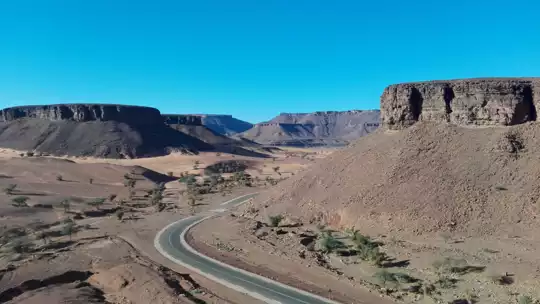
.jpg) Hi, I’m Johan (Netherlands 🇳🇱), the creator of TakeYourBackpack. Over the past 3 decades, I’ve backpacked through 90+ countries across six continents, gaining extensive experience with independent travel, long-term trips, and overland routes.
Hi, I’m Johan (Netherlands 🇳🇱), the creator of TakeYourBackpack. Over the past 3 decades, I’ve backpacked through 90+ countries across six continents, gaining extensive experience with independent travel, long-term trips, and overland routes.