×

Mauritania🇲🇷 | best townsExplore the 10 Best towns in Mauritania

In Mauritania, towns pulse with unique rhythms shaped by geography and culture. From the bustling markets of Nouakchott to the tranquil charm of Atar, each locale offers distinct experiences for backpackers and independent travelers. The Saharan heat can dictate your journey; winter months bring cooler, more comfortable exploration, while summer can be stifling.

Choosing the right town impacts your vibe—whether you seek vibrant street life or serene desert landscapes. Safety and ease of travel vary; some towns are more walkable, while others require careful planning. Immerse yourself in local culture, and let the town’s character guide your adventure.

By Johan Kruseman 🇳🇱 | Updated June 12, 2026
Explore the best villages in Mauritania

Why go?Understanding Their Importance

In Mauritania, towns pulse with a unique rhythm shaped by their cultural heritage and geographic diversity. Unlike many countries, Mauritania’s towns are often gateways to vast desert landscapes and coastal vistas, offering a blend of experiences that reflect the country’s historical trade routes and nomadic traditions. The pace of life here is unhurried, allowing travelers to soak in the local flavors and customs that define each community.

Travelers should consider the trade-offs of their itinerary. While some towns may be more accessible, they often lack the depth of experience found in more remote areas. For instance, the time spent navigating the rugged terrain can yield rich encounters with local artisans or traditional markets, where the scent of spices fills the air. However, this … read more 👉
In Mauritania, towns pulse with a unique rhythm shaped by their cultural heritage and geographic diversity. Unlike many countries, Mauritania’s towns are often gateways to vast desert landscapes and coastal vistas, offering a blend of experiences that reflect the country’s historical trade routes and nomadic traditions. The pace of life here is unhurried, allowing travelers to soak in the local flavors and customs that define each community.

Travelers should consider the trade-offs of their itinerary. While some towns may be more accessible, they often lack the depth of experience found in more remote areas. For instance, the time spent navigating the rugged terrain can yield rich encounters with local artisans or traditional markets, where the scent of spices fills the air. However, this comes at the cost of longer travel times and potential logistical challenges.

Mauritania’s climate also plays a role in travel planning. The harsh desert heat can limit exploration during peak hours, pushing travelers to adapt their schedules. Understanding these nuances is crucial for maximizing the journey. Ultimately, the towns of Mauritania offer a tapestry of experiences that reward those willing to embrace the grit of travel, revealing the soul of a country that thrives on authenticity and connection.
How the List Was Created
The list of best towns in Mauritania is created based on charm, local culture, atmosphere, hidden gems, and visitor appeal. If you feel a town is missing in this list, please let us know.

When to go?Timing Your Visit for the Best Experience

Seasonality plays a crucial role in the experience of towns across Mauritania. The country has a predominantly desert climate, characterized by extreme heat in the summer months. From June to August, temperatures can soar, making outdoor activities uncomfortable. During this period, towns may feel quieter as locals seek shade and respite from the sun.

Optimal months for visiting are typically from November to March. During these months, the weather is milder, with daytime temperatures being more manageable. This is when local life thrives; markets bustle, and outdoor gatherings become common. The cooler evenings invite social interactions, enhancing the charm of small-town life.

Shoulder seasons, particularly in late October and early April, offer a balance. Travelers can enjoy fewer crowds … read more 👉
Seasonality plays a crucial role in the experience of towns across Mauritania. The country has a predominantly desert climate, characterized by extreme heat in the summer months. From June to August, temperatures can soar, making outdoor activities uncomfortable. During this period, towns may feel quieter as locals seek shade and respite from the sun.

Optimal months for visiting are typically from November to March. During these months, the weather is milder, with daytime temperatures being more manageable. This is when local life thrives; markets bustle, and outdoor gatherings become common. The cooler evenings invite social interactions, enhancing the charm of small-town life.

Shoulder seasons, particularly in late October and early April, offer a balance. Travelers can enjoy fewer crowds and potentially lower costs, but they may encounter unpredictable weather. Dust storms can occur, impacting visibility and comfort.

Peak periods coincide with major cultural events, which can draw larger crowds. While these moments provide vibrant experiences, they also come with higher prices and limited accommodations. Understanding these seasonal dynamics is essential for planning a visit that aligns with personal preferences and comfort levels.

town hoppingPlanning Your Route Efficiently

Routing Logic
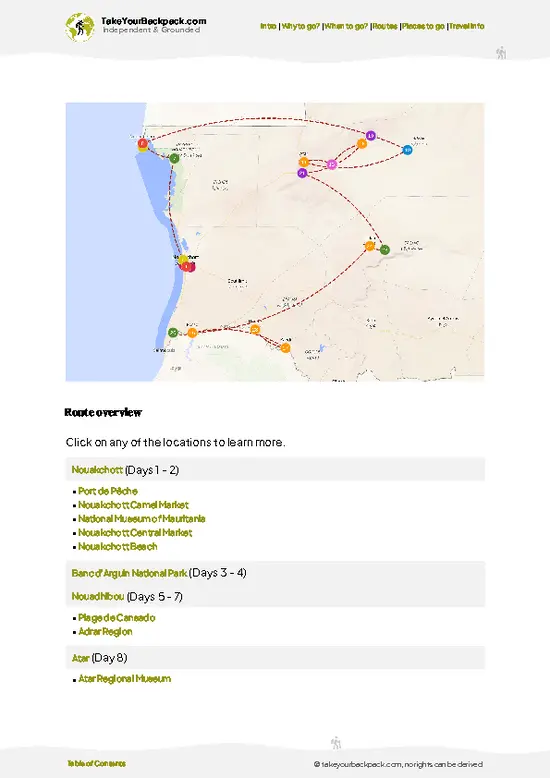
Start by clustering towns based on geography. The north is dominated by the Sahara, while the south offers lush landscapes and vibrant culture. Begin in the capital, Nouakchott, where the coastal breeze carries the scent of the ocean. From there, head east to Atar, a gateway to the desert. This route allows for a gradual immersion into Mauritania’s diverse environments.

Time Management
Plan for at least two days in each town. This pacing allows for exploration without feeling rushed. In Atar, soak in the local markets and the surrounding desert landscapes. Then, move south to Chinguetti, where ancient libraries and mud-brick architecture tell stories of the past. Each stop should feel like a reward for the journey, not just another checkbox.

Common Mistakes
Travelers often … read more 👉
Routing Logic
Start by clustering towns based on geography. The north is dominated by the Sahara, while the south offers lush landscapes and vibrant culture. Begin in the capital, Nouakchott, where the coastal breeze carries the scent of the ocean. From there, head east to Atar, a gateway to the desert. This route allows for a gradual immersion into Mauritania’s diverse environments.

Time Management
Plan for at least two days in each town. This pacing allows for exploration without feeling rushed. In Atar, soak in the local markets and the surrounding desert landscapes. Then, move south to Chinguetti, where ancient libraries and mud-brick architecture tell stories of the past. Each stop should feel like a reward for the journey, not just another checkbox.

Common Mistakes
Travelers often underestimate distances and overestimate their stamina. Avoid cramming too many towns into a short timeframe. This leads to fatigue and missed experiences. Instead, embrace the slower pace that Mauritania demands.

Trade-offs
Consider the balance between speed and depth. Quick stops may save time but rob the experience of its richness. Budget travelers might lean toward shared taxis, but private transport can offer comfort and flexibility. Ultimately, the effort put into planning will yield a more rewarding adventure, allowing for spontaneous detours and deeper connections with the local culture.

The ListTop towns of Mauritania

1 Ouadane

stone ruins, desert plateau, ancient trade routes, UNESCO site

Trace the remnants of trans-Saharan commerce as you wander through crumbling architecture and stark landscapes shaped by centuries of desert life.

2 Oualata

painted facades, UNESCO site, Saharan architecture

Admire intricate wall designs and distinctive buildings in a town recognized for its cultural heritage and unique desert artistry.

3 Atar

Adrar mountains, desert outpost, palm groves, caravan crossroads

Start desert journeys from a town surrounded by rocky plateaus, where palm groves and old trade routes shape the local rhythm.

4 Tergit

palm oasis, natural springs, canyon walls

Relax in a lush valley where water flows year-round, attracting picnickers and travelers seeking respite from the surrounding desert.

5 Tidjikja

date festival, colonial-era buildings, central plateau

Time your visit for the annual harvest, or explore the administrative heart of Tagant, where old and new structures coexist.

6 Kaédi

Senegal River banks, mud-brick architecture, weekly market, Fulani communities

Experience daily life along the river, where traditional homes and a lively market reflect the region’s agricultural roots and ethnic diversity.

7 Aioun El Atrouss

regional capital, military presence, Saharan edge

Experience a strategic town balancing administrative duties and security, set against the stark transition from Sahel to desert.

8 Nema

eastern gateway, military base, regional market

Arrive at a logistical hub for the far east, where commerce, security, and transport converge near the Malian border.

9 Kiffa

bead markets, Sahelian crossroads, artisanal workshops

Browse local crafts and jewelry in a town known for its unique beads, serving as a key junction for travelers heading east or south.

10 Rosso

Senegal River crossing, border post, ferry terminal

Navigate the busy riverfront, observe cross-border trade, and witness the daily movement of people and goods between Mauritania and Senegal.

11 Akjoujt

copper mines, mining town, desert outskirts

See how mineral extraction drives the local economy, with industrial activity set against a backdrop of arid landscapes and sparse vegetation.

12 Aleg

oasis gardens, livestock market, administrative center

Visit a town where agriculture and animal trading shape daily life, and government offices anchor the community’s role in the Brakna region.

13 Sélibaby

hilly terrain, Fulani villages, regional hospital

Travel through undulating landscapes dotted with rural settlements, and see how the town serves as a hub for health and regional administration.

14 Boghé

riverbank settlements, agricultural fields, ethnic diversity

Observe the interplay of farming, fishing, and multiple cultures along the fertile banks of the Senegal River in southern Mauritania.

15 Kankossa

artificial lake, fishing boats, rural outposts

Watch daily life unfold around the reservoir, where fishing and subsistence farming support small villages in the surrounding countryside.

16 Timbedra

transit stop, livestock trading, basic amenities

Pause in a practical town serving as a supply point for herders and travelers moving between eastern Mauritania and the interior.

17 Bassiknou

refugee camps, humanitarian offices, remote location

Witness the impact of migration and relief work in a town shaped by its proximity to Mali and ongoing humanitarian operations.

18 Aoujeft

Adrar foothills, date palm groves, small souk

Explore a quiet settlement where agriculture and trade support daily life at the base of rocky hills in the Adrar region.

19 Boutilimit

roadside markets, Sahelian mudbrick, Friday mosque

Experience a crossroads town where local commerce, traditional architecture, and religious life intersect along the main east-west highway.

20 Mederdra

arid plains, weekly market, Moorish tents

Pass through a sparsely populated area where nomadic traditions persist and the market draws people from scattered desert communities.

21 Magta-Lahjar

seasonal wadis, small town center, local crafts

Discover a quiet settlement where watercourses define the rhythm of life and artisans maintain traditional skills in a remote setting.

22 Mouley Boubekeur

remote village, mudbrick homes, seasonal agriculture

Observe rural life in a small community where farming depends on rainfall and traditional building methods remain the norm.

Think you know Mauritania?

Prove you’re a true local — uncover 12 lesser-known towns in Mauritania that locals tend to keep to themselves.
Loading the map 🌍

Expert viewInsights from Locals and Experts

Exploring Mauritania’s Towns

Mauritania is a land of contrasts, where the vast Sahara meets the Atlantic coast. To truly appreciate its essence, aim to visit at least four to six towns. This range allows you to experience the diversity of culture, geography, and local life without feeling rushed. Each town has its own character, shaped by the surrounding landscape and the people who call it home.

Travel Rhythm and Regional Clustering

Start in the north, where the desert towns offer a glimpse into the nomadic lifestyle. The rhythm here is slower, punctuated by the sound of wind sweeping across the dunes. The stark beauty of the landscape demands patience; the journey can be long, with roads that are often unpaved and challenging. Expect to spend a few days acclimating to the heat and the … read more 👉
Exploring Mauritania’s Towns

Mauritania is a land of contrasts, where the vast Sahara meets the Atlantic coast. To truly appreciate its essence, aim to visit at least four to six towns. This range allows you to experience the diversity of culture, geography, and local life without feeling rushed. Each town has its own character, shaped by the surrounding landscape and the people who call it home.

Travel Rhythm and Regional Clustering

Start in the north, where the desert towns offer a glimpse into the nomadic lifestyle. The rhythm here is slower, punctuated by the sound of wind sweeping across the dunes. The stark beauty of the landscape demands patience; the journey can be long, with roads that are often unpaved and challenging. Expect to spend a few days acclimating to the heat and the pace. The reward? A profound connection to the land and its history, often shared over a cup of sweet mint tea with locals who are eager to share their stories.

As you move south, the towns shift in character. The coastal areas bring a different vibe, with the scent of salt in the air and bustling markets filled with fresh fish. Here, you’ll find a vibrant mix of cultures, influenced by the Atlantic trade routes. The infrastructure improves, but don’t expect luxury. Transportation can be erratic, so plan for delays. This is where the trade-off comes in: you might sacrifice comfort for authenticity, but the experience of watching fishermen haul in their catch at dawn is worth every bump in the road.

Local Charm and Cultural Considerations

Each town has its own charm, often reflected in the architecture and local customs. In some places, you’ll find mud-brick buildings that have stood for centuries, while others showcase a blend of colonial and traditional styles. Engage with the locals; they are the heartbeat of these towns. However, be mindful of cultural norms. Dress modestly and approach conversations with respect. A friendly smile goes a long way, but understanding local customs will deepen your experience.

Safety is another consideration. While Mauritania is generally safe for travelers, petty crime can occur, especially in busier markets. Keep your belongings secure and be aware of your surroundings. Traveling in groups can enhance safety and enrich your experience, as shared moments often lead to lasting memories.

Logistical Considerations

When planning your route, consider the distances between towns. Some are a day’s drive apart, while others may require overnight stops. Public transport can be unpredictable, so having a flexible itinerary is crucial. Budget-wise, expect to spend more in remote areas where amenities are limited. However, the trade-off is often a more authentic experience, away from the tourist trail.

Timing your visit is also essential. The best months to explore are from November to March when temperatures are milder. This window allows you to enjoy the outdoors without the oppressive heat of summer.

In summary, Mauritania’s towns offer a rich tapestry of experiences, each with its own rhythm and charm. By prioritizing a handful of key locations, you can immerse yourself in the local culture while navigating the practical challenges of travel. Embrace the grit of the journey, and you’ll find that the rewards—whether it’s a breathtaking sunset over the dunes or the warmth of a shared meal—are well worth the effort.

✈️ The backpacker research shortcutMauritania Travel Guide

An offline-friendly backpacking guide with optimized travel routes, ranked highlights, transport advice, and the best areas to stay.
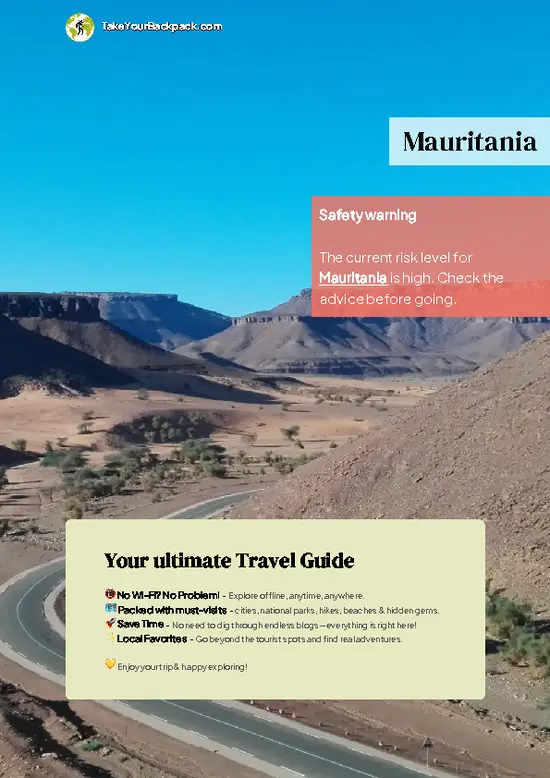
example page 0 from our offline Travel Guide for Mauritania
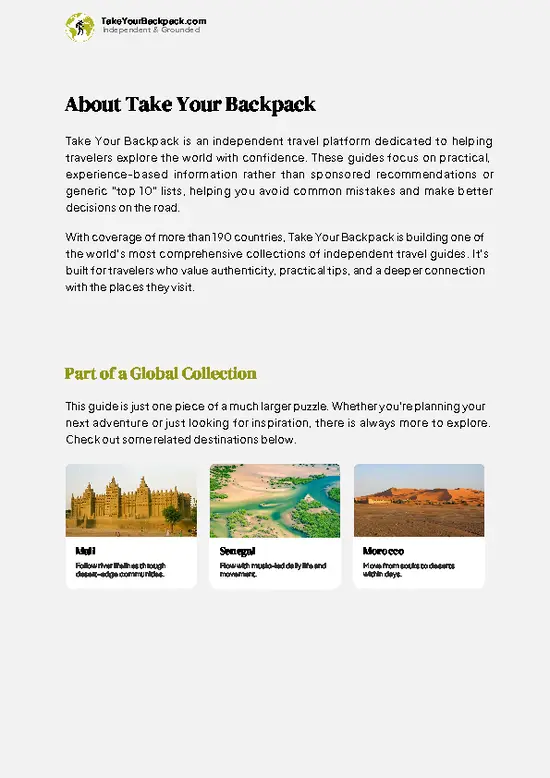
example page 1 from our offline Travel Guide for Mauritania
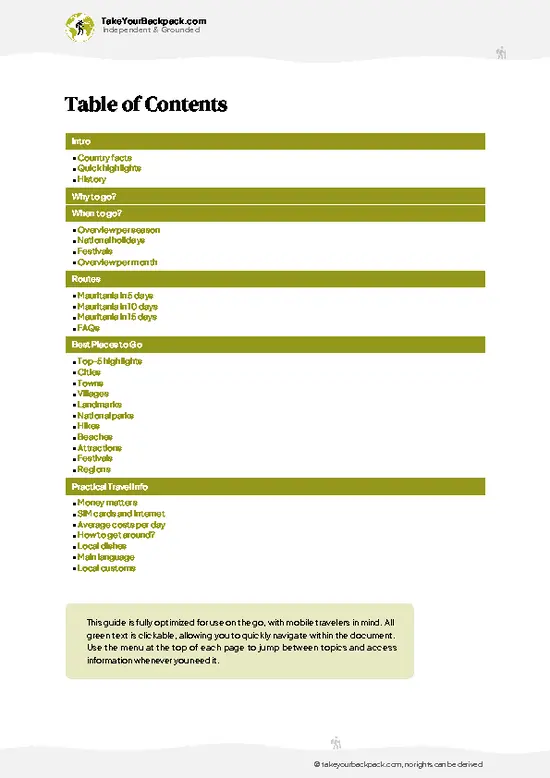
example page 2 from our offline Travel Guide for Mauritania
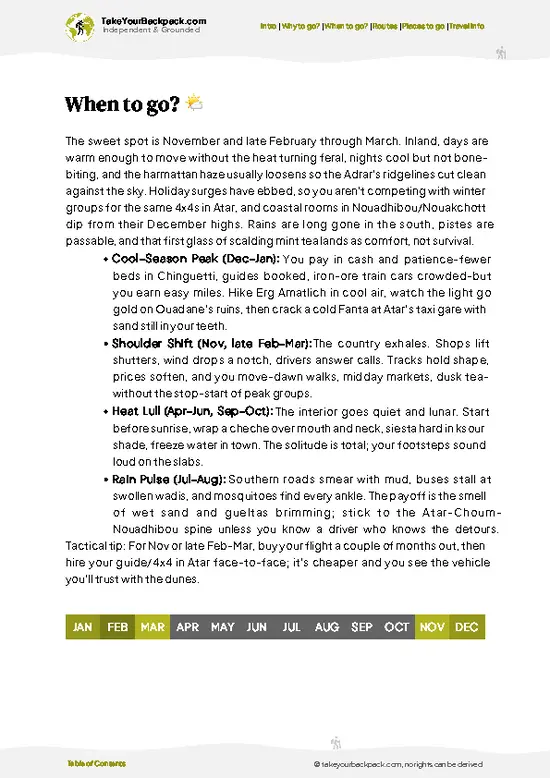
example page 3 from our offline Travel Guide for Mauritania
example page 4 from our offline Travel Guide for Mauritania
example page 5 from our offline Travel Guide for Mauritania
example page 6 from our offline Travel Guide for Mauritania
example page 7 from our offline Travel Guide for Mauritania
The digital guide (269 pages) contains:
63 highlights, ranked by travel appeal
Optimized 5, 10 & 15-day travel routes
Cities, national parks, landmarks, beaches
How to get around
Offline-friendly for travel without Wi-Fi
👉 Click to see all 30+ guide features

📅 Plan smarter in minutes, not weeks
Month by month travel advice
Festivals & national holidays
Budget expectations

🗺️ Go to the right places, skip the overrated ones
Honest pros & cons of destinations
Top hikes, parks & viewpoints
Lesser-known places most travelers miss
Clear “worth it vs skip it” guidance

🛏️ Travel smoothly without rookie mistakes
Best areas to stay
Transport systems explained simply
Common scams & safety advice
SIM cards, money & practical tips

🌍 Understand the country, not just visit it
Culture & traditions
52 Essential phrases & customs
Festivals worth planning around
Traveler-friendly historical context
Insights that make places more meaningful

📱 Built for real travel conditions
Fully downloadable PDF
Works completely offline
Optimized for phone use
Useful in remote areas & buses
Everything in one place
Save weeks of stressful planning
Get instant access to your full guide. 30‑day money-back guarantee.


By proceeding you agree to our terms.
Sent to your inbox immediately after payment • 100% Secure Checkout
Best Backpacking Travel Advisor 2025 tourism awardBest Backpacking
Travel Advisor
2025
What others say about Take Your Backpack Guides:
⭐⭐⭐⭐⭐
Fantastic, amazing amount of information!
⭐⭐⭐⭐⭐
My goodness this is amazing, it's what I've been looking for hats off too you!
⭐⭐⭐⭐⭐
I think this is absolutely BRILLIANT
⭐⭐⭐⭐
Very complete and informative. It's still missing places, but I gotta to commend you
⭐⭐⭐⭐⭐
This is truly amazing, thank you, can't wait to explore it with my kids!
⭐⭐⭐⭐⭐
Awesome resource, thank you!
⭐⭐⭐⭐⭐
This is amazing! Can't wait to explore the ones I haven't seen
⭐⭐⭐⭐
I love this! Well done, great idea.
⭐⭐⭐⭐⭐
Thanks for taking the time to make this gem!
⭐⭐⭐⭐⭐
This might be the best website I've ever seen.
⭐⭐⭐⭐⭐
Congratulations, and thank you so much for your work; it's incredibly valuable.
⭐⭐⭐⭐
In all seriousness I think you did a great job pointing out the important spots
⭐⭐⭐⭐⭐
10/10 very good
⭐⭐⭐⭐⭐
As someone who's only just starting to visit regularly this is awesome, thank you.
⭐⭐⭐⭐
Thank you very much! I'm going to visit my dad, it's going to be very useful!
⭐⭐⭐⭐⭐
This is really cool! We'll be travelling for the first time and this definitely come in handy.
⭐⭐⭐⭐⭐
You are now our minister of culture, congratulations 👨‍💼
⭐⭐⭐⭐⭐
Just wanted to tell you that this is a pearl! Going to follow your recommendations.
⭐⭐⭐⭐⭐
This is so cool. I'll definitely be using the resource for my travels soon.
⭐⭐⭐⭐⭐
This is very impressive! Good work.
⭐⭐⭐⭐⭐
This is an amazing and informative site. Very well done!

🛏️ Where to stay?Where to Stay in Mauritania

There are very few traditional hostels in Mauritania, but budget accommodation exists as small guesthouses, auberges and cheap hotels mainly in coastal cities and desert towns; expect basic facilities, intermittent hot water, simple bedding and variable cleanliness.

In Nouakchott most budget options concentrate in Tevragh Zeina (safer, closer to restaurants and expat services but pricier), Sebkha (cheaper, near markets and bus routes but dustier and busier), and the central/port area (convenient for transport and the fish market but noisier and less polished).

In Nouadhibou the city centre/port area has the widest low-cost choices near transport yet fewer amenities and occasional security … read more 👉
There are very few traditional hostels in Mauritania, but budget accommodation exists as small guesthouses, auberges and cheap hotels mainly in coastal cities and desert towns; expect basic facilities, intermittent hot water, simple bedding and variable cleanliness.

In Nouakchott most budget options concentrate in Tevragh Zeina (safer, closer to restaurants and expat services but pricier), Sebkha (cheaper, near markets and bus routes but dustier and busier), and the central/port area (convenient for transport and the fish market but noisier and less polished).

In Nouadhibou the city centre/port area has the widest low-cost choices near transport yet fewer amenities and occasional security checks, while desert hubs like Atar and Chinguetti offer very basic guesthouses ideal for accessing dunes and ruins but demand advance planning, cash payments and tolerance for spartan conditions.

If you enjoy meeting fellow travelers, consider choosing hostels with high ratings for atmosphere. On the other hand, if you prefer having your own space, a hotel might be a better option.

MauritaniaMore of Mauritania

👋 Meet the founderWho’s Behind Take Your Backpack?

Johan, backpacker and founder of TakeYourBackpackHi, I’m Johan (Netherlands 🇳🇱), the creator of TakeYourBackpack. Over the past decade, I’ve backpacked through 80+ countries across six continents, gaining extensive experience with independent travel, long-term trips, and overland routes.

This site is built on a combination of firsthand travel experience and carefully curated insights from other backpackers. Many guides are based on places I’ve personally visited, while others bring together tips, observations, and practical advice shared by trusted travelers I’ve met along the way.

The goal is to provide realistic, experience-driven guidance — not generic itineraries — so you can explore destinations with better context, clearer expectations, and more confidence.

Get full Mauritania guide •
Instant download • 63 highlights • Full Offline guide