v2.webp)
The Ancient Manuscripts Room
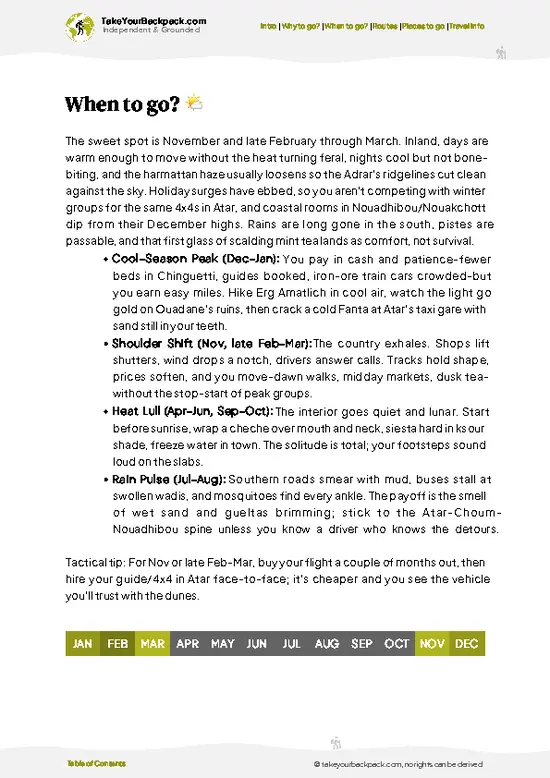
Forget the glassed-off, climate-controlled vaults of Europe. Here, you’re inches from centuries-old Qur’ans and scientific treatises, some written when camel caravans were the internet of the Sahara. The pages are brittle, the ink faded, but the sense of history is raw and immediate. You’ll see the fingerprints of scholars who copied these texts by hand, sometimes with margin notes in Arabic script that look as fresh as if they were scribbled yesterday. This is living history, not a sanitized display.
Stone Tools and Prehistoric Relics
If you’ve ever wanted to hold a Neolithic arrowhead and actually feel the weight of prehistory, this is your spot. The museum’s collection isn’t huge, but it’s personal. You’re not peering through layers of security; you’re face-to-face … read more 👉
Forget the glassed-off, climate-controlled vaults of Europe. Here, you’re inches from centuries-old Qur’ans and scientific treatises, some written when camel caravans were the internet of the Sahara. The pages are brittle, the ink faded, but the sense of history is raw and immediate. You’ll see the fingerprints of scholars who copied these texts by hand, sometimes with margin notes in Arabic script that look as fresh as if they were scribbled yesterday. This is living history, not a sanitized display.
Stone Tools and Prehistoric Relics
If you’ve ever wanted to hold a Neolithic arrowhead and actually feel the weight of prehistory, this is your spot. The museum’s collection isn’t huge, but it’s personal. You’re not peering through layers of security; you’re face-to-face … read more 👉
The Ancient Manuscripts Room
Forget the glassed-off, climate-controlled vaults of Europe. Here, you’re inches from centuries-old Qur’ans and scientific treatises, some written when camel caravans were the internet of the Sahara. The pages are brittle, the ink faded, but the sense of history is raw and immediate. You’ll see the fingerprints of scholars who copied these texts by hand, sometimes with margin notes in Arabic script that look as fresh as if they were scribbled yesterday. This is living history, not a sanitized display.
Stone Tools and Prehistoric Relics
If you’ve ever wanted to hold a Neolithic arrowhead and actually feel the weight of prehistory, this is your spot. The museum’s collection isn’t huge, but it’s personal. You’re not peering through layers of security; you’re face-to-face with the tools that ancient Mauritanians used to hunt, carve, and survive. Each piece is a direct line to the people who crossed these deserts long before the word “Mauritania” existed.
Traditional Nomadic Artifacts
The Atar Regional Museum doesn’t do “Instagrammable” displays. Instead, you get battered leather water bags, hand-woven camel saddles, and the kind of jewelry that looks like it’s seen a thousand sandstorms. These aren’t props—they’re the real deal, used by nomads who still roam the Adrar. You’ll leave with a sense of how tough, resourceful, and creative desert life has to be.
French Colonial Era Memorabilia
Here’s the blunt truth: Mauritania’s colonial past isn’t sugarcoated. The museum’s collection of French military gear, maps, and administrative documents is a crash course in how the region was carved up and controlled. It’s not pretty, but it’s honest. If you want to understand the roots of modern Mauritania, this room is essential. You’ll see the tension between imported authority and local resilience, all in objects that have outlasted their original owners.
Local Guides’ Storytelling
This is where the museum punches above its weight. The staff aren’t just caretakers—they’re storytellers, sometimes descendants of the very people whose artifacts you’re seeing. If you’re lucky, you’ll get a spontaneous oral history session, complete with personal anecdotes and the kind of context you’ll never find in a guidebook. This is the real magic: human connection, unscripted and unfiltered.
The Courtyard Gathering Spot
It’s not an exhibit, but it’s where the museum comes alive. Locals and travelers mingle here, swapping stories over sweet mint tea. You’ll hear about desert crossings, family histories, and maybe even get a tip on where to find the best dates in town. It’s the opposite of a sterile museum lobby—more like a living room for the entire region. This is where Atar’s soul shows up, no filter required.
Forget the glassed-off, climate-controlled vaults of Europe. Here, you’re inches from centuries-old Qur’ans and scientific treatises, some written when camel caravans were the internet of the Sahara. The pages are brittle, the ink faded, but the sense of history is raw and immediate. You’ll see the fingerprints of scholars who copied these texts by hand, sometimes with margin notes in Arabic script that look as fresh as if they were scribbled yesterday. This is living history, not a sanitized display.
Stone Tools and Prehistoric Relics
If you’ve ever wanted to hold a Neolithic arrowhead and actually feel the weight of prehistory, this is your spot. The museum’s collection isn’t huge, but it’s personal. You’re not peering through layers of security; you’re face-to-face with the tools that ancient Mauritanians used to hunt, carve, and survive. Each piece is a direct line to the people who crossed these deserts long before the word “Mauritania” existed.
Traditional Nomadic Artifacts
The Atar Regional Museum doesn’t do “Instagrammable” displays. Instead, you get battered leather water bags, hand-woven camel saddles, and the kind of jewelry that looks like it’s seen a thousand sandstorms. These aren’t props—they’re the real deal, used by nomads who still roam the Adrar. You’ll leave with a sense of how tough, resourceful, and creative desert life has to be.
French Colonial Era Memorabilia
Here’s the blunt truth: Mauritania’s colonial past isn’t sugarcoated. The museum’s collection of French military gear, maps, and administrative documents is a crash course in how the region was carved up and controlled. It’s not pretty, but it’s honest. If you want to understand the roots of modern Mauritania, this room is essential. You’ll see the tension between imported authority and local resilience, all in objects that have outlasted their original owners.
Local Guides’ Storytelling
This is where the museum punches above its weight. The staff aren’t just caretakers—they’re storytellers, sometimes descendants of the very people whose artifacts you’re seeing. If you’re lucky, you’ll get a spontaneous oral history session, complete with personal anecdotes and the kind of context you’ll never find in a guidebook. This is the real magic: human connection, unscripted and unfiltered.
The Courtyard Gathering Spot
It’s not an exhibit, but it’s where the museum comes alive. Locals and travelers mingle here, swapping stories over sweet mint tea. You’ll hear about desert crossings, family histories, and maybe even get a tip on where to find the best dates in town. It’s the opposite of a sterile museum lobby—more like a living room for the entire region. This is where Atar’s soul shows up, no filter required.
Spotted a mistake or missing something? Contact us.

 Best Backpacking
.jpg) Hi, I’m Johan (Netherlands 🇳🇱), the creator of TakeYourBackpack. Over the past decade, I’ve backpacked through 80+ countries across six continents, gaining extensive experience with independent travel, long-term trips, and overland routes.
Hi, I’m Johan (Netherlands 🇳🇱), the creator of TakeYourBackpack. Over the past decade, I’ve backpacked through 80+ countries across six continents, gaining extensive experience with independent travel, long-term trips, and overland routes.